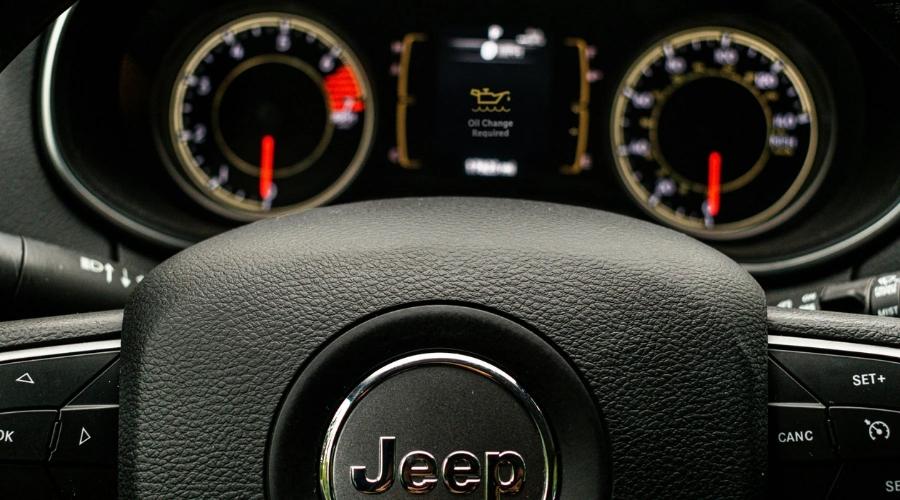
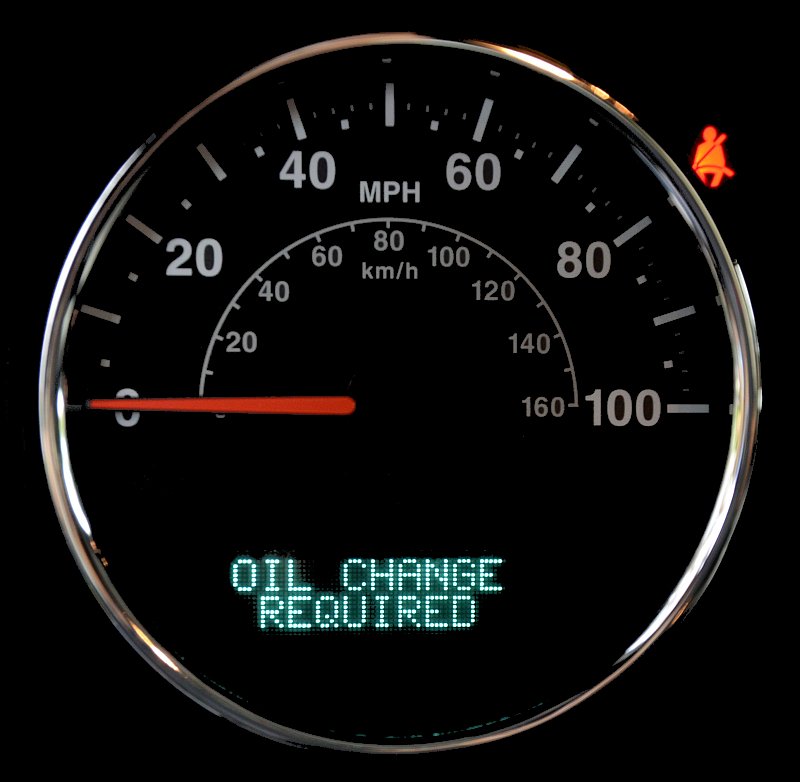
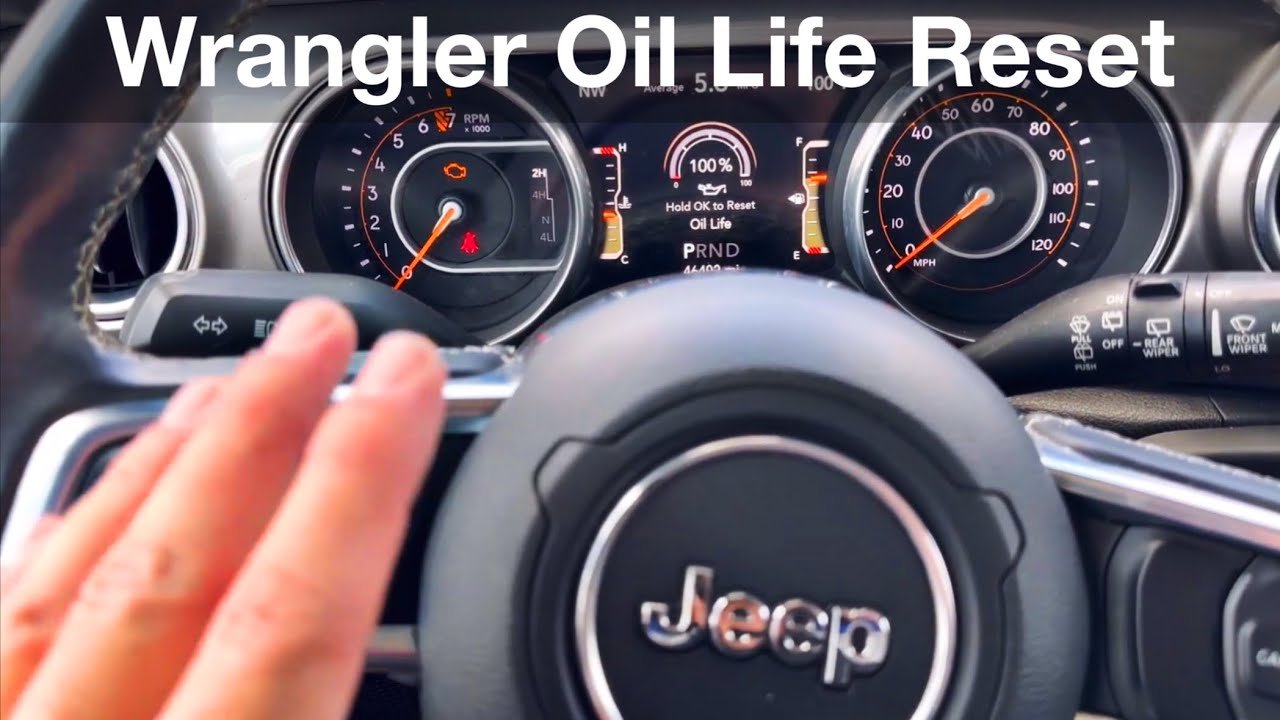
Resetting the oil change light on your Jeep can be confusing, especially if you’re new to modern vehicles. This alert appears after an oil service and reminds you to change your oil regularly.
However, once you’ve changed the oil, the system needs to be reset, or the warning will stay on.
If you ignore it, you might miss future maintenance reminders.
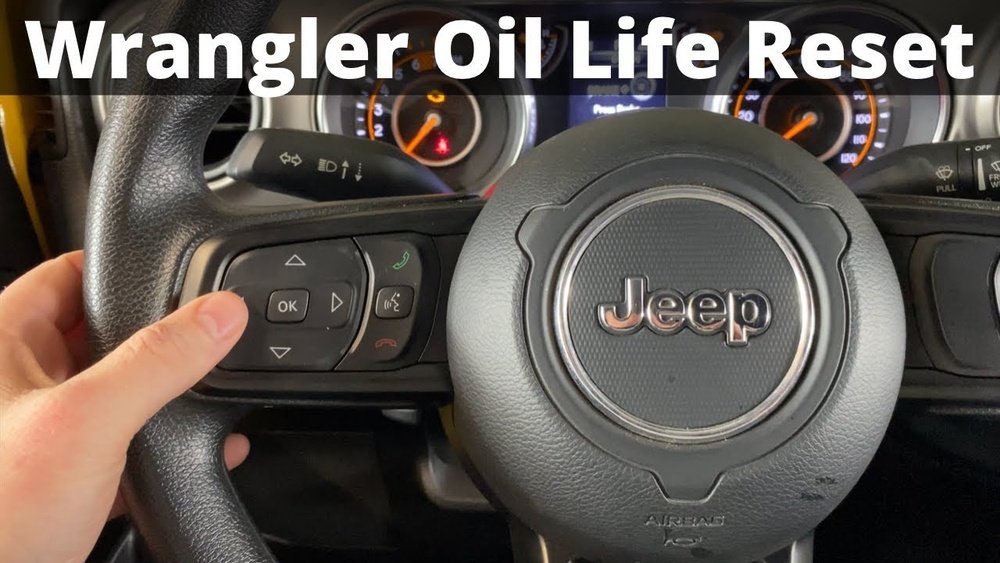
Knowing how to reset your Jeep’s oil change light saves time and avoids unnecessary trips to the mechanic. The process is simple for most models, but there are small differences depending on the year and type of Jeep you drive.
This guide will walk you through all the steps, explain why the reset matters, and cover common mistakes people make. By the end, you’ll feel confident handling this task yourself.
Why Resetting The Oil Change Light Matters
The oil change light is part of your Jeep’s maintenance reminder system. It doesn’t check the oil level or quality directly. Instead, it tracks miles driven and engine hours since the last reset. If you change your oil but don’t reset the light, you might get a false warning. This can lead to confusion and unnecessary stress.
Resetting the light also helps your Jeep’s computer keep accurate records. This is important for warranty compliance and resale value. A well-maintained service record shows future buyers that you cared for your vehicle.
Steps To Reset Oil Change Light On Most Jeeps
You don’t need special tools or technical skill to reset the oil change light. Most modern Jeeps use a similar process. Here are the steps for common Jeep models (such as Wrangler, Grand Cherokee, Cherokee, Compass, and Renegade):
- Turn the ignition to “ON” (do not start the engine). This is usually the second position.
- Slowly press the gas pedal all the way down and release it three times within 10 seconds.
- Turn off the ignition and wait a few seconds.
- Start the engine. The oil change light should be off.
If the light stays on, repeat the process. Make sure you press and release the pedal fully and slowly.
Older Jeep Models
For Jeeps made before 2011, the steps might be slightly different:
- Turn the key to “ON” (engine off).
- Slowly press the gas pedal three times in ten seconds.
- Turn the key to “OFF”.
Always check your owner’s manual for your exact model.
Jeep Model Differences: Quick Comparison
Different Jeep models sometimes have small changes in the reset procedure. Here’s a quick look:
| Jeep Model | Years | Reset Method |
|---|---|---|
| Wrangler | 2012-2024 | Gas pedal (3x) |
| Grand Cherokee | 2011-2024 | Gas pedal (3x) |
| Cherokee | 2014-2024 | Gas pedal (3x) |
| Compass | 2017-2024 | Gas pedal (3x) |
| Older Models | 1990s-2010 | Key cycle, pedal |
Always confirm your specific reset method with your Jeep’s manual.
Common Mistakes To Avoid
Even though the process sounds easy, many people make small errors:
- Not pressing the gas pedal all the way down
- Pressing the pedal too quickly or slowly
- Forgetting to set the ignition to “ON” (engine off)
- Not waiting long enough before starting the engine
These small mistakes can cause the light to stay on. If you try again and still see the light, there may be an issue with your Jeep’s sensor or computer.
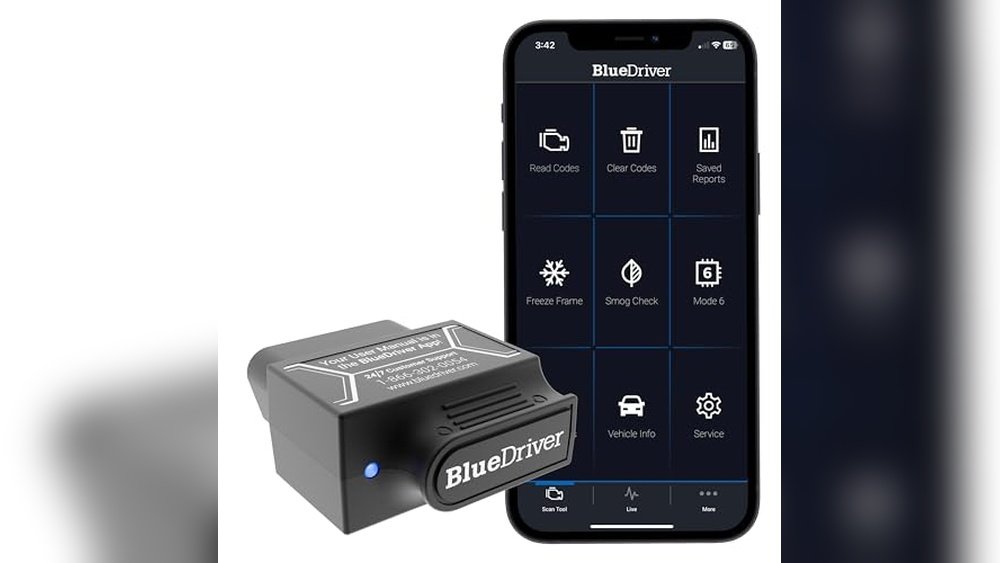
In rare cases, a mechanic’s scan tool may be needed.
When The Oil Change Light Won’t Reset
Sometimes, the oil change light stays on even after you follow the reset steps. This can happen for a few reasons:
- Faulty sensor: The oil change reminder system may have a malfunction.
- Missed step: Not following the steps exactly as described.
- Software issue: Rare, but the vehicle’s computer can sometimes freeze.
If you’ve tried the reset more than twice with no luck, check your oil level first. If everything looks normal, a visit to your Jeep dealer or a trusted mechanic is the next step.
How Long Does An Oil Change Light Stay On?
After your reset, the oil change light usually stays off until your next scheduled oil change. This is often between 5,000 to 10,000 miles, depending on your Jeep model and driving conditions.
Here’s a quick look at oil change intervals for popular Jeep models:
| Model | Recommended Interval (Miles) | Oil Type |
|---|---|---|
| Wrangler | 7,500 | Synthetic |
| Grand Cherokee | 10,000 | Synthetic |
| Cherokee | 5,000 – 7,500 | Blend/Synthetic |
Always check your manual for the correct oil type and interval.
Extra Tips For Jeep Owners
- Reset after every oil change. Skipping the reset can confuse future reminders.
- Record the mileage when you reset. This helps track your maintenance.
- Check for other warnings. Sometimes, a “check engine” or other light may appear if there’s a bigger issue.
- Use the right oil. Wrong oil can cause engine problems and might not clear the light.
- Don’t ignore warning lights. If a light stays on after a reset, diagnose the problem quickly.
A common beginner mistake is thinking the oil change light checks oil quality or level. It does not.
Always check your oil manually to be safe.
Frequently Asked Questions
How Do I Know If The Oil Change Light Reset Worked?
If the oil change light does not come back on after you start the engine, the reset was successful. If it appears again, repeat the steps or check for other issues.
Can I Drive With The Oil Change Light On?
You can drive for a short time, but you should change the oil and reset the light soon. Driving too long with the light on can damage your engine.
Will Disconnecting The Battery Reset The Oil Change Light?
Usually, disconnecting the battery will not reset the oil change light. The system keeps track of maintenance reminders separately.
Does The Oil Change Light Mean My Oil Is Low?
No. The light is a maintenance reminder, not an oil level warning. Always check your oil level manually using the dipstick.
Where Can I Find More Information For My Specific Jeep Model?
Always use your owner’s manual for details. You can also visit the official Jeep website or resources like NHTSA for model-specific tips.
Resetting your Jeep’s oil change light is a simple process that keeps your vehicle running smoothly. By following the right steps, you’ll avoid confusion and keep your maintenance schedule on track.
Remember to check your owner’s manual for details and never ignore warning lights.
Taking care of these small tasks at home can save you time, money, and stress in the long run.