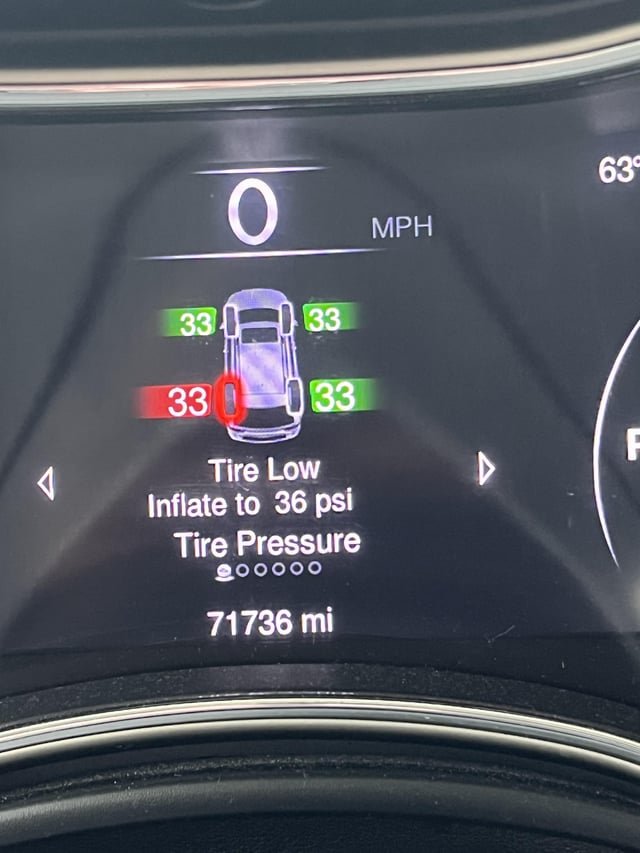
If you drive a Jeep Compass, seeing the low tire pressure warning light can be worrying. It often appears when the weather gets colder or after hitting a pothole. Sometimes, even after adjusting your tire pressures, the light stays on. This small issue can lead to bigger problems if ignored—like poor fuel efficiency, uneven tire wear, or even a flat tire on the road. Fortunately, resetting the low tire pressure light is a straightforward process if you know what steps to follow. In this guide, you’ll learn why the light comes on, how to reset it properly, and tips to avoid common mistakes. You’ll also find practical examples, clear tables, and answers to the most frequent questions about your Jeep Compass’s tire pressure system.
Why The Low Tire Pressure Light Comes On
The low tire pressure light is part of the Tire Pressure Monitoring System (TPMS). This system checks the air pressure in your tires and warns you if one or more tires are too low. There are several reasons why this light might turn on:
- Temperature Drops – Cold air causes tire pressure to decrease. For every 10°F drop, pressure drops about 1-2 PSI.
- Small Leaks or Punctures – Even a tiny nail can cause slow air loss.
- Recent Tire Service – After tire rotation or replacement, sensors may need time to recalibrate.
- Faulty Sensor – Sometimes, the sensors themselves malfunction or their batteries die.
It’s important not to ignore this light. Driving on under-inflated tires reduces safety and can damage the tires.
If you see the light, check your tire pressures as soon as possible.
How To Check And Adjust Tire Pressure
Before you reset the warning light, always check and adjust your tire pressure. Resetting the light without fixing the cause is like putting a bandage on a leak it won’t solve the problem.
Steps To Check Tire Pressure
- Park on a Level Surface – Wait until the tires are cool for an accurate reading.
- Find Recommended Pressure – Look at the sticker inside the driver’s door or your owner’s manual. For most Jeep Compass models, the recommended pressure is 33 PSI.
- Use a Reliable Gauge – Digital gauges are more accurate than pencil-style ones.
- Check All Four Tires – Don’t forget the spare tire if your model has a full-size spare.
- Adjust If Needed – Add or release air until you reach the recommended PSI.
Example: Tire Pressure Comparison
Here’s a comparison of typical Jeep Compass tire pressures (in PSI) for different situations:
| Condition | Front Tires | Rear Tires |
|---|---|---|
| Normal Driving | 33 | 33 |
| Fully Loaded (passengers/cargo) | 35 | 35 |
| After Overnight Cold | 31 | 31 |
*Always use the recommended pressure unless your owner’s manual suggests otherwise for special situations. *
How To Reset The Low Tire Pressure Light
Once your tires have the right pressure, the warning light should go off automatically after driving a few miles. But sometimes, it stays on. If that happens, try these steps:
Standard Reset Steps
- Turn on the Ignition – Do not start the engine yet.
- Check the Light – Look at the dashboard to see if the TPMS light is still on.
- Drive for 10–20 Minutes – Drive at speeds above 15 mph. This allows the sensors to recalibrate.
- Turn Off and Restart – Park, turn off the engine, then restart. The light should be off.
Manual Reset (if The Light Stays On)
Some Jeep Compass models allow a manual reset. If your owner’s manual doesn’t mention this, skip this step.
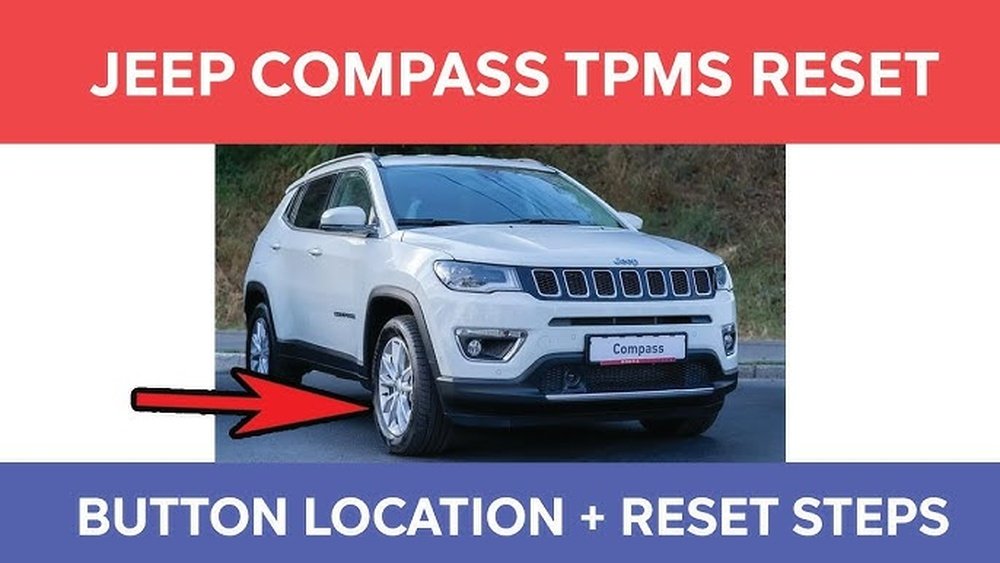
- With the ignition ON, but engine OFF, press and hold the TPMS reset button (often under the steering wheel) for about 3 seconds.
- Release the button when the TPMS indicator blinks three times.
- Start the vehicle and drive for a few miles to let the system relearn.
*Not all Compass models have a reset button. If yours doesn’t, stick with the standard reset steps. *
When Reset Fails
If the light still won’t turn off:
- Double-check all tires (including the spare)
- Look for visible signs of damage or punctures
- Consider sensor issues—sometimes, the battery in a sensor dies after 5–7 years
It’s a good idea to consult a qualified mechanic if the light stays on after you’ve checked everything.
When To Visit A Mechanic
Most drivers can reset the low tire pressure light themselves. But some situations need expert attention:
- Light flashes, not stays solid – This means there’s a system fault, not just low pressure.
- Tire pressures are correct, but light won’t reset – Possible sensor or system malfunction.
- You replaced a sensor or had recent tire service – New sensors may need programming with special tools.
- You suspect a slow leak or see a damaged tire – Don’t risk a blowout on the road.
Many auto shops and tire stores can read TPMS codes and fix sensor issues quickly.
Common Mistakes And How To Avoid Them
It’s easy to make small errors when dealing with tire pressure. Here are the most frequent mistakes and how to avoid them:
- Ignoring the Light – Don’t assume it’s just the weather. Always check your tires.
- Using Inaccurate Gauges – Cheap gauges can be off by several PSI. Invest in a quality digital gauge.
- Forgetting the Spare – Some Jeep Compass models monitor the spare. A low spare can trigger the light.
- Inflating When Tires Are Warm – Tire pressure rises as you drive. Check when tires are cold for accuracy.
- Resetting Without Fixing the Problem – The reset works only if all tires are at the right pressure.
How Tpms Works In The Jeep Compass
Your Jeep Compass uses a direct TPMS. This means each wheel has a sensor inside the tire that sends real-time pressure data to the vehicle’s computer.
Sensor Life And Replacement
- Sensor batteries usually last 5–7 years.
- When a sensor fails, you’ll need to replace it. Sometimes, all four sensors are replaced together, especially on older vehicles.
Sensor Replacement Costs
Here’s a simple breakdown of sensor replacement costs:
| Component | Estimated Cost (USD) |
|---|---|
| New TPMS Sensor (per wheel) | $50–$100 |
| Labor (per sensor) | $20–$40 |
| Programming Fee | $20–$50 |
Always ask if the shop can program Jeep sensors some cheaper sensors may not work with your Compass.
Practical Tips For Maintaining Tire Pressure
Keeping the right tire pressure isn’t just about turning off a light—it means safer driving and saving money on gas and tires. Here are some practical habits:
- Check pressure monthly – Do it more often in cold weather.
- Visual checks matter – Look for bulges, cracks, or nails.
- Use gas station air carefully – Those gauges are often inaccurate. Bring your own.
- Rotate tires regularly – Keeps wear even and helps sensors function accurately.
- Replace valve caps – They keep dirt and moisture out, protecting the sensor.
Real-world Example: Winter Tire Pressure
Imagine it’s January and the temperature drops from 70°F to 20°F overnight. Your tires lose about 5 PSI.
The low tire pressure light comes on in your Jeep Compass the next morning.
- You check and see all four tires at 28 PSI (should be 33 PSI).
- After adding air, the light stays on for the first mile, then turns off after a few more miles of driving.
This delay is normal; the system needs time to recognize the change. But if the light stays on for more than 10 minutes, re-check your pressures or look for leaks.
Comparing Tpms In Jeep Compass Vs. Other Suvs
How does the Compass’s TPMS compare to other popular SUVs? Here’s a quick look:
| Model | TPMS Type | Reset Button? | Sensor Battery Life |
|---|---|---|---|
| Jeep Compass | Direct | Some models | 5–7 years |
| Honda CR-V | Indirect/Direct (varies) | Rare | 5–10 years |
| Toyota RAV4 | Direct | No | 5–7 years |
| Ford Escape | Direct | No | 7–10 years |
Many SUVs now use direct TPMS, but not all offer a reset button or easy user resets.
When Upgrades Or Replacements Are Needed
If you use aftermarket wheels or change your tires, make sure the new parts are compatible with your Jeep Compass TPMS. Some aftermarket sensors are cheaper but may not communicate well with the vehicle, leading to constant warning lights.
Tip: If you buy new wheels or tires, ask the shop to test and program the sensors before you leave.

Non-obvious Insights Most Owners Miss
- Altitude and Pressure: Driving to higher elevation (mountains) can reduce tire pressure. If you travel through different altitudes, check and adjust your tires at your home elevation.
- TPMS Won’t Detect Over-Inflation: The system only warns you about low pressure. If you over-inflate your tires, the ride can become harsh and unsafe, but you won’t get a warning.
- Sensor Relearning: Sometimes after rotating your tires, the system may take longer to update. Patience is key—drive a few miles before worrying about a persistent light.
Frequently Asked Questions
What Does It Mean If The Tpms Light Is Flashing?
A flashing TPMS light usually means there’s a problem with the system itself not just low tire pressure. It could be a faulty sensor or a system error.
Visit a mechanic to have it checked with a professional scan tool.
Can I Drive With The Low Tire Pressure Light On?
You can drive short distances to a safe location, but you should check your tires as soon as possible. Driving with low pressure can damage the tires and reduce your safety.
How Do I Know If A Sensor Is Bad?
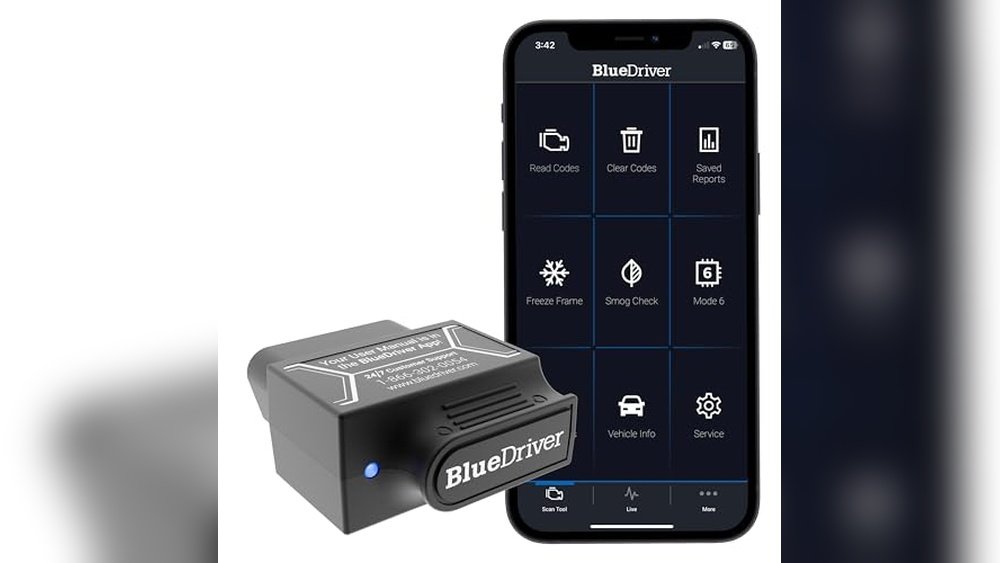
If you check and adjust all tires and the light stays on, or if a scan tool reads a sensor error, one or more sensors may be bad. Most auto shops can test TPMS sensors.
Do I Need To Reset The Tpms After Every Tire Rotation?
Usually, the system will relearn the new positions automatically after driving a few miles. If the light comes on, check your pressures and drive for 10 20 minutes.
Where Can I Find More Information About My Jeep Compass’s Tpms?
For more details, visit the National Highway Traffic Safety Administration for official guidelines on TPMS.
Resetting the low tire pressure light on your Jeep Compass is simple if you follow the right steps. Always check your tire pressures first, use quality tools, and pay attention to the warning signs your car gives you.
By keeping your tires properly inflated, you’ll enjoy safer driving, better fuel economy, and longer-lasting tires.
If the light refuses to turn off, don’t hesitate to ask a professional for help sometimes a small fix can prevent a big problem on the road.