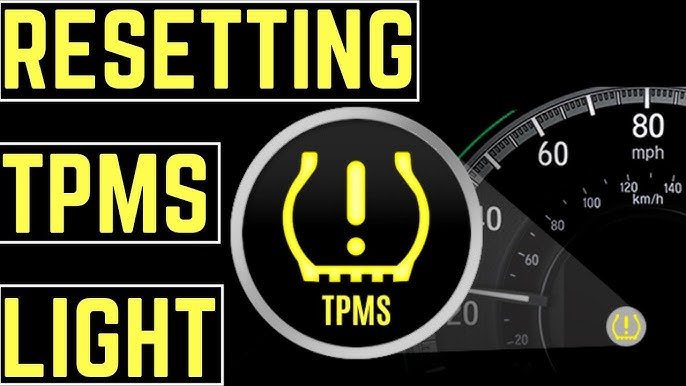
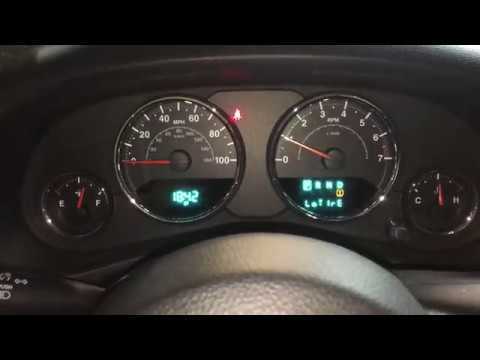
If you drive a 2014 Jeep Patriot, you may have noticed the low tire pressure warning light on your dashboard. This small symbol looks like a horseshoe with an exclamation mark and can cause unnecessary worry if you are not sure how to reset it.
Many drivers ignore it, but this warning is important for your safety and your car’s performance. Resetting the low tire light on your 2014 Jeep Patriot is not difficult, but there are some steps you should follow to do it right.
This guide will show you exactly what to do, explain why the light turns on, and help you avoid common mistakes.
Why Does The Low Tire Light Come On?
The low tire pressure light is part of your car’s Tire Pressure Monitoring System (TPMS). This system checks the air pressure in all four tires. If the pressure drops below a certain level, the warning light will turn on. Sometimes, the light can come on even if your tires look fine. This can happen when the weather changes quickly, especially in winter, or if you have a small leak.
Low tire pressure can cause problems like poor gas mileage, uneven tire wear, and less control on the road. That’s why you should always check your tires when the light comes on, not just reset it without looking.
Checking Tire Pressure On A 2014 Jeep Patriot
Before you reset the light, you need to make sure your tires have the correct pressure. For a 2014 Jeep Patriot, the recommended tire pressure is usually 32 psi (pounds per square inch) for all four tires. You can find this information on a sticker inside the driver’s door or in your owner’s manual.
Here’s how to check and adjust your tire pressure:
- Get a tire pressure gauge. You can find these at any auto parts store.
- Remove the valve cap on each tire.
- Press the gauge onto the valve stem and read the number.
- If the number is lower than 32 psi, add air at a gas station or with a home compressor.
- If the number is higher, release air until you reach the right pressure.
- Replace the valve caps.
Make sure to check all four tires, and don’t forget the spare tire if your Patriot has a full-size spare with a sensor.
How To Reset The Low Tire Light
Once all your tires are at the correct pressure, the TPMS light should turn off after you drive for a few minutes. However, sometimes the light stays on. Here are the steps to manually reset it:
Step 1: Turn The Ignition To “on”
Start by sitting in the driver’s seat and turn the key to the “On” position, but don’t start the engine yet. Wait for the warning lights on the dashboard to come on.
Step 2: Drive At 15 Mph Or Faster
Most 2014 Jeep Patriot models will reset the TPMS system automatically after driving for about 10 minutes at 15 mph or faster. Choose a safe road and drive at a steady speed.
Step 3: Turn The Car Off And On Again
After driving, turn the car off, wait a minute, and then start it again. The light should be off.
If it’s still on, try the process again or check the tire pressure one more time.
Step 4: Reset With A Tpms Reset Tool (if Needed)
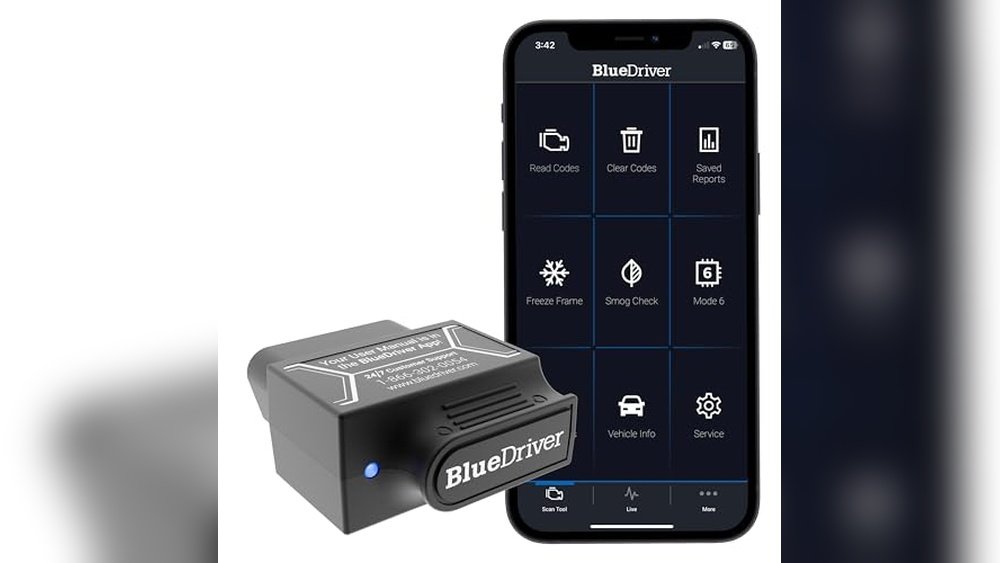
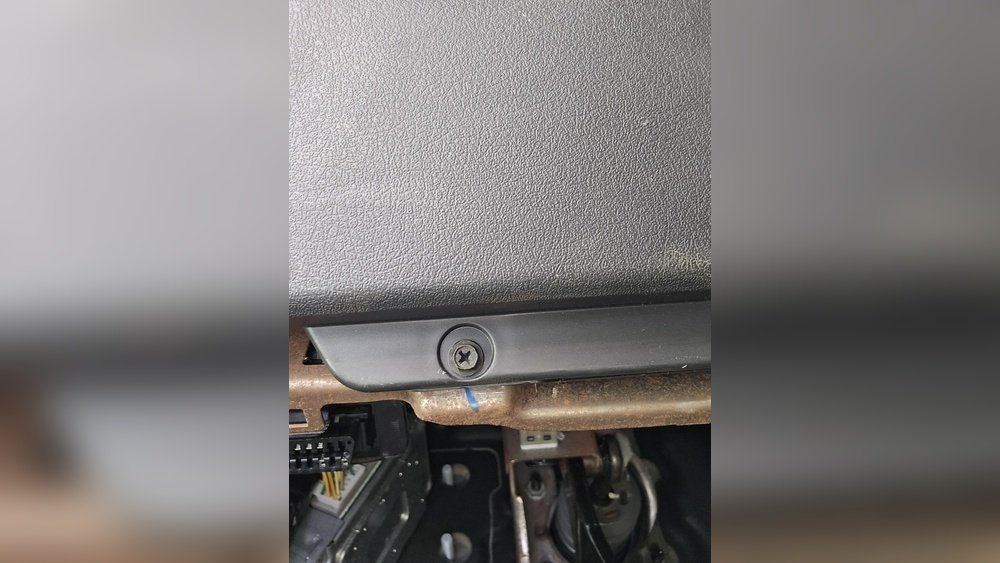
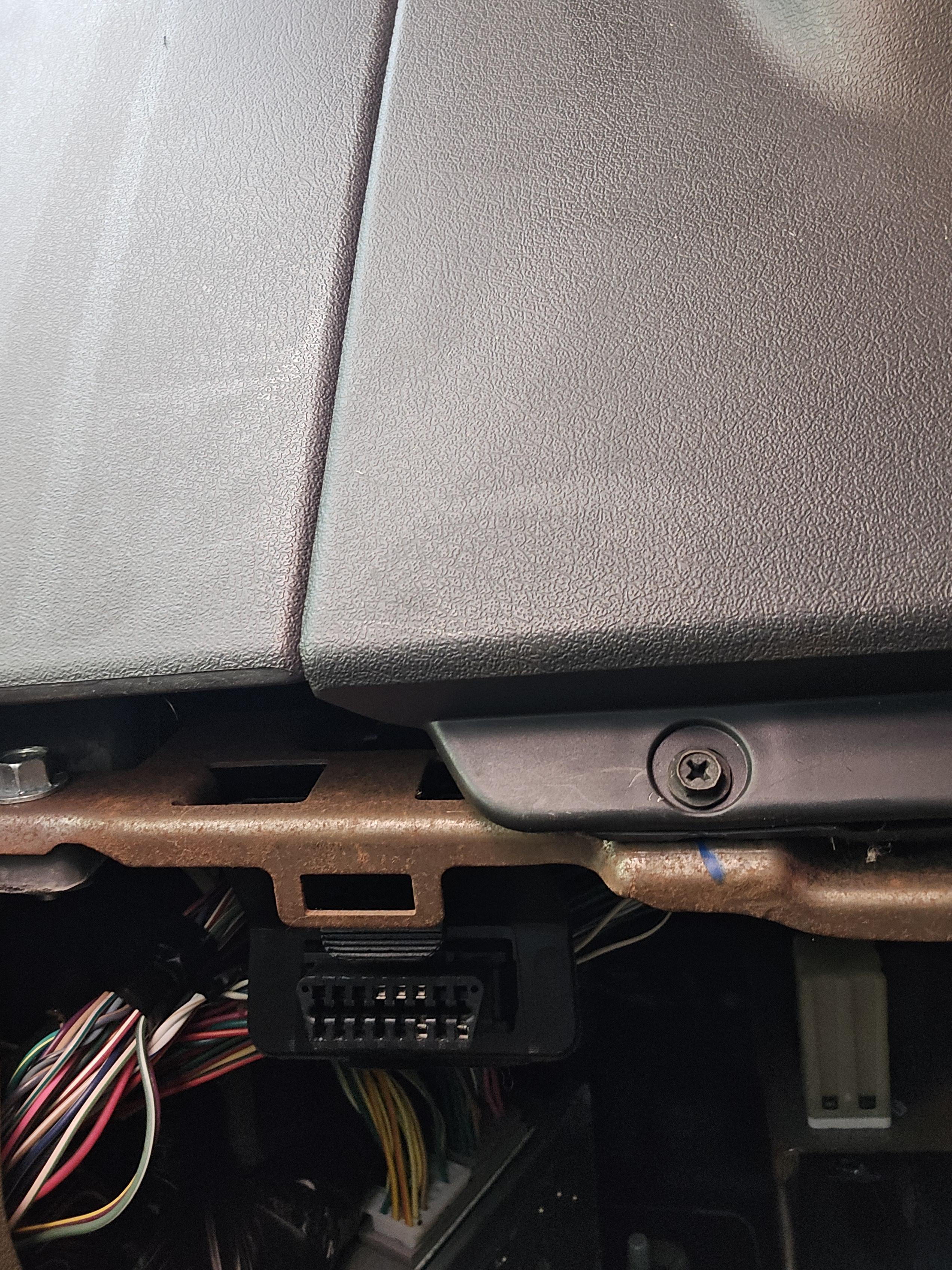
If the light still will not turn off, you can try using a TPMS reset tool. This device can be bought online or at auto shops. Plug it into the OBD-II port under your dashboard and follow the tool’s instructions. This isn’t needed for most people, but it can help if the system is stuck.
When The Light Won’t Turn Off
Sometimes, the low tire light stays on even after you fix the pressure. Here are some reasons why this might happen:
- A damaged tire sensor: If a sensor is broken or missing, the system will not reset.
- A dead battery inside the sensor: TPMS sensors have small batteries that can die after several years.
- Electrical problems: Rarely, wiring or fuse issues can affect the system.
If you’ve checked the pressure and used a reset tool but the light is still on, it’s best to visit a mechanic. They have special scanners to see which sensor is causing the issue.
Common Mistakes When Resetting The Low Tire Light
Many Jeep Patriot owners make simple mistakes when trying to reset the light. Avoid these errors for a smoother process:
- Not checking all tires: Sometimes only one tire is low, but you must check all four.
- Ignoring the spare tire: If your spare has a sensor, low pressure in the spare can trigger the light.
- Resetting before adding air: Always fix the pressure first, then reset.
- Not driving long enough: Some drivers don’t drive far enough for the system to reset.
How Tpms Sensors Work On The 2014 Jeep Patriot
The 2014 Jeep Patriot uses direct TPMS sensors inside each wheel. These sensors send real-time pressure data to your car’s computer. If one sensor fails, the system cannot show which tire is low—it just turns on the warning light. Most Patriots do not display individual tire pressures on the dashboard, only the warning light.
Here’s a comparison of direct vs. indirect TPMS systems:
| Type | How It Works | Used on 2014 Jeep Patriot? | Accuracy |
|---|---|---|---|
| Direct TPMS | Sensor inside each tire sends pressure data | Yes | High |
| Indirect TPMS | Uses ABS to estimate pressure | No | Medium |
How Weather Affects Tire Pressure
A sudden drop in temperature can lower the air pressure in your tires and trigger the light. For every 10°F drop in temperature, tire pressure drops about 1 psi. If you live in a place with cold mornings and warm afternoons, you might see the light turn on in the morning and off later.
Here’s how temperature changes can affect your tires:
| Outside Temperature | Expected Tire Pressure Drop | Should You Add Air? |
|---|---|---|
| 70°F to 50°F | 2 psi | Yes |
| 50°F to 30°F | 2 psi | Yes |
| 30°F to 10°F | 2 psi | Yes |
Always check your tires when the seasons change, not just when the light comes on.
Using Aftermarket Wheels Or Tires
If you change your wheels or tires, make sure the new ones have compatible TPMS sensors. Some aftermarket wheels do not fit the factory sensors, or the sensors can break during installation. Always ask your tire shop to reset the system after new sensors are installed.
How To Tell Which Tire Is Low
The 2014 Jeep Patriot does not show you which tire is low on the dashboard. You must check each tire with a gauge.
Some advanced TPMS tools can read the sensor codes and tell you which tire is causing the light, but most drivers use a gauge for all four tires.
What If You Don’t Fix The Low Tire Light?
Driving with the low tire light on is risky. Here’s why:
- Lower fuel economy: Low pressure makes your engine work harder.
- Faster tire wear: Tires wear out faster if they are not at the right pressure.
- Less control: Low tires can make steering and braking less safe.
- Possible fines: In some places, you can get a ticket if your car’s warning lights are ignored.
When To See A Mechanic
If you’ve checked everything and the light will not go off, it’s time to visit a professional. Here’s when you should get help:
- The light stays on after you add air and drive.
- You see a blinking TPMS light (not just solid).
- You changed wheels or tires and the system stopped working.
- You hear a hissing sound (tire leak).
A mechanic can scan your system, replace bad sensors, or fix wiring issues.
How Much Does It Cost To Fix Tpms Problems?
TPMS repairs can vary in price:
- New sensor: $50–$150 per tire
- Labor to install sensor: $20–$50 per tire
- TPMS reset tool: $40–$100 (one-time cost)
Ask your shop for an estimate before repairs. Some shops offer free resets with tire service.
Here’s a quick cost comparison:
| Service | Average Cost | Is It Required? |
|---|---|---|
| Add air to tires | Free–$5 | Yes |
| Replace TPMS sensor | $50–$150 | Only if broken |
| Reset TPMS with tool | $40–$100 | No, but helps |
Non-obvious Insights For Jeep Patriot Owners
- TPMS sensors have batteries that last about 7–10 years. If your sensors are original from 2014, they might start to fail now. Plan for sensor replacement if the light keeps coming on.
- After a tire rotation or replacement, the TPMS system may take a few miles to re-learn the sensor locations. Be patient and drive for a while before assuming there’s a problem.
Additional Resources
If you want to read more about TPMS and tire safety, the National Highway Traffic Safety Administration offers official guidance.
Frequently Asked Questions
Why Does My Low Tire Pressure Light Come On In Cold Weather?
Cold air makes the air inside your tires contract, lowering the pressure. This can trigger the TPMS light even if your tires are not leaking. Check and add air as needed when temperatures drop.
How Do I Know If My Tpms Sensor Is Bad?
If the light stays on after filling your tires and driving, or if the light blinks for 1 minute then stays solid, you may have a bad sensor. A mechanic can check the sensor with a scan tool.
Can I Drive With The Low Tire Light On?
It is not safe. Driving with low pressure can cause tire blowouts, poor handling, and bad gas mileage. Fix the problem as soon as possible.
Will The Low Tire Light Reset Itself?
Yes, in most cases. After you set all tires to the correct pressure and drive for 10 20 minutes, the light should turn off automatically.
If not, try a manual reset or see a mechanic.
What If The Light Comes On After Changing Tires?
New tires or wheels may have sensors that need to be programmed. Ask your tire shop to check and reset the system if the light stays on after new tire installation.
Taking care of your 2014 Jeep Patriot’s TPMS is a small step that can save you from bigger problems on the road. With these steps and tips, you can handle the low tire light with confidence and keep your drive safe.