The low tire light on your 2012 Jeep Wrangler can be stressful, especially if you’re unsure how to reset it. This warning means your Tire Pressure Monitoring System (TPMS) has detected a tire with low air pressure. Ignoring the light can lead to poor handling, decreased fuel efficiency, and unsafe driving conditions. Resetting the low tire light is simple, but it’s essential to follow the correct steps to ensure your TPMS works accurately. Let’s walk through everything you need to know and do, including practical tips that most drivers overlook.
Why The Low Tire Light Turns On
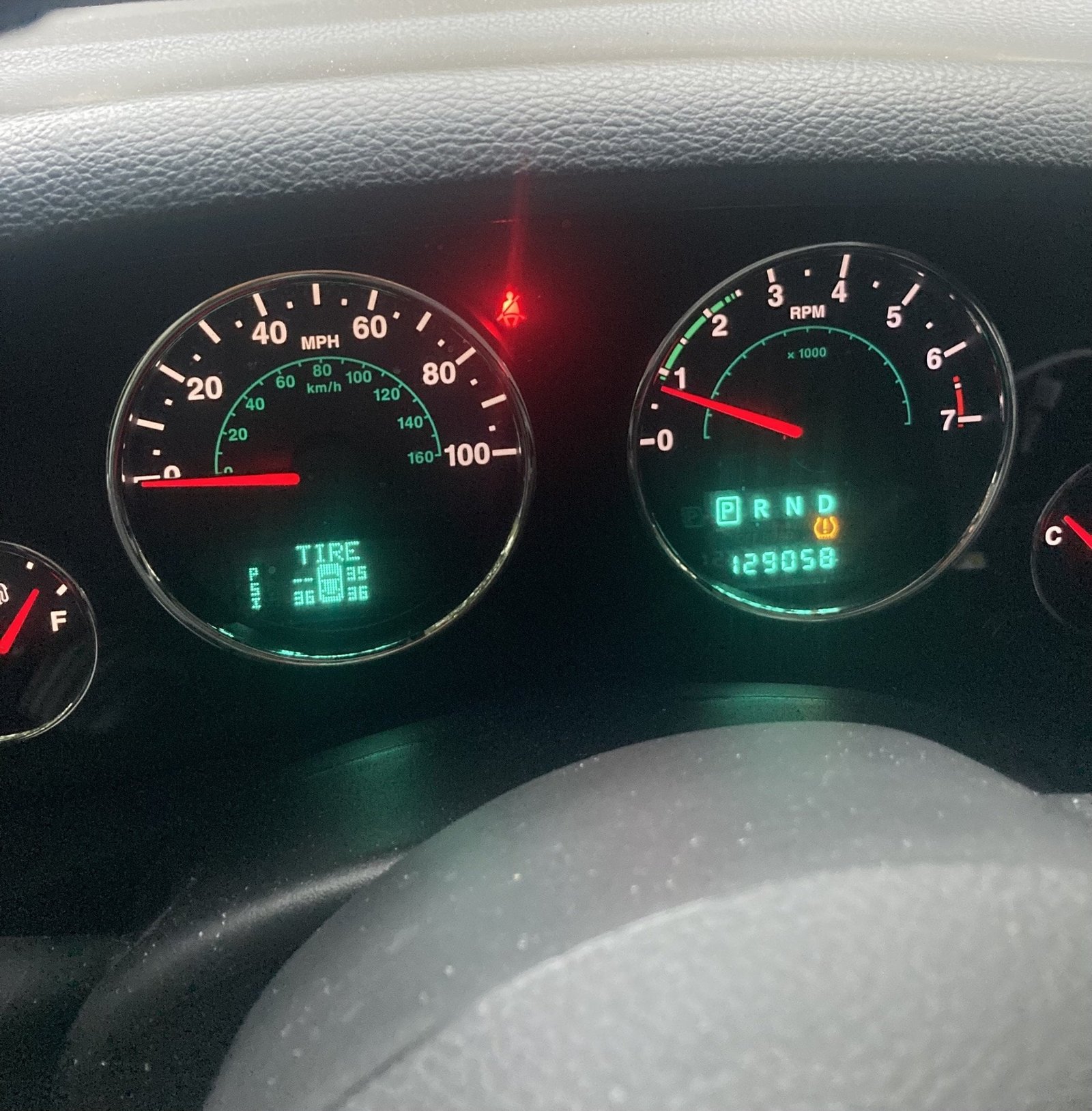
Your Jeep Wrangler’s TPMS checks air pressure in each tire. If any tire drops below the recommended PSI (usually around 35 psi for most 2012 Wranglers), the system triggers the warning light on your dashboard. Sometimes, the light appears due to:
- Cold weather causing air contraction
- A slow leak or puncture
- Recent tire rotation or replacement
- Faulty TPMS sensor
Understanding why the light comes on helps you address the root cause, not just reset the warning.
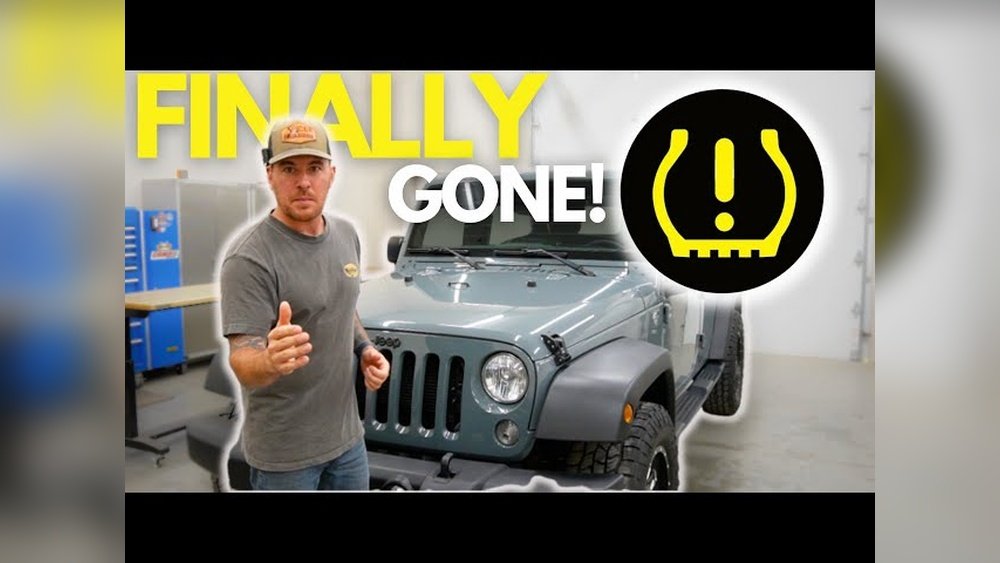
Steps To Reset The Low Tire Light On 2012 Jeep Wrangler
Resetting the low tire light involves more than just pushing a button. Here’s a straightforward guide:
1. Check All Tires
Use a reliable gauge to check the pressure in all four tires (including the spare if your Jeep’s TPMS covers it). The recommended PSI is usually on a sticker inside the driver’s door.
2. Inflate Tires To Correct Psi
If any tire is below the recommended level, use an air compressor to fill it. Overinflating can cause uneven wear, so aim for the exact PSI.
3. Drive For 10-15 Minutes
After inflating, drive your Jeep at speeds above 15 mph. This helps the TPMS sensors re-calibrate and recognize the new pressure.
4. Turn Off And Restart The Vehicle
Sometimes, simply turning off the engine and restarting will reset the light after pressure correction.
5. Manual Reset (if Needed)
If the light stays on, locate the TPMS reset button (usually under the steering wheel). Hold it down until the light blinks three times, then release.
6. Check For Sensor Issues
If the light persists, a faulty sensor may be to blame. Professional diagnostic tools can help, or visit a mechanic.
Non-obvious Tips
- Don’t forget the spare tire: Some 2012 Wranglers have TPMS sensors in the spare, and low pressure there can trigger the light.
- Temperature matters: Tire pressure drops in cold weather. Check tires when they’re cold, not after driving.
Comparing Tpms Reset Methods
Different TPMS systems have unique reset requirements. Here’s a quick comparison:
| Reset Method | Time Required | Reliability |
|---|---|---|
| Automatic (after driving) | 10-15 minutes | High |
| Manual button | 30 seconds | Medium |
| Professional scan tool | 5-10 minutes | Very high |
Most drivers find the automatic reset works, but manual or professional methods may be needed if the system is stubborn.
Common Mistakes To Avoid
Resetting the low tire light seems easy, but beginners often make these mistakes:
- Ignoring the cause: Resetting without fixing the low pressure can damage tires.
- Using incorrect PSI: Always use the Jeep’s recommended pressure, not the tire’s maximum.
- Skipping sensor checks: Faulty sensors can make the light reappear.
Data: How Often Does The Low Tire Light Appear?
On average, drivers report the low tire light comes on:
| Condition | Frequency (per year) | Reason |
|---|---|---|
| Cold weather | 2-3 times | Air contraction |
| Tire damage | 1 time | Puncture/leak |
| Normal maintenance | 1 time | Tire rotation |
Knowing these numbers can help you prepare for regular tire checks.
When To Seek Professional Help
If you’ve tried all steps and the light won’t reset, your TPMS sensors may need replacement. Mechanics use scan tools to identify sensor issues, which can save time and frustration.
For some Jeep models, sensors have batteries that wear out after 5-7 years.
Replacing TPMS sensors usually costs between $50-$150 per tire.
Practical Example: Reset Scenario
Imagine you notice the low tire light during a cold morning commute. You check all tires and find one at 28 psi (below the recommended 35 psi).
After inflating, you drive for 15 minutes, but the light stays on. You use the manual reset button, and it finally turns off.
This shows the importance of following each step and not skipping the drive or manual reset.
Additional Insights
Many drivers don’t realize that aftermarket wheels can cause TPMS errors if sensors aren’t compatible. Also, using tire sealants may temporarily fix a leak but can damage sensors, leading to more warning lights.
Always choose sensors that match your Jeep’s specifications.
For more detailed info, visit the official Jeep site: Jeep Owners.
Frequently Asked Questions
How Do I Know Which Tire Is Causing The Low Tire Light?
Most 2012 Wranglers don’t show the exact tire on the dashboard. Use a gauge to check each tire, including the spare.
Can I Drive With The Low Tire Light On?
It’s risky. Low pressure can cause blowouts, poor fuel economy, and uneven tire wear. Always fix the cause before driving far.
How Long Does It Take For The Tpms To Reset After Inflating Tires?
Usually, 10-15 minutes of driving at normal speeds. Manual reset may make it faster.
Do I Need Special Tools To Reset The Low Tire Light?
No, but a tire pressure gauge and access to an air compressor help. Professional scan tools are only needed for sensor issues.
What If The Low Tire Light Still Won’t Turn Off?
You may have a faulty TPMS sensor or wiring problem. Visit a mechanic for diagnosis and possible sensor replacement.
Resetting the low tire light on your 2012 Jeep Wrangler is simple once you know the steps. Regular tire checks and understanding your TPMS system keep your Jeep safe and efficient. Don’t ignore the warning—fix the cause, follow the reset process, and enjoy worry-free driving.


















