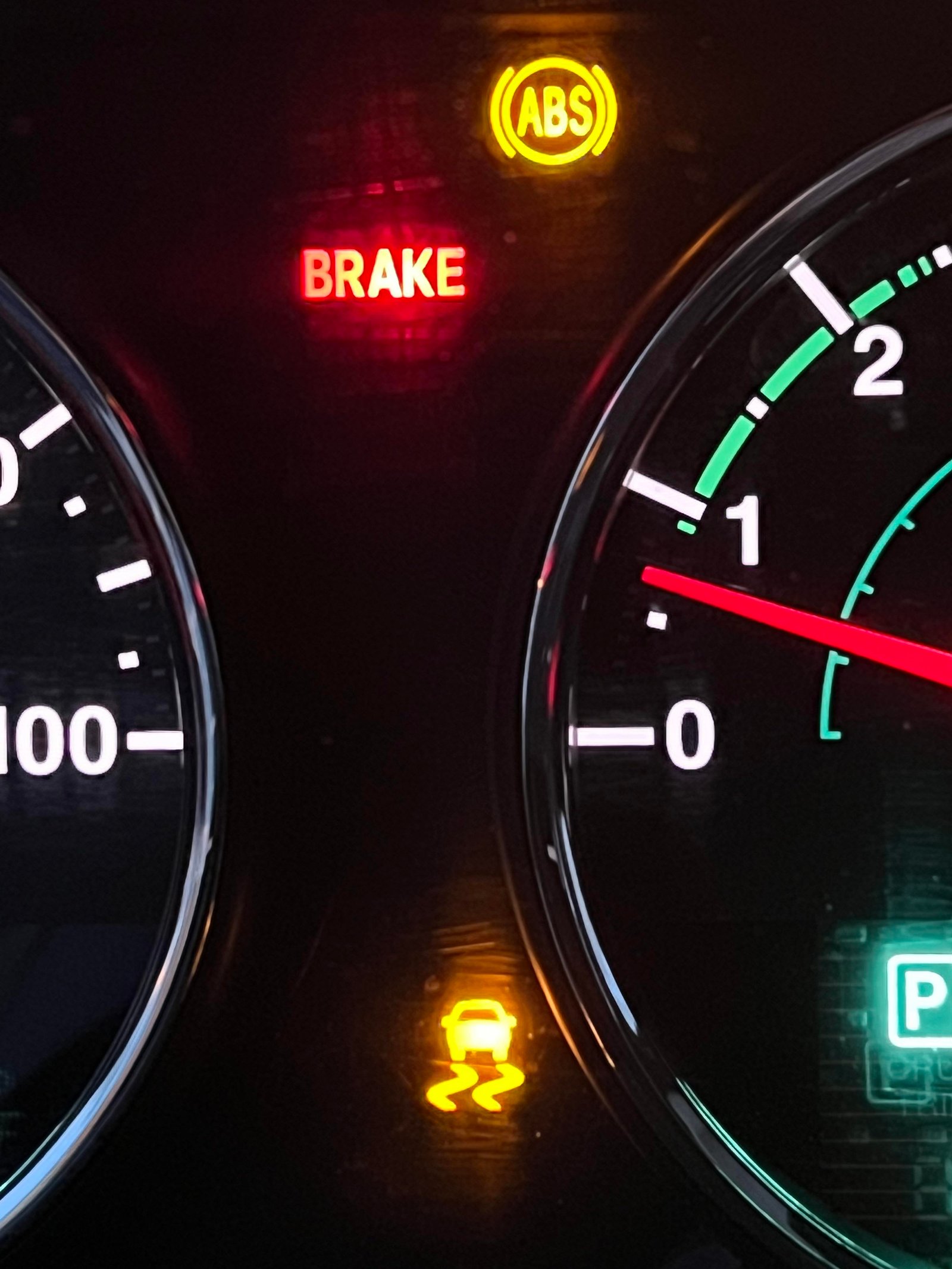
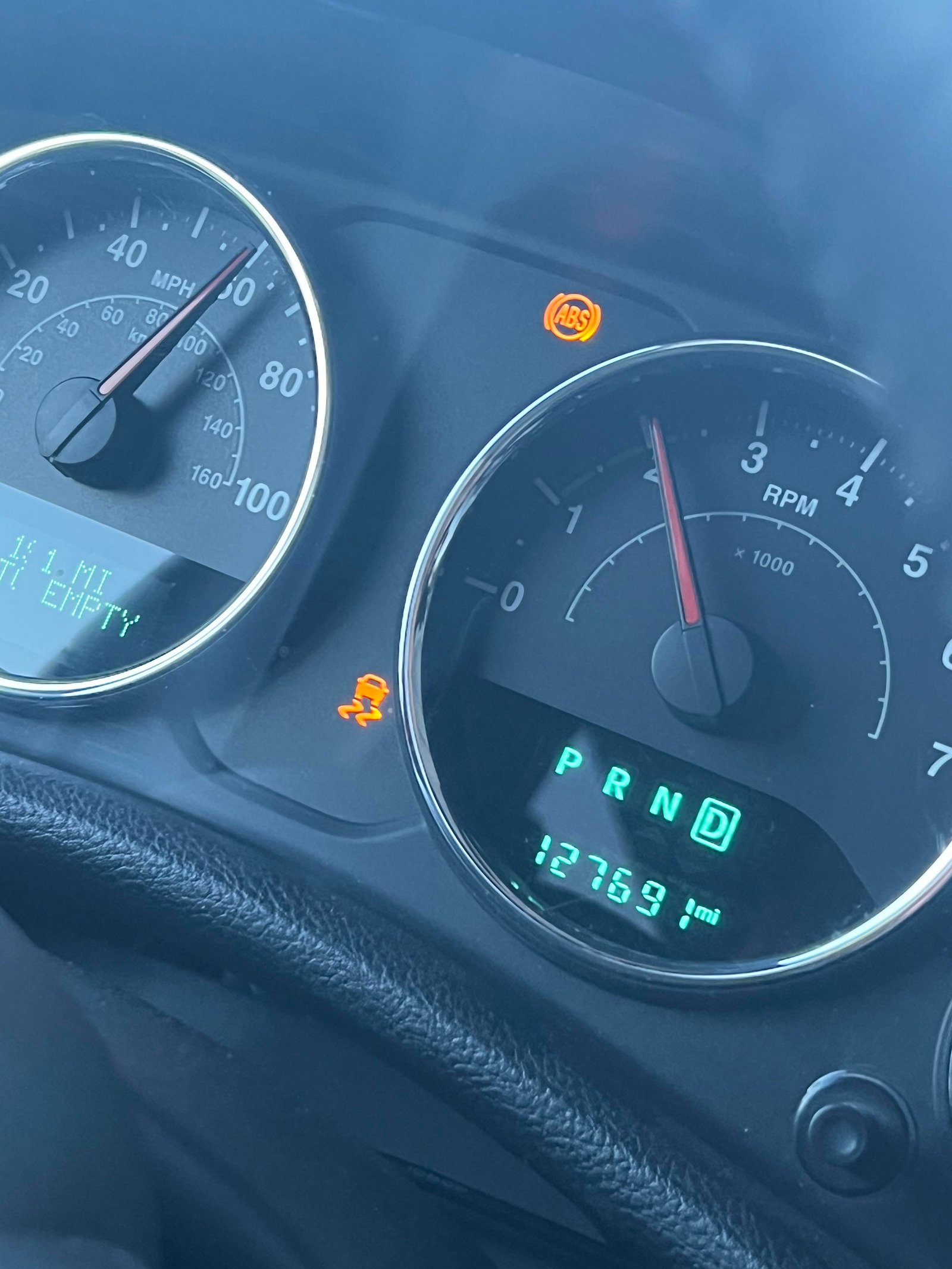
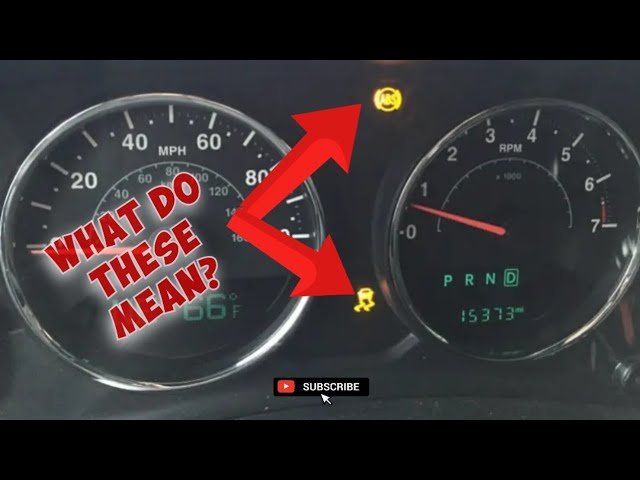
If you’ve noticed the ABS light glowing on your Jeep Wrangler’s dashboard, you’re probably wondering what it means and how to turn it off. The ABS light isn’t just a simple warning, it signals a problem with your anti-lock braking system that needs your attention.
Ignoring it could affect your Jeep’s braking performance and safety. But don’t worry, you don’t have to be a mechanic to fix this.
In this guide, you’ll learn easy-to-follow steps to diagnose the cause, make basic repairs, and reset the ABS light so your Jeep Wrangler is back to running smoothly.
Keep reading, and you’ll have your ABS light off in no time.
Abs Light Causes
The ABS light on a Jeep Wrangler signals a problem with the braking system. Understanding the causes helps in fixing it correctly.
The light comes on when the vehicle’s computer finds a fault. This section explains common reasons behind the ABS light activation.
Common Faults Triggering Abs Light
The ABS light can come on due to various faults. Faulty sensors, wiring problems, or damaged components often trigger the warning.
Sometimes, low brake fluid or worn brake pads cause the light to appear. Diagnosing the exact cause is important before resetting the light.
Ignoring the issue can lead to unsafe driving conditions.
Wheel Speed Sensor Issues
Wheel speed sensors measure each wheel’s speed to control ABS. Dirt, grease, or damage to these sensors can cause errors.
A leaking rear axle seal may get grease on the sensor, affecting its signal. Broken wires or poor connections also disrupt sensor data.
Faulty sensors often cause the ABS light to stay on. Checking and cleaning sensors can solve many ABS problems.
Steering Angle And Alignment Problems
The steering angle sensor tracks the wheel direction for ABS adjustments. If the steering wheel is off-center, the sensor sends wrong data.
Installing a lift kit or poor wheel alignment can cause this issue. The ABS system may think there is a fault and turn the light on.
Realigning the wheels or recalibrating the steering sensor can clear the warning.
Diagnosing Abs Problems
Diagnosing ABS problems is the first step to reset the Jeep Wrangler ABS light. The light appears when the vehicle’s computer finds an issue in the anti-lock braking system.
Identifying the root cause helps avoid unnecessary repairs and keeps your Wrangler safe on the road.
The ABS system relies on sensors and wiring to monitor wheel speed and brake function. Faulty parts or damaged wiring often trigger the warning light.
By following simple diagnostic steps, you can find and fix these problems effectively.
Using An Obd-ii Scanner
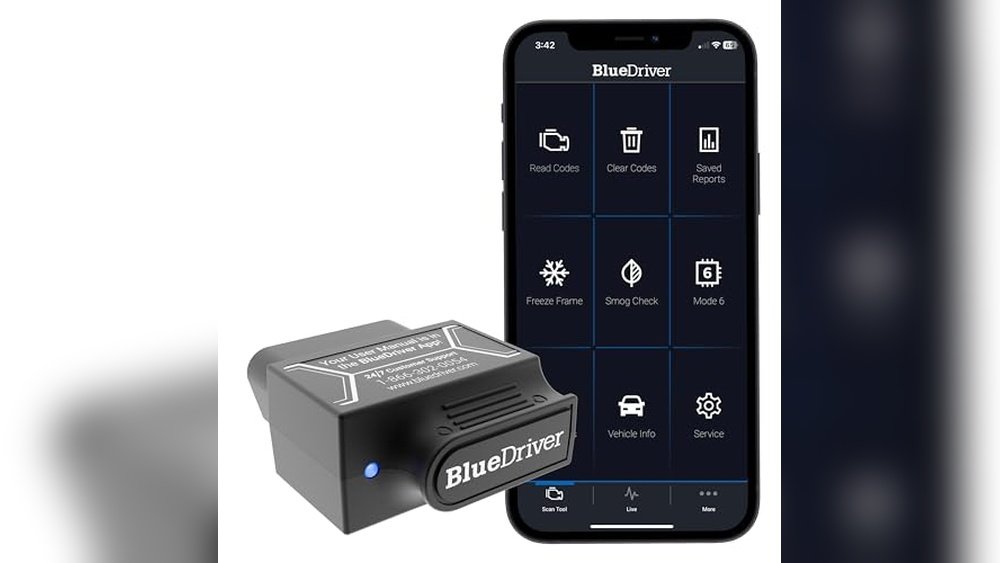
An OBD-II scanner reads fault codes from your Jeep’s computer. These codes point to specific ABS system issues.
Connect the scanner to the vehicle’s port, usually under the dashboard.
Turn on the ignition without starting the engine. Use the scanner to retrieve ABS codes.
The codes help identify if a wheel speed sensor or another part is causing the problem.
Write down the codes for reference. Some scanners offer a description of the fault, making it easier to understand the issue.
Clearing the codes after repair resets the ABS light.
Inspecting Wheel Speed Sensor Wiring
Wheel speed sensors play a key role in the ABS system. They send data about each wheel’s rotation to the computer.
Damaged or loose wiring can cause false readings or no signal at all.
Visually check the wiring harness near each wheel speed sensor. Look for cuts, frayed wires, or signs of wear.
Wiggle the wires gently to test for loose connections.
Repair any damaged wiring by splicing or replacing sections. Secure loose wires away from moving parts and heat sources.
Proper wiring ensures accurate sensor signals and stops the ABS light.
Checking Rear Axle Seal For Leaks
A leaking rear axle seal can cause trouble for the ABS system. Grease or oil from the leak can coat the wheel speed sensor and interfere with its operation.
This contamination often triggers the ABS warning light.
Inspect the rear axle area for signs of fluid leaks. Look for wet or greasy spots near the axle seal and sensor.
Clean the sensor carefully if it is covered in grime.
Replace the axle seal if a leak is found. Fixing the leak prevents further contamination and sensor damage.
After repairs, the ABS light should turn off once the system resets.
Repairing Common Faults
Repairing common faults is key to resetting the Jeep Wrangler ABS light. The light often signals a problem with the ABS system.
Identifying and fixing these issues clears the warning and restores safety functions.
Many ABS faults come from sensor or wiring problems. Addressing these faults prevents further damage and keeps your Jeep safe on the road.
Below are common repairs to help fix ABS issues effectively.
Replacing Faulty Wheel Speed Sensors
Wheel speed sensors monitor the speed of each wheel. A faulty sensor sends wrong signals to the ABS computer. This triggers the ABS warning light.
To replace a sensor, locate the damaged unit near the wheel hub. Disconnect the old sensor and unplug its wiring harness.
Install the new sensor and reconnect the wiring. Test drive the Jeep to see if the ABS light turns off.
Fixing Wiring Damage
Damaged wiring can cause intermittent ABS faults. Look for cuts, frays, or corrosion on sensor wires.
Repair small breaks by splicing and soldering wires. Use electrical tape or heat shrink tubing to insulate repairs.
For severe damage, replace the entire wiring section. Check connectors for dirt or rust.
Clean or replace connectors to ensure good contact. Proper wiring fixes restore accurate sensor data to the ABS system.
Addressing Steering Angle Sensor Errors
The steering angle sensor tracks wheel direction. Errors here confuse the ABS system and light the warning.
This sensor can misalign after steering repairs or lifts.
Reset the sensor by centering the steering wheel. Use a scan tool to recalibrate the steering angle sensor.
This process clears errors and syncs the sensor with the vehicle’s position. Proper calibration stops false ABS warnings.
Resetting The Abs Light
Resetting the ABS light on your Jeep Wrangler is a key step after fixing any related issues. The ABS light signals that the anti-lock braking system has detected a problem.
Clearing this warning light confirms your repairs worked and lets you drive with confidence. This section explains how to reset the ABS light using different methods.
Clearing Codes With A Scanner
Using an OBD-II scanner is the easiest way to reset the ABS light. First, plug the scanner into the Jeep’s diagnostic port.
Turn on the ignition but do not start the engine. Follow the scanner’s menu to read the ABS trouble codes. Write down the codes for reference.
After repairing the issue, reconnect the scanner. Select the option to erase or clear the ABS codes.
This action will turn off the ABS warning light. If the light returns, the problem may still exist or a new issue may have appeared.
Manual Abs Light Reset Steps
Sometimes, a manual reset can work if you lack a scanner. Start by turning off the engine.
Disconnect the Jeep’s battery by removing the negative cable. Wait for about 15 minutes.
This pause allows the vehicle’s computer to reset.
Reconnect the battery cable and tighten it securely. Start the Jeep and check if the ABS light stays off.
This method resets the vehicle’s electronic systems but does not fix underlying issues. Always fix the root cause before trying a manual reset.
When To Seek Professional Help
If the ABS light stays on after clearing codes or manual resets, professional help is necessary. Complex ABS problems require specialized tools and knowledge.
A mechanic can diagnose sensor faults, wiring issues, or hydraulic failures.
Ignoring the ABS light can lead to unsafe braking conditions. Visit a trusted auto repair shop in Austin, Texas, for expert inspection.
Early diagnosis can prevent costly repairs and keep your Jeep Wrangler safe on the road.
Driving With Abs Light On
Driving with the ABS (Anti-lock Braking System) light on in your Jeep Wrangler requires caution. The light signals a problem with the ABS system.
This system helps prevent wheel lockup during hard braking. Without it, braking performance can change, especially on slippery roads.
Safety Considerations
When the ABS light is on, the system may not work properly. You can still brake normally, but the wheels might lock under heavy braking.
This can increase stopping distance and reduce control. Drive slower than usual and keep extra space from other vehicles.
Avoid sudden stops or sharp turns to reduce risks.
Potential Impact On Traction Control
The ABS system often works with traction control. If the ABS light is on, traction control may also be disabled.
This can affect your Jeep’s ability to handle slippery or uneven surfaces. Your Wrangler may slide more easily on wet or icy roads. Be extra careful in these conditions.
Temporary Driving Tips
Keep your speed low and steady. Avoid hard braking unless necessary.
Brake gently and steadily to prevent wheel lockup. Watch the road ahead and anticipate stops early.
If the ABS light flashes while driving, pull over safely and turn off the engine. Restart the Jeep to see if the light resets.
Seek professional help as soon as possible to fix the issue.
Conclusion
Resetting the ABS light on your Jeep Wrangler is straightforward. First, fix the root cause of the warning.
Use a scan tool to find any fault codes. Check wheel speed sensors and wiring carefully.
After repairs, clear the codes with your OBD-II scanner.
Remember, driving with the ABS light on may reduce safety. Regular checks keep your Jeep's braking system reliable.
Stay safe and maintain your vehicle well for the best performance.