Owning a Jeep means enjoying adventure, ruggedness, and reliability. But like any car, a Jeep comes with its own set of quirks. One common issue many owners face is the tire pressure light. If it pops up on your dashboard, it can be annoying—and sometimes confusing. The good news? You can reset it yourself, saving time and money. Here’s a practical, step-by-step guide to help you understand why the light turns on, how to fix it, and what to do if it won’t turn off.
Why Does The Jeep Tire Pressure Light Come On?
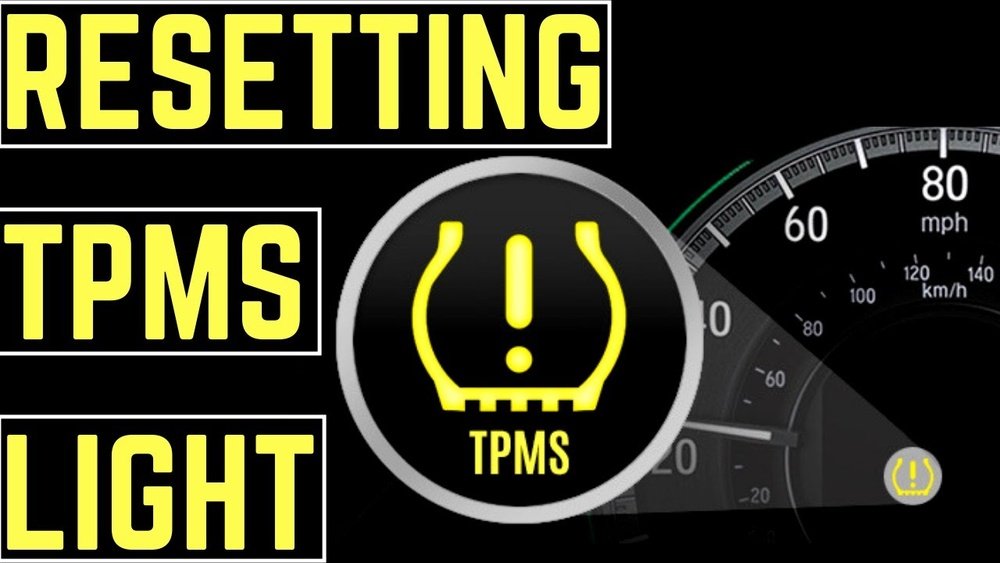
The tire pressure monitoring system (TPMS) is built to keep you safe. It senses when your tire pressure drops below the recommended level. If it does, the system alerts you with a warning light. This helps prevent accidents caused by under-inflated tires, which can affect handling, fuel economy, and even cause blowouts.
There are several reasons the light might come on:
- One or more tires are under-inflated
- Sudden temperature changes lower tire pressure
- Damaged or faulty TPMS sensors
- Tire rotation or replacement without proper sensor reset
A study from the National Highway Traffic Safety Administration (NHTSA) shows that under-inflated tires can reduce fuel efficiency by up to 3%, and increase the risk of a tire-related crash.
Understanding Your Jeep’s Tpms
Jeeps use two main types of TPMS:
- Direct TPMS: Sensors inside each tire measure air pressure and send data to your car’s computer.
- Indirect TPMS: Uses wheel speed sensors to estimate pressure changes.
Most Jeep models from 2007 onwards use direct TPMS. Knowing which system your Jeep uses helps you follow the right reset steps.
Here’s a quick comparison of the systems:
| TPMS Type | How It Works | Common Jeep Models | Accuracy |
|---|---|---|---|
| Direct TPMS | Reads air pressure from sensors inside tire | Wrangler, Cherokee, Grand Cherokee | High |
| Indirect TPMS | Estimates pressure from wheel speed | Older models | Medium |
Checking Tire Pressure: The First Step
Before resetting, check your tire pressure with a digital gauge. Do not rely only on the TPMS reading. Jeep recommends these PSI levels for popular models:
| Model | Recommended PSI (Front) | Recommended PSI (Rear) |
|---|---|---|
| Wrangler | 35 | 35 |
| Cherokee | 33 | 33 |
| Grand Cherokee | 36 | 36 |
| Compass | 32 | 32 |
Always check when tires are cold (not driven for at least 3 hours), because heat can increase the pressure and give false readings.
How To Reset Jeep Tire Pressure Light: Step-by-step
Ready to reset? Here’s how to do it, even if you’re not a car expert.
The process works for most Jeep models, but always check your owner’s manual for your exact car.
1. Inflate All Tires To The Correct Psi
Use a reliable air pump. Fill each tire to the recommended PSI, including the spare tire if your Jeep has a sensor there. Many Jeep owners forget the spare, which can keep the light on.
2. Drive Your Jeep
After inflating, drive your Jeep at speeds above 15 mph for at least 10 minutes. This lets the sensors recalibrate and update the car’s computer.
Most tire pressure lights turn off automatically after this step.
3. Manual Reset (if Needed)
Some Jeep models have a TPMS reset button. It’s usually under the steering wheel or near the fuse box. If your model has one:
- Turn the ignition to ON (do not start the engine)
- Press and hold the TPMS reset button for 5 seconds
- Release the button
- Start the engine and drive for 10-30 minutes
4. Disconnect The Battery (advanced Option)
If the light stays on, disconnect the negative battery cable for 10 minutes. This resets the car’s computer.
Be careful this step erases radio settings and clock, and should only be used if other methods fail.
5. Scan For Tpms Error Codes
If all else fails, use an OBD-II scanner to check for sensor errors. Most auto parts stores offer free scanning. This helps find out if a sensor is broken or needs replacement.
Common Mistakes Jeep Owners Make
Resetting the tire pressure light isn’t complicated, but these mistakes can waste your time:
- Ignoring the spare tire: Many Jeeps have a sensor in the spare tire.
- Not checking pressure when tires are cold: Heat gives false readings.
- Using cheap gauges: Inaccurate gauges can make you think your tires are full when they’re not.
- Skipping manual reset: Some models need a manual reset after inflating.
- Changing tires without sensor transfer: If you switch tires, make sure sensors move to the new wheels.
What If The Light Won’t Turn Off?
Sometimes, the tire pressure light stays on even after you’ve reset it. Here’s what could be wrong:
- Faulty TPMS sensor: Sensors last 5-10 years, but can fail sooner.
- Dead sensor battery: Direct TPMS sensors have batteries that die.
- Wiring or computer issue: Rare, but can happen after repairs or accidents.
- Aftermarket wheels: Not all aftermarket wheels fit Jeep sensors.
If you suspect a sensor issue, visit a certified Jeep dealer or tire shop. They can test and replace sensors as needed. The average cost for a new TPMS sensor is $50-$100 per tire.

How Weather Affects Tire Pressure
Cold weather lowers tire pressure. For every 10°F drop in temperature, pressure falls by about 1 PSI.
If you live in a cold area, check your tires more often. In winter, tire pressure changes can trigger the light, even if nothing is wrong.
This is normal, but should always be checked.
How Tpms Benefits Your Safety
TPMS isn’t just a warning light—it’s a safety system. NHTSA data shows that vehicles with TPMS have 55% fewer tire-related accidents compared to those without. Proper tire pressure improves:
- Handling
- Braking distance
- Fuel efficiency
- Tire life
Ignoring the light can risk your safety and cost you more in repairs or gas.
Jeep Tire Pressure Light And Off-roading
If you love off-roading, you may lower your tire pressure for better traction. This triggers the light.
After off-roading, always reinflate tires to normal PSI and reset the TPMS. Some experienced Jeep owners buy TPMS bypass kits, but these can void your warranty and are not recommended for daily driving.
Non-obvious Insights For Beginners
Many new Jeep owners miss these points:
- TPMS sensors are sensitive to tire rotation: Rotating tires without recalibrating the system can trigger the light. Ask your mechanic to reset sensors after rotation.
- TPMS sensors communicate wirelessly: Interference from other wireless devices (like garage openers) can sometimes cause false alerts.
Quick Comparison: Jeep Tpms Vs Other Brands
Wondering how Jeep’s TPMS stacks up? Here’s a brief look:
| Brand | TPMS Type | Average Sensor Cost | Reset Difficulty |
|---|---|---|---|
| Jeep | Direct | $60 | Easy |
| Ford | Direct | $80 | Medium |
| Honda | Indirect | $50 | Easy |
| Toyota | Direct | $70 | Medium |
Jeep’s TPMS is usually easier to reset than Ford or Toyota systems, which often require special tools.
When To Visit A Professional
If you’ve tried all steps and the light won’t turn off, professional help is needed. Certified mechanics have tools to:
- Test each sensor
- Replace faulty sensors
- Update your car’s computer
This ensures your Jeep remains safe and reliable. For more on tire safety and TPMS regulations, visit the official NHTSA TPMS page.
Frequently Asked Questions
How Long Does It Take For The Jeep Tire Pressure Light To Reset After Inflating Tires?
Usually, the light turns off within 10-30 minutes of driving at speeds above 15 mph. If it stays on longer, check for sensor issues or improper tire pressure.
Can I Reset The Tire Pressure Light Without Driving?
Most Jeeps require driving for the sensors to recalibrate. Some models with a manual reset button let you reset without driving, but it’s rare.
Is It Safe To Ignore The Tire Pressure Light If Tires Look Fine?
No. Even if tires look okay, low pressure may not be visible.
Ignoring the light can reduce safety and cause tire wear. Always check with a gauge.
How Often Should I Check Tire Pressure In My Jeep?
Check tire pressure at least once a month, and before long trips. In cold weather, check more often, since pressure drops quickly.
Do Aftermarket Wheels Affect The Tpms System?
Yes. Not all aftermarket wheels fit Jeep sensors.
Check compatibility before buying, or ask a tire shop to install sensors properly.
Resetting your Jeep tire pressure light is simple if you follow these steps. Remember, keeping the right tire pressure isn’t just about turning off a warning it keeps your Jeep safe, efficient, and ready for any adventure.
If you run into trouble, don’t hesitate to ask a professional.
Safe travels!


















