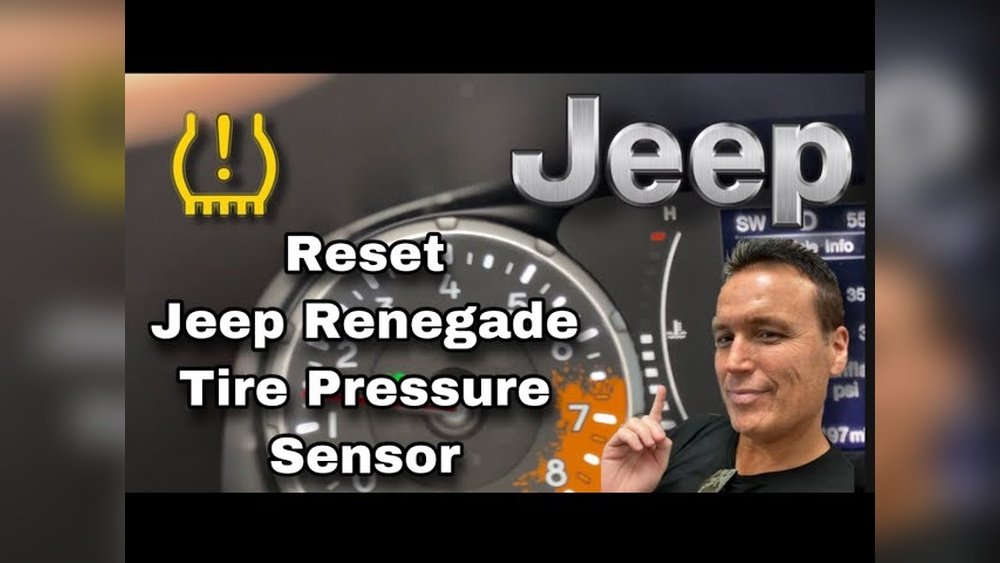
If you drive a Jeep Renegade, you know the tire pressure sensor is a small but important feature. It helps keep you safe by warning about low tire pressure. But sometimes, the sensor shows a warning even after fixing your tires. That’s when you need to reset the system. Many drivers feel confused about this process, but it’s actually simple if you follow the right steps. This guide will walk you through everything you need to know to reset your Jeep Renegade tire pressure sensor, avoid mistakes, and keep your vehicle safe.
Why Tire Pressure Sensors Matter
The tire pressure monitoring system (TPMS) in your Jeep Renegade checks the air pressure in each tire. If one or more tires are low, the dashboard warning light turns on. Driving with low tire pressure increases accident risk, reduces fuel efficiency, and wears out tires faster. According to the National Highway Traffic Safety Administration, TPMS reduces the likelihood of tire-related crashes by up to 11%.
Tire sensors can trigger a warning after you:
- Change tires or rotate them
- Refill air in tires
- Drive in extreme temperatures
Resetting TPMS ensures the system reads the correct pressure and keeps you safe.
Steps To Reset Jeep Renegade Tire Pressure Sensor
Resetting the TPMS in your Jeep Renegade can be done in a few minutes. Here is the step-by-step process:
- Check and Adjust Tire Pressure
- Use a quality tire pressure gauge.
- For most Jeep Renegades, the recommended tire pressure is 32 PSI. Check the sticker inside the driver’s door for your model.
- Inflate or deflate each tire to match the recommended PSI.
- Turn on the Ignition
- Do not start the engine. Turn the key to the “On” position or press the ignition button once.
- Locate the TPMS Reset Button
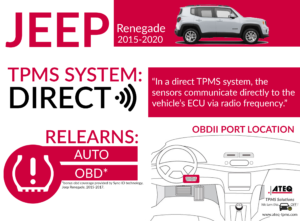
- In most Renegades, the TPMS reset button is under the dashboard, near the steering wheel.
- If you can’t find it, check your owner’s manual.
- Press and Hold the Reset Button
- Hold the button for 5-10 seconds until the TPMS light blinks three times.
- Release the button.
- Drive the Vehicle
- Drive at 15 mph or above for at least 10 minutes.
- This helps the sensors recalibrate. The warning light should turn off.
- Alternative Method: Disconnect Battery
- If the warning light stays on, disconnect the negative terminal of the car battery for 15 minutes.
- Reconnect, start your Jeep, and check the TPMS light.
Many drivers miss the importance of driving after resetting. The system needs movement to update sensor readings. Also, some Renegades require a special scan tool for reset—especially after replacing a sensor. Always check your manual for details.
Common Mistakes When Resetting Tpms
Resetting your tire pressure sensor is easy, but there are pitfalls. Here are some mistakes to avoid:
- Not inflating tires to the exact recommended PSI: Even a 2 PSI difference can keep the TPMS light on.
- Skipping the drive step: The system needs the car moving to finish calibration.
- Ignoring a faulty sensor: If the light stays on after reset, a sensor may be broken. Jeep Renegade sensors last about 5-7 years before needing replacement.
- Using cheap tire gauges: Low-quality gauges can give incorrect readings, causing repeated warnings.
When To Replace Tire Pressure Sensors
Sometimes, resetting isn’t enough. If your TPMS warning won’t turn off, it may be time to replace the sensor. Here’s how to spot trouble:
- TPMS light stays on after reset
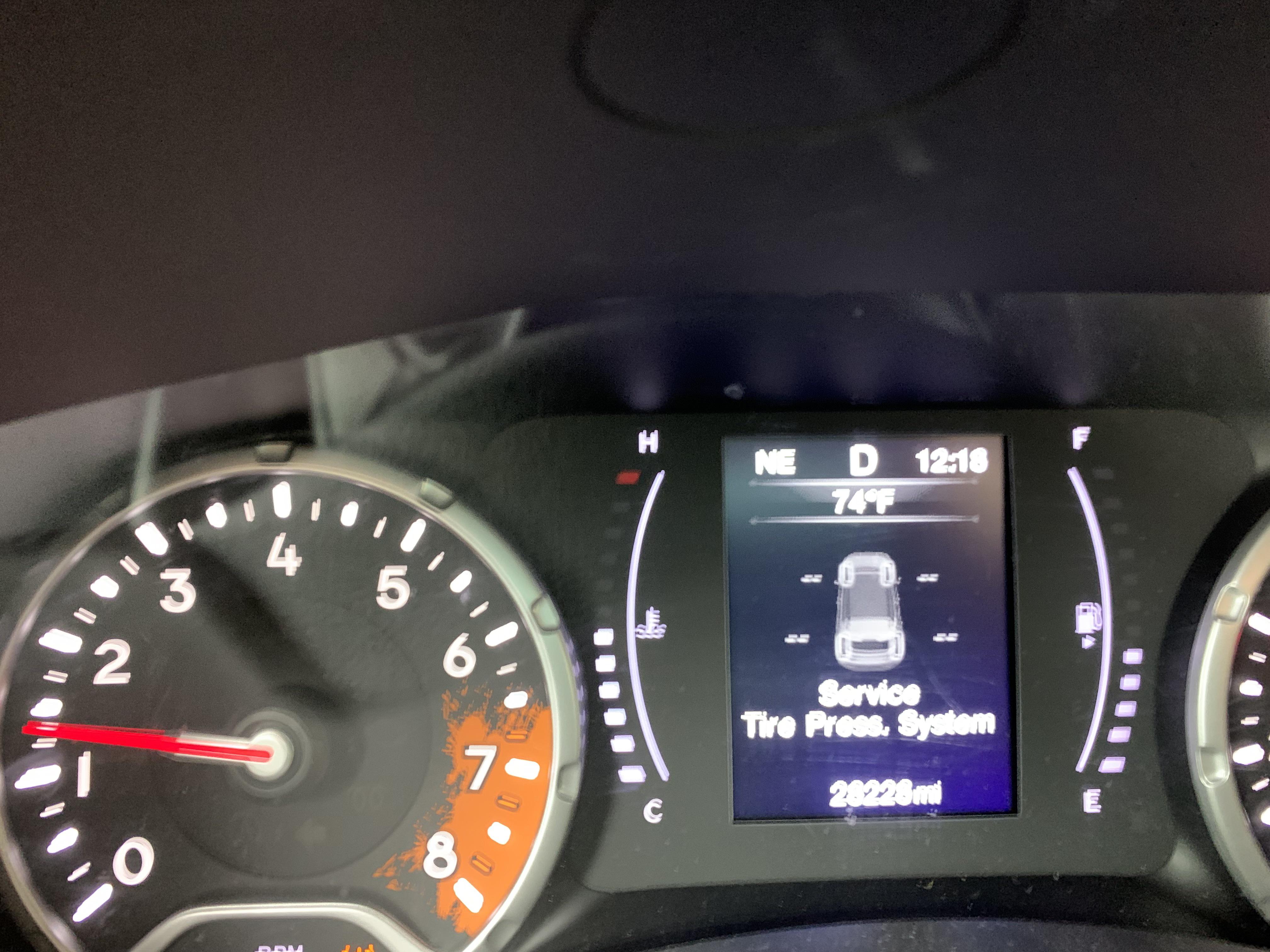
- Error messages like “Service TPMS System”
- Sensor battery life: Most last 5-7 years
You can compare sensor replacement costs and lifespan:
| Sensor Brand | Average Price | Expected Lifespan |
|---|---|---|
| OEM Jeep | $50 – $80 | 6-7 years |
| Aftermarket | $30 – $60 | 5-6 years |
| Premium Brands | $70 – $100 | 7+ years |
Tip: If you replace a sensor, use a professional scan tool to program it correctly. Some shops offer free programming with purchase.
Tire Pressure Sensor Vs. Tire Pressure Gauge
Many drivers think a tire pressure sensor and a tire pressure gauge are the same, but they are different tools.
| Feature | Tire Pressure Sensor | Tire Pressure Gauge |
|---|---|---|
| Location | Inside tire/wheel | Handheld tool |
| Function | Monitors air pressure, sends signal to car | Manual reading of tire pressure |
| Maintenance | Replace every 5-7 years | Replace as needed |
| Cost | $30 – $100 per sensor | $10 – $30 per gauge |
Always use a gauge to confirm pressure before resetting TPMS.
Practical Tips For Jeep Renegade Owners
- Check tire pressure monthly, not just when the light comes on.
- During winter, tire pressure drops as air gets colder. Check more often.
- Use a digital tire gauge for accuracy.
- If your TPMS light turns on often, inspect for slow leaks or damaged tires.
- After resetting, note if the light returns—this may signal a sensor or tire issue.
Many beginners forget to record tire pressure changes. Keeping a log helps find patterns and solve recurring TPMS problems.

Frequently Asked Questions
How Often Should I Reset The Tire Pressure Sensor?
You should reset the sensor after changing tires, rotating them, or adjusting tire pressure. If the warning light turns on without reason, check all tires and reset as needed.
Can I Drive With The Tpms Light On?
It’s not recommended. Driving with the TPMS light on means at least one tire may be underinflated, which can lead to unsafe handling or tire failure.
Some Jeep Renegade models don’t have a physical reset button. In this case, the system usually resets itself after you inflate the tires and drive for 10-15 minutes.
How Do I Know If My Tpms Sensor Is Faulty?
If the warning light stays on after all tires are properly inflated and reset, or if you see messages like “Service TPMS System,” the sensor may be faulty.
Where Can I Find Official Information About Tpms?
You can read more about tire pressure monitoring systems at the National Highway Traffic Safety Administration website.
Resetting the tire pressure sensor in your Jeep Renegade is not difficult. By following these steps, checking your tires regularly, and avoiding common mistakes, you can keep your TPMS working properly and drive safely.
Remember, a small warning light can make a big difference in your driving experience.