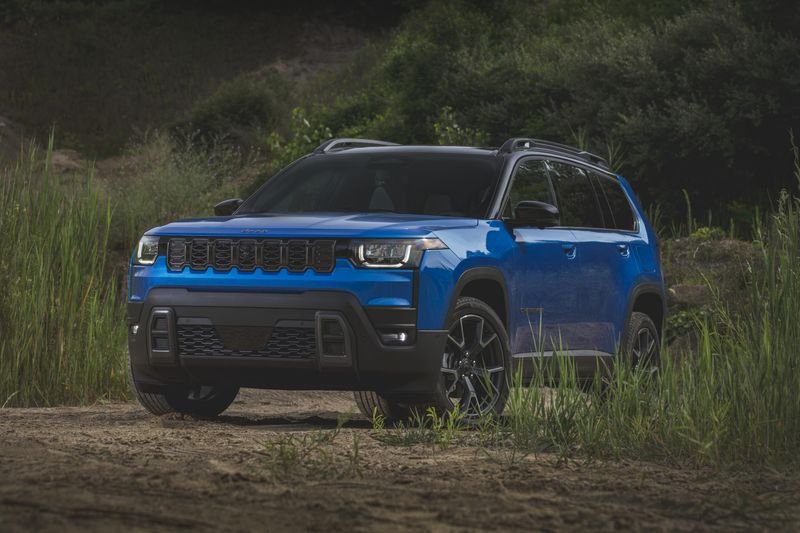
If you drive a Jeep Patriot, seeing the tire pressure warning light suddenly come on can be stressful. This small symbol on your dashboard means something isn’t right with your tires. But once you fix the problem, the light sometimes stays on. Don’t worry—resetting the tire light is simple with the right steps. This guide explains exactly how to reset the tire light on your Jeep Patriot and what you need to know for safe driving.
Why The Jeep Patriot Tire Light Turns On
The tire pressure warning light is part of the Tire Pressure Monitoring System (TPMS). When the system detects that one or more tires are under-inflated, the light appears. This helps you avoid poor fuel economy, uneven tire wear, and unsafe driving conditions. Common causes of the light include:
- Low tire pressure (most common, especially in winter)
- Recent tire rotation or change
- Faulty TPMS sensor
- Sudden temperature change
Sometimes, even after you fix the pressure, the light stays on. That’s when a reset is needed.
How To Check And Adjust Tire Pressure
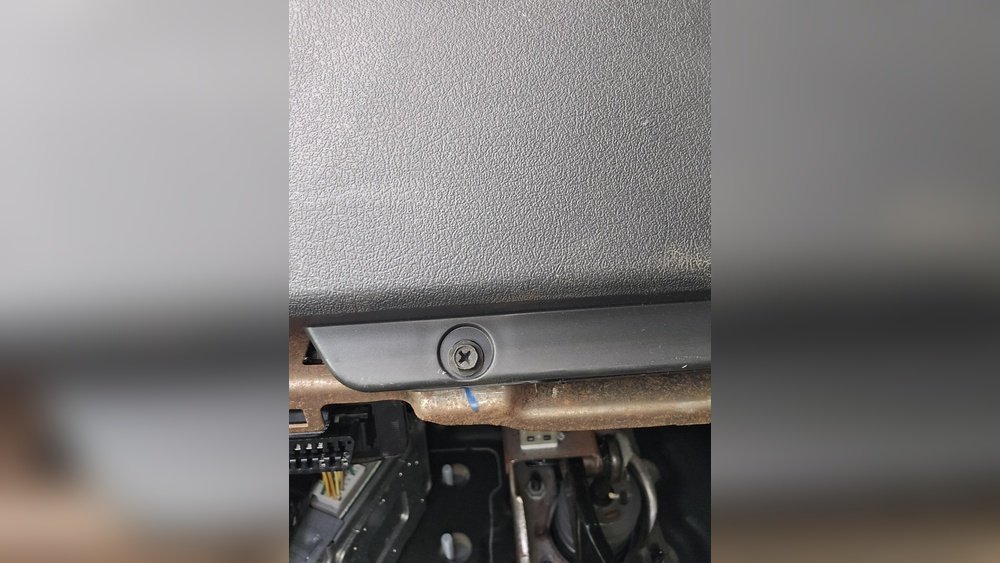
Before you reset the light, always check your tire pressure. You don’t want to ignore a real problem. Here’s how to do it:
- Find the recommended pressure: Look inside the driver’s door jamb. Most Jeep Patriots need 32–35 psi (pounds per square inch).
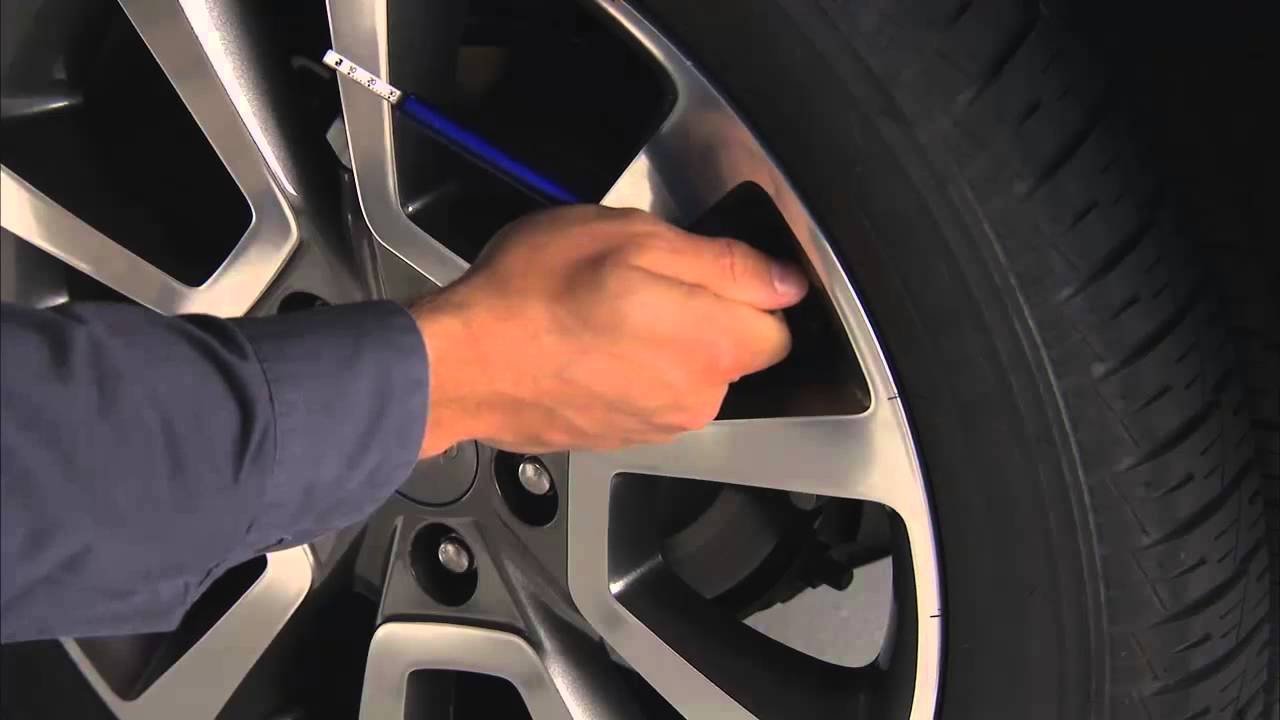
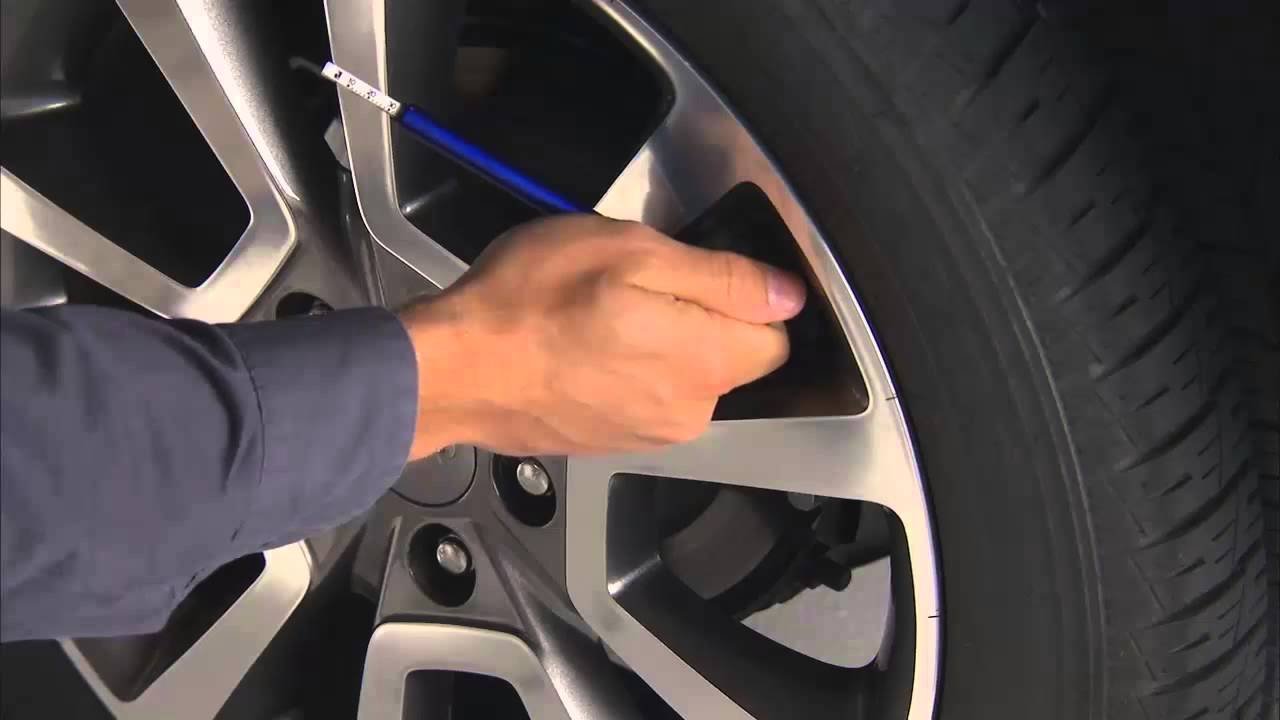
- Use a reliable gauge: Digital or analog pressure gauges both work. Remove the cap and press the gauge onto the valve stem.
- Inflate or deflate as needed: Add air at a gas station or use your own pump. If there’s too much air, gently press the valve stem to release some.
- Check all four tires: Don’t forget the spare! Some models have a TPMS sensor in the spare tire.
After adjusting, drive for a few miles. The light may turn off by itself, but if it doesn’t, you’ll need to reset it.
How To Reset The Jeep Patriot Tire Light
Resetting the tire light can vary by year, but most Jeep Patriots (2007–2017) follow a similar process. Follow these steps carefully:
- Turn the ignition ON, but don’t start the engine.
- Wait for the warning light: See if it blinks and stays on.
- Drive at 15 mph or higher: The TPMS recalibrates while you drive. After about 10 minutes, the light should go off.
- If the light stays on: Try this manual reset method:
- Turn the car off.
- Disconnect the negative battery cable for 10 minutes.
- Reconnect the cable and start the car.
- The system should reset.
Here’s a quick reference for different reset methods:
| Model Year | Reset Method | Time Required |
|---|---|---|
| 2007–2010 | Drive at 15+ mph | 10–20 minutes |
| 2011–2017 | Battery disconnect or drive | 10–15 minutes |
What If The Tire Light Still Won’t Reset?
Sometimes, the light stays on even after following all the steps. Here are possible reasons and what to do:
- Faulty TPMS sensor: These sensors have batteries that last about 5–10 years. If one fails, the system can’t reset. A mechanic can test and replace the sensor.
- TPMS system malfunction: Rarely, the control module may have a problem. Professional diagnosis is best.
- Incorrect tire size: If you replace your tires with the wrong size, the system may get confused.
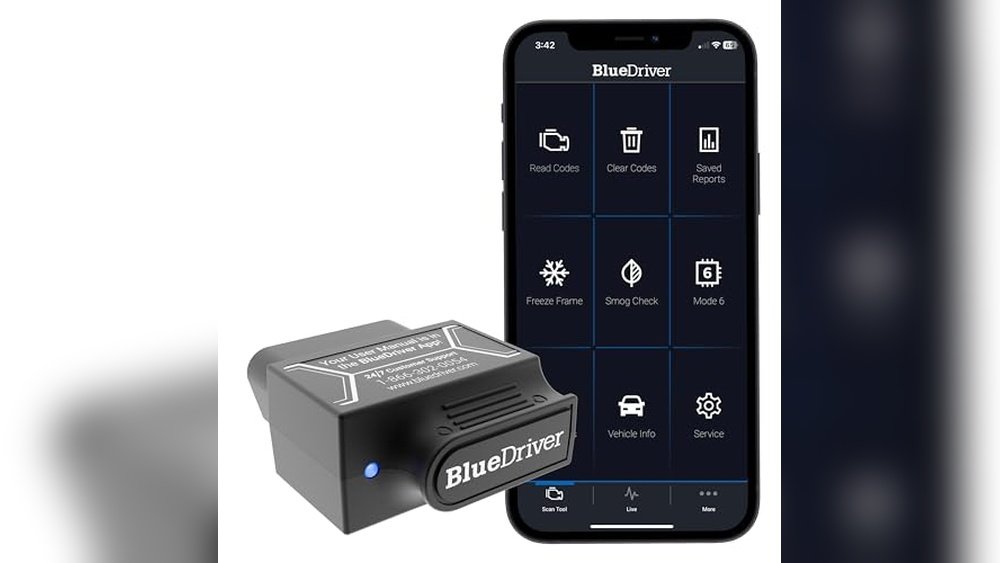
If you’ve checked everything and the light remains, visit a certified Jeep dealer or trusted repair shop. They have diagnostic tools to find the problem quickly.
Common Mistakes To Avoid
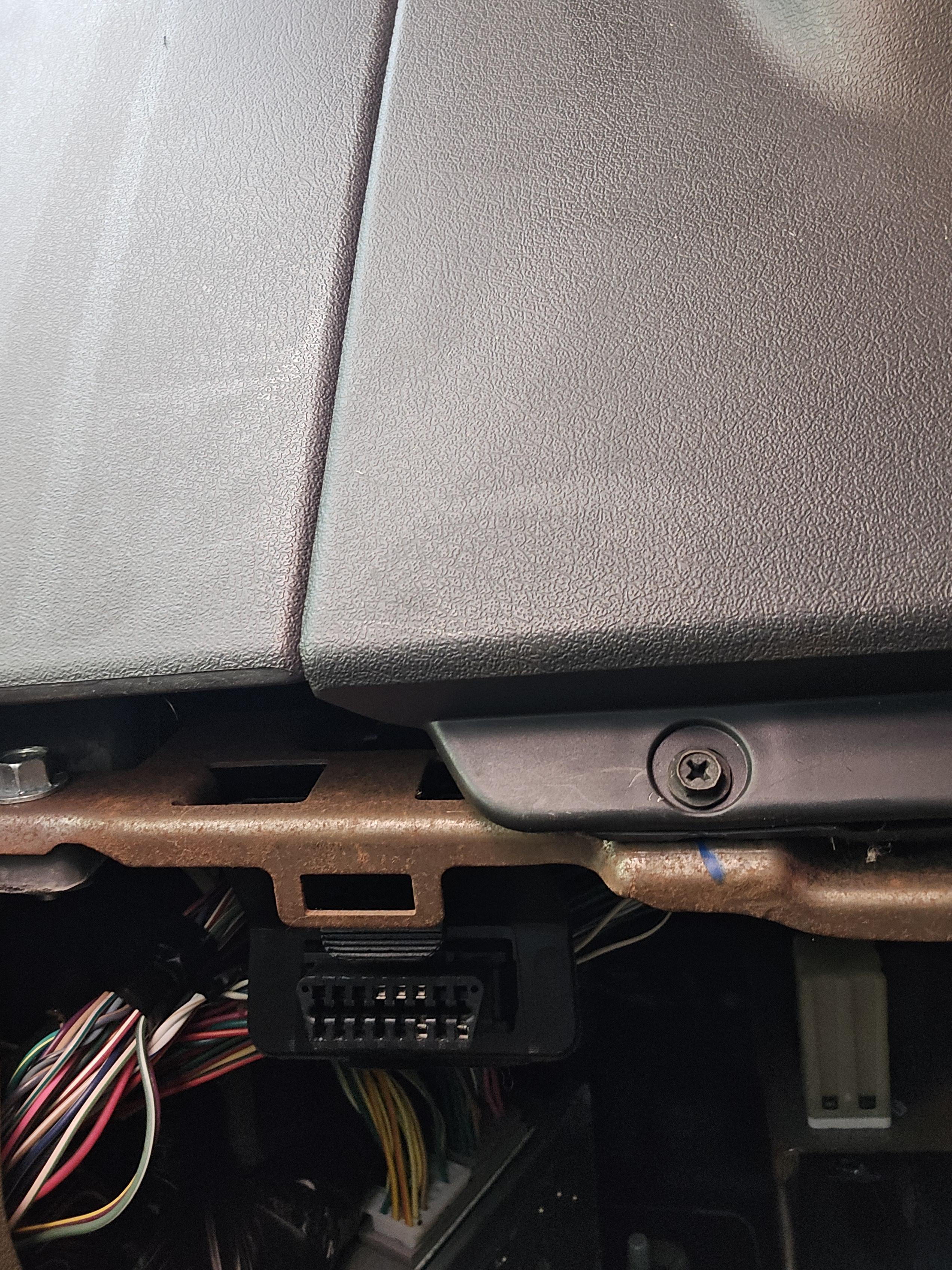
Many drivers make small mistakes when resetting the tire light. Avoid these to save time and hassle:
- Ignoring the light: Never assume the system is wrong. Low pressure is dangerous.
- Using the wrong pressure: Always follow the sticker inside your door, not the tire’s sidewall.
- Resetting before fixing: Always fix the tire pressure or problem before attempting a reset.
- Forgetting the spare: Some Jeep Patriots include the spare in the TPMS system.
How Cold Weather Affects Tire Pressure
A sudden drop in temperature can cause the tire light to come on. Air contracts in cold weather, lowering pressure.
For every 10°F drop, tire pressure drops about 1 psi. In winter, check your tires more often and add air as needed.
Here’s how temperature impacts tire pressure:
| Temperature Change | Pressure Loss (Approx.) |
|---|---|
| -10°F | -1 psi |
| -20°F | -2 psi |
| -30°F | -3 psi |
Tips For Maintaining The Jeep Patriot Tpms
- Check pressure monthly: Don’t wait for the light.
- Rotate tires regularly: Keeps sensors working and tires wearing evenly.
- Replace sensors with tires: If your tires are old, sensors may be too.
- Clean valve stems: Dirt can block sensors.
Many owners don’t know that using aftermarket wheels can affect the TPMS system. Always check compatibility if you switch your wheels.
When To See A Professional
If the light flashes for 60–90 seconds and then stays on, it usually means a system fault. Mechanics have special scan tools to read TPMS codes. Sometimes, a quick reprogramming is all it takes. For more details on TPMS and how it works, you can visit the Wikipedia TPMS page.
Frequently Asked Questions
Why Does My Jeep Patriot Tire Light Come On Even When Tires Look Fine?
A tire can lose pressure without looking visibly flat. The TPMS is sensitive and can detect small changes.
Always use a pressure gauge to check, not just your eyes.
Can I Reset The Tire Light Without A Tool?
Yes, you usually don’t need a special tool. Driving for 10 15 minutes after adjusting your tire pressure often resets the light.
Only in rare cases will a scan tool be needed.
What Does It Mean If The Tire Light Blinks Then Stays On?
A blinking light followed by a steady light means the TPMS system itself has a problem, not just low pressure. A sensor may be faulty or missing.
Will Changing My Tires Affect The Tpms?
Yes, new tires or wheels can cause issues if the sensors are not transferred or reprogrammed. Always make sure the shop resets the TPMS after tire changes.
Is It Safe To Drive With The Tire Light On?
It’s not recommended. The light means one or more tires may be under-inflated, which can be dangerous.
Always stop and check your tires as soon as possible.
Taking care of your Jeep Patriot’s tire light is important for safe driving and long-lasting tires. Resetting the light is simple with the right steps, but always fix the real issue first. If the light stays on, don’t ignore it—your safety depends on healthy tires. Stay alert, check your tires often, and enjoy worry-free driving.