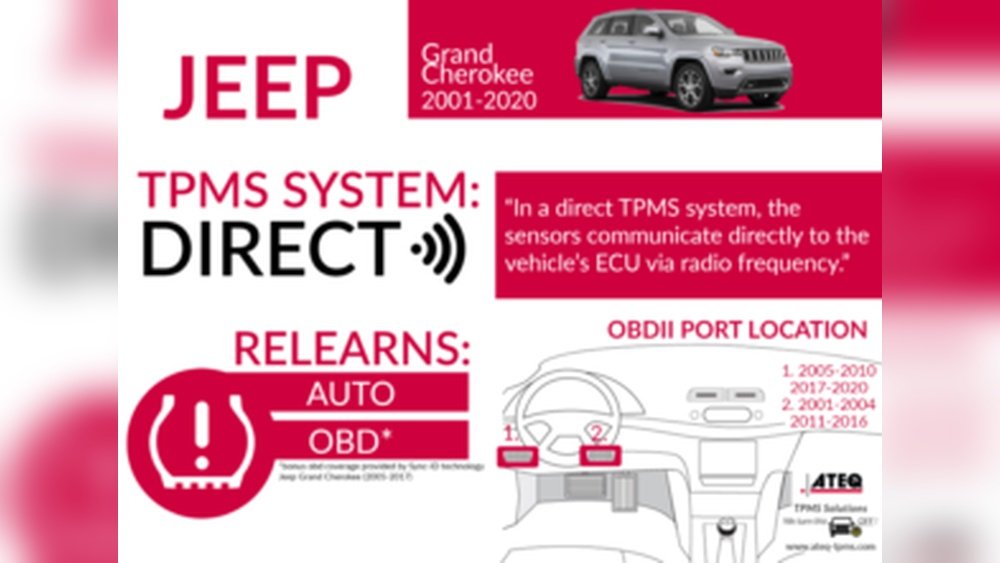
If your Jeep Grand Cherokee’s tire pressure monitoring system (TPMS) light keeps flashing or staying on, it can be frustrating and distracting. You might be wondering how to reset it quickly and get back on the road with confidence.
Luckily, resetting the TPMS on your Jeep Grand Cherokee is something you can often do yourself without needing a trip to the mechanic.
In this guide, you’ll learn the simple, step-by-step process to turn off that warning light and ensure your tires are properly inflated for safe driving.
Keep reading your Jeep and your peace of mind depend on it.
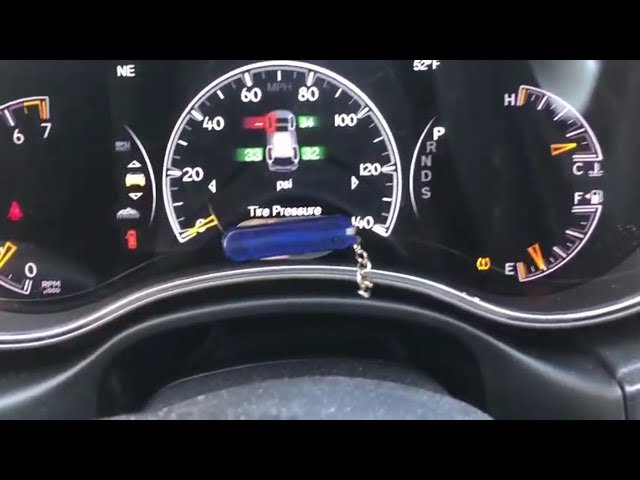
Check Tire Pressure
Checking the tire pressure is the first step to reset your Jeep Grand Cherokee’s TPMS light. Proper tire pressure keeps your vehicle safe and improves fuel efficiency.
Low or uneven pressure often triggers the TPMS warning. Use a reliable tire gauge to measure each tire’s pressure.
Always check the tires when they are cold for the most accurate reading.
Locate Recommended Psi
Find the recommended PSI for your Jeep Grand Cherokee on the driver’s side door jamb. This label shows the correct pressure for front, rear, and spare tires.
Using the wrong pressure can cause poor handling or tire damage. Always follow the manufacturer’s guidelines for the best performance and safety.
Inflate All Tires Even Spare
Check and inflate all four tires to the recommended PSI. Don’t forget the spare tire, as it may have a sensor too.
Use an air compressor at a gas station or a portable pump. Inflate slowly and recheck pressure often.
Proper inflation helps the TPMS system reset correctly after driving.
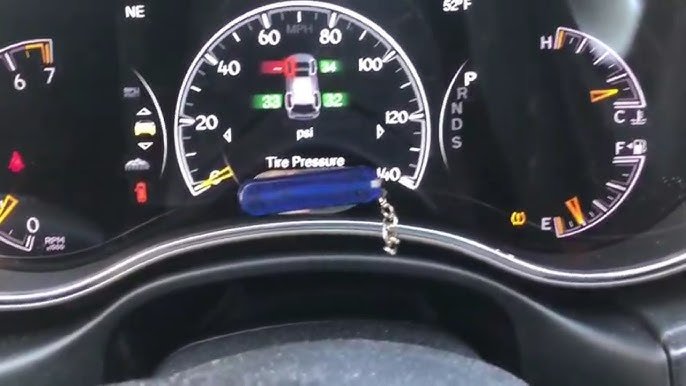
Manual Tpms Reset
Manual TPMS reset in a Jeep Grand Cherokee is a simple way to fix the tire pressure warning light. This method works well when tire pressures are correct but the light stays on.
It involves cutting power briefly to the system. This resets the sensors and clears the warning.
Follow these easy steps carefully. Use basic tools and no special equipment is needed.
The process helps your vehicle recognize the proper tire pressure again.
Turn Off Vehicle
First, make sure the engine is completely off. Remove the key from the ignition.
This stops all electrical activity in the car. Double-check that all lights and accessories are off.
This step prevents any power flow during the reset.
Disconnect Battery Cable
Locate the vehicle’s battery under the hood. Use a wrench to loosen the negative cable clamp.
Carefully remove the cable from the battery terminal. This cuts power to the TPMS system.
Keep the cable disconnected for about 15 minutes. It allows the system to reset fully.
Discharge Remaining Power
Press the brake pedal several times after disconnecting the battery. This removes any stored energy in the car’s electrical system.
It ensures the TPMS sensors lose all previous signals. This step is important for a clean reset.
Restart Vehicle And Reset
Reconnect the battery cable and tighten it securely. Put the key in the ignition and start the vehicle.
Wait for a few minutes while the system recalibrates. Drive the Jeep slowly for about 10 minutes.
The TPMS light should turn off once the sensors sync with the tire pressure.
After adjusting your Jeep Grand Cherokee’s tire pressure, the next step is to drive the vehicle. This process helps the Tire Pressure Monitoring System (TPMS) recalibrate itself.
Driving allows the system to recognize the new tire pressures and reset the warning light. It is simple but important for accurate tire pressure readings.
Short Drive After Inflation
Drive your Jeep for about 10 to 15 minutes at speeds above 25 mph. This short drive gives the TPMS sensors time to detect the correct tire pressures.
Avoid sudden stops or sharp turns during this period. Keep the driving smooth and steady.
The tire pressure light should turn off if the inflation is correct.
System Relearns Sensor Data
During the drive, the TPMS system collects data from all tire sensors. It compares the new pressure values to previous readings.
The system updates its memory with the fresh data. This relearning process clears any false alerts.
After the drive, the warning light will reset automatically. This method works for most Jeep Grand Cherokee models.
Drive To Recalibrate
The Tire Pressure Monitoring System (TPMS) light alerts drivers when tire pressure is low or sensors detect a problem. Troubleshooting this light helps ensure safe driving and proper tire maintenance.
This section explains key checks and steps to fix common TPMS issues on a Jeep Grand Cherokee.
Persistent Warning Light
A TPMS light that stays on may indicate unresolved tire pressure issues. Verify all tires are inflated to the recommended PSI.
Drive your Jeep for about 10 minutes at speeds above 30 mph. This allows the system to reset automatically.
If the light remains, the sensors might require a manual reset or further inspection.
Check For Sensor Damage
TPMS sensors can get damaged by road debris or improper tire changes. Inspect the valve stems and sensor units for visible damage or corrosion.
Damaged sensors may send false alerts. A professional mechanic can test sensor functionality with specialized tools.
Replacing faulty sensors restores proper TPMS operation and clears warning lights.
Consult Owner’s Manual
The Jeep Grand Cherokee owner’s manual offers specific instructions for TPMS reset procedures. It may list the location of the TPMS reset button or detail steps to follow after adjusting tire pressure.
Manuals also provide warnings about sensor battery life and system limitations. Reviewing this guide ensures you perform resets safely and correctly.

Conclusion
Resetting the TPMS on your Jeep Grand Cherokee is simple. Keep tire pressure at the recommended level.
Drive your vehicle for a few minutes to let the system recalibrate. If the warning light stays on, try the manual reset steps.
Sometimes, a quick battery disconnect helps clear the alert. Always check your spare tire’s pressure too.
Regular tire checks keep your Jeep safe and your ride smooth. For persistent issues, visit a trusted mechanic.
Taking care of your TPMS protects your tires and improves fuel efficiency.
Easy steps, better driving.