If your Jeep Wrangler’s check engine light just popped on, you’re probably wondering what to do next. Ignoring it isn’t a good idea, but resetting the light without fixing the problem can make things worse.
You want a simple, reliable way to reset the engine light and get back on the road safely.
Whether you’re a first-time Jeep owner or have been driving one for years, walk you through easy, step-by-step methods to reset your Jeep Wrangler’s engine light.
By the end, you’ll know how to clear the light properly and when it’s time to see a professional. Keep reading to take control of your Jeep’s health and avoid unexpected breakdowns.
Common Causes For Engine Light
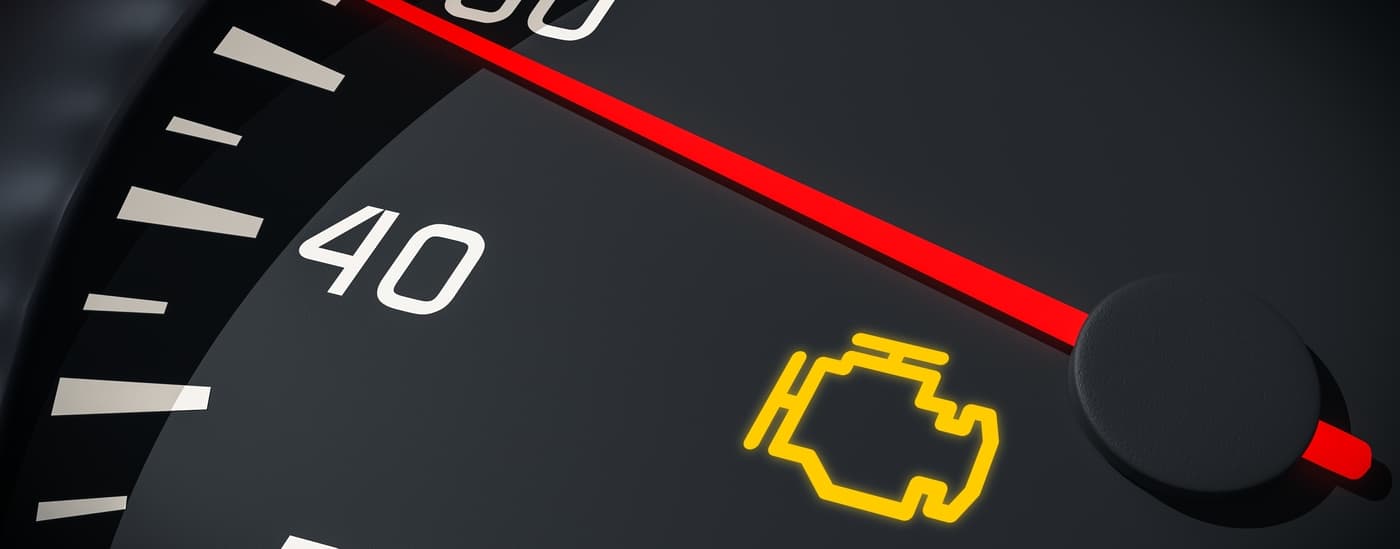
The engine light on your Jeep Wrangler signals an issue that needs attention. It often turns on due to common problems.
Understanding these causes helps in diagnosing and fixing the problem quickly.
This section covers the typical reasons why the engine light may come on. Each cause affects your vehicle’s performance and safety differently.
Recognizing these issues can prevent costly repairs later.
Loose Gas Cap Issues
A loose gas cap is a frequent cause of the engine light. It allows fuel vapors to escape, which triggers the warning.
Make sure the gas cap is tight and clicks into place. This simple step often clears the light.
Check for cracks or damage on the cap. Replace it if worn out.
A secure gas cap maintains proper pressure in the fuel system, preventing leaks and errors.
Engine Component Faults
Faulty engine parts can cause the engine light to activate. Components like spark plugs, ignition coils, and fuel injectors may fail.
These parts affect engine performance and fuel efficiency.
Regular maintenance helps spot worn or damaged parts early. Repair or replace faulty components to avoid further engine issues.
Ignoring these problems can lead to engine misfires or stalling.
Sensor And Emission Problems
Modern Jeeps use sensors to monitor engine and emission systems. Malfunctioning sensors like the oxygen sensor or mass airflow sensor can trigger the light.
These sensors ensure the engine runs efficiently and meets emission standards.
Emission system problems such as a bad catalytic converter or exhaust leaks also cause warnings. These issues impact air quality and vehicle emissions.
Diagnosing sensor faults requires a scan tool to read error codes accurately.
Using An Obd-ii Scanner
Using an OBD-II scanner is a reliable way to reset the engine light on your Jeep Wrangler. This tool reads the car’s computer system for trouble codes.
It helps identify the exact problem before clearing the light. The process is simple and saves time.
Following these steps ensures you reset the engine light correctly. It also prevents unnecessary repairs or guesswork.
Locating The Obd-ii Port
The OBD-II port is usually under the dashboard on the driver’s side. Look near the steering column or above the pedals.
It is a small, trapezoid-shaped connector. If you have trouble finding it, check your vehicle’s manual.
The port is easy to access without tools.
Reading Error Codes
Plug the OBD-II scanner into the port firmly. Turn the ignition key to the “ON” position, but do not start the engine.
Follow the scanner’s instructions to read the error codes. These codes indicate what caused the engine light to turn on.
Write down the codes or save them on the scanner.
Clearing Codes With The Scanner
After reading the codes, select the option to clear or erase them. This action resets the engine light.
The scanner communicates with your Jeep’s computer to delete the stored trouble codes. Turn off the ignition and unplug the scanner.
Drive your Jeep to see if the light stays off. If the light returns, the issue may need further attention.
Battery Disconnect Method
The Battery Disconnect Method is a simple way to reset the engine light on your Jeep Wrangler. This method cuts power to the vehicle’s computer, clearing any stored error codes.
It requires no special tools besides a wrench. Follow the steps below carefully to reset the light safely.
Finding The Battery And Terminals
Open the hood of your Jeep Wrangler and locate the battery. It usually sits on one side of the engine bay.
The battery has two terminals: positive and negative. The negative terminal is marked with a minus sign (-) and often has a black cover.
The positive terminal has a plus sign (+) and may have a red cover.
Disconnecting The Negative Terminal
Use a wrench to loosen the nut on the negative battery terminal. Do not remove the nut completely; just loosen it enough to pull the cable off.
Carefully lift the negative cable away from the battery post. Make sure the cable does not touch any metal parts or the positive terminal to avoid sparks.
Reconnecting And Resetting The Light
Wait for about 15 minutes after disconnecting the battery. This pause allows the vehicle’s computer to reset.
After waiting, reconnect the negative cable to the battery terminal. Tighten the nut securely with the wrench.
Start your Jeep and check if the engine light has turned off.
Ignition Key Cycle Reset
The Ignition Key Cycle Reset is a simple way to reset the engine light on your Jeep Wrangler. It uses the ignition key to access the vehicle’s diagnostic system without special tools.
This method can clear minor issues and turn off the check engine light.
It helps you read trouble codes directly from the odometer screen. You can reset the light if the problem is fixed or no longer active.
This process saves time and avoids unnecessary repairs.
Key Cycling Procedure
Insert the key into the ignition switch. Turn the key from OFF to ON quickly three times.
Make sure to end in the ON position without starting the engine. The dashboard lights will come on but the engine stays off.
Watch the odometer screen carefully for any codes or messages. This step activates the diagnostic mode.
Interpreting Odometer Codes
The odometer will show trouble codes if there are active engine issues. Each code corresponds to a specific problem.
Use your Jeep’s manual or online resources to understand the codes. If no codes show, the screen will display “DONE.” This means there are no current faults detected.
Clearing the codes usually turns off the engine light.
When This Method Works Best
This reset works well for minor or temporary faults. It is useful after fixing small problems like a loose gas cap.
It also helps when the light turns on without serious engine issues. This method does not fix deeper mechanical problems.
For serious faults, a professional scan tool or mechanic is needed. Use this reset to quickly clear the light and check the Jeep’s status.
Safety Tips Before Reset
Before resetting the engine light on your Jeep Wrangler, safety is important. Taking the right precautions protects you and your vehicle.
Follow these safety tips to avoid harm and ensure a smooth reset process.
Wearing Protective Gear
Always wear gloves to protect your hands from sharp parts. Use safety glasses to shield your eyes from debris.
Avoid loose clothing that can get caught in engine parts. Proper gear helps prevent injuries during the reset.
Ensuring Engine Is Off
Make sure the engine is completely off before starting. Turn off the ignition and remove the key.
An active engine can cause burns or moving parts may injure you. Wait a few minutes to let the engine cool down.
Avoiding Electrical Hazards
Disconnect the battery’s negative terminal before working on electrical components. Avoid touching metal tools to the battery terminals at the same time.
Work in a dry area to prevent electric shocks. Take care to avoid short circuits when resetting the engine light.

When To Seek Professional Help
Knowing when to seek professional help for your Jeep Wrangler’s engine light is essential. Some issues are simple, but others need expert attention.
Acting quickly can prevent bigger problems and costly repairs. Learn to spot signs that require a mechanic’s skills.
Persistent Or Flashing Engine Light
A steady engine light might be okay to reset at home. A flashing light is serious.
It means the engine is misfiring. Driving with a flashing light can damage the engine. Stop driving and get professional help immediately.
Complex Engine Issues
Some engine problems are hard to fix without tools. Issues with sensors, fuel systems, or emissions need a mechanic.
These parts are complicated and require special skills. Trying to fix them alone can cause more damage.
Diagnostic And Repair Services
Mechanics use scanners to read error codes from your Jeep. These codes show the exact problem.
Professionals have the tools to clear codes safely and fix issues. They ensure your Jeep runs smoothly and the light stays off.
Preventing Future Engine Light Triggers
Preventing your Jeep Wrangler’s engine light from turning on saves time and avoids costly repairs. Small habits can keep your engine healthy and reduce warning signals.
Focus on simple, regular checks to catch issues early.
Regular Vehicle Maintenance
Keep your Jeep’s engine and parts in good shape. Change oil and filters on schedule.
Replace worn spark plugs and air filters. Check belts and hoses for cracks or leaks.
Regular tune-ups help spot problems before the light comes on.
Checking Gas Cap Tightness
A loose gas cap often triggers the engine light. After refueling, tighten the cap until you hear clicks.
This seals the fuel system and stops vapor leaks. Always inspect the gas cap for damage and replace if needed. A secure cap avoids unnecessary alerts.
Monitoring Engine Performance
Watch how your Jeep drives daily. Notice any rough idling, stalling, or poor acceleration.
Strange noises or smells signal engine trouble. Use an OBD-II scanner to check codes if the light flashes.
Early detection keeps your engine running smoothly and prevents serious faults.
Conclusion
Resetting the engine light on your Jeep Wrangler is simple and saves time. Always check the gas cap first it often causes the light to come on.
Using an OBD-II scanner helps read and clear error codes safely. Disconnecting the battery can also reset the light but use caution.
Remember, the light means your Jeep needs attention. Fix the problem before resetting the light.
This keeps your vehicle running smoothly and avoids bigger issues later. Regular checks help maintain your Jeep’s performance and safety on the road.