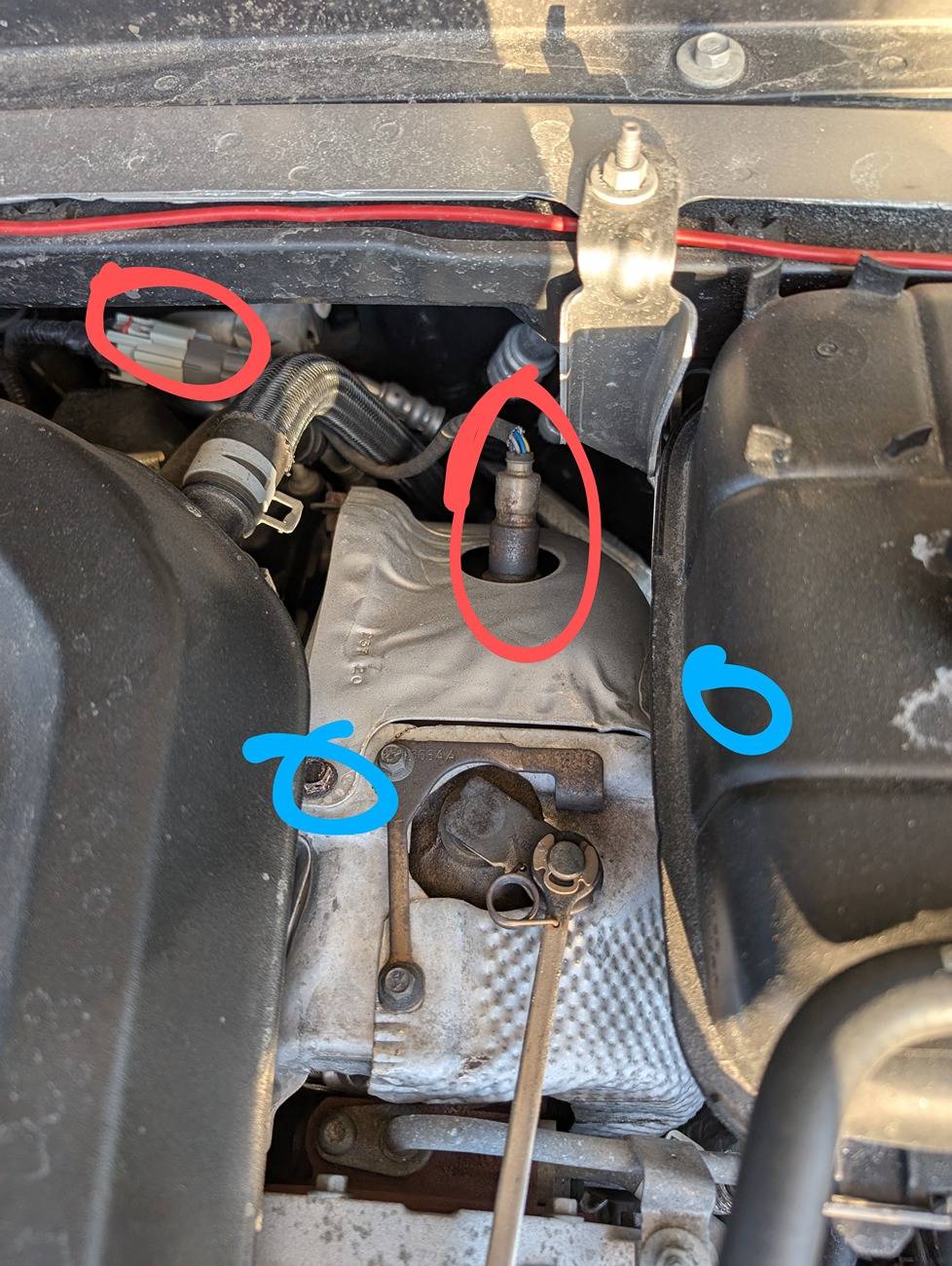
If your Jeep Wrangler engine light is on and you notice poor fuel economy, a rough idle, or strange smells from the exhaust, your oxygen sensor (O2 sensor) might be the problem. Replacing a faulty O2 sensor is not only important for the environment but can also save you money on gas and prevent bigger engine issues. The good news? You can replace it yourself with basic tools, a bit of patience, and some careful steps. This guide walks you through everything you need to know to change the O2 sensor on your Jeep Wrangler.
Why The O2 Sensor Matters
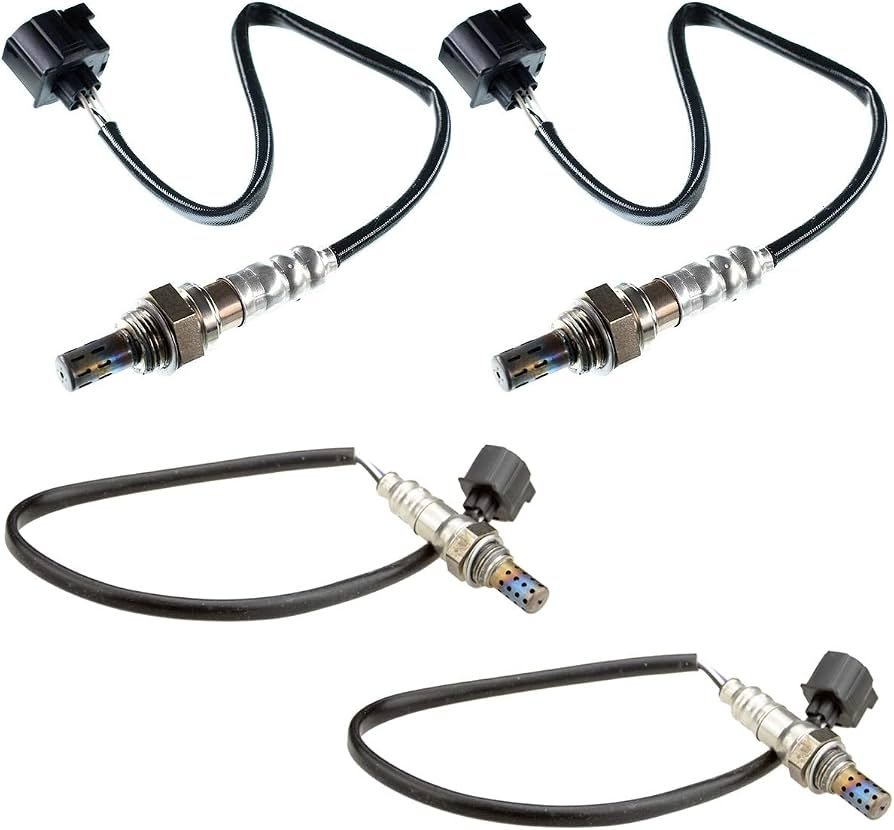
The O2 sensor measures oxygen levels in your exhaust, sending data to the Jeep’s computer. This helps adjust the fuel mixture for better performance and lower emissions. A bad sensor can cause the engine to run rich or lean, leading to higher fuel use, rough running, and even damage to the catalytic converter.
Many Jeep Wranglers have two or four O2 sensors, depending on the model year and engine. The most common positions are upstream (before the catalytic converter) and downstream (after the catalytic converter). Knowing which sensor to replace is key—your diagnostic code will tell you the location.
Signs Your O2 Sensor Needs Replacing
- Check Engine Light stays on
- Poor fuel economy (noticeable drop in miles per gallon)
- Rough idle or stalling
- Failed emissions test
- Sulfur smell from exhaust
If you see these signs, use a scan tool to read the error code. Codes like P0131, P0135, or P0141 point to an O2 sensor issue.
Always confirm the sensor location before buying parts.
Tools And Parts You Need
Having the right tools makes this job much easier. Here’s what you’ll need:
- New O2 sensor (check your Wrangler’s year and engine)
- O2 sensor socket or open-end wrench
- Ratchet and extensions
- Penetrating oil (like WD-40)
- Jack and jack stands (if underbody access is needed)
- Gloves and safety glasses
Optional but helpful:
- Anti-seize compound (some sensors come pre-applied)
- OBD-II scanner (to confirm the fix)
Step-by-step: Replacing The O2 Sensor
- Let the engine cool. O2 sensors get extremely hot; wait at least 30 minutes after driving.
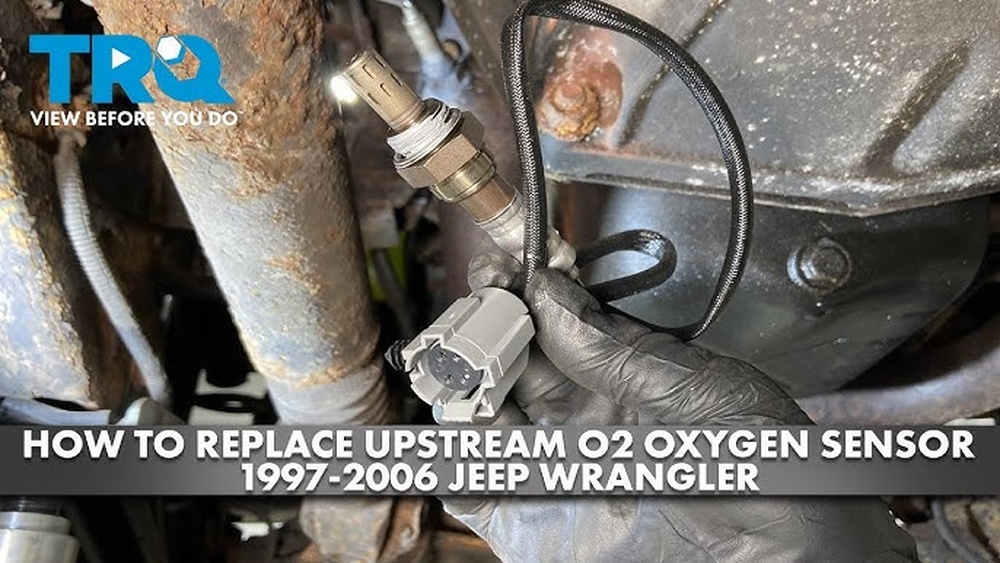
- Locate the faulty sensor. Check your code and follow the exhaust pipe. Upstream sensors are closer to the engine, downstream are after the catalytic converter.
- Disconnect the battery. This prevents accidental short circuits and clears codes.
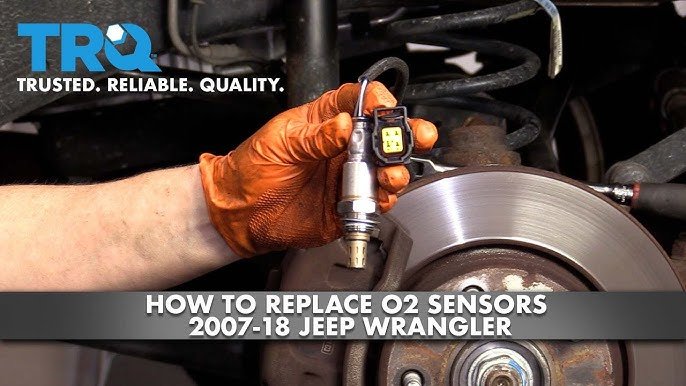
- Unplug the sensor’s connector. Most have a tab you press to release.
- Apply penetrating oil. Spray the sensor base and let it soak for a few minutes. Older sensors can be stubborn.
- Remove the sensor. Use the O2 sensor socket or wrench. Turn counterclockwise. Be patient—don’t force it, or you could strip the threads.
- Install the new sensor. If it doesn’t have anti-seize, apply a small amount to the threads (avoid the sensor tip).
- Tighten the sensor securely. Don’t overtighten; snug is enough.
- Reconnect the sensor plug. Make sure it clicks in place.
- Reconnect the battery. Start the engine and check for warning lights.
- Use your OBD-II scanner. Clear any codes and confirm the check engine light stays off.
Example: Sensor Locations By Model Year
| Model Year | Number of O2 Sensors | Sensor Positions |
|---|---|---|
| 1997-2000 | 2 | Upstream, Downstream |
| 2001-2006 | 4 | 2 Upstream, 2 Downstream |
| 2007-2018 | 4 | 2 Upstream, 2 Downstream |
Common Mistakes To Avoid
Replacing an O2 sensor is straightforward, but these mistakes can make things harder:
- Stripping the threads: Forcing the sensor out can damage the exhaust pipe. Use oil and the right socket.
- Mixing up connectors: If your Jeep has more than one sensor, plug the new sensor into the right connector.
- Skipping battery disconnect: This can cause electrical shorts or keep the check engine light on.
- Touching the sensor tip: Skin oils can damage the sensor. Handle by the hex nut or wire.
Cost And Time Comparison
How much will you save? Professional replacement costs $150 $300, mainly for labor.
Doing it yourself usually costs $25 $70 per sensor.
| Method | Estimated Cost | Estimated Time |
|---|---|---|
| DIY Replacement | $25–$70 (per sensor) | 30–60 minutes |
| Mechanic Shop | $150–$300 (per sensor) | 1–2 hours |
Tips For A Smooth Replacement
- Label connectors with tape if you’re replacing more than one sensor.
- Warm up the engine briefly if the sensor is stuck, but be careful—it will be hot.
- Check for recalls or service bulletins; sometimes, sensors are covered by warranty.
- Buy quality parts. Cheap sensors often fail quickly.
When To Seek Professional Help
If the sensor is rusted in place, you see damaged wires, or you are unsure about the error code, it’s best to see a mechanic. Also, if your check engine light stays on after replacing the sensor, more tests may be needed.
Modern Jeeps have complex electronics, and sometimes the problem is with wiring or the computer not just the sensor.
Environmental Impact
A faulty O2 sensor can increase emissions by up to 40%. By replacing it, you help reduce air pollution and keep your Jeep running clean. According to the EPA, replacing a bad sensor can improve gas mileage by as much as 15%.
Frequently Asked Questions
How Do I Know Which O2 Sensor To Replace?
Use an OBD-II scanner to read the trouble code. It will tell you the location (e.g., Bank 1 Sensor 2). Check your Jeep’s manual or an online forum if you’re unsure.
Can I Drive With A Bad O2 Sensor?
You can drive short distances, but it’s not recommended. A bad sensor can cause engine damage, poor performance, and high emissions.
Do I Need To Replace All O2 Sensors At Once?
No. Replace only the faulty sensor unless others are old or near the end of their life (over 100,000 miles).
If multiple sensors fail, check for underlying issues.
Will A New O2 Sensor Turn Off The Check Engine Light?
Usually yes, but you may need to clear the code with a scanner or disconnect the battery. If the light stays on, double-check your work or have the system diagnosed.
Are Aftermarket O2 Sensors Reliable?
Many aftermarket sensors work well if they meet OEM specs. Avoid very cheap brands and always check fitment for your exact Jeep model.
Replacing the O2 sensor on your Jeep Wrangler is a practical DIY task that can save you money, improve fuel economy, and protect your engine. With a little preparation and care, you’ll have your Jeep running smoothly in no time.