Replacing liftgate struts on your Jeep Cherokee is a practical way to save money and avoid dealership fees. Many drivers are surprised to learn that this job can be done at home with basic tools. A failing strut can make the liftgate heavy or even dangerous, so knowing how to swap them is helpful for both safety and convenience. This guide walks you through the process step by step, with clear advice and tips to avoid common mistakes.
Why Replace Liftgate Struts?
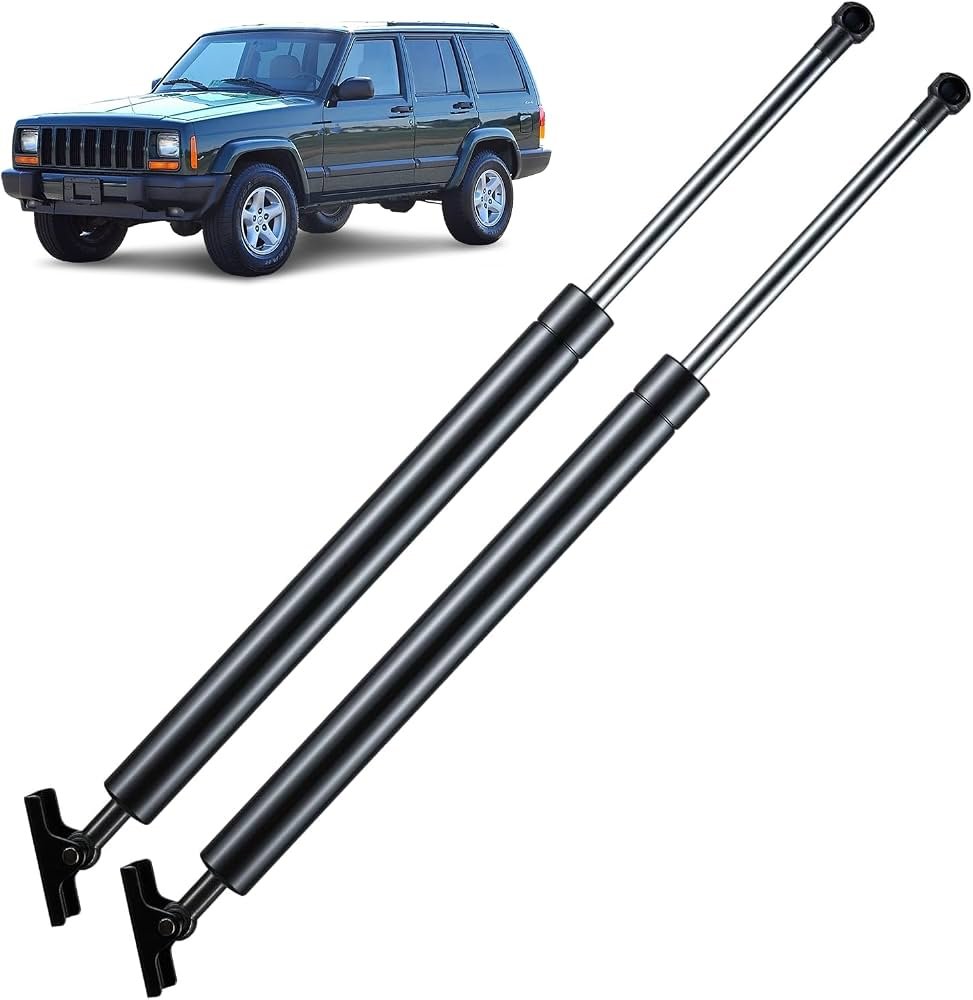
Liftgate struts, sometimes called gas springs, help support and lift the rear hatch. Over time, these struts lose pressure, making the liftgate difficult to open or causing it to fall unexpectedly.
According to AAA, faulty struts are a top reason for cargo hatch injuries.
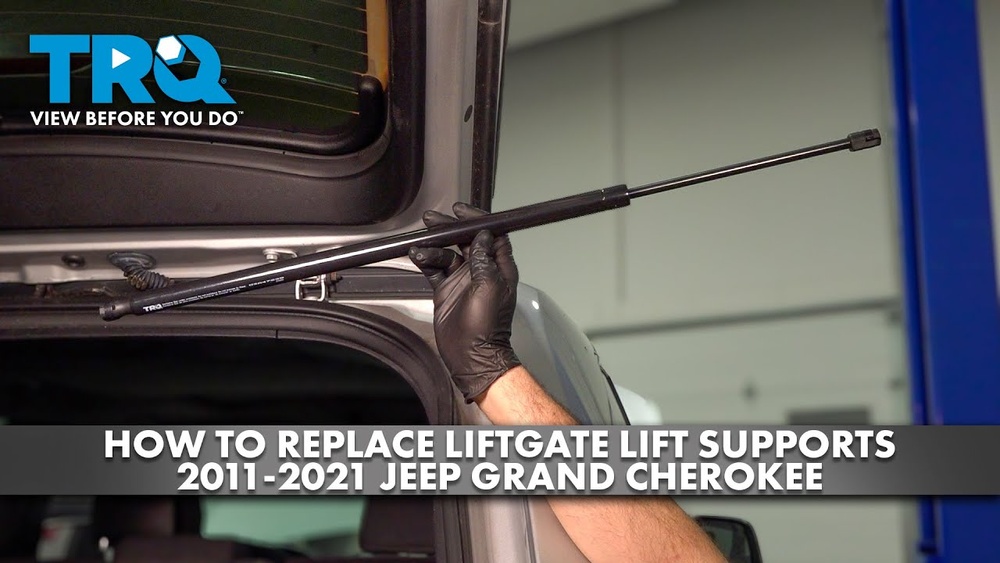
Replacing them keeps your Cherokee safe and easy to use.
What You’ll Need
Gather these items before starting:
- New liftgate struts (confirm fit for your Cherokee model year)
- Flathead screwdriver
- Socket wrench (usually 10mm or 13mm)
- Protective gloves
- Prop or helper (to hold the liftgate while you work)
If you’re unsure about strut compatibility, check your owner’s manual or ask a parts dealer for advice.
Steps To Replace Liftgate Struts
Follow these clear steps to change your Jeep Cherokee liftgate struts:
- Open the liftgate fully. Use a broomstick or have someone hold it in place.
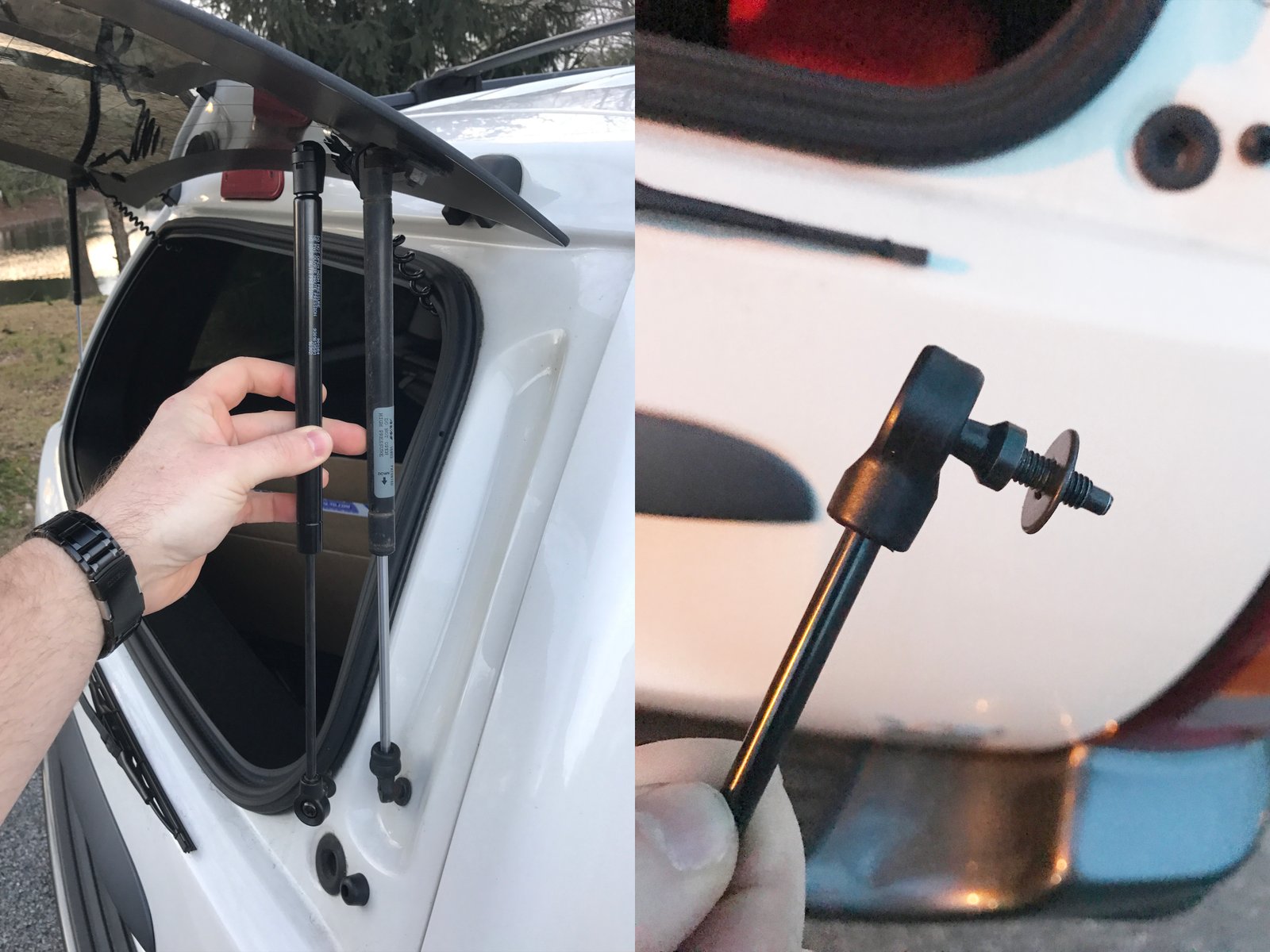
- Locate the struts. They’re mounted on each side of the hatch, connecting the body to the liftgate.
- Remove the old struts:
- Find the metal clips at both ends of each strut. Use the flathead screwdriver to gently pry the clips outward. Don’t remove them completely—just loosen to release the strut.
- Pull the strut off the ball joint.
- Repeat for both ends, then remove the strut.
- Install new struts:
- Align the new strut with the ball joint. Press firmly until it clicks into place.
- Secure both ends, making sure the clips snap back.
- Repeat for the second strut.
- Test the liftgate. Slowly open and close it to check for smooth movement and support.
A common mistake is not supporting the liftgate properly. Without a prop or helper, the heavy hatch can fall and cause injury or damage.
Liftgate Strut Replacement: Data Comparison
Here’s a simple table showing cost and time differences between DIY and dealership replacement:
| Method | Average Cost | Time Required |
|---|---|---|
| DIY | $40–$80 (parts only) | 20–30 minutes |
| Dealership | $120–$250 (parts + labor) | 1–2 hours (including wait) |
This shows how DIY replacement is both quicker and less expensive.

Choosing The Right Liftgate Struts
Not all struts are equal. Differences in quality and fit can affect performance. Here’s a comparison of aftermarket vs OEM (Original Equipment Manufacturer) struts for Jeep Cherokee:
| Type | Durability | Warranty | Price Range |
|---|---|---|---|
| OEM | 3–5 years | 1 year | $60–$120 each |
| Aftermarket | 2–4 years | 6 months–1 year | $20–$60 each |
OEM struts are usually more reliable, but aftermarket options can offer good value for older vehicles.
Practical Tips And Non-obvious Insights
- Check both struts even if only one is weak. Replacing both ensures balanced support and prevents early failure.
- Inspect mounting points for rust or damage before installing new struts. Weak mounts can cause struts to fail quickly.
- If your Cherokee has a power liftgate, disconnect the battery before working to avoid electrical issues.
- Some struts come pre-greased. If not, add a bit of lithium grease to the ball joints for smoother movement.
- Don’t ignore small differences in length or pressure rating—these affect liftgate operation and can strain hinges.
Many beginners forget to clean the area around the strut mounts. Dirt or old grease can make installation harder and affect strut performance.
Troubleshooting After Replacement
If the liftgate doesn’t stay open or moves slowly after you install new struts, check these:
- Struts not fully clipped: Press until you hear the click.
- Wrong strut model: Even small size differences matter.
- Cold weather: Gas struts lose strength in low temperatures. This is normal, but extreme cold can cause temporary weakness.
If problems persist, double-check part numbers and installation steps.
Safety Reminders
Always support the liftgate before removing struts. A hatch can weigh over 40 pounds.
Never work alone unless you have a sturdy prop. Gloves help protect your hands from sharp edges.
Frequently Asked Questions
How Long Do Liftgate Struts Usually Last?
Liftgate struts for the Jeep Cherokee typically last 3–5 years, depending on usage and climate. Frequent opening or exposure to extreme temperatures can shorten their lifespan.
Can I Replace Only One Strut, Or Should I Do Both?
It’s best to replace both struts at the same time. This keeps the liftgate balanced and prevents uneven pressure, which can cause early failure of the new strut.
Are Aftermarket Struts Safe For My Jeep Cherokee?
Most aftermarket struts are safe if they match the OEM specifications. Look for trusted brands and check reviews. If in doubt, choose OEM for guaranteed fit and durability.
What If My Liftgate Has A Power Feature?
For power liftgates, disconnect the battery before starting. This avoids accidental movement and electrical issues. After installation, reconnect and test the liftgate’s auto function.
Where Can I Find Reliable Strut Replacements?
You can find quality liftgate struts at auto parts stores, online retailers, or your Jeep dealership. For more details on part numbers and compatibility, see the official Jeep Owners Site.
Replacing liftgate struts on your Jeep Cherokee is a straightforward task with the right tools and careful steps. Doing it yourself saves money, ensures your vehicle stays safe, and gives you confidence for future repairs.
Remember to check both struts, choose quality parts, and always support the liftgate during the job.
With this guide, you can keep your Cherokee’s hatch working smoothly for years to come.