Replacing the timing belt wheel on a Jeep Cherokee is a job that requires care, the right tools, and a clear plan. Many Jeep owners want to handle this maintenance themselves to save money and keep their SUV running smoothly.
If you’re comfortable working on your car, you can replace the timing belt wheel at home. This guide will walk you through each step, explain what to look out for, and share tips that even experienced DIY mechanics sometimes miss.
Understanding The Timing Belt Wheel
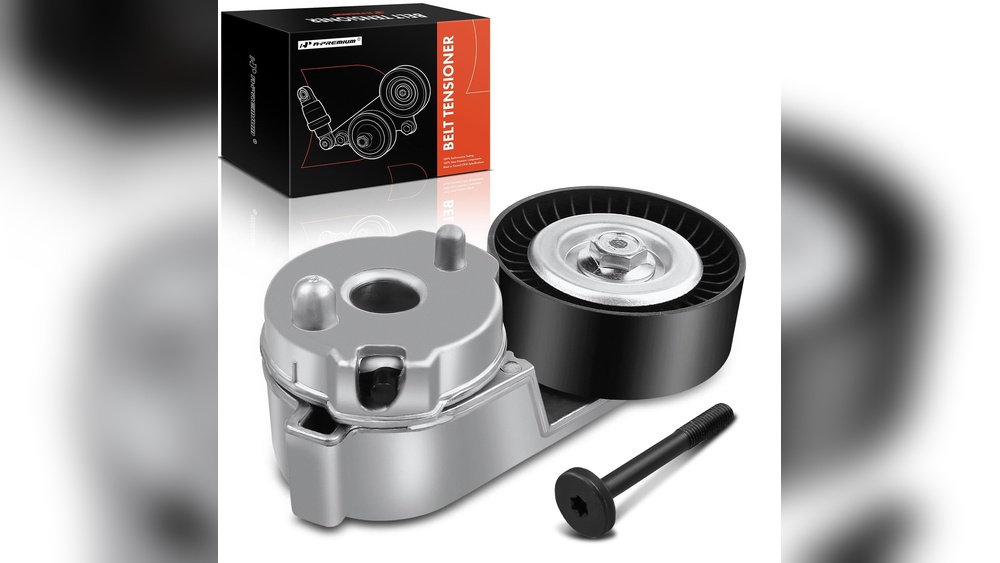
The timing belt wheel, also called the timing belt pulley, helps keep the engine’s camshaft and crankshaft in sync. If it fails or wears out, your engine can stop working or suffer serious damage. Jeep Cherokees, especially models from the 1990s and early 2000s, often use a timing chain instead of a belt, but the pulleys (wheels) are a weak point in both systems. If you hear unusual noises from the timing area, see metal shavings under the timing cover, or your Jeep’s timing belt is loose, the wheel may need replacement.
Key Facts About Timing Belt Wheels
- Material: Usually made of steel or aluminum.
- Wear Signs: Grooves, chips, or wobbling.
- Replacement Interval: Often at 60,000 to 100,000 miles (check your owner’s manual).
Tools And Materials Needed
Before you start, gather these essential tools and parts:
- New timing belt wheel (OEM or high-quality aftermarket)
- Socket set (metric and standard)
- Torque wrench
- Flathead and Phillips screwdrivers
- Breaker bar
- Crankshaft pulley puller (if needed)
- Jack and jack stands
- Timing belt kit (recommended)
- Gloves and safety glasses
- Shop light
- Gasket sealant (if needed)
- Engine service manual for your Jeep Cherokee model year
Some Jeep Cherokees may need special tools depending on engine type. Double-check your manual for any unique requirements.
Preparing Your Jeep Cherokee
- Park on Level Ground: Always start with a stable, flat surface.
- Disconnect the Battery: Remove the negative terminal to prevent electrical accidents.
- Raise the Vehicle: Use a jack and place jack stands under the frame. Never rely only on the jack.
- Remove Engine Covers: Take off any plastic or metal covers blocking access to the timing area.
Tip: Take photos at each step. They help you remember how things fit together later.
Removing The Old Timing Belt Wheel
This is where patience matters. Rushing can cause costly mistakes.
Step 1: Remove Serpentine Belt And Accessories
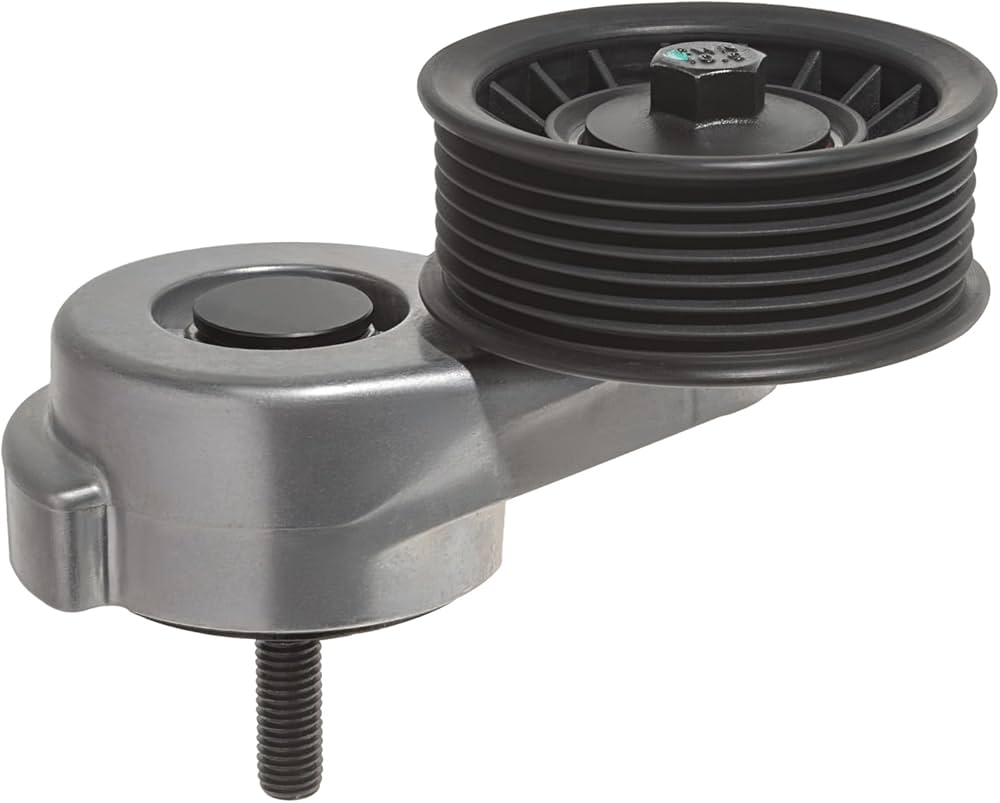
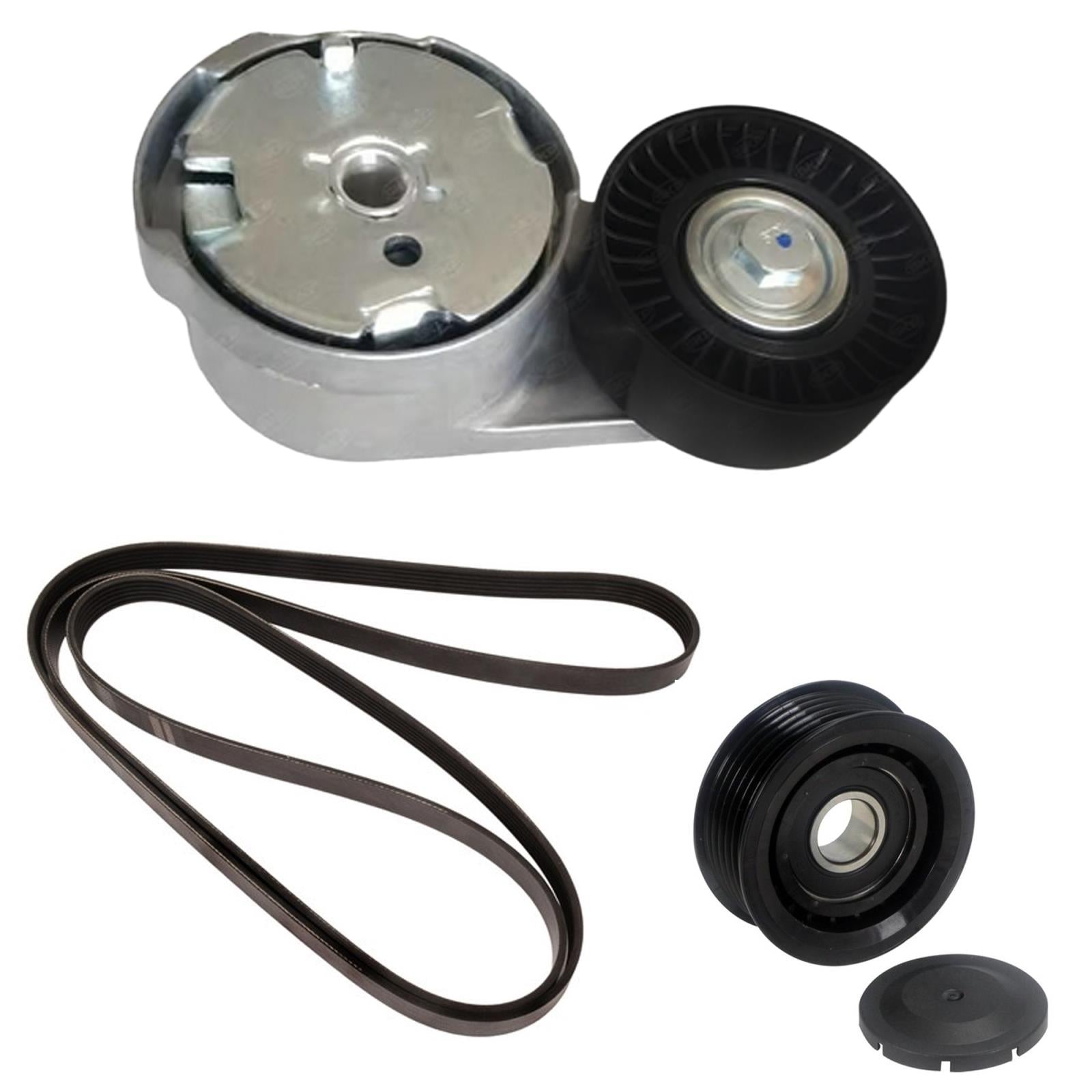
- Loosen the serpentine belt tensioner.
- Slide the belt off the pulleys.
- Remove any accessories (alternator, power steering pump) in the way.
Step 2: Take Off The Timing Cover
- Unscrew bolts holding the timing cover.
- Carefully pull off the cover to expose the timing belt and wheels.
Step 3: Align The Timing Marks
- Rotate the crankshaft with a socket until the timing marks on the camshaft and crankshaft wheels line up.
- This step is critical. Incorrect alignment can ruin your engine.
Step 4: Remove The Timing Belt
- Loosen the tensioner and slide the belt off the wheels.
- Inspect the belt for wear—if it’s old or damaged, replace it.
Step 5: Remove The Timing Belt Wheel
- Use the correct socket to loosen the timing belt wheel bolt.
- If it’s stuck, use a breaker bar or pulley puller tool.
- Slide the old wheel off. Inspect the mounting surface for wear or debris.
Non-obvious insight: If the wheel is hard to remove, do NOT pry it off with a screwdriver—this can damage the shaft. Use a pulley puller for safe removal.
Installing The New Timing Belt Wheel
Step 1: Clean And Inspect
- Wipe the area with a clean cloth.
- Check for oil leaks around seals. Replace seals if necessary.
Step 2: Fit The New Wheel
- Slide the new timing belt wheel onto the shaft.
- Hand-tighten the bolt to start.
Step 3: Torque The Bolt
- Use a torque wrench to tighten the bolt to the specification in your service manual (usually 35-45 lb-ft, but always check your model).
- Overtightening can crack the wheel. Undertightening can let it wobble loose.
Step 4: Install The New Timing Belt
- Route the belt around the wheels, following the diagram in your manual.
- Make sure the timing marks are still aligned.
- Install the belt tensioner and tighten to spec.
Step 5: Double-check Alignment
- Rotate the crankshaft by hand two full turns.
- Re-check that the timing marks line up perfectly.
- If not, remove the belt and repeat the steps.
Pro tip: Some engines have balance shafts with separate timing marks. Missing these can cause vibrations or poor running.
Reassembly And Final Steps
Step 1: Replace The Timing Cover
- Clean the cover and gasket surfaces.
- Apply a small amount of gasket sealant if needed.
- Bolt the cover back on evenly.
Step 2: Reinstall Accessories
- Replace any accessories you removed earlier.
- Reinstall the serpentine belt and adjust the tension.
Step 3: Lower The Vehicle And Reconnect Battery
- Remove the jack stands and lower your Jeep.
- Reconnect the negative battery terminal.
Step 4: Start The Engine
- Turn the key and let the engine idle.
- Listen for unusual noises.
- Watch for the check engine light.
If everything sounds normal and there are no leaks, your job is done.
Table: Typical Torque Specs For Jeep Cherokee Timing Belt Wheels
| Engine Model | Timing Belt Wheel Torque (lb-ft) | Belt Replacement Interval (miles) |
|---|---|---|
| 2.5L I4 | 35-40 | 60,000 |
| 4.0L I6 | 45 | 100,000 |
| 2.8L Diesel | 37 | 60,000 |
Note: Always use your model’s exact numbers from the service manual.
Common Mistakes To Avoid
- Not Aligning Timing Marks: This is the most serious error. Double-check before removing or reinstalling the belt.
- Skipping the Tensioner: Old or weak tensioners can cause the new belt to fail early.
- Wrong Tools: Using pliers or the wrong socket can damage bolts or components.
- Rushing Reassembly: Tighten bolts in the proper order and to the correct torque.
- Ignoring Seals: If you see oil leaks, replace camshaft and crankshaft seals to prevent damage.
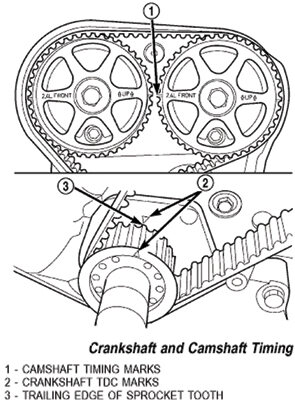
Table: Oem Vs Aftermarket Timing Belt Wheels
| Feature | OEM | Aftermarket |
|---|---|---|
| Price | Higher | Lower |
| Fitment | Perfect | Varies |
| Warranty | Usually included | Sometimes included |
| Material Quality | Consistent | Can vary |
How To Choose A Quality Timing Belt Wheel
Not all wheels are the same. Here are some tips for choosing a replacement:
- Buy from trusted brands or authorized dealers.
- Check customer reviews for your Jeep Cherokee year and engine.
- Look for wheels made of hardened steel or high-grade aluminum.
- Avoid used or reconditioned wheels—they may have hidden damage.
If possible, compare the new wheel to your old one before installing. The teeth and diameter should match exactly.
Data Table: Average Jeep Cherokee Maintenance Costs
| Maintenance Task | DIY Cost (USD) | Shop Cost (USD) |
|---|---|---|
| Timing Belt Wheel Replacement | $80 – $150 | $350 – $700 |
| Timing Belt Kit (belt, tensioner, wheel) | $120 – $220 | $600 – $1,000 |
| Water Pump Replacement | $70 – $130 | $300 – $500 |
Insight: Combining the timing belt wheel replacement with a full timing belt kit or water pump change can save you labor and money in the long run.
Practical Tips For Success
- Label Bolts and Parts: Use zip bags and markers to avoid mixing up bolts.
- Check YouTube or Jeep forums: Sometimes seeing a video can clarify confusing steps.
- Replace in Good Weather: If you’re working outdoors, pick a dry, cool day.
- Don’t Skip the Test Drive: After reassembly, drive gently for 20-30 minutes and listen for any odd noises.
Non-obvious insight: Many DIYers forget to reset the computer or clear any error codes after the job. Use an OBD-II scanner if your check engine light comes on.
When To Seek Professional Help
If you get stuck, hear grinding noises, or can’t align the timing marks, stop and seek help. Fixing mistakes after the engine is running can be much more expensive than calling a mechanic before starting the engine.
For more detailed technical steps or Jeep-specific issues, check the Jeep Cherokee (XJ) Wikipedia page for extra background.
Frequently Asked Questions
How Do I Know If My Jeep Cherokee Timing Belt Wheel Is Bad?
Look for strange noises, engine misfires, or visible wobbling near the timing area. If you remove the cover and see damaged teeth, grooves, or metal shavings, it’s time to replace the wheel.
Can I Drive My Jeep If The Timing Belt Wheel Is Failing?
No, it’s risky. A damaged wheel can cause the timing belt to slip or break, leading to serious engine damage. If you suspect a problem, replace the wheel before driving further.
How Long Does It Take To Replace The Timing Belt Wheel?
For most DIYers, the job takes 3 to 5 hours. Extra time may be needed if bolts are stuck or if you replace other parts like the water pump.
Is It Necessary To Replace The Timing Belt And Wheel Together?
It’s highly recommended. If one part is worn, the others likely are too. Replacing the timing belt, wheel, and tensioner together can prevent future breakdowns.
What’s The Difference Between Timing Belt And Timing Chain In Jeep Cherokees?
Older Cherokees (like the XJ 4.0L) use a timing chain instead of a belt. The replacement process is similar for pulleys and tensioners, but chains last longer and require different tools.
Replacing the timing belt wheel on your Jeep Cherokee is a job that demands attention to detail, but it’s possible for a careful DIY mechanic.
With the right tools, good information, and a methodical approach, you can keep your Jeep running smoothly for years to come.
Take your time, double-check your work, and don’t hesitate to ask for help if you run into trouble.