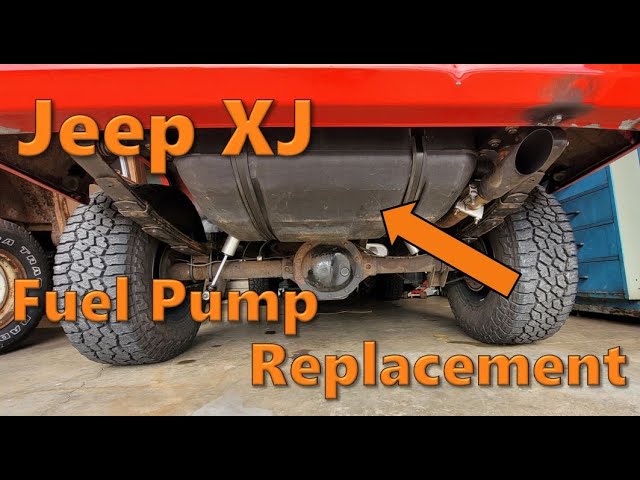
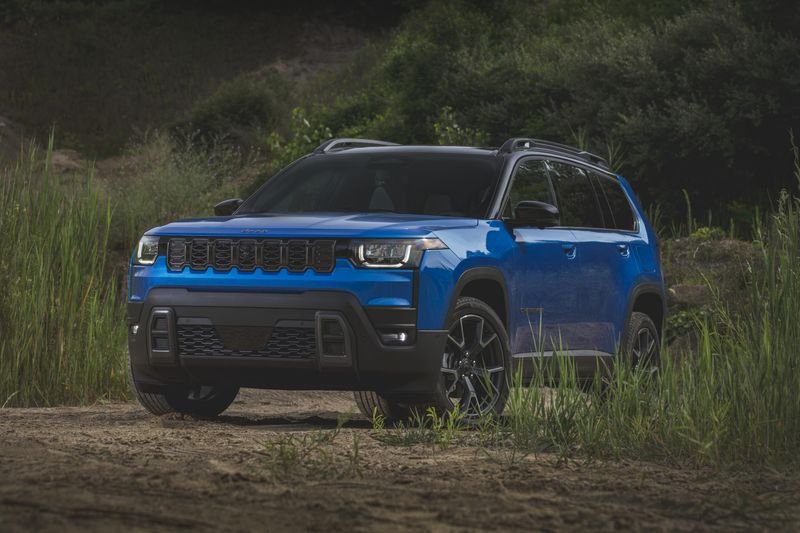
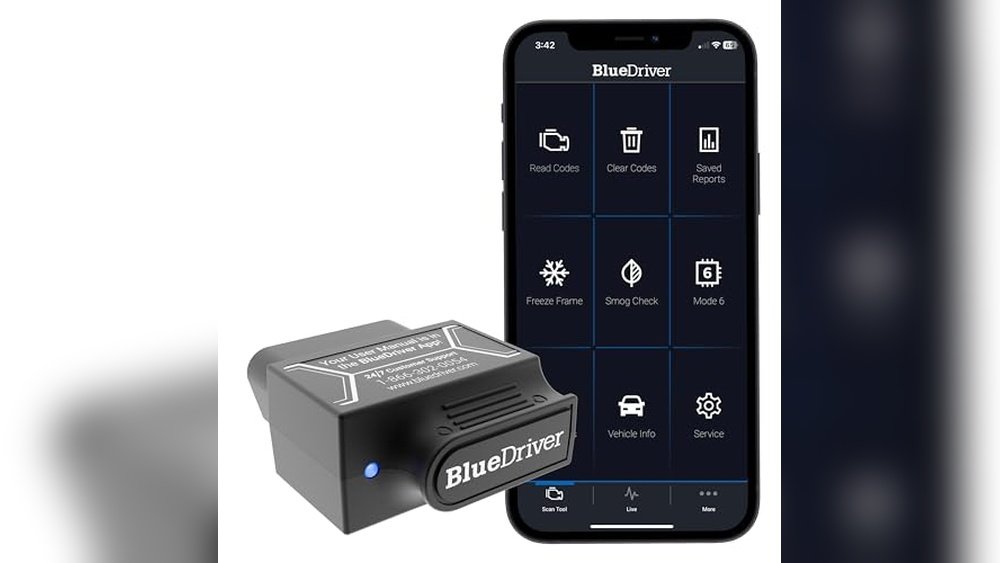
Replacing a fuel pump on a Jeep Cherokee can seem intimidating, but with the right tools and clear steps, many owners handle this job themselves. A failing fuel pump can cause stalling, hard starts, or even a vehicle that won’t run at all. Learning how to swap it out saves money and helps you understand your Jeep better. This guide will walk you through the process, highlight common mistakes, and offer tips you won’t find in most manuals.
When Should You Replace The Fuel Pump?
Most fuel pumps last between 100,000 and 150,000 miles. However, if your Jeep is struggling to start, losing power, or making whining noises near the fuel tank, the pump might be failing. Don’t ignore these signs; a dead pump means your engine won’t get fuel.
Common Symptoms
- Engine sputters at high speeds
- Sudden loss of power under load
- Difficulty starting
- Decreased fuel efficiency
- No sound from the pump when the key is turned on
If you notice two or more of these, it’s wise to test the pump before replacing it.
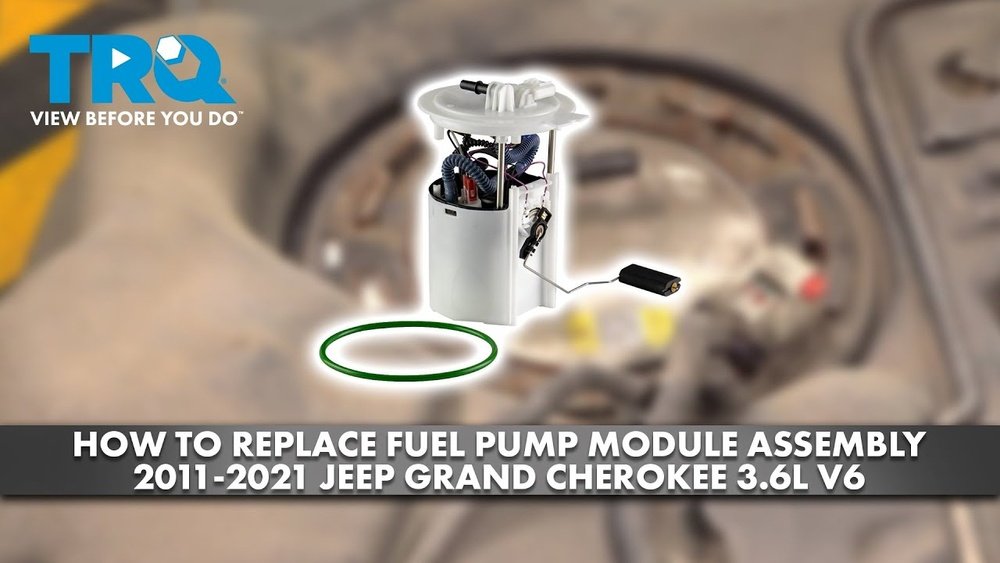
Tools And Materials Needed
To avoid frustration, gather these items before starting:
- Socket set (metric and SAE)
- Screwdrivers (flat and Phillips)
- Fuel line disconnect tool
- Floor jack and jack stands
- Safety glasses and gloves
- Drain pan
- New fuel pump (OEM or high-quality aftermarket)
- New fuel filter (recommended)
- Rags and shop towels
Pro tip: Always work with less than a quarter tank of gas to reduce weight and spillage.
Jeep Cherokee Fuel Pump Replacement Steps
1. Prepare The Vehicle
- Park on a flat surface and disconnect the negative battery cable to prevent sparks.
- Relieve fuel system pressure by removing the fuel pump relay and running the engine until it stalls.
- Safely lift the rear end with a floor jack and support with jack stands.
2. Remove The Fuel Tank
On most Jeep Cherokees, the fuel pump is inside the tank, so you must lower it.
- Disconnect the filler neck and vent hoses.
- Support the tank with a jack or block of wood.
- Undo the tank straps using a socket wrench. Lower the tank slowly.
3. Disconnect Lines And Wires
- Unplug the electrical connector to the pump.
- Use a fuel line disconnect tool to remove supply and return lines.
- Clean dirt around the pump to prevent contamination.
4. Remove And Replace The Fuel Pump
- Remove the locking ring or bolts holding the pump in place.
- Gently lift out the old pump. Note the orientation for the new one.
- Compare the old and new pumps side by side to ensure a match.
Non-obvious tip: Always replace the rubber O-ring or gasket to prevent leaks.
- Install the new pump, making sure the float arm and filter sock are positioned correctly.
5. Reinstall Everything
- Attach the locking ring or bolts.
- Reconnect fuel lines and wiring.
- Lift the tank back into position and secure with straps.
- Reconnect the filler neck and vent hoses.
6. Final Steps And Testing
- Reinstall the fuel pump relay.
- Reconnect the battery.
- Turn the key to “On” (without starting) for a few seconds to prime the pump. Repeat twice.
- Start the engine and check for leaks.
Extra insight: If your Cherokee cranks but won’t start, double-check the electrical connector and ground wire.
Comparison: Oem Vs Aftermarket Fuel Pumps
Choosing the right replacement part matters. Here’s a quick side-by-side:
| Feature | OEM Pump | Aftermarket Pump |
|---|---|---|
| Fit and Compatibility | Perfect match | May need slight adjustment |
| Warranty | 1-2 years, dealer supported | Varies (3 months to lifetime) |
| Price | Higher ($200–$400) | Lower ($80–$200) |
| Reliability | Excellent | Depends on brand |

Common Mistakes To Avoid
Even experienced mechanics make errors. Here are problems to watch for:
- Not relieving fuel pressure – This can spray fuel everywhere.
- Forgetting the new O-ring – Old seals often cause leaks.
- Rushing wiring connections – Loose plugs will stop the pump from working.
- Letting dirt fall into the tank – Always wipe down the area before opening the tank.
- Skipping the fuel filter – A clogged filter strains your new pump.
Cost And Time Estimates
Replacing a fuel pump at home typically takes 2–4 hours. Here’s an overview:
| Task | Time (Hours) | Typical Cost (USD) |
|---|---|---|
| Pump & Filter | 1.5–2 | $100–$400 |
| Labor (if shop) | 1.5–2 | $150–$300 |
| Total DIY | 2–4 | $100–$400 |
| Total Shop | 2–4 | $300–$700 |

Safety And Environmental Tips
- Work outdoors or in a well-ventilated area.
- Always wear safety glasses and gloves.
- Dispose of old fuel and parts at a recycling center.
Little-known tip: Pouring leftover fuel into a car is safe, but never dump it down a drain—this is illegal and harms the environment. For more guidance, see the EPA’s advice on used oil management.
Frequently Asked Questions
How Do I Know If My Jeep Cherokee Fuel Pump Has Failed?
Common signs include no start, engine sputtering, or whining noises from the tank. A mechanic can test fuel pressure to confirm.
Can I Replace The Fuel Pump Without Dropping The Tank?
On most Cherokees, the tank must be lowered. Only rare models with access panels allow a shortcut.
Is It Safe To Drive With A Failing Fuel Pump?
It’s risky. A weak pump can stop working at any time, leaving you stranded or causing engine damage.
What Tools Are Absolutely Required?
You need a socket set, screwdrivers, fuel line tool, jack stands, and safety gear. Skipping the right tools makes the job much harder.
Should I Replace The Fuel Filter At The Same Time?
Yes. A new filter helps your new pump last longer and ensures clean fuel reaches your engine.
Tackling a Jeep Cherokee fuel pump replacement might seem challenging, but with patience and attention to detail, most owners can complete the job in a few hours. Double-check your connections, keep safety first, and you’ll have your Jeep running strong again—ready for the next adventure.