If you drive a Jeep TJ, you know its simple design makes DIY repairs possible—even for beginners. One common repair is removing the cigarette lighter (also called a 12V accessory socket).
Maybe it stopped working, looks worn out, or you want to upgrade to a USB port. Whatever your reason, removing this part is a straightforward project with basic tools.
But if you’ve never removed interior parts from your Jeep, it can be confusing. Some clips are hidden, wires are tight, and you don’t want to break anything.
This guide will walk you through every step, explain what tools you need, and help you avoid common mistakes.
You’ll finish with confidence, and maybe learn a few Jeep tricks along the way.
What Is The Jeep Tj Cigarette Lighter?
The cigarette lighter in the Jeep TJ is a round electrical socket located in the dash, usually near the climate controls. In older Jeeps, it was used to power a heating element for lighting cigarettes. Today, most drivers use it as a 12V power outlet for charging phones, running GPS units, or powering portable air pumps.
All Jeep TJ models (1997–2006) come with a single lighter socket in the center dashboard area. It’s designed to handle up to 20 amps of power, but the wiring and fuse protect the rest of your electrical system. It’s important to know that the lighter socket is not just a simple plug—it has wires, connectors, and a special mounting clip that holds it in the dash.
Why Remove Or Replace The Cigarette Lighter?
There are a few common reasons Jeep TJ owners want to remove this part:
- Socket stops working: Over time, the metal contacts inside can corrode or loosen.
- Upgrading to modern ports: Many people replace the lighter with a dual USB charger.
- Custom dash work: If you’re installing switches, gauges, or other accessories, you may need that space.
- Cleaning or repair: Sometimes, coins or debris fall into the socket, causing electrical problems.
If your lighter doesn’t work, check the fuse first sometimes, a simple fuse change fixes it. But if the problem is inside the socket, removal is the only way to fix or replace it.
Tools And Materials Needed
You don’t need special tools, but having the right gear makes the job easier. Here’s what you should gather before starting:
- Flathead screwdriver (small to medium size)
- Phillips screwdriver
- Trim panel removal tool (optional but safer for plastic)
- Needle-nose pliers
- Work gloves
- Flashlight (the dash area can be dark)
- Replacement socket (if you’re upgrading or repairing)
- Multimeter (to check for power, optional)
- Electrical tape (for wire safety)
- Small container (to hold screws and clips)
Pro tip: Always disconnect your Jeep’s negative battery cable before working on any electrical part. This prevents accidental short circuits.
Step-by-step Guide: How To Remove Jeep Tj Cigarette Lighter
Follow these steps carefully. Each step explains what to watch for and how to avoid breaking clips or damaging wires.
1. Disconnect The Battery
Before touching anything, pop the hood and disconnect the negative battery cable. This keeps you safe and protects your Jeep’s electronics.
- Use a 10mm wrench to loosen the nut.
- Remove the cable and set it aside (don’t let it touch metal).
2. Access The Dashboard Panel
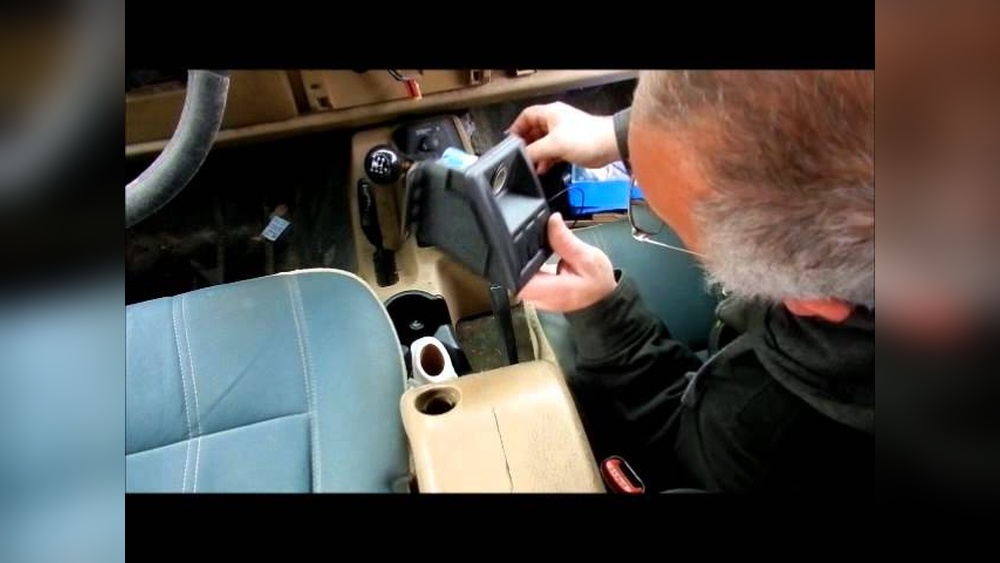
The cigarette lighter sits inside the main center bezel (the plastic panel around your radio and AC controls).
- Use a Phillips screwdriver to remove the screws at the top and bottom of the bezel.
- If your Jeep has air vents or switches, carefully pop those out with a trim tool or flathead screwdriver.
- Gently pry the bezel away. It’s held in by plastic clips, so apply even pressure. Don’t rush—old plastic can crack.
Tip: Place all screws and clips in your container so you don’t lose them.
3. Locate The Cigarette Lighter Assembly
With the bezel off, you’ll see the back of the cigarette lighter. It’s a round plastic socket with two wires (usually black and orange or red).
- Check for any extra brackets or metal tabs holding the lighter in place.
- Note how the wires are connected—taking a photo with your phone can help during reinstallation.
4. Disconnect The Wiring
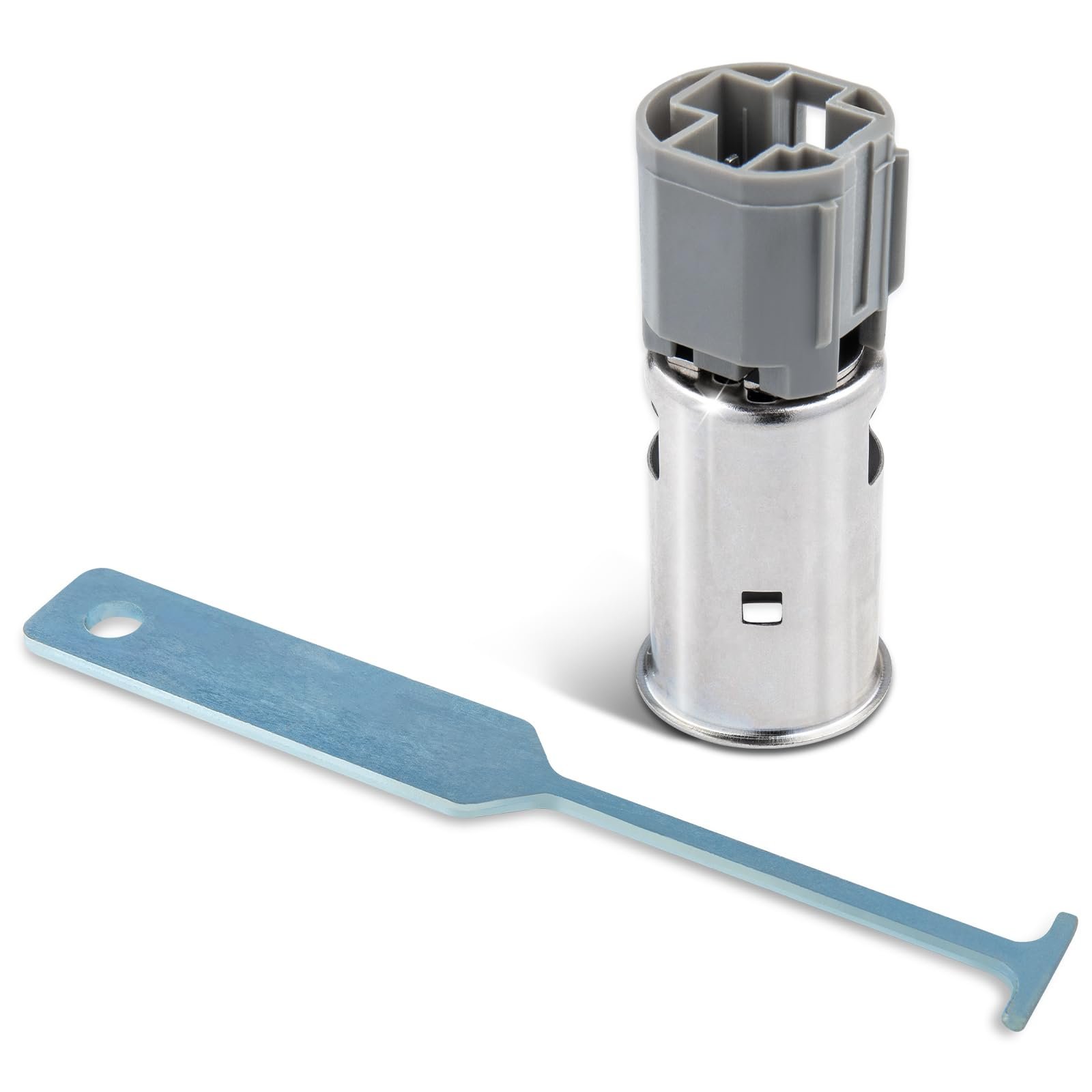
There are two parts to the lighter: the socket (stays in the dash) and the electrical connector (plugs into the back).
- Gently squeeze the connector’s locking tab and pull it straight out.
- If it’s stuck, use needle-nose pliers, but never yank on the wires.
If you have a multimeter, you can test for power at this point. This step is optional, but it’s a good way to check if the socket or wiring is faulty.
5. Remove The Cigarette Lighter Socket
The socket is held in the dash by metal or plastic tabs. Here’s how to release it:
- From the back, find the two metal retaining tabs on the sides of the socket.
- Squeeze both tabs inward at the same time.
- Push the socket forward, through the front of the dash.
If the socket feels stuck, wiggle it gently. Sometimes, years of dust or heat make it tight. Avoid using too much force.
For some Jeep TJs, the socket and its “sleeve” come out together. In others, the socket separates from a mounting ring. Keep track of all parts.
6. Inspect And Replace (if Needed)
With the lighter removed, check for:
- Burn marks on the contacts
- Corrosion or debris inside the socket
- Loose or damaged wires
If you’re installing a new socket or USB port:
- Snap the new socket into the dash hole.
- Reconnect the wires (match color to color).
- If your new accessory needs a ground wire, use the same spot as the old one.
Pro tip: Always use the correct fuse size. Most Jeep TJ lighters use a 20A fuse. Check your owner’s manual to confirm.
7. Reassemble The Dashboard
Reverse your steps:
- Slide the bezel back into place, snapping clips in gently.
- Reinstall all screws.
- Reconnect any switches or vents you removed.
Before finishing, double-check all connections are tight and nothing is pinched.
8. Reconnect The Battery And Test
Finally, reconnect the negative battery cable.
- Turn the key to ACC (accessory mode).
- Plug in a phone charger or test device to check for power.
- If everything works, you’re done!
If the socket doesn’t work, check the fuse or look for loose connections.
Common Problems And Solutions
Even a simple project can run into problems. Here’s how to solve the most common ones:
The Socket Is Stuck
If the lighter won’t budge, spray a little plastic-safe lubricant around the edges. Let it soak for a minute, then try again.
Sometimes, old sockets almost “glue” themselves to the dash.
The Connector Won’t Release
Wiggle gently and press the locking tab firmly. If it still won’t come off, use a small flathead to lift the tab while pulling.
No Power After Reinstall
First, check the fuse. Then, test the wires with a multimeter.
The orange wire should show 12 volts with the key on. If not, trace the wire back sometimes, a broken wire hides behind the dash.
Blown Fuse
This usually happens if the wires touch metal during reassembly. Always tape up any exposed wire ends and never force the socket into place.
Comparison: Oem Vs Aftermarket Cigarette Lighter Sockets
Many Jeep TJ owners wonder if they should buy a factory (OEM) socket or an aftermarket one. Here’s a quick look at the differences:
| Feature | OEM Socket | Aftermarket Socket |
|---|---|---|
| Fit & Finish | Perfect match to dash | May require slight trimming |
| Electrical Quality | Meets Jeep specs | Varies by brand |
| Price | More expensive ($20–$35) | Cheaper ($10–$20) |
| Features | Basic socket only | Options: USB, voltmeter, dual outlets |
| Warranty | Usually included | Check brand policy |
For most Jeep owners, aftermarket sockets are a good value, especially if you want USB charging. But for a perfect factory look, stick with OEM.

Quick Reference: Jeep Tj Cigarette Lighter Fuse Location
Can’t find your fuse? Here’s a reference for the most common Jeep TJ years:
| Model Year | Fuse Location | Fuse Amp Rating |
|---|---|---|
| 1997–2002 | Behind glove box, Fuse #18 | 20A |
| 2003–2006 | Behind glove box, Fuse #15 | 20A |
Always double-check your owner’s manual for your specific year.
What Most People Miss When Removing The Socket
Many first-timers make these mistakes:
- Forgetting to disconnect the battery: This can cause sparks or blow fuses.
- Not labeling wires: If you have extra dash accessories, make sure you know which wire goes where.
- Losing small clips or screws: Work slowly and use a container for tiny parts.
- Rushing the dash removal: Old plastic breaks easily. Patience prevents expensive repairs.
Non-obvious tip: If your Jeep has a lighter that works only with the key ON, you can rewire it to be “always on.” Move the power wire to a constant 12V source (ask an expert before trying—this can drain your battery if you forget devices plugged in).
Another insight: If your new socket feels loose in the dash, wrap a layer of electrical tape around the mounting tabs before installing. This gives a snug fit without glue.
Is It Safe To Install A Usb Port Instead?
Many people want to swap the lighter for a USB charger. This is safe if you buy a high-quality socket rated for 20A and wire it correctly. Avoid the cheapest versions—they may overheat. Always use the correct fuse and check that the USB charger fits tightly in the dash.
If you run heavy gear (like air compressors), keep the original socket for higher power needs and add USB as a second accessory.
Safety Tips And Best Practices
- Work with the battery disconnected.
- Keep drinks and liquids away from the dash while working.
- Use only plastic tools on interior trim to avoid scratches.
- Never force electrical connectors—if they don’t fit, double-check the orientation.
- Test new parts before fully reassembling the dash.
When To Seek Professional Help
You can do this job yourself, but if you find:
- Melted wires or burnt smells behind the dash
- Broken or missing connectors
- Confusing aftermarket wiring from past owners
It’s smart to ask a mechanic or automotive electrician for help. Electrical faults can cause problems beyond the lighter socket.
More Jeep Tj Diy Resources
If you want more detail, photos, or tips, there are many Jeep owner forums and DIY videos online. The Jeep Wrangler TJ Service Manual is a great resource for wiring diagrams and part numbers. You can also check out Wrangler Forum for step-by-step threads.
Frequently Asked Questions
How Long Does It Take To Remove A Jeep Tj Cigarette Lighter?
For most people, the whole process takes 30 to 60 minutes. If you’ve never removed dash panels before, give yourself extra time to work slowly.
Do I Need Special Tools To Remove The Lighter?
No, just basic hand tools: screwdrivers, pliers, and a trim tool. Having a multimeter helps if you want to test the wiring.
Can I Use The Cigarette Lighter Socket For High-power Accessories?
Yes, but stay under 20 amps. For anything higher (like big air compressors), use a dedicated fuse and heavier wiring.
What Size Fuse Should I Use For The Lighter Socket?
The standard fuse size for Jeep TJ lighter sockets is 20A. Never install a larger fuse—it can cause wire damage.
Is It Better To Install A Usb Port Instead Of A Lighter Socket?
For most drivers, a USB port is more useful. Just make sure the new socket fits tightly and is rated for automotive use.
Removing the Jeep TJ cigarette lighter is a project you can handle in your driveway. With patience and the right tools, you’ll have a working accessory socket—or a new USB charger—ready for your next adventure.