Removing the battery from a Jeep Renegade sounds simple, but it’s a task that demands care. Whether your battery is dead, you’re upgrading, or you want to clean terminals, knowing the right steps makes a big difference.
Many Jeep Renegade owners struggle with battery removal because the process isn’t as straightforward as with older vehicles.
Today, you’ll learn how to do it safely, efficiently, and without damaging your car or hurting yourself.
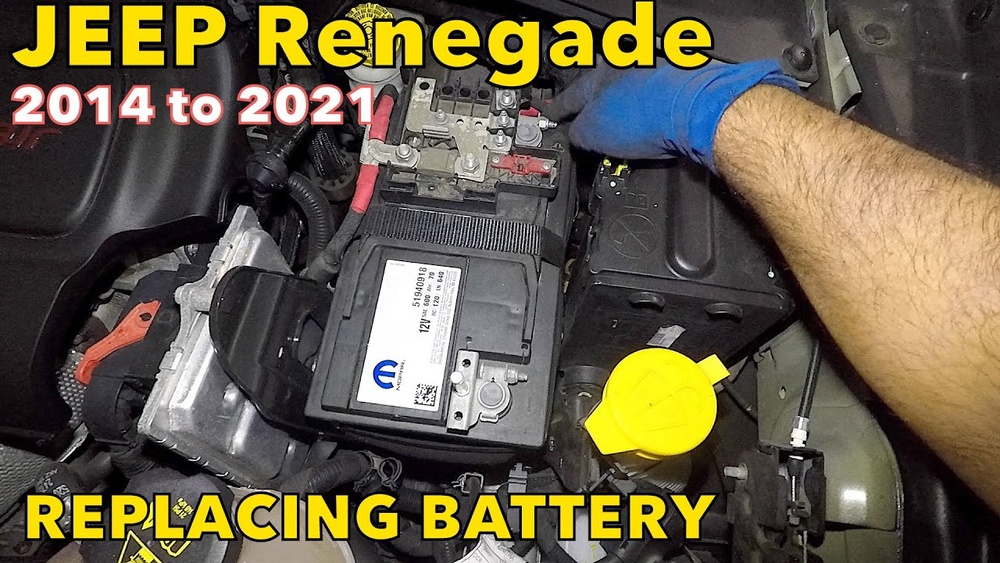
Jeep Renegade Battery Location And Basics
The Jeep Renegade battery sits under the hood, slightly to the left. Unlike some SUVs, the battery is easy to access, but you’ll need a few tools. Most Renegade models use a 12V lead-acid battery with a typical capacity of 50–60 Ah (amp-hours). Always check your manual for your exact battery specs.
Here’s a quick comparison of battery types you might see:
| Battery Type | Capacity (Ah) | Lifespan (years) | Common Use |
|---|---|---|---|
| Lead-acid | 50-60 | 3-5 | Standard Renegade |
| AGM | 60-70 | 4-6 | Start-stop models |
Most Renegades use lead-acid batteries, but some newer models with start-stop features use AGM batteries. AGM lasts longer and resists vibrations better.
Tools And Preparation
Before removing your battery, gather a few essential tools:
- Socket wrench (10mm or 13mm)
- Screwdriver
- Gloves
- Safety glasses
- Battery terminal puller (optional)
Never skip safety gear. Batteries contain acid, and accidental short circuits can cause burns.
Safety Precautions
- Always turn off your engine and remove the key.
- Wait at least five minutes after turning off your vehicle.
- Avoid wearing metal jewelry.
- Disconnect negative terminal first to prevent sparks.
Many beginners forget to check the radio and clock settings. Removing the battery can erase presets, so note them before starting.
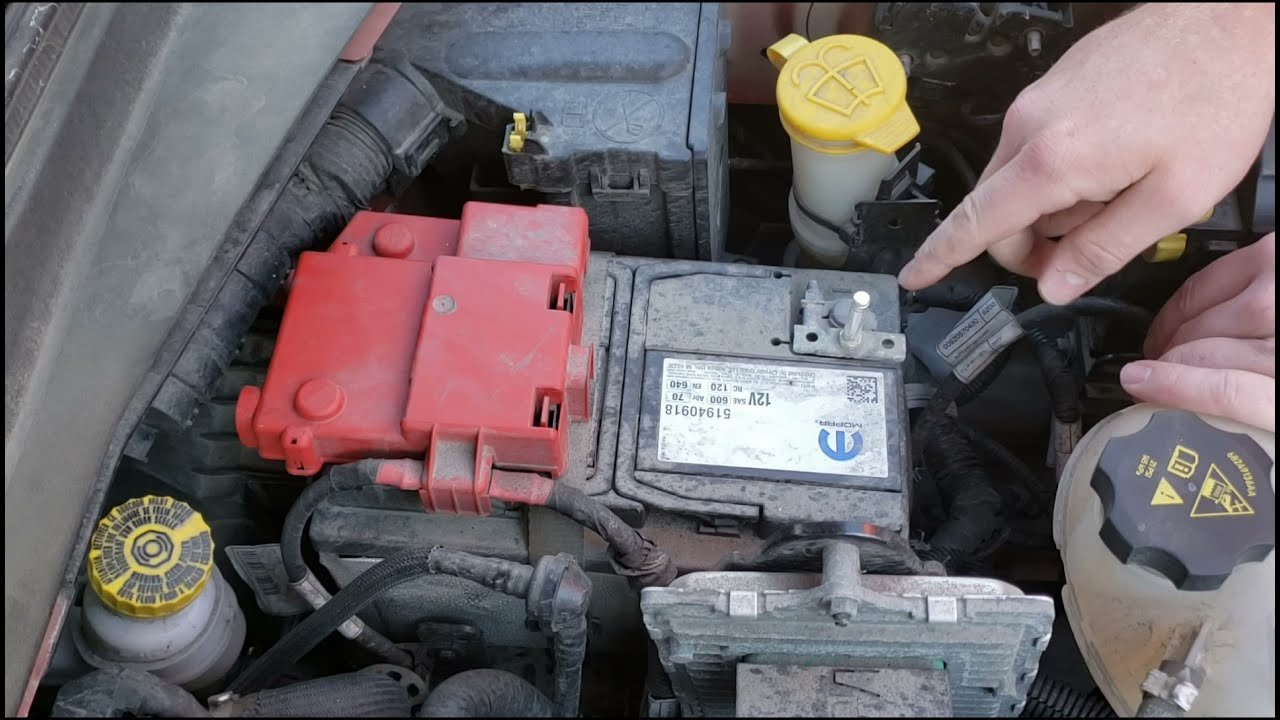
Step-by-step Battery Removal
Follow these steps to remove your Jeep Renegade battery:
- Open the hood and secure it with the prop rod.
- Locate the battery. It’s near the driver’s side fender.
- Identify terminals. The negative terminal has a black cable; positive is red.
- Disconnect the negative terminal using your socket wrench. Loosen the bolt, then gently lift the cable off.
- Disconnect the positive terminal. Repeat the process with the red cable.
- Remove the battery hold-down clamp. It’s often a metal bar or bracket on the front or side. Use your socket wrench.
- Lift the battery out. Batteries weigh 30–40 pounds, so use both hands and keep your back straight.
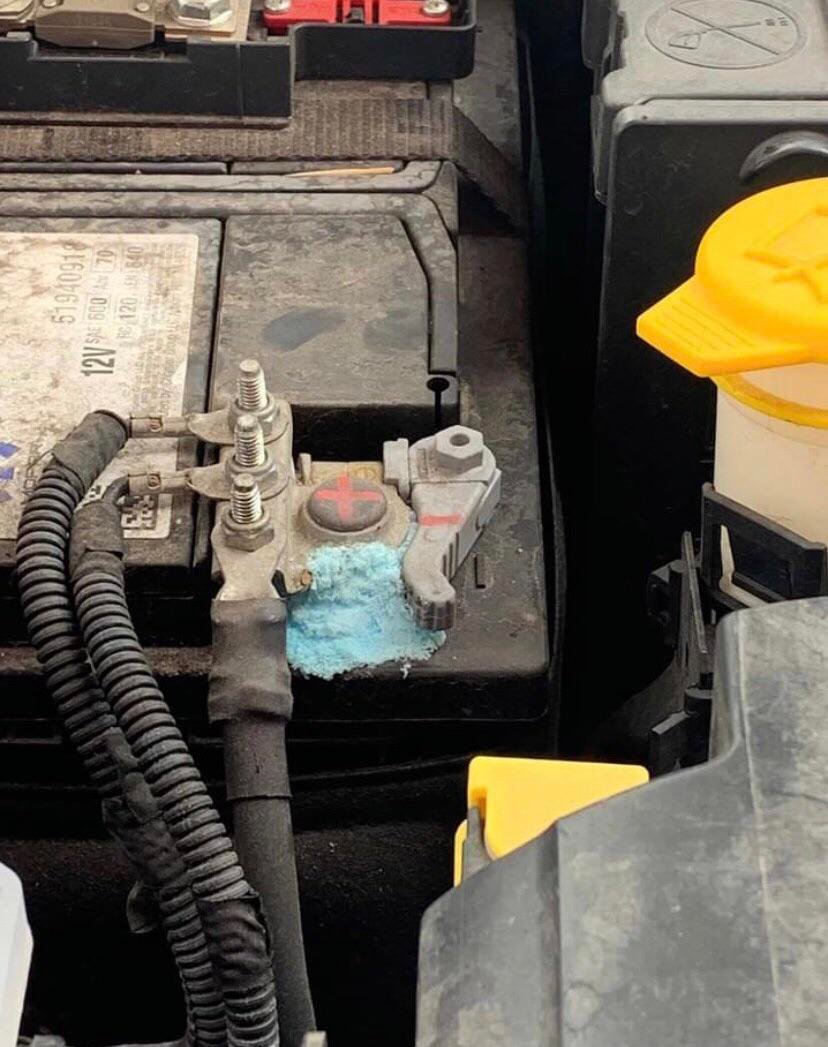
- Inspect the tray and cables for corrosion. Clean if needed with baking soda and water.
Here’s a comparison of battery removal times:
| Experience Level | Time Needed | Common Mistakes |
|---|---|---|
| Beginner | 20–30 minutes | Wrong terminal order, lost clamps |
| Experienced | 10–15 minutes | Rushing steps |
Non-obvious tip: Mark the cables with tape before disconnecting. This avoids confusion during reinstallation.
Handling And Disposal
After removing the battery, handle it carefully. Place it on a flat surface, away from pets and children.
Never tip the battery spilled acid can damage surfaces and cause injury.
Battery Disposal
Car batteries are hazardous waste. Do not throw them in regular trash. Most auto parts stores offer recycling services. According to the EPA, over 99% of lead-acid batteries are recycled in the US. You can also check with local recycling centers or visit your dealer.
For more information about safe battery disposal, visit the EPA’s battery recycling page.

Installing A New Battery
Once you’ve removed the old battery, installing a new one is almost the reverse:
- Clean the tray and cables to remove corrosion.
- Place the new battery in the tray, aligning terminals correctly.
- Secure the hold-down clamp.
- Connect the positive terminal first.
- Connect the negative terminal.
- Double-check connections—loose cables cause starting issues.
- Start the car to test the installation.
Common mistake: Many people overtighten the clamps, which can damage the battery posts. Tighten just enough to prevent movement.
Troubleshooting After Removal
Sometimes, after battery removal, your Jeep Renegade may show warning lights or lose settings. Don’t panic this is common.
- If the radio or clock resets, enter your saved presets.
- If the car won’t start, check both terminals for tightness.
- If dashboard lights stay on, wait a few minutes; some computers need time to reset.
Non-obvious insight: Certain Renegade models require an idle relearn after battery change. Let the engine run for five minutes without touching the gas pedal. This helps the computer recalibrate.
Frequently Asked Questions
How Do I Know My Jeep Renegade Battery Needs Replacing?
If your Jeep struggles to start, the lights dim, or you see a battery warning on the dashboard, it’s likely time to replace. Most batteries last 3–5 years.
Can I Use Any Battery For My Jeep Renegade?
No. Always use a battery with the same size, type, and capacity as the original. Check your manual or consult your dealer for specs.
What Happens If I Disconnect The Positive Terminal First?
Disconnecting the positive terminal first can cause sparks and short circuits. Always remove the negative terminal first for safety.
Is It Safe To Remove The Battery Myself?
Yes, as long as you follow the steps and wear safety gear. If you feel unsure, ask a mechanic for help.
Where Can I Recycle My Old Battery?
Most auto parts stores and recycling centers accept used batteries. You can find local options on the EPA website or ask your Jeep dealer.
Removing your Jeep Renegade battery isn’t complicated, but it requires attention to detail and safety. With careful preparation, the right tools, and clear steps, you can do it yourself and avoid common mistakes.
Always recycle your old battery responsibly. If you have trouble, don’t hesitate to get help from a professional.


















