Removing the back seat from your Jeep can give you more cargo space, make cleaning easier, or help with custom modifications. Whether you drive a Wrangler, Cherokee, or another model, the process is quite similar.
Many Jeep owners feel nervous about tackling this job, but with the right tools and some careful steps, you can do it yourself in under an hour.
Here’s a straightforward guide that covers what you need, common mistakes, and practical tips for a hassle-free experience.
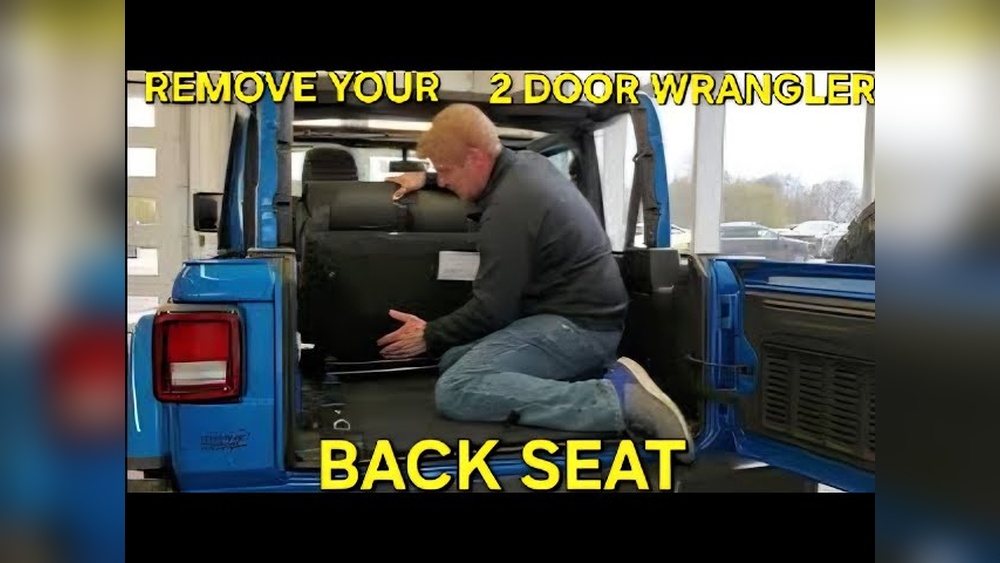
Why Remove The Jeep Back Seat?
People remove the Jeep back seat for different reasons. Some want more room for camping gear, pets, or work tools. Others need to clean out dirt and debris that collects under the seats, especially after off-roading. There are also drivers who want to install custom storage, sound systems, or even a sleeping platform. It’s important to remember that removing the back seat may affect the number of passengers your Jeep can legally carry.
Tools And Preparation
Before starting, gather these basic tools:
- Socket wrench set (usually 13mm, 15mm, or 18mm sockets)
- Flathead screwdriver
- Pliers
- Work gloves
Check your Jeep’s manual for any special instructions or warnings. Park your Jeep on a flat surface and set the parking brake.
If your seat has airbags or sensors, disconnect the battery for safety.
Here’s a quick comparison of tools needed for common Jeep models:
| Jeep Model | Main Tools Needed | Typical Bolt Size |
|---|---|---|
| Wrangler JK/JKU | Socket wrench, screwdriver | 18mm |
| Cherokee XJ | Socket wrench, pliers | 13mm |
| Grand Cherokee | Socket wrench | 15mm |
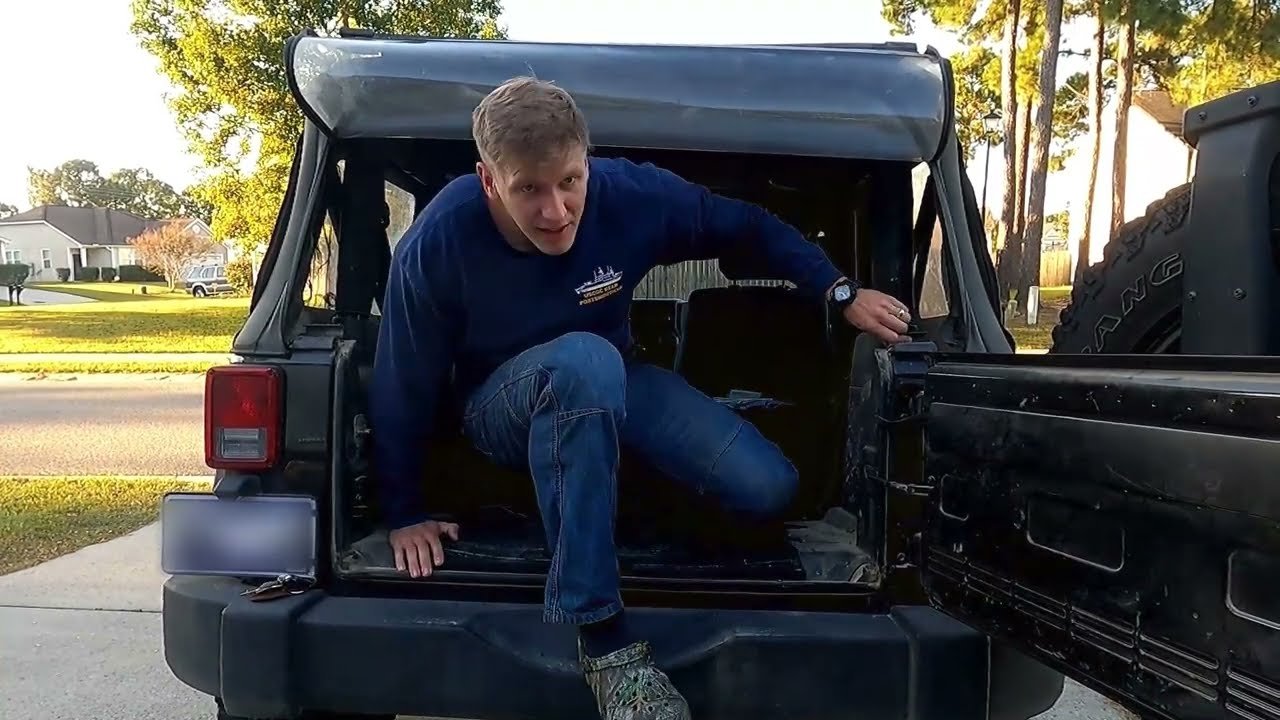
Step-by-step Guide: Removing The Back Seat
Follow these steps for most Jeep models. The process may vary a little, but the basics are the same.
1. Fold And Prepare The Seat
Start by folding the seat forward if your model allows. This exposes the mounting bolts and makes them easier to reach. Remove any floor mats and items from the back seat area.
2. Locate And Remove Bolts
Find the seat mounting bolts at the front and rear of the seat bracket. Use the correct socket size forcing the wrong one can strip the bolt.
Loosen and remove all bolts, keeping them in a small container so you don’t lose them.
3. Disconnect Seat Belts And Wires
Some Jeeps have seat belts attached to the seat frame or electrical connectors for airbags. Gently unclip these using a flathead screwdriver or pliers.
Never yank on wires; always press the release tab.
4. Remove The Seat From The Vehicle
Once everything is disconnected, tilt the seat forward and lift it out. You may need a friend’s help, especially with heavier seats.
Be careful not to scratch your Jeep’s interior.
5. Store Or Reinstall
Store the seat and bolts in a dry place if you plan to reinstall later. If you’re not reinstalling, cover the mounting holes with tape to block dust and moisture.
Here’s a simple table showing removal time by Jeep model:
| Jeep Model | Estimated Time | Seat Weight |
|---|---|---|
| Wrangler JK | 30-40 min | 45 lbs |
| Cherokee XJ | 20-30 min | 30 lbs |
| Grand Cherokee | 35-45 min | 50 lbs |
Common Mistakes To Avoid
Many first-timers make these errors:
- Forgetting to disconnect the battery if your seat has electrical parts. This can trigger warning lights or even airbags.
- Using the wrong tools can strip bolts or damage plastic panels.
- Losing bolts—keep a small box or bag handy for all hardware.
- Rushing the process. Take your time to avoid damaging the seat or your vehicle.
A less-known tip: If you plan to keep the seat out for a long time, add a little grease to the mounting holes. This prevents rust, especially in humid climates.

What To Do After Removing The Seat
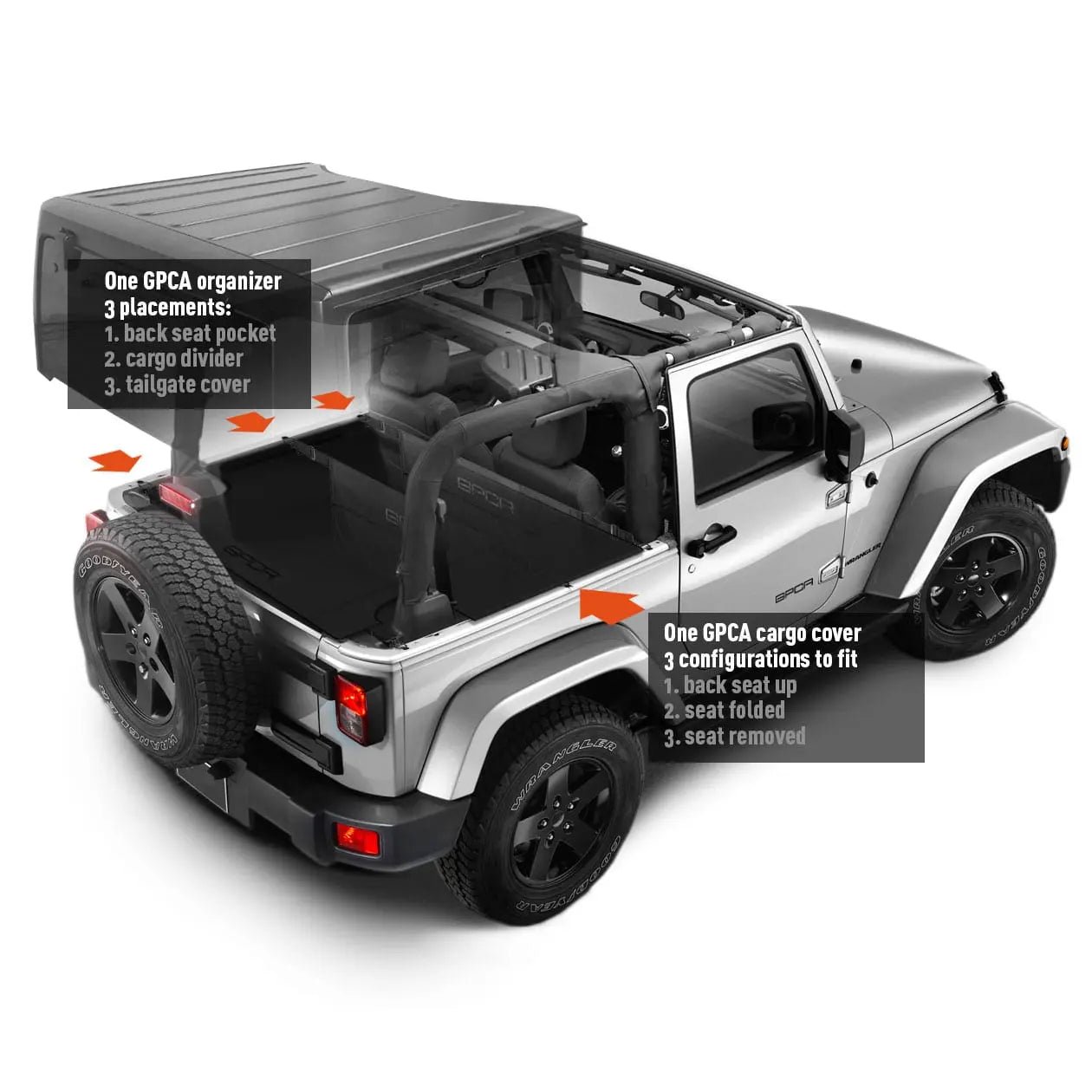
With the seat out, you have a chance to deep-clean the carpet or install storage solutions. Many Jeep owners put down a rubber cargo liner to protect the floor. If you notice any exposed wires, secure them with zip ties so they don’t snag.
For those adding a platform or custom storage, measure the area carefully. Jeep interiors are not perfectly square fitting boxes or drawers can take a few tries.
Mark your mounting points before drilling or screwing anything down.
Safety And Legal Considerations
Removing the back seat changes the number of passengers your Jeep can carry. In most states, you cannot legally transport more people than you have seat belts for.
Also, your insurance policy may have rules about modifications check before making permanent changes.
If you plan to sell your Jeep, keep the seat and bolts. Buyers often want the original seating, and missing parts can lower the vehicle’s value.
Frequently Asked Questions
How Hard Is It To Remove The Back Seat From A Jeep?
For most models, it’s a moderate DIY task. You need simple tools, patience, and some muscle. Heavier seats or extra wiring can make it harder, but most owners finish in under an hour.
Will Removing The Seat Trigger An Airbag Warning?
If your Jeep has sensors or airbags in the seat, disconnecting without pulling the battery can trigger a warning light. Always disconnect the battery before unplugging any wires.
Can I Drive My Jeep Without The Back Seat?
Yes, you can. But you must not carry more passengers than you have seat belts for.
Check your local laws to be sure, as some regions have specific rules about seat removal.
Will Removing The Back Seat Increase Cargo Space?
Absolutely. Most Jeep owners gain a large flat area for gear, pets, or camping. Just remember to secure loose items so they don’t move around while driving.
Where Can I Find More Detailed Instructions For My Specific Jeep?
Your Jeep’s owner’s manual is a good start. For videos and model-specific guides, the Jeep Official Website has resources and manuals for all recent models.
Removing your Jeep’s back seat is a simple way to add flexibility to your vehicle. With a bit of planning and care, you’ll have extra space and a cleaner cabin in no time.
Take your time, keep track of your hardware, and enjoy the new possibilities your Jeep offers.


















