Removing the antenna from your Jeep is a common task for many owners. Whether you want to upgrade to a shorter antenna, install a new accessory, or simply fix reception issues, knowing the right steps makes the process quick and safe. Many Jeep models, especially the Wrangler and Cherokee, have antennas that are easy to access and remove. This guide will help you do it confidently, avoid mistakes, and understand what to expect before and after removal.
Why Remove Your Jeep Antenna?
There are a few reasons why you might want to remove your Jeep antenna:
- Upgrading to a stubby antenna for off-road adventures (reduces risk of breakage)
- Improving radio reception with a high-quality replacement
- Installing roof racks or other accessories that require more clearance
- Preventing theft or vandalism in certain areas
Antenna removal is simple for most Jeeps, but some models may require special tools or extra steps.

Tools And Supplies Needed
You don’t need much to remove a Jeep antenna. Make sure you have these items ready:
- Adjustable wrench or pliers (for unscrewing)
- Soft cloth (to protect the paint)
- Replacement antenna (if you plan to upgrade)
- Thread locker (optional, for securing new antenna)
- Step stool (for taller Jeeps)
For newer models, a wrench is often not needed, but it’s always best to check.
Step-by-step Guide: Removing Your Jeep Antenna
Follow these steps for safe and easy antenna removal:
1. Locate The Antenna Base
Most Jeep antennas are mounted on the front fender, near the windshield. The base is usually easy to see.
2. Protect The Paint
Place a soft cloth around the antenna base. This prevents scratches if the wrench slips.
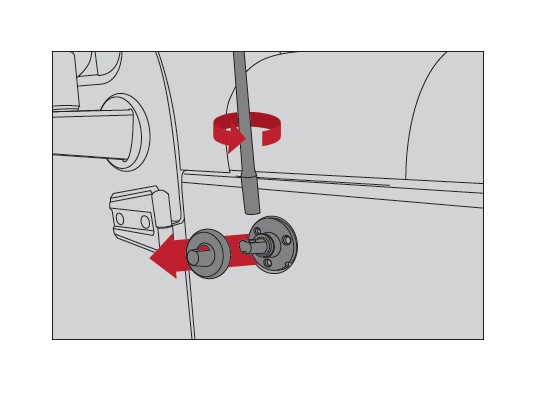
3. Unscrew The Antenna
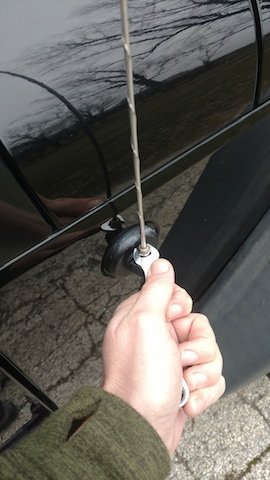
Grip the antenna firmly at the base. Turn it counterclockwise.
For most models, the antenna will loosen by hand. If it’s tight, use pliers or a wrench.
- Be careful not to bend the antenna or scratch the paint.
- Remove the antenna
Once loose, pull the antenna straight up and off the mount.
5. Check The Threads
Inspect the threads for dirt or rust. Clean them with a dry cloth.
6. Install A New Antenna (optional)
Screw the new antenna onto the mount by turning it clockwise. Hand-tighten first, then use a wrench if needed.
7. Test Radio Reception
Turn on your Jeep’s radio and check for signal quality. If reception is weak, make sure the antenna is tight.
Example: Jeep Wrangler Vs Jeep Cherokee
Different Jeep models have slightly different antenna designs. Here’s a quick comparison:
| Model | Antenna Location | Removal Tool Needed |
|---|---|---|
| Jeep Wrangler | Front fender | Hand/pliers |
| Jeep Cherokee | Roof or rear | Wrench |
| Jeep Grand Cherokee | Rear roof | Wrench |
Most Wranglers allow for easy hand removal. Cherokees and Grand Cherokees may need a wrench due to tighter mounts.
What To Expect After Antenna Removal
Removing the antenna won’t affect your Jeep’s driving. However, you may notice:
- Reduced radio signal if no replacement is installed
- Improved clearance for off-road driving
- Less risk of damage from branches or car washes
If you plan to drive without an antenna, consider plugging the mount to avoid water or dirt entering.
Data: Stubby Vs Stock Antenna Performance
Many Jeep owners upgrade to a stubby antenna. Here’s how they compare:
| Type | Length (inches) | Reception Quality | Durability |
|---|---|---|---|
| Stock Antenna | 15-31 | Excellent | Moderate |
| Stubby Antenna | 4-7 | Good | High |
Stubby antennas are less likely to break but may have slightly weaker reception, especially in rural areas.
Common Mistakes And How To Avoid Them
Many beginners make simple mistakes when removing a Jeep antenna. Here are two non-obvious insights:
- Using too much force: Over-tightening or forcing the antenna can strip the threads. Always start by unscrewing gently.
- Missing the thread locker: If you install a new antenna, a tiny drop of thread locker keeps it secure during rough rides.
Some people forget to protect the paint with a cloth, which can lead to scratches. Take your time and avoid rushing.
Antenna Removal: Jeep Model Comparison
If you drive different Jeep models, antenna removal can vary. Here’s a side-by-side summary:
| Model | Ease of Removal | Typical Issues |
|---|---|---|
| Wrangler (all years) | Easy | Paint scratches |
| Cherokee (2014+) | Moderate | Tight threads |
| Grand Cherokee | Moderate | Wrench needed |
Older Wranglers are the simplest. Newer Cherokees and Grand Cherokees often need extra care.

Aftercare And Tips
Once you’ve removed your Jeep antenna, keep these tips in mind:
- Store the old antenna in a safe place for future use.
- Clean the mounting area regularly to prevent rust.
- Use a plug or cap if you drive without an antenna for long periods.
- Check reception often, especially after installing a new antenna.
Some Jeep owners add a flexible antenna for better durability. Always check that your replacement is compatible with your Jeep’s mount size.
Frequently Asked Questions
How Long Does It Take To Remove A Jeep Antenna?
Most Jeep antennas can be removed in 5-10 minutes. Older models may take longer if the threads are rusted.
Can I Drive My Jeep Without An Antenna?
Yes, but you may lose radio reception. Cover the mount to prevent dirt and water from entering.
Will Removing The Antenna Void My Warranty?
Usually, removing or replacing the antenna does not void the warranty. Check your Jeep’s manual or ask your dealer to be sure.
Do Stubby Antennas Work As Well As Stock Antennas?
Stubby antennas offer good reception in cities but may perform worse in rural areas. They are more durable and less likely to break.
What Should I Do If The Antenna Is Stuck?
If your antenna won’t unscrew, use penetrating oil on the threads and wait a few minutes. Avoid excessive force. If it remains stuck, seek help from a mechanic or refer to your Jeep’s service guide. For more details, visit Jeep’s official website.
Removing your Jeep antenna is a straightforward task if you follow these steps. With the right tools and care, you can upgrade or maintain your Jeep without risk.
Always pay attention to your model’s requirements and take your time for a safe, clean result.