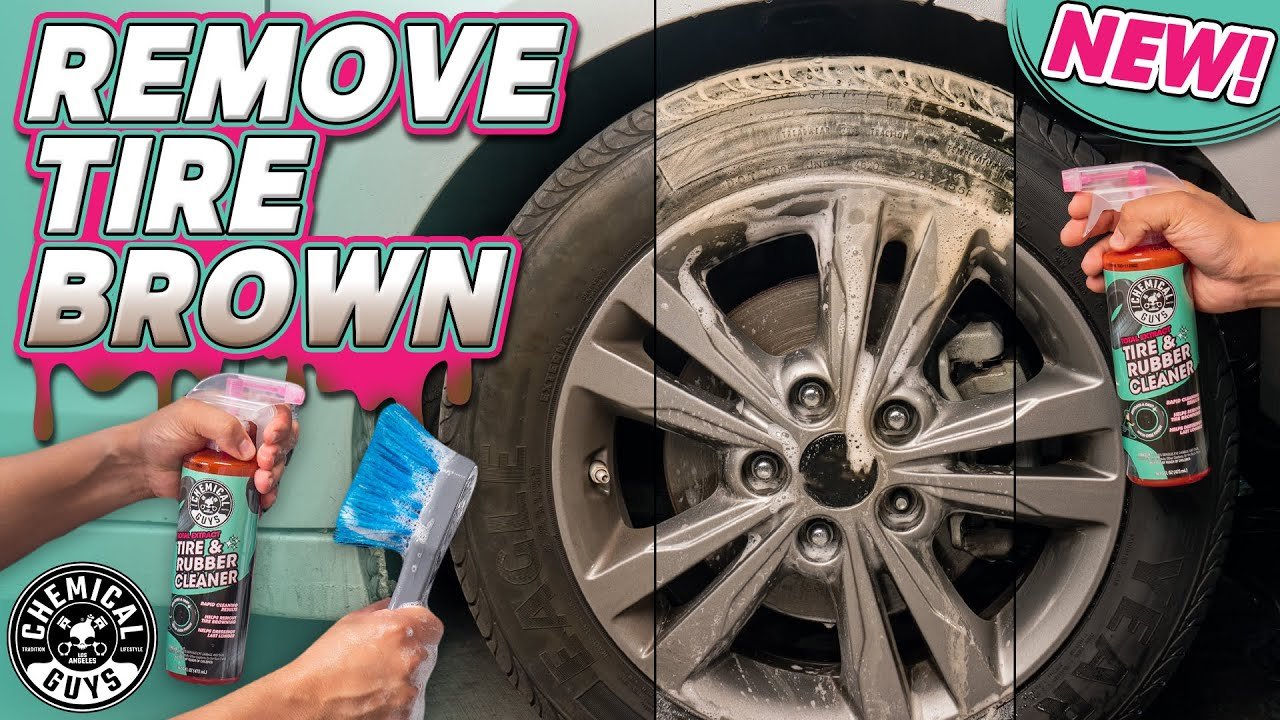
Removing brown stains from tires is a common challenge for car owners. Many people notice their tires turning brown after a few months, even if the rest of the car looks clean.
This brown coloring is not just dirt it’s often caused by chemicals in the rubber reacting with sunlight and air.
If you want your tires to look black and fresh again, understanding the reasons and the right cleaning methods will help. Let’s explore how you can remove brown from tires and keep them looking great.
Why Tires Turn Brown
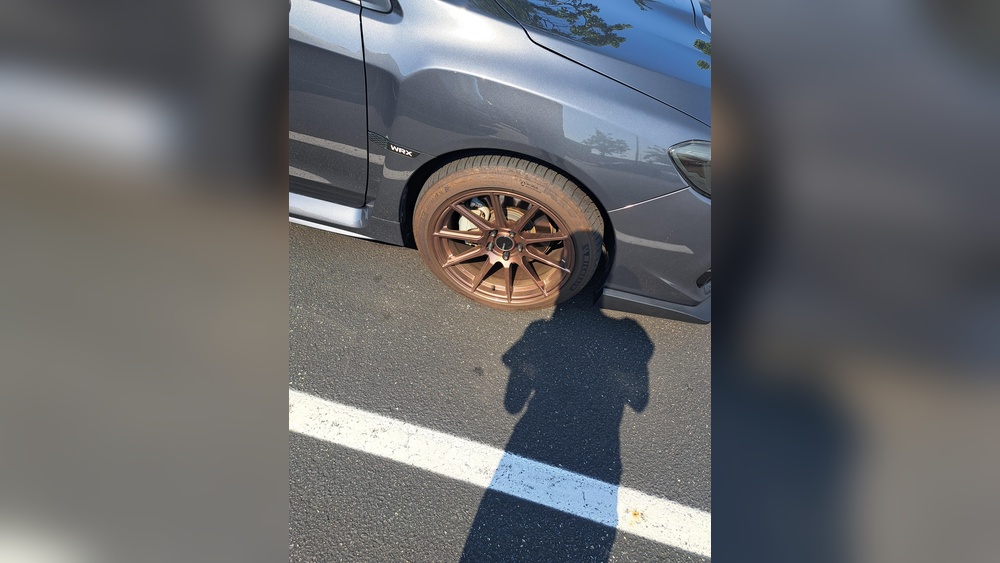
Tire browning is known as “blooming.” The main cause is a chemical called antiozonant. This is used in tire manufacturing to protect rubber from cracking and damage. When exposed to air, antiozonant rises to the tire surface and reacts, leaving a brown residue.
Environmental factors also play a role. UV rays, road salt, and pollution can speed up the blooming process. Even new tires can develop brown stains after a few weeks.
Here’s a quick comparison of what causes brown versus other tire discolorations:
| Cause | Color | Common Signs |
|---|---|---|
| Antiozonant | Brown | Sticky or chalky residue |
| Dirt | Gray/Black | Dusty, easy to wash off |
| Brake Dust | Dark Gray | Usually on wheels, not tire |
Cleaning Methods For Brown Tires
You don’t need expensive products or professional help to remove brown from tires. A good cleaning routine will restore the original color. Here are the steps:
1. Rinse And Remove Loose Dirt
Start by rinsing the tires with water. Use a hose or bucket. This loosens dirt and makes the next steps easier.
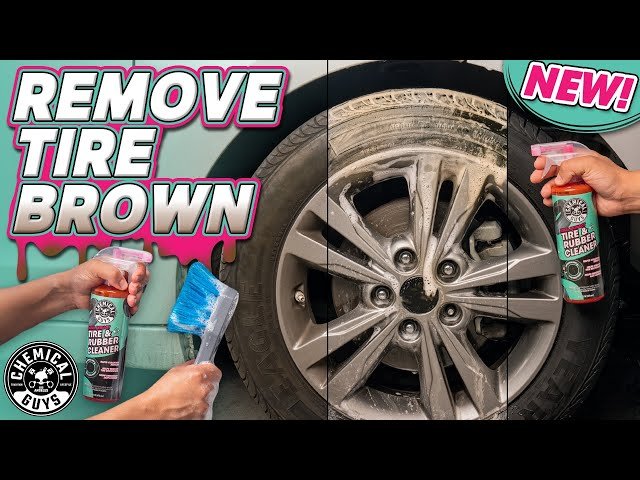
2. Apply Tire Cleaner
Choose a dedicated tire cleaner. These products are made to break down antiozonant and other residues. Spray the cleaner generously over the tire surface.
If you don’t have tire cleaner, you can use all-purpose cleaner (APC) as a substitute. Avoid using dish soap—it can dry out rubber.
3. Scrub With A Brush
Use a stiff-bristle brush. Scrub the tire in circular motions. Pay attention to the sidewalls, as this is where brown stains are most visible.
For best results, scrub for at least 2 minutes per tire. Beginners often miss the grooves and lettering make sure to clean these areas.
4. Rinse Again
After scrubbing, rinse the tire thoroughly. Check if the brown residue is gone. If not, repeat the cleaning step.
5. Dry And Inspect
Dry the tires with a microfiber towel. Inspect for leftover stains.
Some stubborn brown spots may need a second round of cleaning.
6. Apply Tire Dressing (optional)
Tire dressing gives a deep black shine and creates a protective layer. Choose a water-based dressing for a natural look, or a silicone-based product for a glossy finish.
Applying dressing also slows down future blooming, but don’t use it until the tire is completely clean.
Best Products For Tire Cleaning
There are dozens of tire cleaners on the market. Here is a comparison of popular options:
| Product | Type | Effectiveness | Price (USD) |
|---|---|---|---|
| Meguiar’s Non-Acid Tire Cleaner | Foam Spray | High | 12 |
| Adam’s Tire & Rubber Cleaner | Liquid Spray | Very High | 14 |
| Simple Green All-Purpose Cleaner | Liquid | Medium | 8 |
Choose a product based on budget and how often you clean your car. Professional cleaners usually offer stronger results but are more expensive.
Common Mistakes To Avoid
Many people make errors when cleaning brown tires. Here are a few to watch out for:
- Using household soap: Dish soap or laundry detergent can damage the rubber and cause fading.
- Not scrubbing enough: Surface cleaning won’t remove blooming. Deep scrubbing is key.
- Applying tire dressing to dirty tires: This seals in brown residue and makes removal harder later.
- Ignoring grooves and lettering: Brown often hides in these areas. Clean them carefully.
Practical Tips For Long-lasting Results
- Clean tires every 2–4 weeks. Regular cleaning prevents buildup.
- Store your car in shade if possible. Direct sunlight speeds up blooming.
- Use tire dressing after cleaning to maintain color.
- Rotate tires to ensure even wear and blooming.
Here’s a quick table showing cleaning frequency and results:
| Cleaning Interval | Visible Brown | Tire Appearance |
|---|---|---|
| Weekly | Rare | Deep black, shiny |
| Monthly | Occasional | Mostly black, minor brown |
| Quarterly | Common | Brown patches, faded |
Frequently Asked Questions
What Is Tire Blooming?
Tire blooming is the process where antiozonant chemicals in tire rubber react with air and sunlight, causing brown stains on the tire surface.
Can I Use Household Cleaners On Tires?
Avoid using household cleaners like dish soap. They can dry out and damage rubber. Choose a tire-specific cleaner or all-purpose cleaner.
Is Tire Dressing Necessary?
Tire dressing is optional, but it helps protect tires and keeps them looking black. Always apply after cleaning.
How Often Should I Clean My Tires?
Clean tires at least once a month for best results. More frequent cleaning may be needed in dusty or sunny areas.
Will Brown Stains Return After Cleaning?
Brown stains can return because blooming is a natural process. Regular cleaning and protective dressings help slow it down. For more information, see Wikipedia.
Restoring tires to a deep black shine doesn’t require expensive tools or professional detailing. With the right cleaners, brushes, and routine, you can easily remove brown from tires and keep your car looking sharp.
Regular care also extends tire life and safety, making it a smart investment for every driver.