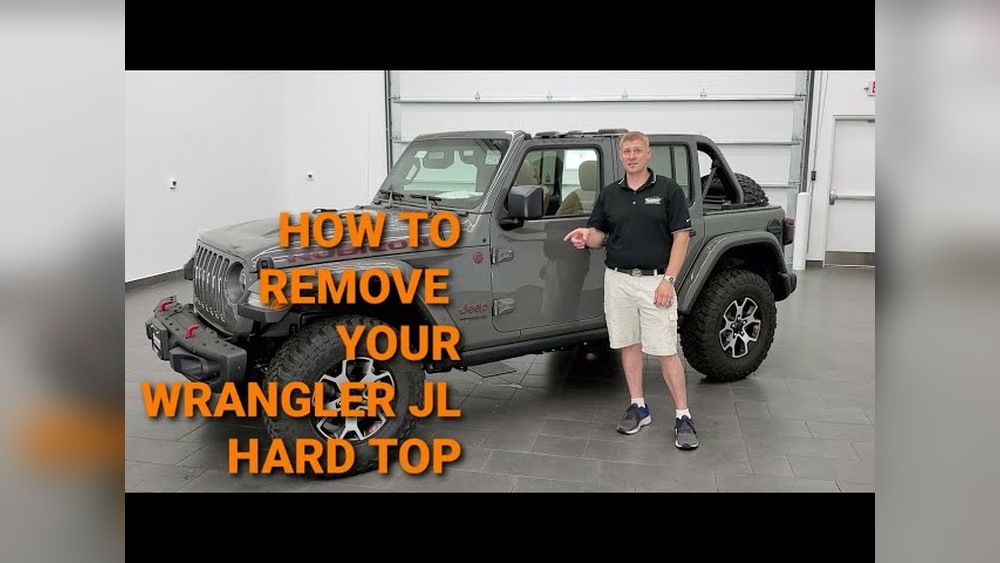
Removing the Jeep hard top is a common task for many Jeep owners, especially when summer arrives or you want a more open-air driving experience. While it might look simple, there are important steps and safety tips to follow. Doing it right protects your Jeep, your hard top, and your back. This article guides you step by step, highlights mistakes to avoid, and shares smart tips that even experienced Jeep drivers sometimes miss. Whether you own a Wrangler, Gladiator, or another model, you’ll find practical advice to make the process easy and safe.
What You Need Before Starting
Preparation is key before removing your Jeep hard top. Missing tools or not having enough space can turn a simple task into frustration.
- Basic tools: Most Jeep hard tops need a T40 Torx bit, a ratchet, and a screwdriver.
- Storage space: Hard tops are bulky. Clear a spot in your garage or driveway.
- Helper: The hard top is heavy. Two people make the job safer.
- Protection: Use blankets or foam to avoid scratches.
- Safety gear: Gloves help with grip and protect your hands.
Some Jeep owners use a hoist system for solo removal. These systems can cost between $150 and $400, but they allow one person to lift and store the hard top safely.
| Tool | Purpose | Estimated Cost |
|---|---|---|
| T40 Torx Bit | Remove bolts | $10-$15 |
| Ratchet | Turn Torx bit | $20-$30 |
| Hoist System | Lift hard top | $150-$400 |
| Gloves | Grip & protect hands | $10-$20 |
Step-by-step Guide To Removing Your Jeep Hard Top
1. Remove Freedom Panels (wrangler And Gladiator)
Most modern Jeeps have Freedom Panels over the driver and passenger seats. These lightweight panels come off first.
- Unlock the latches inside the cabin.
- Remove the panels and set them aside carefully.
2. Disconnect Electrical Connections
Newer Jeeps have wiring for lights and the rear window defroster. Find the connection near the driver’s side rear corner.
- Gently unplug the wiring harness.
- Disconnect the washer fluid hose if your model has one.
A common mistake is forgetting these connections, which can cause damage.
3. Unscrew Bolts
Check your manual for the exact bolt locations. Usually, there are 6-8 bolts around the rear and sides.
- Use the T40 Torx bit to remove bolts.
- Place bolts in a bag or organizer to avoid losing them.
Some owners lose bolts in the grass or on the driveway. Always keep them together.
4. Lift The Hard Top
With all bolts and connections removed, you’re ready to lift.
- Ask your helper to grab the rear corners.
- Lift straight up and walk backward slowly.
- Set the top on soft blankets or foam.
If you have a hoist, attach straps and lift the top upward, then swing it away.
| Method | People Needed | Risk of Damage |
|---|---|---|
| Manual Lift | 2 | Moderate |
| Hoist System | 1 | Low |
| Professional Removal | 1-2 | Very Low |
5. Inspect And Store
Check the top for any cracks or scratches. Clean the surface before storing.
- Store the top upright if possible.
- Avoid direct sunlight, which can fade paint and weaken seals.
Practical Tips And Common Mistakes
Many Jeep owners make simple errors that can cost time and money. Here’s what to watch out for:
- Rushing the process: Take your time. A hurried removal can result in dropped bolts or scratched paint.
- Ignoring electrical connections: Always double-check before lifting the top.
- Storing bolts loosely: Use a labeled bag or magnetic tray.
- Not protecting the hard top: Blankets or foam padding prevent costly scratches.
- Solo lifting: The hard top weighs 80-100 pounds (36-45 kg). Lifting alone risks injury.
A smart tip: If you plan to remove your hard top often, invest in a hoist or quick-release kits. These make the job easier and faster.
| Jeep Model | Hard Top Weight | Recommended Removal Method |
|---|---|---|
| Wrangler 2-Door | ~85 lbs | Manual with helper |
| Wrangler 4-Door | ~120 lbs | Hoist system |
| Gladiator | ~95 lbs | Manual with helper |
After Removal: What To Check
Once your Jeep hard top is off, look at these areas:
- Weather seals: Inspect for cracks or damage. Good seals prevent leaks when you reinstall.
- Bolt holes: Clean out any dirt or debris.
- Interior: Vacuum and wipe surfaces exposed after removal.
Many owners forget to check seals, leading to leaks later. Keeping seals clean extends their life.
If you plan to drive without the hard top for weeks, consider a soft top or cover. This protects the cabin from dust, rain, and sun damage.
Frequently Asked Questions
How Heavy Is A Jeep Hard Top?
A typical Jeep hard top weighs between 80 and 120 pounds. The exact weight depends on your model and whether it’s a two-door or four-door Jeep.
Can I Remove The Hard Top Alone?
It’s possible with a hoist system, but not recommended for manual lifting. The hard top is bulky and awkward for one person, risking injury or damage.
Do I Need Special Tools?
Most Jeeps use a T40 Torx bit for the bolts. Some newer models may need additional bits. Always check your owner’s manual before starting.
Will Removing The Hard Top Void My Warranty?
No, removing the hard top is a standard process and does not affect your warranty. However, damage caused during removal is not covered.
Where Can I Find More Information?
The official Jeep website offers detailed guides and videos. Visit Jeep Official Site for model-specific details.
Removing your Jeep hard top opens up a whole new driving experience. With proper preparation and careful steps, you can do it safely and quickly.
Remember, patience and planning save time and prevent damage. Enjoy the open air, and keep your hard top protected for the next season.