Refurbishing alloy wheels on your Jeep WG can transform the look of your vehicle and boost its value. Many Jeep owners notice their wheels looking dull, scratched, or corroded after years of use. With the right approach, you can restore your wheels to a nearly new condition without spending thousands on replacements. This guide will take you through the process step by step, with practical advice and tips from real-world experience. Whether you’re a first-timer or have tried wheel repairs before, you’ll find actionable insights to help you achieve professional results.
Understanding Alloy Wheel Damage On Jeep Wg
Alloy wheels are popular for their strength, lightweight, and stylish appearance. However, they are prone to several types of damage:
- Curb rash: Scratches and gouges from hitting curbs
- Corrosion: White spots or bubbling caused by exposure to water, salt, and chemicals
- Paint peeling: Flaking or fading of the original finish
- Brake dust stains: Persistent dark spots that are hard to clean
Jeep WG models often face extra wear due to off-road use and harsh conditions. Before starting refurbishment, inspect your wheels for deep cracks, severe bends, or structural damage.
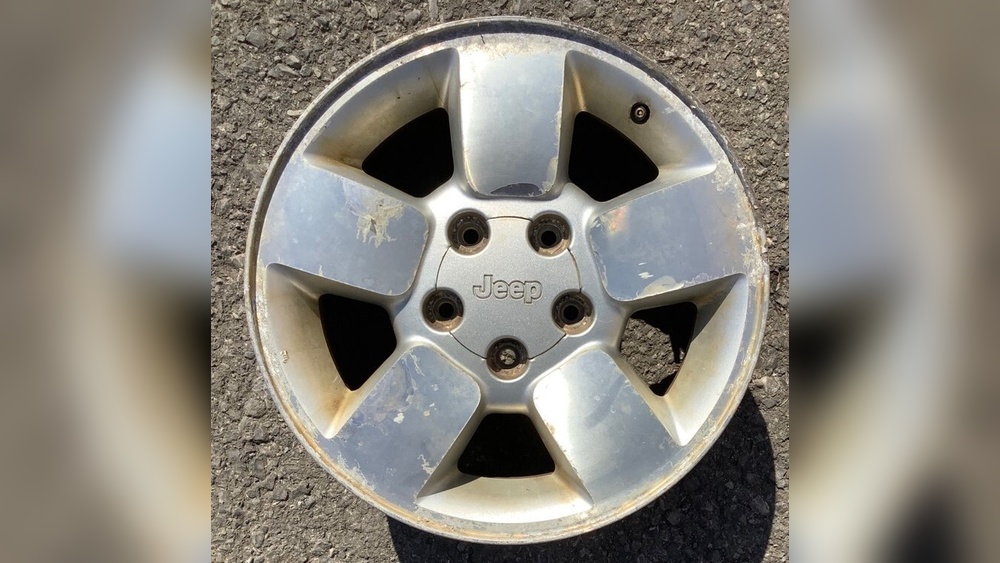
If you see these, professional repair or replacement is required. For cosmetic issues like scratches and corrosion, DIY refurbishment is possible.
Preparing For Refurbishment
Proper preparation is essential for a successful wheel refurbishment. Here’s what you need:
Tools And Materials
- Wheel cleaner
- Degreaser
- Sandpaper (grits: 240, 400, 800, 1200)
- Wire brush
- Masking tape and plastic sheets
- Filler putty (for deep scratches)
- Primer (aluminum-compatible)
- Paint (wheel-specific, color matched)
- Clear coat (UV resistant)
- Polishing compound
- Microfiber cloths
- Gloves and eye protection
- Spray bottles for water
Estimated Costs
DIY wheel refurbishment is affordable compared to professional services.
| Item | Approximate Cost (USD) |
|---|---|
| Wheel Cleaner | $10 |
| Sandpaper Set | $8 |
| Primer & Paint | $30 |
| Clear Coat | $15 |
| Masking Supplies | $5 |
| Filler Putty | $12 |
| Polishing Compound | $10 |
Total cost for four wheels: $80–$120 (excluding tools you may already own). Professional refurbishment can cost $300–$600.
Step-by-step Refurbishment Process
1. Remove Wheels And Clean Thoroughly
Start by removing the wheels from your Jeep WG. Place them on a stable surface.
Wash each wheel with wheel cleaner and a wire brush to remove brake dust, grease, and road grime. This step is crucial paint and filler will not stick to dirty surfaces.
- Use a degreaser for stubborn stains
- Rinse thoroughly and dry with microfiber cloths
2. Inspect For Damage
Check for deep cracks or bends. Cosmetic issues like curb rash or corrosion can be fixed, but structural damage needs expert attention.
- Mark areas with scratches, chips, or corrosion
- Decide if filler putty is needed for deep gouges
3. Sanding
Sanding is the most important step for a smooth finish.
Sandpaper Grit Guide
| Damage Type | Suggested Grit |
|---|---|
| Deep Scratches | 240–400 |
| Surface Corrosion | 400–800 |
| General Smoothing | 800–1200 |
- Start with coarse grit for rough areas, move to finer grit for smoothing
- Sand by hand or use a sanding block for even pressure
- Always sand in circular motions to avoid lines
4. Applying Filler Putty
For deep scratches or gouges, apply filler putty:
- Mix and spread according to instructions
- Allow to dry (usually 30–60 minutes)
- Sand smooth with fine grit (800–1200)
5. Masking
Cover the tire, valve stem, and other areas you don’t want painted using masking tape and plastic sheets. If you leave tires exposed, you risk overspray and a messy look.
6. Primer Application
Primer creates a smooth base and helps paint stick:
- Use aluminum-compatible primer
- Apply 2–3 thin coats, waiting 10–15 minutes between coats
- Let primer dry for 1 hour before painting
7. Painting
Pick a wheel-specific paint that matches your Jeep’s color scheme. Silver, gunmetal, and black are common choices.
- Spray 2–3 light coats, holding the can 8–10 inches away
- Allow 15 minutes between coats
- Avoid thick layers—drips are hard to fix
8. Clear Coat
Clear coat protects paint from UV rays, road salt, and chips.
- Apply 2–3 coats, just like paint
- Wait 15–20 minutes between coats
- Allow at least 24 hours for curing before handling
9. Polishing
Once clear coat is fully cured, polish the wheels:
- Use a polishing compound and microfiber cloth
- Work in small circles until the surface shines
- This step removes minor imperfections and boosts gloss
Practical Tips For Better Results
- Work in a well-ventilated area: Paint fumes can be harmful
- Don’t rush drying times: Curing ensures durability
- Keep hands clean: Oils from skin can affect paint adhesion
- Test paint on a small area: Check color match before full application
- Avoid painting in high humidity: Moisture can cause bubbles and poor finish
Many beginners miss the importance of prep work. Skipping cleaning or sanding leads to poor adhesion and a rough finish. Another common mistake is over-spraying paint, which causes drips and uneven color. Always use thin coats and be patient.
Comparing Diy Vs Professional Refurbishment
Before deciding, consider the main differences:
| Aspect | DIY Refurbishment | Professional Service |
|---|---|---|
| Cost | $80–$120 | $300–$600 |
| Time Required | 6–8 hours (total) | 2–3 days (drop-off) |
| Skill Level | Beginner–Intermediate | Expert |
| Finish Quality | Good with care | Excellent |
| Customization | High (color, style) | Moderate (extra cost) |
If you enjoy hands-on work and want to save money, DIY is a smart choice. For rare wheels or special finishes, professional service may be worth it.
Common Mistakes And How To Avoid Them
- Skipping Cleaning: Always clean wheels thoroughly. Dirt and grease cause paint to peel.
- Not Masking Properly: Protect tires and other parts to avoid overspray.
- Rushing Dry Times: Paint and clear coat need time to cure—don’t rush.
- Using Wrong Paint: Only use wheel-specific paint and primer for durability.
- Ignoring Deep Damage: Structural cracks or bends require expert repair.
A non-obvious tip: after sanding, use a damp cloth to wipe away dust. This helps primer and paint stick better. Also, inspect wheels under different lighting; sometimes scratches are only visible in sunlight.
Advanced Customization Options
If you want to go beyond basic restoration, consider these options:
- Two-tone finishes: Combine silver and black for a unique look
- Colored accents: Add red, blue, or other highlights to match your Jeep’s trim
- Matte vs gloss: Matte finishes hide imperfections, gloss offers more shine
- Ceramic coatings: Extra protection against chemicals and scratches
Custom finishes require more skill and patience. Always test color combinations on a small area before committing.
Maintenance After Refurbishment
Proper care extends the life of your refurbished wheels:
- Wash wheels monthly with wheel cleaner
- Avoid harsh chemicals or acid-based cleaners
- Inspect for new scratches or chips, touch up as needed
- Apply a wax or sealant every 3–6 months for extra protection
A well-maintained set of wheels can last for years. If you drive off-road or in winter, check wheels more often for signs of corrosion.
Frequently Asked Questions
How Long Does Diy Wheel Refurbishment Last?
With good prep and proper paint, DIY refurbishment can last 2–4 years. The finish depends on your driving conditions and maintenance. Wheels used off-road or in salty environments may need more frequent touch-ups.
Can I Refurbish Wheels Without Removing Them From The Jeep Wg?
It’s possible, but not recommended. Removing the wheels lets you clean and paint every part, and avoids overspray on brakes and tires. If you must work with wheels on, use extra masking and protect the area around the wheel.
What’s The Best Paint For Jeep Wg Alloy Wheels?
Use wheel-specific paint designed for aluminum alloys. Brands like Dupli-Color, Rust-Oleum, and VHT offer durable options. Always pair paint with an aluminum-compatible primer and UV-resistant clear coat.
How Do I Fix Deep Gouges Or Cracks?
Deep gouges can be filled with aluminum filler putty and sanded smooth. Cracks or structural bends need professional repair—DIY methods won’t restore safety. Inspect wheels carefully before starting.
Are Refurbished Wheels Safe For Off-road Use?
Yes, if the refurbishment is cosmetic and the wheels are structurally sound. Always check for cracks, bends, or severe corrosion. Professional inspection is wise if you plan extreme off-roading.
Refurbishing your Jeep WG alloy wheels is a rewarding project that combines skill, patience, and creativity. With careful preparation and the right materials, you can achieve a factory-quality finish at a fraction of the cost. Remember to inspect wheels for structural damage, follow each step, and allow proper drying times. Maintenance is key—clean and protect your wheels regularly for long-lasting shine. For more tips and detailed guides, visit Wikipedia. Your Jeep will look better, perform well, and stand out wherever you drive.