Adjusting the driver seat in your Jeep Wrangler can make a big difference in comfort and control, especially on long drives or rough trails. Many drivers, new and experienced, are surprised by how much the right seat position reduces fatigue and improves safety. This guide will show you how to recline your Jeep Wrangler driver seat step by step, explain why it matters, and help you avoid common mistakes.
Why Reclining The Driver Seat Matters
A properly reclined seat isn’t just about comfort. It also affects your driving posture, visibility, and reaction time. If your seat is too upright or too far back, you may struggle with steering or reaching the pedals. Over time, poor seat adjustment can even lead to back pain or muscle strain.
Modern Jeep Wranglers come with manual or power-adjustable seats, depending on the model and trim. Understanding your specific seat adjustment system will help you get the best result.

Understanding Your Jeep Wrangler Seat Controls
Before you start, locate the adjustment levers or buttons on your driver seat. Most Wranglers use manual controls, but some newer or higher trims have power seats.
Here’s a quick comparison of seat adjustment types:
| Seat Adjustment Type | How to Identify | Common Models |
|---|---|---|
| Manual Lever | Bar or lever under/side of the seat | Sport, Sahara (older) |
| Power Button | Switches on the seat side panel | Rubicon, Sahara (newer) |
Tip: Always check your owner’s manual if you’re unsure which seat type you have.
Step-by-step: How To Recline Your Jeep Wrangler Driver Seat
For Manual Seats
1. Find The Recline Lever
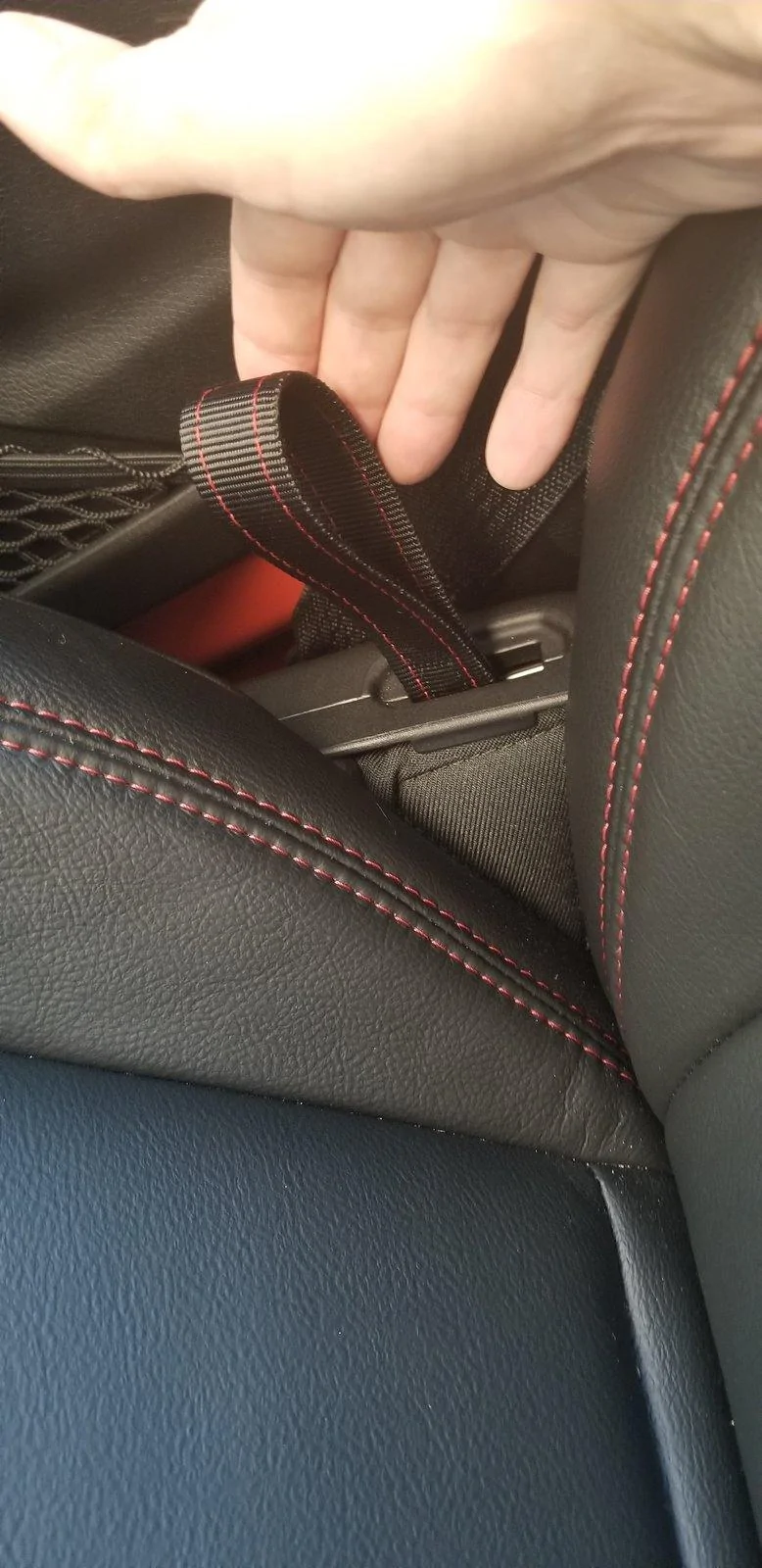
Look to the outer side of your driver seat, close to where your back meets the seat. The lever usually has a handle you pull up.
2. Lift The Lever
While seated, gently pull the lever upward. You’ll feel the seatback unlock.
3. Lean Backward Or Forward
Use your body weight to move the seatback to your preferred angle. Move slowly to avoid jerky adjustments.
4. Release The Lever
Once you reach the right angle, let go of the lever. The seatback will lock into place.
5. Check The Position
Make sure the seat clicks and holds firm. If it feels loose, try again or inspect for debris under the seat track.
For Power Seats
1. Locate The Power Recline Switch
This is typically a small button or switch on the lower left side of the seat.
2. Press And Hold The Switch
Push the button backward to recline or forward to bring the seat upright.
3. Fine-tune The Angle
Adjust in short bursts for precise control. Power seats move slowly, so be patient.
The seat will stop moving immediately. Double-check the angle is comfortable.
Here’s a quick glance at manual vs. power seat adjustment:
| Feature | Manual Seat | Power Seat |
|---|---|---|
| Speed | Instant | Slower |
| Precision | Less precise | Very precise |
| Common Issues | Stuck lever, debris | Electrical faults |
Setting The Best Recline Angle
The right recline angle balances comfort and control. Experts often recommend a 100-110 degree angle between your back and legs. This position keeps you alert and reduces back pressure.
Here’s a simple way to check if your seat is well adjusted:
- Your arms should bend slightly when holding the steering wheel at “9 and 3.”
- Your feet should reach the pedals without stretching.
- You should see clearly out the windshield and mirrors.
Important insight: Many drivers overlook headrest position. The top of your headrest should be at least as high as the top of your ears. This reduces whiplash risk in a crash.

Common Mistakes When Reclining Wrangler Seats
1. Leaning Too Far Back
This can reduce visibility and make it harder to react in emergencies.
2. Ignoring Headrest Alignment
A low headrest increases neck injury risk.
3. Not Locking The Seatback
Always ensure the seat clicks into place. A loose seat can move unexpectedly during driving.
4. Blocking Seat Tracks
Items like coins or wrappers under the seat can jam adjustment mechanisms.
5. Overusing Power Seats
Repeated, rapid adjustments can wear out the motor faster.
Maintenance Tips For Smooth Reclining
Keeping your seat adjustment system in good shape is simple but often missed:
- Vacuum under the seats regularly to clear dirt and debris.
- Lubricate seat tracks every 12 months with silicone spray (avoid oil-based sprays).
- For power seats, check fuses if you notice slow or unresponsive movement.
If your seat feels stuck or wobbly, consult your dealer or a trusted mechanic. Avoid forcing the mechanism, as this can cause further damage.
When To Seek Professional Help
Some seat problems need expert attention:
- Seat won’t recline at all: Could be a broken lever, stripped gear, or electrical fault.
- Unusual noises during adjustment: Grinding or clicking can mean worn components.
- Seat moves unexpectedly: This is a safety risk; repair immediately.
Professional repair ensures all seat safety features (like airbags in newer models) stay intact.
Frequently Asked Questions
How Far Should I Recline My Jeep Wrangler Driver Seat?
Most experts recommend a 100-110 degree angle between your back and thighs. This gives comfort without sacrificing control or safety.
Can I Add Power Seats To My Manual Jeep Wrangler?
It’s possible but can be expensive. You’ll need new wiring and compatible seat frames.
Check with a certified Jeep dealer for safe options.
Why Is My Seat Lever Hard To Pull?
Common causes include dirt in the seat track, rust, or a bent lever. Cleaning and lubrication usually help. If not, replacement may be needed.
Is There A Way To Fix A Stuck Power Seat Myself?
First, check the seat’s fuse and look for obstructions under the seat. If the motor is broken, professional repair is best to avoid electrical problems.
Where Can I Find My Jeep Wrangler’s Seat Adjustment Guide?
Your owner’s manual has the most accurate instructions. For more details, visit the official Jeep website.
Getting your Jeep Wrangler driver seat reclined just right is more than a comfort issue—it’s about safe and enjoyable driving. Take a few minutes to adjust your seat carefully, and you’ll feel the benefits every time you hit the road.
.png "How To Recline Jeep Wrangler Driver Seat: Easy Step-by-Step Guide")