Keeping your Jeep Wrangler’s air conditioner running strong is essential for a comfortable drive, especially in hot weather. Over time, the A/C system can lose refrigerant, making it blow warm air instead of cool.
Luckily, recharging the air conditioner is a task you can handle with some basic tools and safety precautions.
This guide will walk you through every step, help you avoid common mistakes, and explain the details most beginners miss.
Why And When To Recharge Your Jeep Wrangler A/C
When your Wrangler’s air conditioning starts blowing less cold air, it’s often a sign of low refrigerant. This can happen naturally over time; most vehicles lose about 10% of refrigerant per year. If your Jeep is more than three years old, or you notice weak cooling, a recharge might be due.
But don’t rush: if your A/C never turns on, or you hear odd noises, there could be a bigger problem. In those cases, a mechanic should check for leaks or component failure first.
What You Need Before Recharging
To do the job safely and correctly, you’ll need:
- A/C recharge kit (with R-134a refrigerant and gauge)
- Protective eyewear and gloves
- Owner’s manual (for system specs and port location)
- Thermometer (for checking vent temperature)
Most Wranglers from 1997–2017 use R-134a refrigerant. Always check your manual to confirm. Mixing refrigerant types can damage the system.
Example: Common Wrangler Models And Refrigerant Types
| Year | Model | Refrigerant Type |
|---|---|---|
| 2007–2017 | Wrangler JK | R-134a |
| 2018–Present | Wrangler JL | R-1234yf |
| 1997–2006 | Wrangler TJ | R-134a |
Step-by-step: How To Recharge Jeep Wrangler Air Conditioner
1. Park And Prepare
Park your Jeep on a flat surface. Set the parking brake. Open the hood and let the engine cool for a few minutes if it’s hot. Put on protective eyewear and gloves to avoid refrigerant burns.
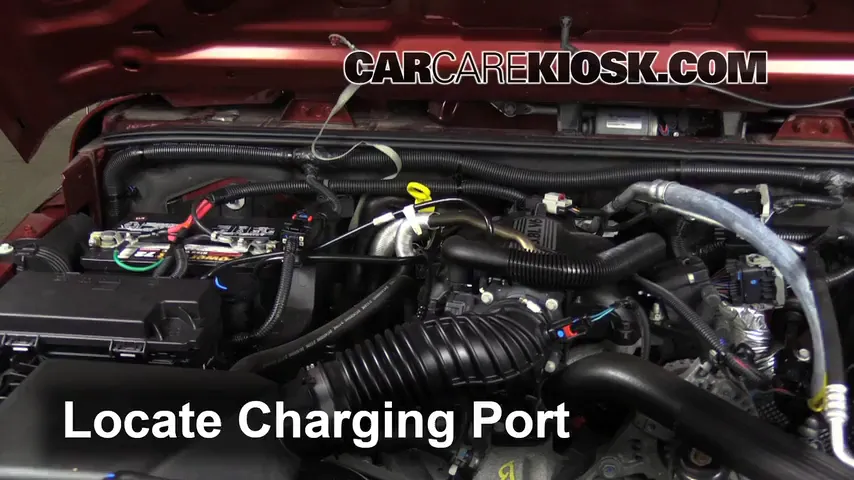
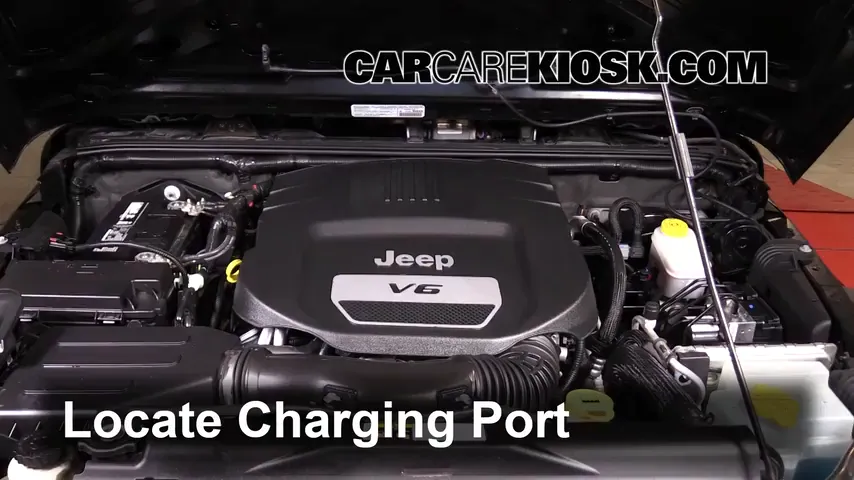
2. Locate The Low-pressure Port
Your A/C system has two ports: low-pressure (L) and high-pressure (H). You will use the low-pressure port. On most Wranglers, it’s on the passenger side near the firewall or by the A/C compressor. The cap should have an “L” on it.
3. Attach The Recharge Kit
Shake the refrigerant can. Connect the hose to the low-pressure port.
Make sure the trigger or valve is in the “off” position before attaching.
Quick Comparison: Low Vs. High-pressure Ports
| Port Type | Cap Label | Location | Size |
|---|---|---|---|
| Low-Pressure | L | Near firewall or compressor | Larger |
| High-Pressure | H | Closer to radiator | Smaller |
4. Start The Engine And Set A/c
Turn on the engine. Set the A/C to maximum cool and the fan to the highest setting. This helps the refrigerant flow into the system.
5. Read Pressure And Add Refrigerant
The recharge kit’s gauge shows the current pressure. Your goal is to keep the pressure in the safe (green) zone, usually 25–45 psi. Slowly squeeze the trigger to add refrigerant. Pause every 10 seconds to check the pressure.
Caution: Do not overcharge. Too much refrigerant can damage the compressor and hoses.
6. Check A/c Performance
After adding refrigerant, check the air coming from the vents with a thermometer. A properly charged system should blow air around 38–45°F (3–7°C). If the air is still not cold, or if the gauge doesn’t move, stop and consult a professional.
7. Finish And Clean Up
Turn off the engine. Disconnect the recharge hose and replace the port cap tightly.
Store any leftover refrigerant safely, away from heat.
Practical Tips And Common Mistakes
- Always use the correct refrigerant type for your Wrangler’s year.
- Wear eye protection—refrigerant can cause severe injury.
- Don’t hold the can upside down, as liquid refrigerant can enter the system too fast.
- Use short bursts to avoid overfilling.
- If the A/C system empties quickly after a recharge, you likely leak. Seek professional repair.
Example: How Much Refrigerant Does A Jeep Wrangler Need?
Most Wrangler models need around 1–1.5 lbs (16–24 oz) of refrigerant. Always check your manual for the exact amount.
Knowing When To Seek Professional Help
Recharging your air conditioner is a good DIY task, but not every problem can be fixed with more refrigerant. If your system still blows warm after a recharge, or the pressure gauge shows very high or low readings, the problem might be a leak, bad compressor, or faulty electrical part.
A certified A/C technician can run a leak test or diagnose deeper issues. Attempting repeated recharges without fixing leaks can damage the system and is harmful to the environment.
Cost Comparison: Diy Vs. Professional Recharge
Here’s a simple comparison of costs involved:
| Option | Average Cost | Includes |
|---|---|---|
| DIY Recharge Kit | $35–$60 | Refrigerant, gauge, hose |
| Professional Service | $120–$250 | Leak test, recharge, inspection |
A DIY recharge can save money, but a shop visit is worth it if you suspect a leak or want a full checkup.

Final Thoughts
Recharging your Jeep Wrangler’s air conditioner is a practical way to restore cooling performance and enjoy a comfortable ride. With the right tools and careful steps, most owners can complete the process in under an hour.
Remember, safety comes first; always use protective gear and the correct refrigerant. If your A/C still struggles after a recharge, it’s time for a professional inspection.
Proper maintenance helps you avoid expensive repairs and keeps your Jeep ready for any adventure.
For more on refrigerant types and safe handling, check the EPA’s official guide.
Frequently Asked Questions
How Often Does My Jeep Wrangler Need An A/c Recharge?
Most Wranglers need a recharge every 3–4 years, depending on usage and climate. If you notice weak cooling or the air isn’t as cold, check the system sooner.
Can I Use Any Brand Of Refrigerant For My Wrangler?
Only use the recommended refrigerant type (usually R-134a or R-1234yf). Mixing types can damage the system and void warranties.
What If My A/C Still Blows Warm After Recharging?
This often means there’s a leak or another issue, like a bad compressor or clogged expansion valve. A mechanic should check the system for leaks or deeper faults.
Is It Safe To Recharge My A/c At Home?
Yes, if you follow safety precautions, use the right kit, and wear protection. Don’t attempt repairs if you’re unsure or if the system is empty.
Will Recharging Fix All A/c Problems?
No, a recharge only solves low refrigerant issues. Problems like leaks, faulty compressors, or electrical failures need professional repair.
With care and attention, you can keep your Wrangler cool and ready for the road.