If your Jeep Wrangler air conditioner is blowing warm air, low Freon is often the cause. Freon is the refrigerant that cools the air inside your vehicle.
Many Jeep owners wonder if they can safely refill Freon themselves. With the right tools and care, it's possible—and it can save you money and time.
This guide will show you how to add Freon to your Jeep Wrangler, step by step, so you can enjoy cool air again.
Understanding Freon And Your Jeep Wrangler Ac
Freon, also called R134a refrigerant, is used in most Jeep Wranglers from 1997 onwards. Older models may use R12, but R134a is the standard for modern vehicles. It’s important to use the correct type; mixing refrigerants can damage your AC system.
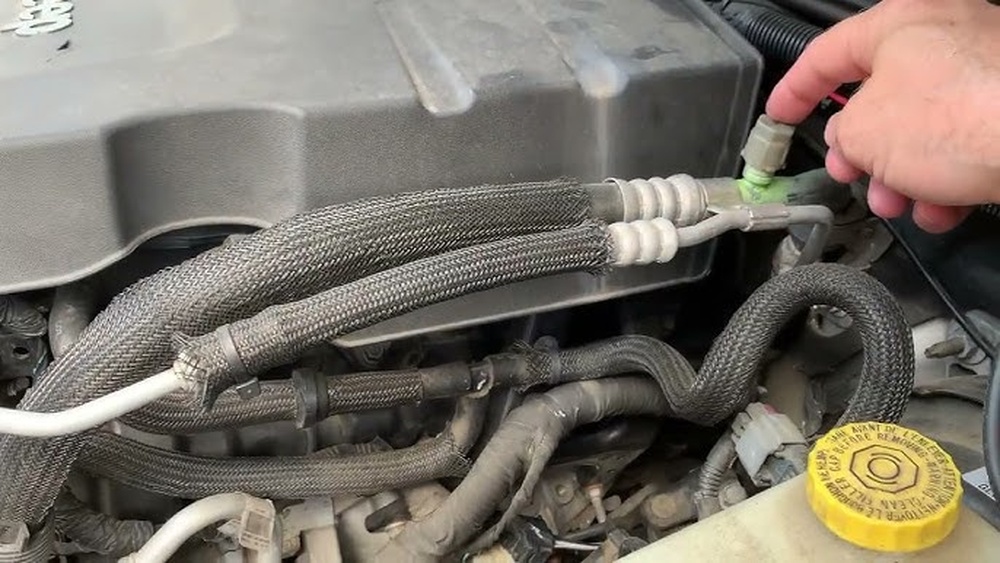
The AC system in your Jeep Wrangler includes a compressor, condenser, evaporator, and hoses. When Freon levels drop, the system cannot cool the air properly. Signs of low Freon include:
- Warm air blowing from vents
- AC clutch not engaging
- Hissing noises near the compressor
Before adding Freon, confirm it’s the real problem. Sometimes, leaks or other issues can cause similar symptoms.
What You Need Before Adding Freon
To safely add Freon to your Jeep Wrangler, gather these items:
- R134a refrigerant can (with hose and gauge)
- Safety goggles and gloves
- Pressure gauge
- Owner’s manual (to check recommended pressure)
- Thermometer (optional, for checking output)
Never use R12 if your Jeep is designed for R134a. For safety, avoid using old refrigerant cans without gauges they can overfill and damage your system.
Recommended Pressure Levels
Here’s a quick reference for typical Jeep Wrangler AC pressure:
| Model Year | Low Side Pressure (psi) | High Side Pressure (psi) | Refrigerant Type |
|---|---|---|---|
| 1997-2006 | 25-40 | 150-200 | R134a |
| 2007-2018 | 30-45 | 160-220 | R134a |
| 2018-present | 35-50 | 180-250 | R134a |
Always check your manual for exact numbers.
Step-by-step Guide To Adding Freon
Follow these steps carefully to avoid mistakes and keep your AC system safe.
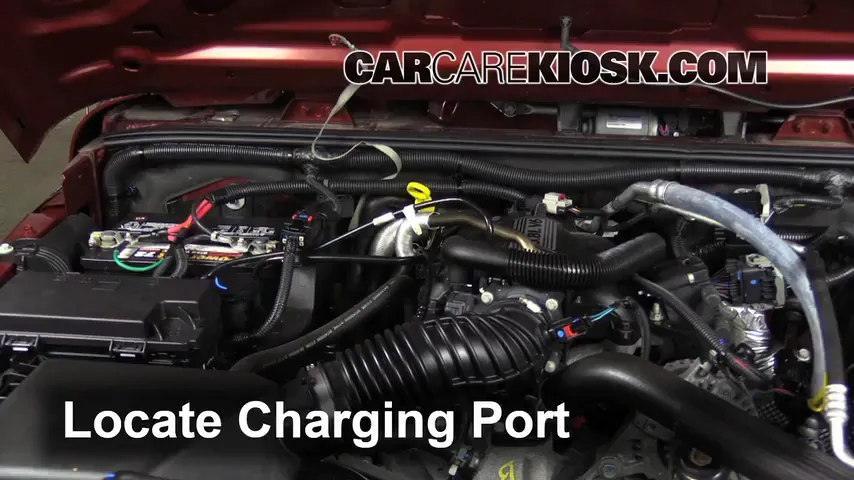
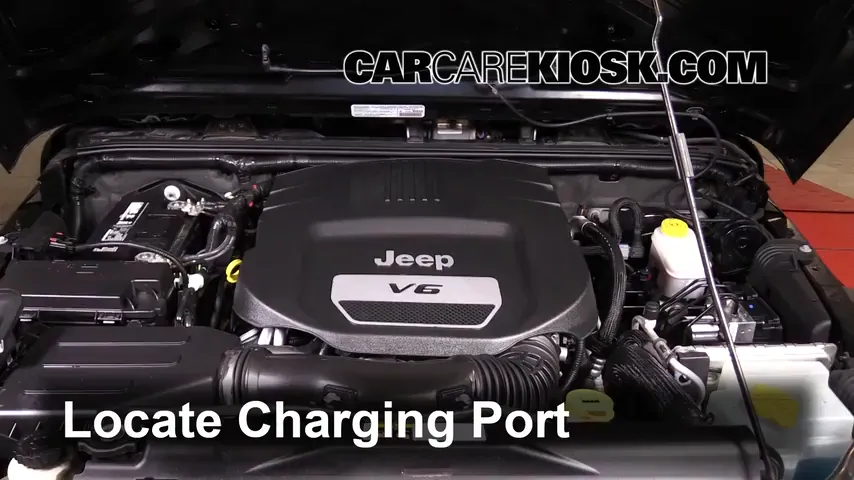
1. Locate The Low-pressure Port
Open the hood and find the low-pressure port. It’s usually marked with an “L” cap, near the AC compressor. Never use the high-pressure port; it can cause injury.
2. Prepare Your Jeep
Start the engine and turn the AC to maximum cold with the fan on high. This ensures the system is running and ready to accept refrigerant.
3. Attach The Can And Gauge
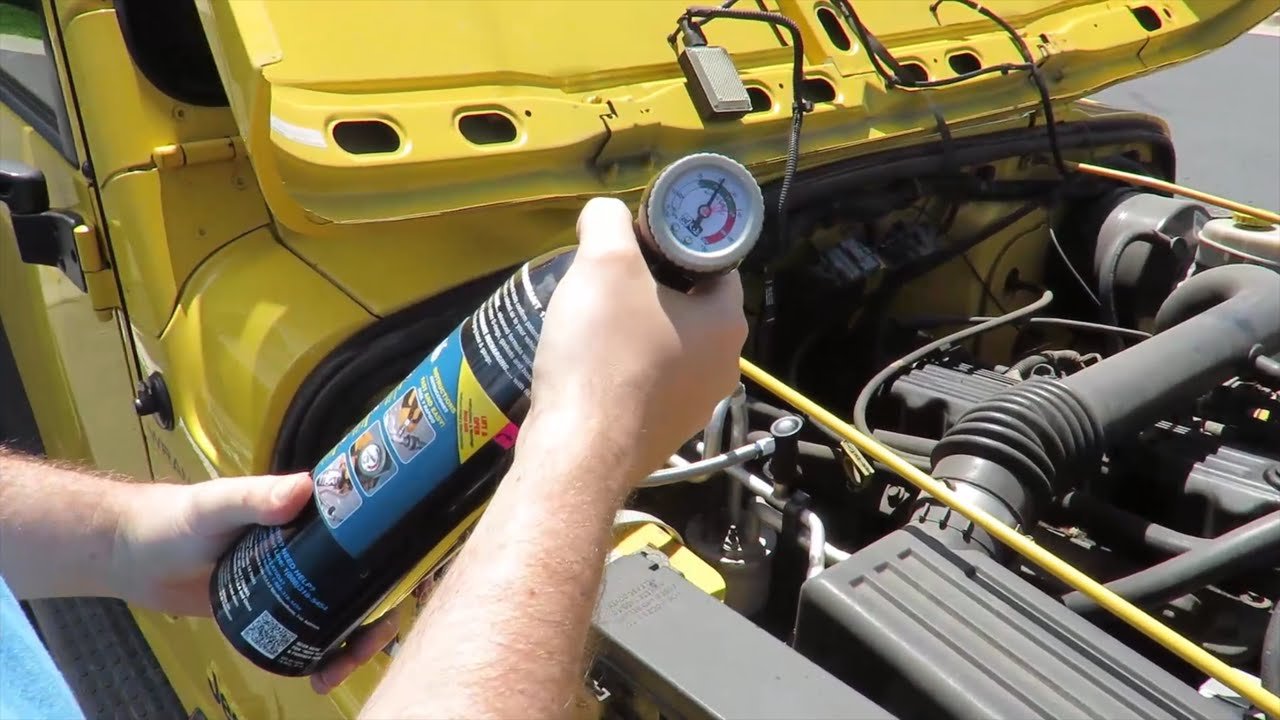
Connect the refrigerant can’s hose and gauge to the low-pressure port. Make sure the connection is tight to avoid leaks.
4. Check Pressure
Read the gauge. If pressure is below 25 psi, you likely need to add Freon.
If it’s much lower, there may be a leak don’t continue until it’s fixed.
5. Add Freon Slowly
Squeeze the trigger on the can, adding refrigerant in short bursts. Watch the gauge closely.
Stop when pressure reaches the recommended level for your model.
6. Test Ac Output
After filling, check the vent temperature with a thermometer. Cold air should blow within a few minutes. If not, there may be another issue.
7. Remove Equipment And Clean Up
Disconnect the hose and replace the port cap. Dispose of empty cans properly. Wash your hands and store tools safely.
Example: Adding Freon To A 2015 Jeep Wrangler
Suppose your 2015 Wrangler’s AC blows warm air and the gauge reads 20 psi. After connecting the can and adding Freon, the gauge rises to 40 psi.
Cold air returns, and the AC works as expected.
Common Mistakes To Avoid
Many beginners make errors that can damage their AC system. Here are some mistakes to watch out for:
- Overfilling: Too much Freon can cause compressor failure. Always stop at recommended pressure.
- Using wrong refrigerant: Mixing types can ruin seals and hoses.
- Ignoring leaks: Adding Freon to a leaking system wastes money and harms the environment.
- Using no gauge: Blindly adding refrigerant is unsafe and unreliable.
- Touching hot parts: The compressor and hoses can get very hot; wear gloves.
Here’s a comparison of safe vs. unsafe practices:
| Safe Practice | Unsafe Practice |
|---|---|
| Using a gauge | Adding Freon blindly |
| Checking for leaks | Ignoring leaks |
| Using correct refrigerant | Mixing refrigerants |
Practical Tips For A Smooth Process
- If your gauge fluctuates, wait a few minutes before adding more.
- Always wear eye protection; refrigerant can cause blindness if sprayed.
- If the AC still blows warm after filling, consult a mechanic.
- Keep records of how much Freon you added and the pressure readings.
Many Jeep owners forget to check for leaks before refilling. Even a small leak can empty your system again in days.
Use UV dye or leak detectors for best results.
Environmental And Legal Considerations
Refrigerant is dangerous for the environment. Always handle it carefully and dispose of empty cans at recycling centers.
In the US, it’s illegal to vent Freon into the air. If you suspect a big leak, seek professional help.
If you want detailed technical info, visit the EPA’s Mobile Air Conditioning page.
Frequently Asked Questions
How Often Should I Add Freon To My Jeep Wrangler?
Normally, you should not need to add Freon more than every few years. If your AC loses Freon quickly, there’s likely a leak that needs repair.
Can I Use R12 Refrigerant In My Newer Jeep Wrangler?
No. Most newer Wranglers use R134a refrigerant. Using R12 can damage your AC system and is illegal in many areas.
Is It Safe To Add Freon Myself?
Yes, if you follow the steps and use the right tools. Always use a gauge and wear safety gear to protect yourself.
What Happens If I Overfill My Ac System?
Overfilling can cause high pressure, leading to compressor failure or leaks. Always stop at the recommended psi.
How Do I Know If My Ac Has A Leak?
Common signs are hissing noises, oily residue around AC parts, and repeated loss of cooling. Use a leak detector or UV dye to find leaks.
Adding Freon to your Jeep Wrangler is a straightforward process if you follow the right steps. With careful preparation and attention to detail, you can restore cool air and enjoy comfortable driving all summer. Always check for leaks and use the correct refrigerant to protect your AC system for years to come.