Have you ever noticed your Jeep’s traction control light suddenly come on while you’re driving, only to feel a frustrating loss of power right after? If so, you’re not alone—and understanding why this happens can save you from unexpected breakdowns and costly repairs.
Your Jeep uses traction control to keep you safe by preventing wheel slip, but when the system detects a problem, it might cut engine power to protect you and your vehicle. This can feel alarming, especially if you’re not sure what triggered it.
You’ll discover the most common reasons behind the traction control light turning on and the loss of power, plus simple steps you can take to diagnose and fix the issue.
Keep reading to take control of your Jeep’s performance and get back on the road with confidence.
Traction Control Light Basics
The traction control light on your Jeep signals the status of a key safety system. Understanding this light helps you know if the system is active or facing issues.
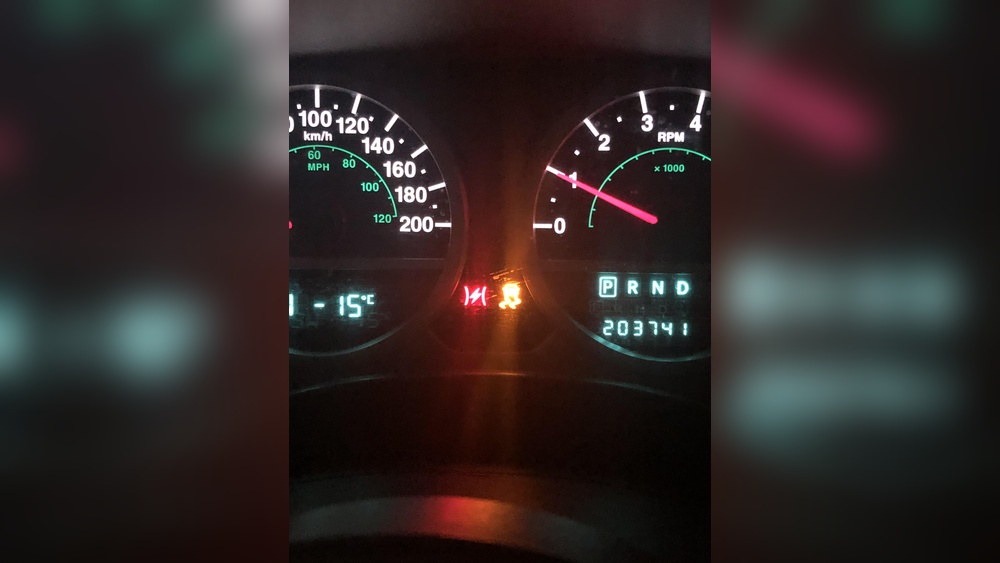
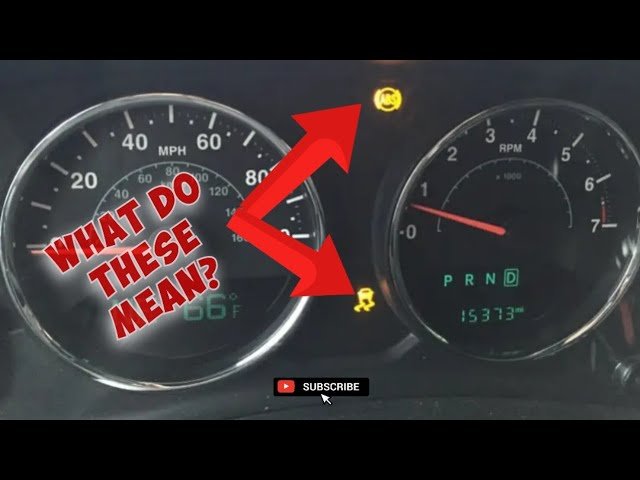
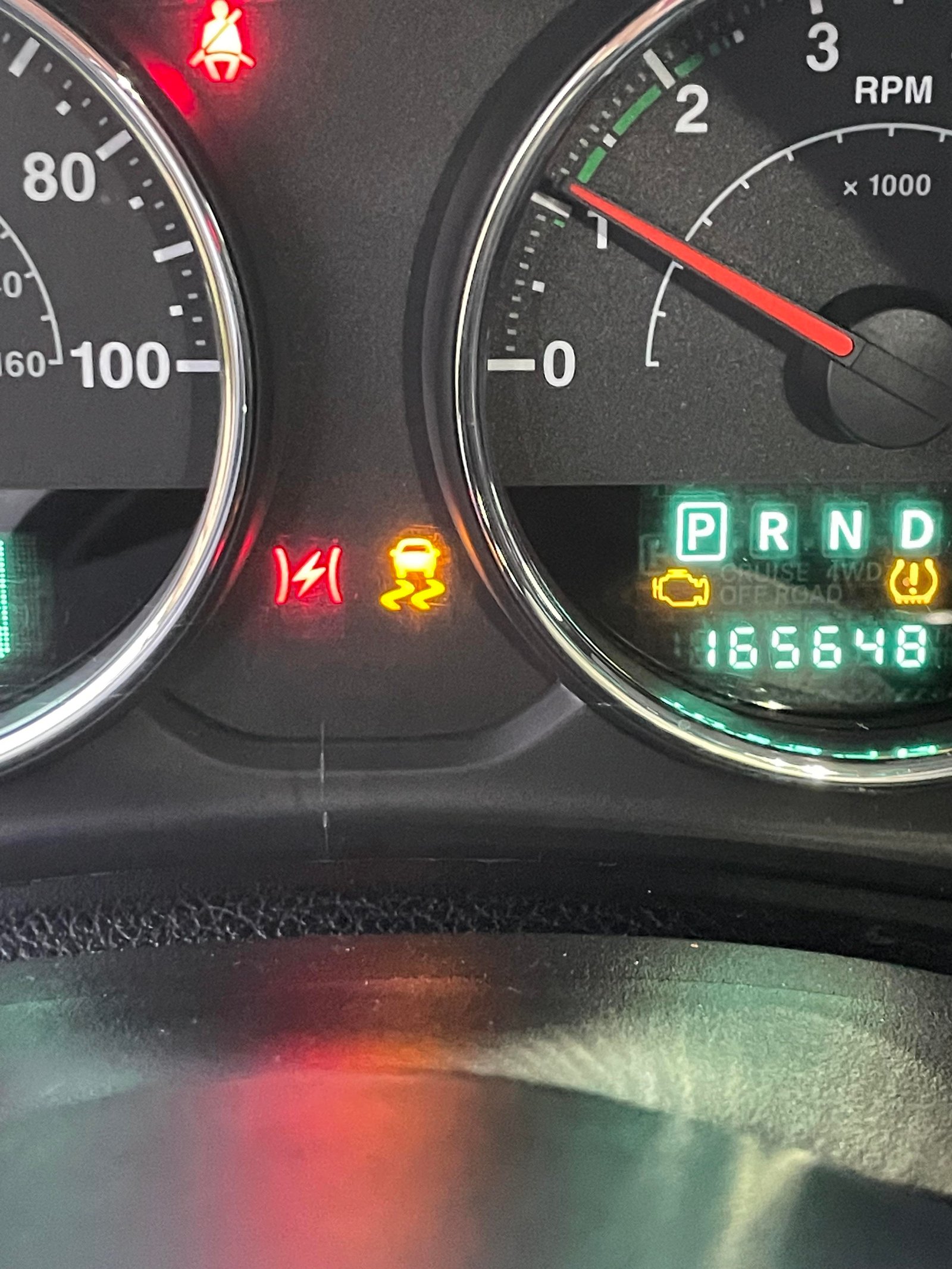
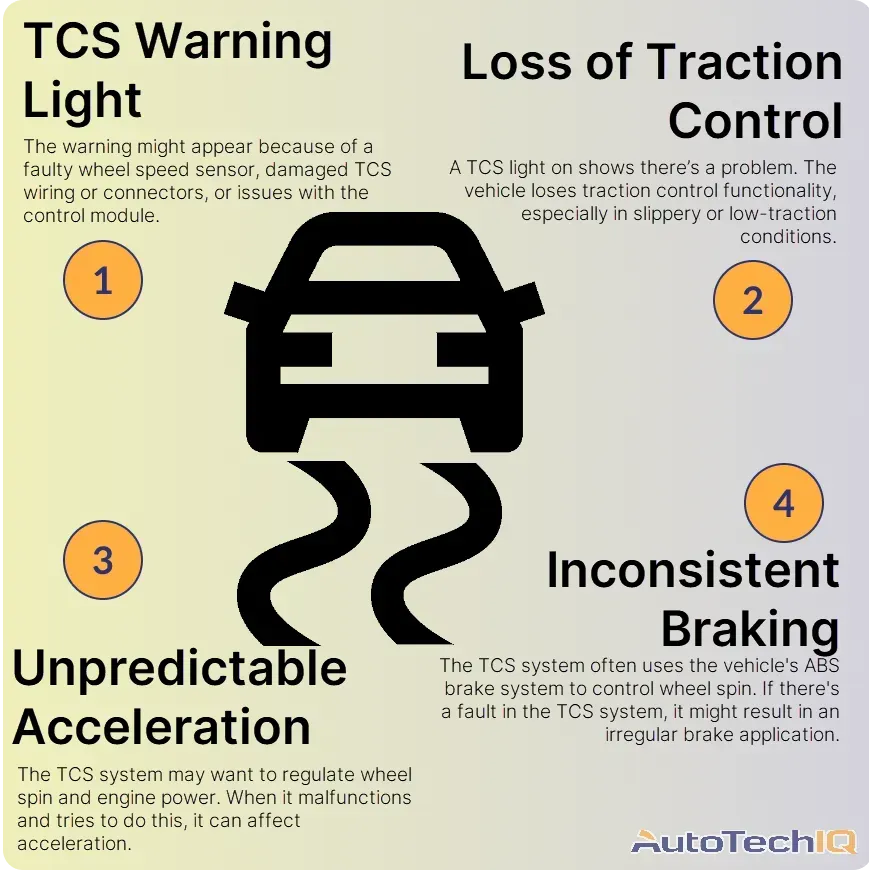
It often appears on the dashboard with a car icon and wavy lines underneath. This light plays a vital role in maintaining your vehicle’s grip on slippery roads.
Traction control works to prevent your wheels from spinning out. It kicks in when the system detects wheel slip.
The light may flash during this process, showing the system is working to keep you safe. Knowing what this light means can help you react properly and avoid further problems.
What The Light Indicates
The traction control light shows the system’s current state. A steady light means the system has a problem and is off.
This can reduce your Jeep’s ability to handle slippery or uneven surfaces. A flashing light means the system is actively working to control wheel spin.
This usually happens during acceleration on slick roads.
How Traction Control Works
Traction control uses sensors on each wheel to monitor speed. When one wheel spins faster than the others, the system reduces engine power.
It may also apply brakes to the slipping wheel. This helps the Jeep regain traction and improves stability.
The system works quickly and quietly to keep control during driving.
Common Causes Of Traction Control Light And Power Loss
The Jeep traction control light turning on often signals a loss of power. This happens because the vehicle’s computer tries to protect the engine and drivetrain.
Several common issues cause this warning and power drop. Identifying these problems helps restore normal driving quickly.
Faulty Or Dirty Wheel Speed Sensors
Each wheel has a sensor that measures its rotation speed. Dirt, mud, or damage can stop these sensors from working properly.
When a sensor fails, the computer thinks the vehicle is sliding. This triggers the traction control system and reduces engine power to keep the Jeep safe.
Cleaning the sensors or fixing wiring usually solves this problem.
Out-of-center Steering Wheel
A steering wheel that is not centered can confuse the Electronic Stability Program (ESP). This is common in lifted Jeeps or after wheel alignment.
If the computer senses the Jeep is going straight but the wheel is turned, it limits power to avoid accidents. Re-centering the steering wheel often clears this issue.
Failing Main Or Auxiliary Battery
Jeeps rely on stable voltage for many systems, including traction control. A weak or failing main battery can cause voltage drops.
Newer Jeeps may also have an auxiliary battery. When either battery is weak, the traction control system may shut down and cause power loss.
Testing the batteries and alternator is the best way to find the cause.
How Limp Mode Affects Power
The Jeep’s limp mode limits engine power to protect the vehicle. It activates when the system detects a problem that could cause damage.
This mode reduces speed and power, allowing you to drive slowly to a safe place or repair shop.
Power loss feels sudden and frustrating. The Jeep may hesitate or struggle to accelerate.
This is a safety feature, not a mechanical failure. Limp mode keeps the engine and transmission from worsening the issue.
Why The Jeep Enters Limp Mode
Jeep enters limp mode when it senses a serious fault. Faulty sensors, like wheel speed sensors, can trigger it.
These sensors help the traction control system work correctly. Dirt or damage can cause false readings.
Other causes include a steering wheel that is off-center. The system thinks the Jeep is sliding or out of control.
It then cuts power to avoid accidents. Low battery voltage also triggers limp mode.
The Jeep’s computer needs steady power to run all systems.
Effects On Vehicle Performance
Limp mode severely limits acceleration and top speed. The engine power drops to protect components.
The Jeep may feel sluggish and slow. Some gears may lock or shift differently to reduce strain.
Traction control light usually stays on during limp mode. The vehicle’s stability systems are partly disabled.
Driving is possible but only at low speeds. Continuing to drive without fixing the issue may cause more damage.
Diagnostic Steps To Identify Issues
Diagnosing issues with the Jeep traction control light and power loss starts with clear steps. These steps help find the root cause and avoid guesswork.
Proper diagnosis saves time and money on repairs.
The first step involves using diagnostic tools to read the vehicle’s computer. The onboard diagnostics system stores fault codes.
These codes guide the repair process and identify faulty components.
Using An Obd-ii Scanner
An OBD-II scanner connects to the Jeep’s diagnostic port. This port is usually under the dashboard. The scanner communicates with the vehicle’s computer system.
Turn the ignition on but do not start the engine. Connect the scanner and power it up.
Follow the scanner’s menu to begin the scan. The scanner retrieves stored trouble codes.
Many auto parts stores offer free scanning. You can also buy or rent a scanner for home use.
Regular OBD-II scanners work on most Jeep models.
Reading And Interpreting Trouble Codes
Trouble codes appear as a combination of letters and numbers. Each code points to a specific system or sensor issue.
Common codes related to traction control include wheel speed sensor faults.
Look up the meaning of each code in the scanner’s manual or online. Some codes indicate sensor failure, wiring problems, or computer errors.
Understanding the codes helps decide the next repair steps.
Clear the codes after reading. Then, test drive the Jeep to see if the codes return.
Persistent codes mean the problem still exists and requires attention.
Fixes For Traction Control Light And Power Loss
The Jeep traction control light and loss of power often signal a safety response. The vehicle reduces power to keep control during a potential slip.
Fixing these issues quickly restores your Jeep’s performance and safety. Common problems include dirty sensors, misaligned steering, or weak batteries.
Addressing these can turn off the warning light and bring back full power.
Cleaning And Repairing Wheel Sensors
Each wheel has a sensor that tracks its speed. Dirt or mud on these sensors causes wrong signals.
The system thinks the Jeep is slipping and limits power. Clean the sensors carefully with a soft brush or cloth.
Check sensor wires for damage and repair if needed. Proper sensor function keeps traction control accurate and power steady.
Re-centering The Steering Wheel
A steering wheel not centered can confuse the traction system. The computer may think you are turning when driving straight.
This causes power reduction to avoid accidents. Adjust the steering wheel to the center position.
Make sure it aligns with the tires pointing straight. This simple fix stops false traction warnings and power loss.
Testing And Replacing Batteries
Jeeps need stable voltage for traction control to work right. A weak or failing battery causes voltage drops.
The system may shut down or trigger warning lights. Test the main and auxiliary batteries with a voltmeter or at an auto store.
Replace batteries that cannot hold a proper charge. Fresh batteries ensure reliable traction control and full engine power.
Preventive Maintenance Tips
Preventive maintenance plays a key role in avoiding the Jeep traction control light and loss of power issues. Regular care keeps your vehicle running smoothly.
It helps prevent unexpected breakdowns and costly repairs. Simple checks and adjustments extend the lifespan of your Jeep’s traction system.
Follow these tips to keep your Jeep safe and reliable on the road.
Regular Sensor Inspection
Wheel speed sensors detect the rotation of each tire. Dirt, mud, or damage can disrupt their function.
Inspect sensors frequently for dirt buildup or wear. Clean them gently using a soft cloth or brush.
Look for broken wires or loose connections. Fix any problems promptly to avoid traction control errors.
Battery Health Checks
A weak battery can cause voltage drops that affect traction control. Test your battery regularly at home or a service center.
Replace it if it shows signs of weakness. Check the alternator to ensure it charges the battery correctly.
Healthy battery power keeps the traction system working well.
Proper Wheel Alignment
Misaligned wheels confuse the traction control system. The computer may think the Jeep is sliding when it is not.
Have your wheel alignment checked after any suspension work. Keep the steering wheel centered while driving.
Correct alignment improves handling and prevents unnecessary power loss.
When To Seek Professional Help
Knowing when to seek professional help for your Jeep’s traction control light and loss of power is crucial. Some issues may seem minor but can hide serious problems.
Timely expert diagnosis prevents further damage and ensures your vehicle’s safety.
Professional mechanics have the tools and knowledge to handle complicated issues. Trusting them with your Jeep saves time and money in the long run.
Complex Electrical Issues
Traction control involves complex electrical systems. Faulty wiring or damaged sensors can cause the light to stay on.
These problems need expert attention to avoid further damage. DIY repairs may worsen the issue without proper tools and skills.
Persistent Warning Lights
If the traction control light stays on after basic checks, professional help is necessary. Continuous warnings often signal deeper system failures.
Mechanics can accurately diagnose and fix these persistent alerts. Ignoring them can lead to unsafe driving conditions.
Advanced Diagnostics
Professional shops use advanced diagnostic tools to read error codes. These tools identify exact faults in the traction control system.
They provide detailed reports and precise fixes. This approach saves guesswork and ensures long-lasting repairs.
Frequently Asked Questions
Why Is My Traction Control Light On And Loss Of Power?
The traction control light and power loss often indicate a faulty wheel speed sensor or dirty sensor. The system limits throttle to prevent slipping.
Check and clean sensors, inspect wiring, or test the battery. Use an OBD-II scanner to find exact error codes for accurate repair.
How Much Does It Cost To Replace The Abs Module On A Jeep Wrangler?
Replacing the ABS module on a Jeep Wrangler typically costs between $500 and $1,200. Labor and part prices vary by location.
Why Does My Jeep Lose Power When I Accelerate?
Your Jeep loses power during acceleration due to traction control activating limp mode. Faulty wheel speed sensors, misaligned steering, or weak batteries often trigger this.
Clean sensors, re-center the steering wheel, and test battery health to fix the issue. Use an OBD-II scanner to identify specific faults.
Why Does My Car Not Accelerate When The Traction Control Light Comes On?
The traction control light signals a system issue causing reduced engine power to prevent wheel slip. Check wheel speed sensors, steering alignment, and battery health.
The car limits acceleration to maintain safety and avoid damage. Use an OBD-II scanner to identify specific faults.
Conclusion
The Jeep traction control light signals a problem affecting power. Common causes include dirty wheel sensors, misaligned steering, or weak batteries.
Address these issues quickly to avoid further damage. Use an OBD-II scanner to find exact trouble codes.
Simple checks can restore your Jeep’s performance and safety.
Staying alert helps keep your vehicle running smoothly. Don’t ignore warning lights; they protect your Jeep’s engine and systems.
Taking action early saves time and money in the long run.