Recharging the air conditioning (AC) system in your 2005 Jeep Grand Cherokee can bring cool comfort back to your drives, especially in hot weather. If your AC isn’t blowing cold air, a simple refrigerant recharge might be the solution. You don’t need advanced skills, but you do need to follow safe steps. Here’s a straightforward, practical guide to recharging your Jeep’s AC like a pro.
Understanding Your Jeep’s Ac System
The AC system uses refrigerant to cool the air. Over time, small leaks or normal use can reduce refrigerant levels. When this happens, you might notice warm air from the vents, noisy operation, or the AC compressor not turning on.
Your 2005 Grand Cherokee uses R-134a refrigerant, a common type for vehicles of its era. Checking and maintaining the right level is crucial for system health and performance.
What You’ll Need
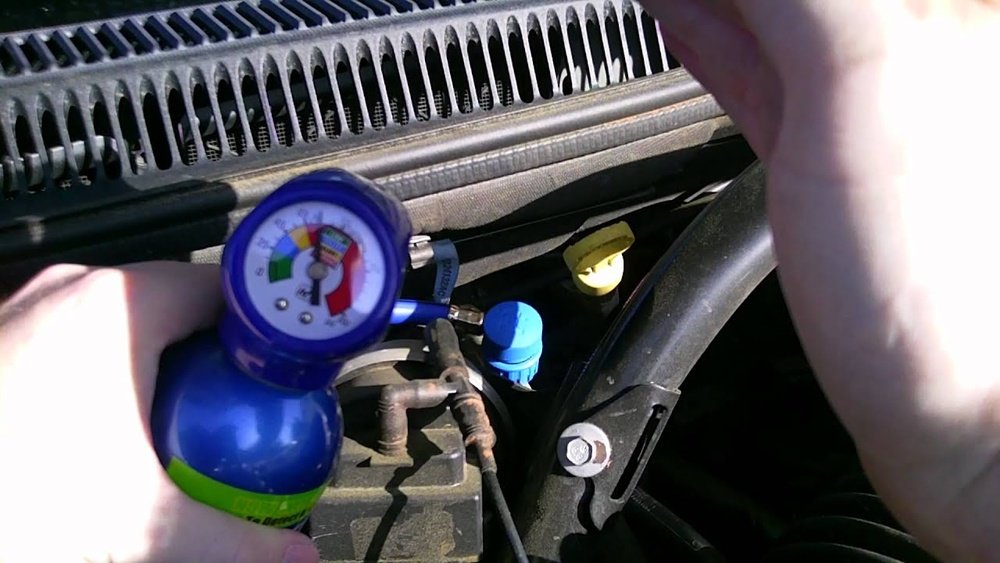
Before starting, gather these tools and materials:
- R-134a refrigerant can with gauge (most auto stores sell recharge kits)
- Protective eyewear and gloves
- Clean cloth for wiping
- Thermometer (optional, for testing air temperature)
- Owner’s manual for reference
Always use a kit with a pressure gauge. This helps avoid overcharging, which can damage the system.
Step-by-step Guide To Recharging Ac
1. Safety First
Make sure the engine is off and cool. Wear protective gear to avoid injuries from refrigerant, which can cause frostbite on contact.
2. Locate The Low-pressure Port
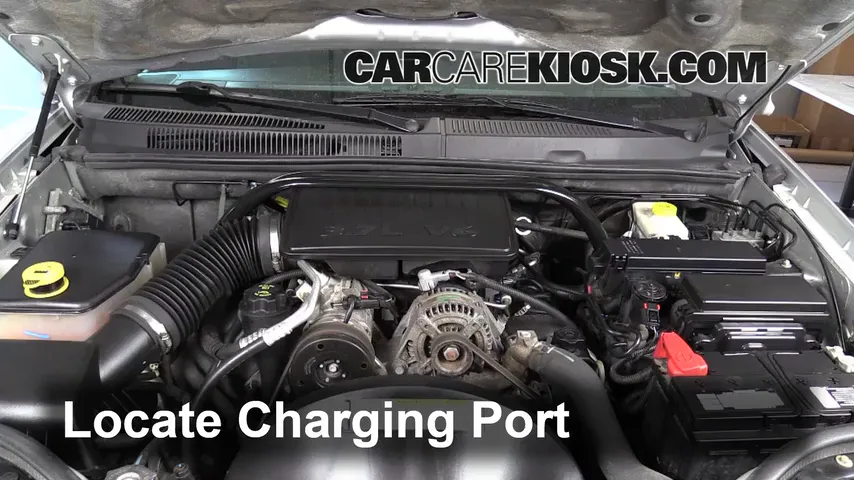
Open the hood and find the low-pressure AC service port. On the 2005 Grand Cherokee, it’s on the passenger side, near the AC compressor. The port cap is usually black or blue and marked with an “L”.
3. Attach The Recharge Kit
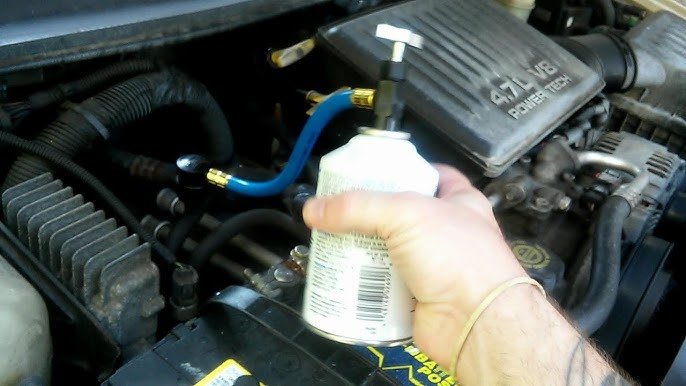
Shake the refrigerant can well. Attach the kit’s hose to the low-pressure port. Make sure it locks in place. Do not connect to the high-pressure port—this is a common mistake.
4. Start The Engine And Ac
Turn on the engine and set the AC to maximum cool with the fan at high speed. This helps the system draw in refrigerant.
5. Check The Pressure
Read the gauge on your recharge kit. For R-134a, the ideal pressure is usually 25-45 PSI (pounds per square inch) when the engine runs. Check the kit’s chart for the correct range; temperature can affect the reading.
6. Add Refrigerant
If pressure is low, squeeze the trigger to add refrigerant. Hold the can upright.
Add in short bursts and check the gauge often. Stop when you reach the recommended range.
7. Monitor Air Temperature
After adding refrigerant, feel the air from the center vents. Use a thermometer if available. The air should be 35-45°F cooler than the outside air. If it’s not cooling, the system may have leaks or other issues.
8. Remove The Kit And Replace Cap
Disconnect the hose, replace the port cap, and wipe away any spills. Store leftover refrigerant safely.
Practical Tips And Warnings
- Never overfill the system. Too much refrigerant can harm the compressor.
- If you hear hissing or see oily residue, you may have a leak. Consider professional help.
- Recharge only if you’re sure low refrigerant is the problem. Other AC issues (like a failed compressor or electrical problem) won’t be fixed by adding refrigerant.

Common Mistakes To Avoid
- Using the wrong port: Always connect to the low-pressure side.
- Skipping the gauge: Adding refrigerant blindly can cause costly damage.
- Ignoring leaks: If you need to recharge often, there’s likely a leak that needs repair.
- Not running the engine: The system won’t draw in refrigerant if the AC isn’t on.
How Recharging Affects Performance
Proper refrigerant levels help the AC compressor run smoothly, keep cabin air cool, and prevent expensive repairs. Overcharging or undercharging can lead to:
- Compressor failure
- Reduced cooling
- Increased fuel use
A well-maintained AC also helps with window defogging and overall driving comfort.
Cost Comparison: Diy Vs. Professional Service
Many people wonder if it’s worth doing this job themselves. Here’s a quick comparison:
| Method | Cost (USD) | Time Required | Skill Level |
|---|---|---|---|
| DIY Recharge Kit | $30-$50 | 30-60 minutes | Basic |
| Professional Service | $120-$250 | 1-2 hours | None (mechanic does it) |
DIY saves money, but it’s important to follow steps closely and know your limits.
Signs You Need More Than A Recharge
Some AC problems require more than just adding refrigerant. Watch for these signs:
| Sign | Possible Cause |
|---|---|
| Hissing sounds | Refrigerant leak |
| Oily spots on hoses | Seal or hose failure |
| Compressor not engaging | Electrical or mechanical issue |
| Unusual smells | Mold or contaminated system |
If you see these, have a certified technician check your Jeep.
Non-obvious Insights
Many beginners forget to purge air from the recharge hose before connecting. This air can enter the system and reduce efficiency. Always follow the kit’s instructions to remove air from the hose.
Also, refrigerant cans can get very cold during use. If the can ices up, place it in warm water (never hot) to maintain proper flow.
When To Seek Professional Help
If your AC loses charge quickly after a recharge, or you spot green dye (UV leak detector) under the hood, a leak is likely. Recharging won’t fix leaks get a proper repair.
Always dispose of empty refrigerant cans according to local rules. Never vent refrigerant into the atmosphere.
Frequently Asked Questions
How Often Should I Recharge My Jeep Grand Cherokee’s Ac?
You shouldn’t need to recharge more than every few years. If you do, there may be a leak or another problem.
What Type Of Refrigerant Does My 2005 Jeep Grand Cherokee Use?
It uses R-134a refrigerant. Always double-check the label under your hood.
Can I Use A Recharge Kit If My Ac Has A Major Leak?
No. Recharge kits are for small, slow leaks. Major leaks need professional repair.
Why Isn’t My Ac Cold After Recharging?
There could be other issues like a broken compressor, clogged expansion valve, or electrical fault. Refrigerant alone may not solve the problem.
Is It Safe To Recharge My Ac At Home?
Yes, if you follow instructions and safety steps. If you feel unsure, visit a professional. For more details, visit the EPA’s motor vehicle AC service page.
With these steps and insights, you can restore your Grand Cherokee’s cool comfort and enjoy your drive, even in the hottest months.