Rebuilding a Jeep transmission can seem complex, but it is a rewarding project for those who enjoy working on vehicles. Whether your Jeep has trouble shifting or strange noises, learning to rebuild the transmission can save money and restore performance. This guide will help you understand the process, tools needed, and common mistakes to avoid. If you follow these steps carefully, you can bring your Jeep back to life and gain valuable mechanical skills. Taking on this challenge gives you a deep understanding of how your Jeep works and helps you become more self-reliant. Even if you make mistakes, you will learn important skills that can be used for future repairs.
Preparing For The Rebuild
Before starting, gather the right tools and parts. You’ll need:
- Socket set and wrenches
- Screwdrivers
- Transmission jack
- Snap ring pliers
- Torque wrench
- Clean workspace
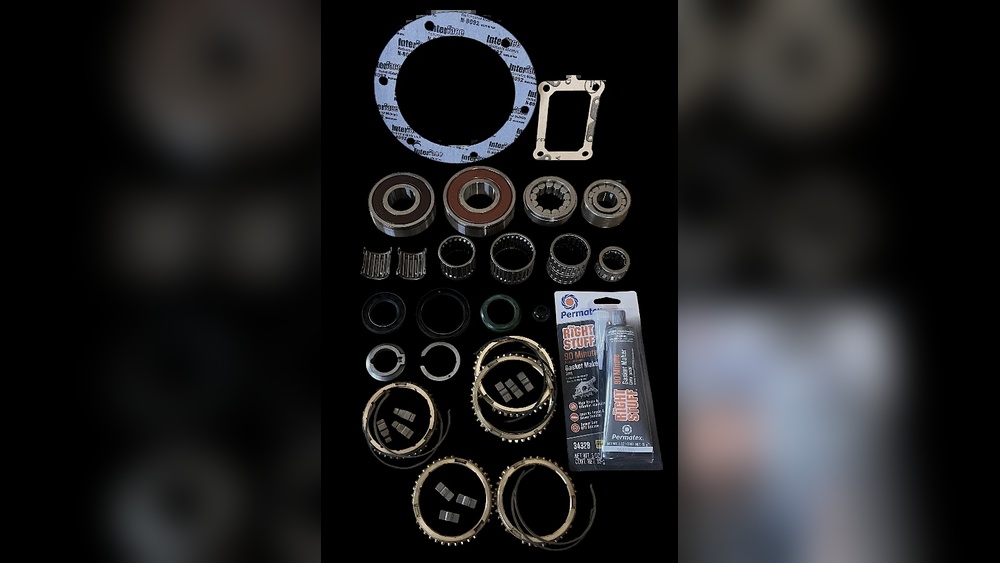
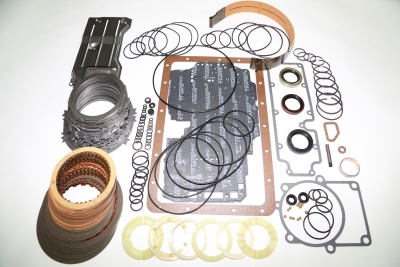
- Transmission rebuild kit (includes seals, gaskets, clutches, bands)
A rebuild kit is essential. Kits usually cost between $150–$400 depending on your Jeep model. Some shops charge over $2,000 for labor alone, so doing it yourself can save a lot.
Safety tip: Always disconnect the battery and use jack stands. Transmission components are heavy and awkward.
Many people overlook the importance of a clean workspace. Dirt and dust can cause serious problems inside the transmission, so sweep the floor and keep tools organized.
If you don’t have a transmission jack, a regular jack with wood blocks can work, but be extra careful to avoid slipping.
Lay out all parts from the rebuild kit and compare them with the old ones before you start. Sometimes kits have extra parts or small differences, so checking early can prevent confusion later.
Removing The Transmission
- Lift the Jeep securely with jack stands.
- Remove the drive shaft by unbolting from the rear differential.
- Disconnect the shift linkage, wiring, and cooler lines.
- Support the transmission with a jack.
- Unbolt the bellhousing and remove the transmission.
This step can take 2 4 hours. Keep bolts organized in labeled bags.
| Task | Estimated Time | Difficulty |
|---|---|---|
| Lift vehicle | 15 min | Easy |
| Remove driveshaft | 30 min | Medium |
| Disconnect wiring | 20 min | Easy |
| Remove transmission | 2 hrs | Hard |
When removing the transmission, be careful not to damage the cooler lines or wiring harness. These can be expensive and tricky to replace.
Take photos of each connection before disconnecting, especially if you are not familiar with the setup. Some bolts may be hard to reach using a long extension can help.
If you struggle with a rusty bolt, spray it with penetrating oil and wait a few minutes.
Disassembling The Transmission
Place the transmission on a clean bench. Take photos before each step this helps during reassembly.
- Remove pan and filter
- Take off the valve body
- Pull out the clutch packs, bands, and planetary gears
- Note the arrangement of parts
Jeep transmissions have many small parts. Mark each piece and keep them in order.
| Component | Common Issues | Replacement Cost |
|---|---|---|
| Clutch packs | Worn or burned | $50–$100 |
| Bands | Broken or loose | $30–$60 |
| Valve body | Dirty or stuck | $100–$250 |
| Seals/gaskets | Leaking | $20–$40 |
A good practice is to lay out parts in the order you remove them, using trays or towels. Some people use cardboard and poke parts into labeled holes.
This prevents confusion later, especially when similar-looking parts must go in specific places.
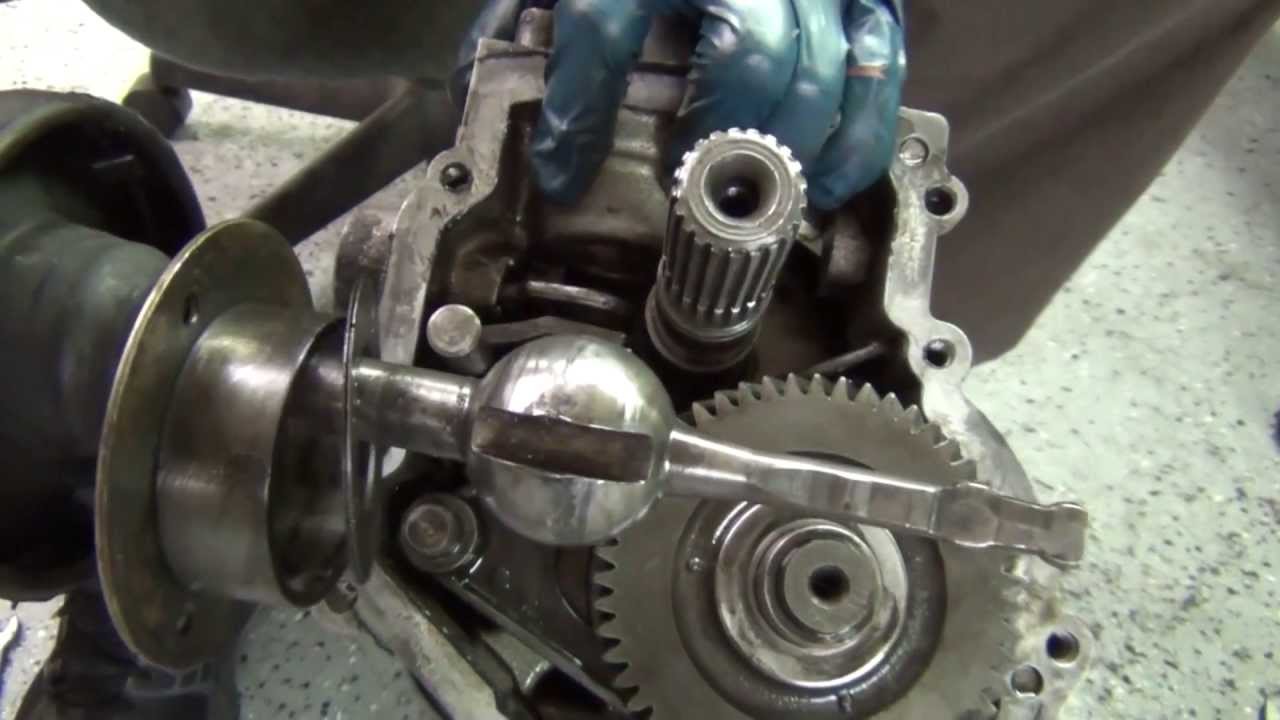
If you find broken or heavily worn parts, make notes or take close-up photos. Jeep automatic transmissions, like the AW4 or 42RLE, have unique valve body layouts, so be careful when removing springs and check balls they can fall out easily.
Cleaning And Inspecting Parts
Clean all parts with transmission fluid or a special solvent. Inspect for wear:
- Clutch discs: Look for burning or warping.
- Bands: Check for cracks or thinning.
- Gears: Examine for chipped teeth.
- Seals and gaskets: Replace if brittle or torn.
A common mistake is reusing old seals. Always use new ones from the rebuild kit.
Non-obvious insight: If you see metal shavings in the pan, check the torque converter. It can cause hidden damage.
Take extra time cleaning the valve body. Small passages can get blocked, leading to shifting problems.
Use compressed air to blow out debris. When inspecting planetary gears, spin them and listen for grinding.
If you notice any, replace the gear set.
Some rebuilders skip inspecting the torque converter, but this can lead to repeated failures. If you find blue or black marks on clutch discs, it means overheating replace them and check for causes like blocked cooler lines.
Rebuilding And Reassembly
Start rebuilding by following the reverse order of disassembly:
- Install new seals and gaskets
- Replace clutch packs and bands
- Reassemble planetary gears and valve body
- Double-check clearances with a feeler gauge
Use a torque wrench to tighten bolts to the correct specs. Jeep transmissions are sensitive to improper torque—too loose and leaks occur, too tight and parts can crack.
Experience-based tip: Lubricate parts with clean transmission fluid before assembly. This prevents dry start-up damage.
Double-check the placement of snap rings and springs. Many transmission failures come from missing or incorrectly installed snap rings.
If your rebuild kit includes upgraded friction materials, follow the instructions closely some require different stacking or clearances. Before closing the pan, check the movement of the shift lever.
It should feel smooth and click through each gear. If it binds, reopen and check for misaligned parts.
Reinstalling The Transmission
With your rebuilt transmission ready, reinstall it:
- Lift and align the transmission with the engine
- Bolt the bellhousing and reconnect the linkage
- Attach wiring and cooler lines
- Reinstall the driveshaft
Fill with new ATF fluid. Most Jeep models need 4–8 quarts.
| Jeep Model | Transmission Fluid Capacity | Recommended Fluid |
|---|---|---|
| Wrangler TJ | 4.5 quarts | ATF+4 |
| Cherokee XJ | 6.0 quarts | Dexron III |
| Grand Cherokee | 8.0 quarts | ATF+4 |
Start the engine and check for leaks. Shift through all gears to ensure smooth operation.
After reinstalling, let the engine idle for a few minutes and check fluid level again. Fluid settles as it circulates, so top up as needed.
Test drive the Jeep carefully at first. Listen for noises and pay attention to shifting.
If you notice delayed shifts or slipping, stop and recheck connections. Some people forget to reconnect the transmission cooler lines this can cause overheating and quick failure.
Common Mistakes And How To Avoid Them
- Not cleaning parts thoroughly
- Forgetting to replace all seals and gaskets
- Incorrect torque settings
- Mixing up clutch pack order
Take your time. If unsure, consult the factory service manual or use resources like Jeep Official Site.
Non-obvious insight: Some Jeep models use unique torque converter bolts—check your manual to avoid mismatched parts.
Another overlooked mistake is skipping the test drive after the rebuild. Always drive slowly and test all gears before heavy use.
If you hear clunks or feel harsh shifts, something may be wrong. Never ignore leaks fix them immediately to prevent bigger problems.
If you ever feel lost, asking for help in Jeep forums or from experienced mechanics can save hours of trouble.
Frequently Asked Questions
How Long Does It Take To Rebuild A Jeep Transmission?
For a beginner, it can take 2–3 days. Experienced mechanics may finish in 8–12 hours. Most of the time is spent cleaning and inspecting parts.
If you have limited tools or workspace, add a day for organizing and cleaning. Rushing increases mistakes and can lead to expensive errors, so plan your schedule wisely.
Do I Need Any Special Tools?
Yes, you need snap ring pliers and a torque wrench. These tools ensure proper assembly and prevent damage.
Some transmissions require specialty tools for removing bushings or pressing bearings. If you don’t have them, consider renting or borrowing from auto parts stores.
Can I Rebuild A Transmission Without Prior Experience?
It’s possible with patience and careful study. Take photos, follow instructions, and ask for help if needed. Some online forums offer step-by-step guides.
Watching video tutorials can also help. Many Jeep owners share their rebuild experiences online, which can make each step clearer.
What Are Signs My Jeep Transmission Needs A Rebuild?
Common signs include slipping gears, delayed shifts, leaking fluid, and strange noises. If you notice any of these, a rebuild is likely needed.
Another sign is a burning smell or fluid that looks dark and dirty. These usually mean internal damage or overheating.
Is Rebuilding Cheaper Than Buying A New Transmission?
Usually, yes. A rebuild kit costs $150–$400, while a new transmission can cost over $2,000. Labor from shops adds even more.
If you do the work yourself, you also save on taxes and shipping fees for large parts. However, always compare prices and check if your model has common issues that might need extra parts.
Rebuilding a Jeep transmission is challenging but worthwhile. With the right tools and careful steps, you can restore your vehicle’s performance and save money.
Remember to take your time, stay organized, and use new parts. This project not only fixes your Jeep but builds your confidence for future repairs.
With patience and proper attention, your Jeep can run smoother than ever and you’ll gain skills that help with any car project.