Getting off-road with your Jeep Wrangler is exciting, but knowing how to engage the 4X4 system is essential. Many owners, especially beginners, don’t realize the importance of doing it correctly. If you’re unsure how to switch between drive modes, or you want to avoid damaging your vehicle, this guide will help. We’ll break down the four key items—2H, 4H, 4L, and Neutral—and explain when and how to use each. With simple steps, practical advice, and clear comparisons, you’ll feel confident next time you drive your Jeep Wrangler on challenging terrain.
Understanding The Jeep Wrangler 4×4 System
The Jeep Wrangler uses a part-time 4X4 system. This means you can manually switch between different drive modes depending on road conditions. The main modes are 2H (Two-wheel drive High), 4H (Four-wheel drive High), 4L (Four-wheel drive Low), and Neutral. Each serves a specific purpose and must be engaged correctly.
Common Mistake
Many drivers forget to match the mode to the surface. Using 4H or 4L on dry pavement can strain the drivetrain.
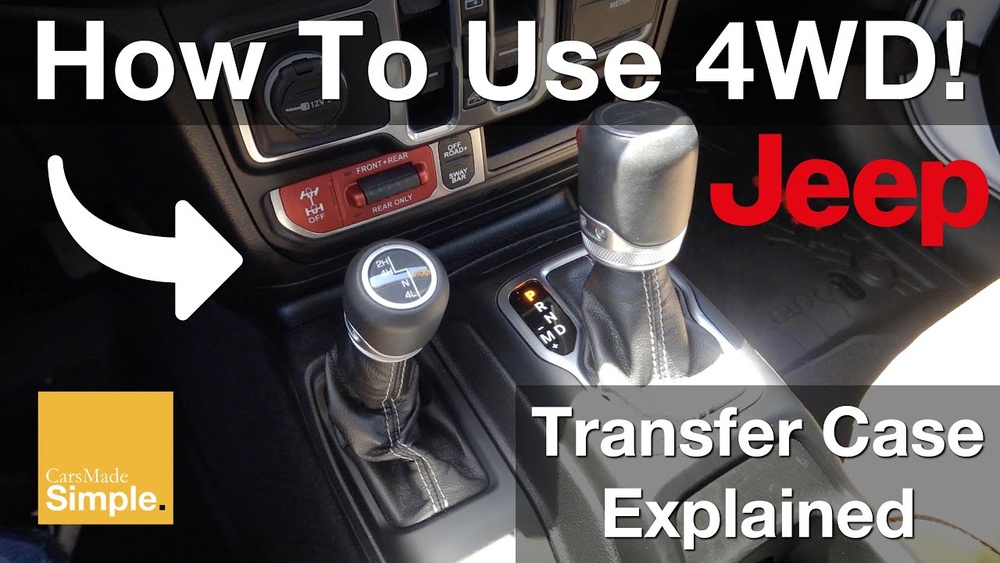
Always choose the right setting for your conditions.
How To Engage 2h (two-wheel Drive High)
2H is the default mode for most driving. In this setting, only the rear wheels receive power. It’s best for dry, paved roads.
- To engage 2H, make sure the Jeep is stopped or moving slowly.
- Move the transfer case lever to 2H.
- You can shift between 2H and 4H while driving under 55 mph, but avoid sudden changes.
Benefits of 2H:
- Better fuel efficiency
- Less wear on drivetrain
- Smooth handling on pavement
When To Use 2h
Stick with 2H for city driving, highways, and any situation where traction isn’t a concern. It’s not meant for slippery or uneven surfaces.

How To Engage 4h (four-wheel Drive High)
4H is your go-to for light off-roading, snow, sand, or mud. It sends power to all four wheels, improving traction.
- To shift into 4H, slow down to under 55 mph.
- Pull the transfer case lever from 2H to 4H. You don’t need to stop.
- You’ll notice better control in slippery conditions.
Common Insight: Many people hesitate to use 4H, thinking it’s only for deep mud. But it’s also ideal for rain, gravel, and shallow snow.
When To Use 4h
Use 4H whenever you need extra grip but don’t require maximum torque. It’s great for moderate off-road trails and adverse weather.
How To Engage 4l (four-wheel Drive Low)
4L is for serious off-roading. It gives maximum torque and control, but limits speed.
- Stop your Jeep completely.
- Shift the automatic transmission to Neutral.
- Move the transfer case lever to 4L.
- Wait for the indicator light on the dash.
Tips for 4L:
- Never shift into 4L while moving.
- Use for deep mud, steep hills, rocks, or towing heavy loads at low speeds.
When To Use 4l
Choose 4L for extreme terrain—deep sand, rocky trails, or when you need full power at slow speeds. Don’t use 4L on normal roads.
How To Engage Neutral
Neutral disconnects the wheels from the engine. This mode is mostly for towing.
- Stop your Jeep completely.
- Shift the transmission to Neutral.
- Move the transfer case lever to Neutral.
Warning: Never drive in Neutral—it’s not a driving mode. It’s only for flat towing (when the Jeep is pulled by another vehicle).
Comparing 4×4 Modes
Here’s a simple table to compare the four modes:
| Mode | Best Use | Speed Range | Fuel Efficiency |
|---|---|---|---|
| 2H | Paved roads | Any | High |
| 4H | Light off-road, slippery | Up to 55 mph | Medium |
| 4L | Heavy off-road | Low speeds | Low |
| Neutral | Towing only | 0 mph | N/A |

Step-by-step Guide For Switching Modes
Here’s a quick summary of how to switch between modes:
| From | To | Required Action |
|---|---|---|
| 2H | 4H | Slow down, shift lever |
| 4H | 4L | Stop, shift transmission to Neutral, move lever |
| 4L | 2H | Stop, shift transmission to Neutral, move lever |
| Any | Neutral | Stop, shift transmission to Neutral, move lever |
Real-world Example
Imagine you’re driving in a rainstorm. Roads are slippery, but not deeply flooded. Switching from 2H to 4H improves traction and keeps you safe. Later, you reach a muddy trail. Stop, shift to Neutral, then engage 4L for maximum torque. If you need to tow your Jeep behind an RV, use Neutral.

Advanced Tips Most Beginners Miss
- Check tire pressure before off-roading. Uneven tires can affect 4X4 performance.
- Listen for unusual noises when switching modes. If you hear grinding, stop and try again. This could mean the transfer case isn’t fully engaged.
- Practice shifting in a safe area. Get comfortable with the lever before you face tough trails.
Mistakes To Avoid
- Don’t use 4H or 4L on dry pavement—this can cause drivetrain damage.
- Never shift into 4L while moving.
- Don’t drive in Neutral—it’s for towing only.
Frequently Asked Questions
How Can I Tell If My Jeep Wrangler Is In 4×4 Mode?
Check the indicator light on the dashboard. When you switch to 4H or 4L, a light will show which mode you’re in.
Can I Switch Between 2h And 4h While Driving?
Yes, you can shift between 2H and 4H at speeds under 55 mph. But slow down and avoid shifting on sharp turns.
What Happens If I Use 4×4 On Dry Pavement?
Using 4H or 4L on dry pavement can cause extra wear and possible damage. Only use these modes when surfaces are slippery or uneven.
Is It Safe To Tow My Jeep In Neutral?
Yes, Neutral in the transfer case is designed for flat towing. Always follow manufacturer guidelines for your specific Wrangler model. For more details, visit the official Jeep Wrangler site.
How Often Should I Use 4l?
Use 4L only when needed—such as steep climbs, deep mud, or rocky terrain. Overusing 4L on easy surfaces is unnecessary and wastes fuel.
Driving a Jeep Wrangler is fun, but knowing how to engage the 4X4 system correctly makes your adventures safer and your vehicle last longer. Learn the steps, practice them, and always match the mode to the road. With the right knowledge, you’ll be ready for any challenge.


















