Your Jeep Wrangler’s check engine light just came on, now what? You might feel a bit lost, wondering what that little warning means and if it’s safe to keep driving.
The good news is, you don’t need expensive tools or a mechanic right away to understand what’s going on. You can actually read your Jeep Wrangler’s check engine codes yourself, using a simple key-turning trick that reveals the problem in seconds.
You’ll learn exactly how to read your Jeep’s check engine light, what the codes mean, and the next steps you should take to keep your Wrangler running smoothly. Don’t ignore that light get the answers you need right now.

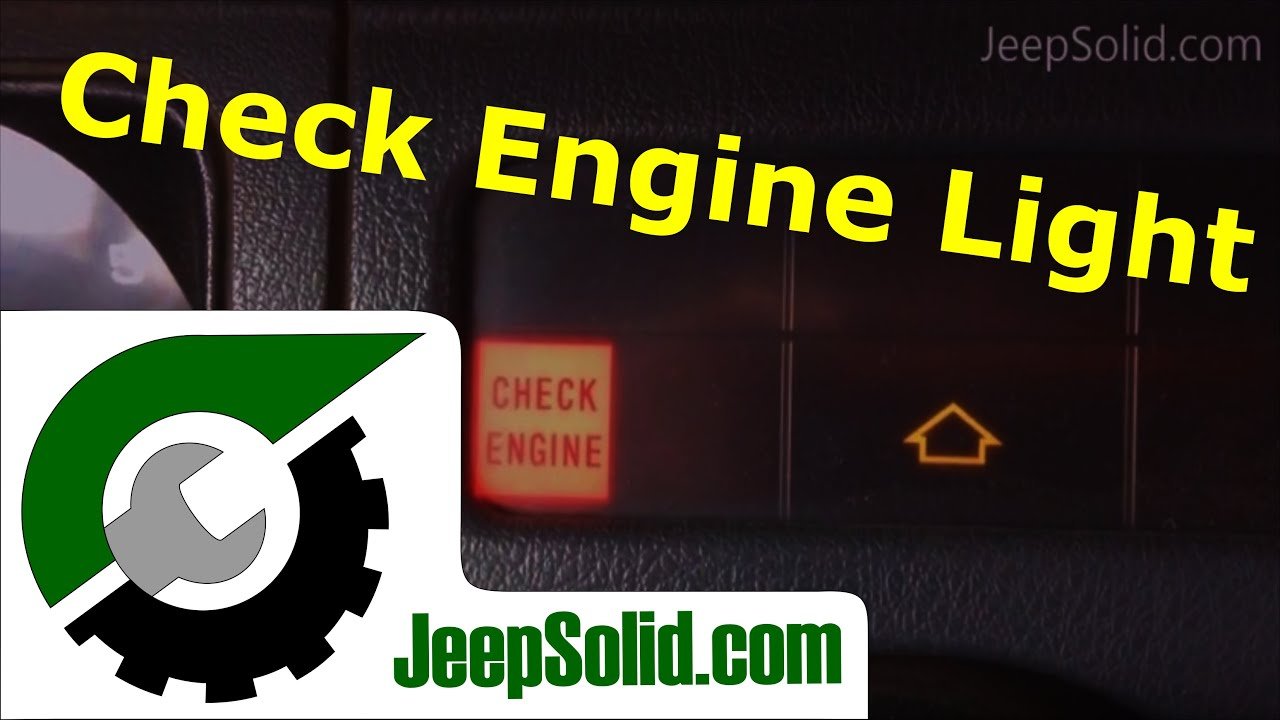
Check Engine Light Basics
The check engine light on your Jeep Wrangler is a warning signal. It tells you that the vehicle’s computer has found an issue. This light can mean many things, from minor problems to serious engine trouble.
Knowing what this light means helps you take quick action. It can save time and money on repairs.
Understanding the basics also reduces stress when the light comes on.
What The Light Means
The check engine light is part of the onboard diagnostics system. It monitors engine and emission controls.
When it senses a fault, the light turns on. This alerts you to check the vehicle soon.
The light can be steady or flashing. A steady light means a minor issue.
A flashing light signals a severe problem needing immediate attention. Ignoring the light may cause more damage.
Common Causes In Jeep Wrangler
Many factors can trigger the check engine light in a Jeep Wrangler. A loose or damaged gas cap is a frequent cause. It affects fuel system pressure and emissions.
Other common causes include faulty oxygen sensors, bad spark plugs, and issues with the catalytic converter. Engine misfires or problems with the mass airflow sensor can also turn on the light.
Regular maintenance helps prevent many of these issues. Checking the gas cap and replacing worn parts keeps the Jeep running smoothly.
Ignition Key Method
The Ignition Key Method offers a quick way to read the check engine light codes on your Jeep Wrangler. This method does not require any special tools or scanners.
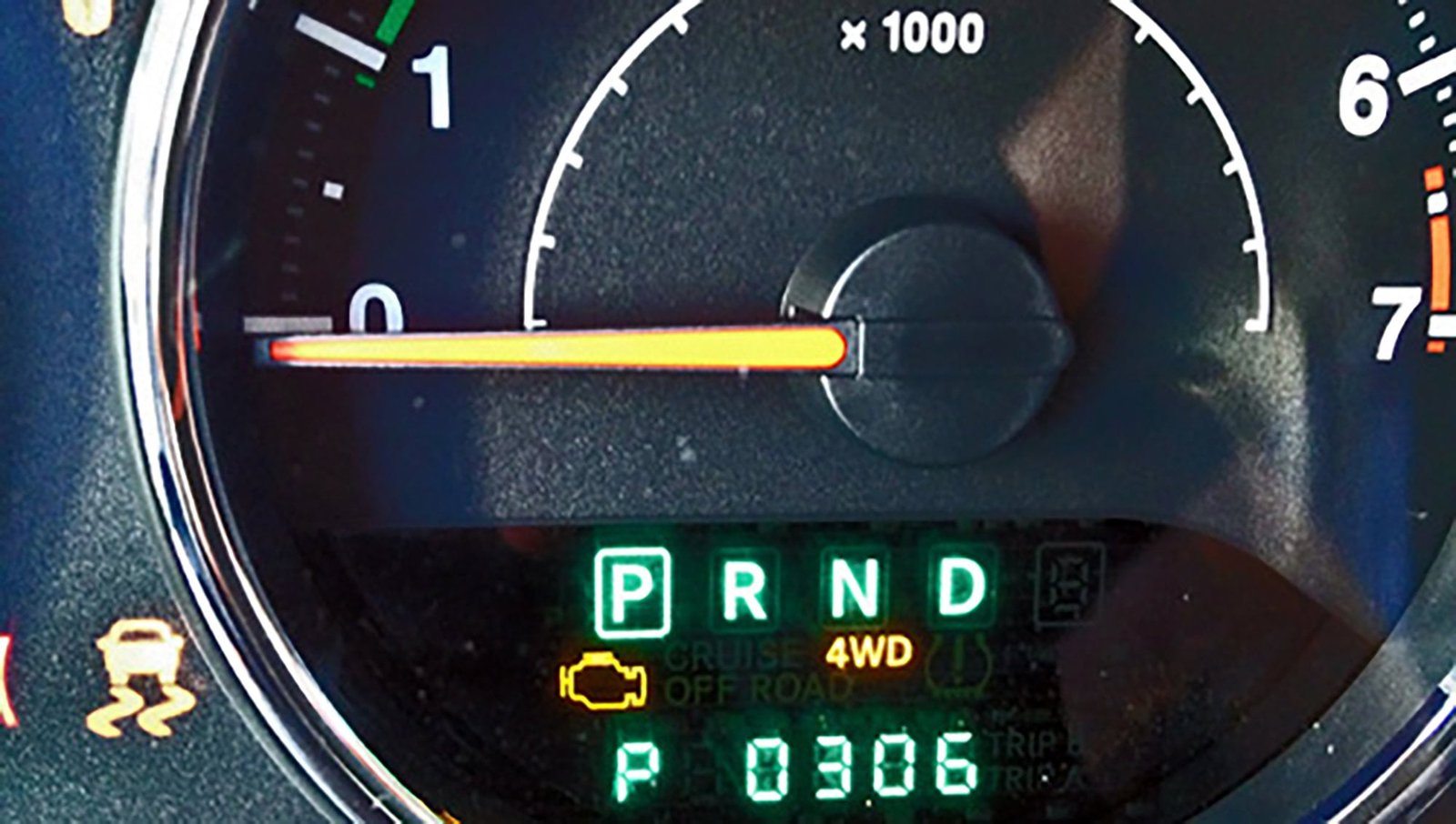
It uses your Jeep’s built-in system to display error codes on the odometer screen.
This is helpful for Jeep owners who want to diagnose issues without visiting a mechanic first. The process involves turning your ignition key in a specific sequence.
Your Jeep will then flash the trouble codes on the dashboard.
Step-by-step Code Retrieval
First, sit inside your Jeep and close all doors. Insert the ignition key but do not start the engine.
Turn the key from OFF to ON, then back to OFF, and then ON again. Repeat this cycle three times quickly.
The exact sequence is: OFF – ON – OFF – ON – OFF – ON. Stop on the last ON position without starting the engine.
Wait a few seconds, and the odometer will begin to flash a code.
Each code appears as a series of flashes. The first set of flashes shows the code’s first digit.
After a short pause, the second set flashes to show the second digit. Codes will repeat until you turn off the ignition.
Interpreting The Codes Displayed
Each trouble code consists of two digits. For example, if the light flashes four times, pauses, then three times, the code is 43.
These codes correspond to specific issues in your Jeep’s system.
Use your Jeep’s manual or an online database to understand what each code means. Common codes may indicate problems with sensors, emissions, or electrical systems.
Knowing the code helps you decide the next steps for repair.
Keep a note of the codes shown. This information is valuable to share with a mechanic or when searching for DIY fixes online.
This method gives you a clear starting point to address your Jeep’s check engine light.
Using An Obd-ii Scanner
Using an OBD-II scanner is a reliable way to read the check engine light on your Jeep Wrangler. This device connects to your vehicle’s onboard computer and retrieves trouble codes. These codes help identify what issue triggered the warning light. The process is straightforward and gives clear insight into your Jeep’s health.
The scanner not only reads codes but can also clear them after repairs. This helps turn off the check engine light if the problem is fixed.
Many scanners are affordable and easy to use, making them a great tool for Jeep owners. Below are the simple steps to use an OBD-II scanner with your Wrangler.
Connecting The Scanner
Locate the OBD-II port under your Jeep’s dashboard, near the steering column. Plug the scanner’s connector firmly into the port.
Turn your Jeep’s ignition to the ON position without starting the engine. Power on the scanner; it should light up or display a welcome screen.
Wait for the scanner to establish a connection with your vehicle’s computer. This usually takes a few seconds.
Reading And Clearing Codes
Use the scanner’s menu to select “Read Codes” or a similar option. The scanner will display one or more trouble codes.
Write down these codes for reference or look them up in the scanner’s manual. After addressing the issues, return to the scanner’s menu and select “Clear Codes.” This action resets the check engine light.
If the problem persists, the light may come back on, indicating further attention is needed.
Free Code Reading Options
Reading the check engine light codes on your Jeep Wrangler does not have to cost money. Several free options exist to help you understand what the light means.
These options are easy to access and can save you a trip to the mechanic. Use these methods to get a quick insight into your Jeep’s health and decide the next step.
Auto Parts Store Services
Many auto parts stores offer free check engine code reading. You can visit stores like AutoZone or O’Reilly and ask them to connect an OBD-II scanner to your Jeep Wrangler.
They will read the trouble codes stored in your vehicle’s computer and provide you with the results. This service usually takes just a few minutes and can help you identify common issues quickly.
This option is great for Jeep owners who want a fast, no-cost way to check their engine light. It requires no special tools or knowledge.
Just bring your Jeep to the store, and the staff will assist you at no charge.
Mobile Apps And Online Tools
Free mobile apps and online tools also allow you to read check engine codes. These apps work with Bluetooth OBD-II adapters, which connect to your Jeep’s diagnostic port.
Some apps offer free code reading features with easy-to-understand explanations of the codes.
Online tools let you enter the code manually to see what it means. This can be helpful if you already have the code from another source.
These apps and websites are user-friendly, making it simple for anyone to learn about their Jeep’s issues. Many apps have free versions that cover basic code reading without any cost.
Troubleshooting Tips
Troubleshooting your Jeep Wrangler’s check engine light starts with simple steps anyone can follow. Many issues behind the light are easy to fix without special tools.
Understanding these tips helps avoid unnecessary repairs and saves money. Start by checking basic parts that often cause the light to turn on.
If the problem is more serious, knowing when to seek expert help is important. This section guides you through practical troubleshooting steps.
Checking The Gas Cap
The gas cap is a common cause of the check engine light. A loose or damaged cap lets fuel vapors escape, triggering the warning.
Open your gas tank and tighten the cap firmly until you hear a click. If the cap looks cracked or worn, replace it with a new one.
After securing the cap, drive your Jeep normally for a few days. The check engine light may turn off by itself if this was the issue.
This simple fix often solves the problem without costly repairs.
When To Visit A Mechanic
Some check engine light issues need professional attention. If the light flashes or stays on after fixing the gas cap, see a mechanic.
Flashing lights often mean a serious engine problem that could cause damage. Also, if you notice poor engine performance, strange noises, or smoke, get your Jeep checked.
A mechanic can use a diagnostic scanner to read trouble codes accurately. Early professional diagnosis prevents bigger, expensive repairs later.

Common Jeep Wrangler Codes
The check engine light on a Jeep Wrangler signals various issues. Each code reveals a specific problem in the vehicle’s system.
Understanding these codes helps you decide what action to take.
Jeep Wranglers often show common codes linked to the engine, emissions, or sensors. Knowing these frequent codes makes it easier to diagnose trouble.
Below are some common examples and their meanings.
P0443 And Other Frequent Codes
P0443 is a common code in Jeep Wranglers. It points to a problem with the evaporative emission control system.
This system stops fuel vapors from escaping into the air.
Other common codes include P0300, indicating random misfires, and P0420, related to catalytic converter efficiency. These codes often appear and should not be ignored.
Each code signals a specific area to check.
What They Indicate
P0443 means the purge valve or wiring has an issue. This can cause fuel smell or poor fuel economy.
Fixing it usually involves checking the valve or electrical connections.
P0300 means the engine misfires randomly. This may cause rough running or loss of power.
Common causes include spark plugs, ignition coils, or fuel system problems.
P0420 shows the catalytic converter is not working well. It may cause increased emissions or check engine light staying on.
This often requires inspection of the converter or oxygen sensors.
Knowing these codes helps you communicate clearly with mechanics. It also guides you in performing basic checks yourself.
Paying attention to these signals keeps your Jeep running well.
Driving With The Check Engine Light On
Driving with the check engine light on in your Jeep Wrangler can be worrying. The light signals that your vehicle’s computer has found a problem.
Some issues are minor, but others need quick action. Knowing how to drive safely and when to stop is important for your safety and your Jeep’s health.
Safety Considerations
When the check engine light comes on, watch how your Jeep drives. Listen for strange noises or notice if it runs rough.
Check if the engine is overheating or if there is a loss of power. Avoid hard acceleration or high speeds.
Drive gently and keep your speed steady. Keep the windows down if you smell gas inside the vehicle.
These steps help avoid further damage or unsafe situations.
When To Stop Driving
Stop driving immediately if the check engine light is flashing. A flashing light often means a serious engine problem or an emission system fault.
Continuing to drive can cause major damage. Also, stop if you see smoke from under the hood or smell a strong fuel odor.
If the Jeep stalls or hesitates, pull over safely and turn off the engine. Call for roadside assistance or have your Jeep towed to a mechanic for inspection.
How To Read Jeep Wrangler Engine Codes?
To read Jeep Wrangler engine codes, cycle the ignition key OFF-ON three times quickly, ending ON. The codes display on the odometer.
How Do I Check My Jeep Code Without A Scanner?
To check Jeep codes without a scanner, cycle the ignition key OFF-ON three times quickly, ending in ON. Read codes on the odometer display.
Can I Drive My Jeep With The Engine Light On?
You can drive your Jeep with the engine light on, but only for short distances. Get the issue diagnosed quickly to avoid further damage.
What Is The Most Common Check Engine Light On A Jeep Wrangler?
The most common check engine light on a Jeep Wrangler often signals an issue with the evaporative emission control system.
Conclusion
Reading the check engine light on your Jeep Wrangler is simple with the right steps. Use the ignition key method to get codes quickly.
If that doesn’t work, visit an auto parts store for a free scan. Always check your gas cap first; a loose cap often triggers the light.
Knowing how to read and understand these signals helps you keep your Jeep running smoothly. Stay calm, follow these tips, and address issues early to avoid bigger problems.
Your Jeep will thank you with better performance and safety.