Putting your Jeep in 4WD sounds simple, but doing it correctly makes a big difference in performance and safety. Many Jeep owners, especially beginners, aren’t sure when and how to use four-wheel drive.
If you’re not careful, you could damage the drivetrain or get stuck in tough terrain.
This article explains the process step by step, covers different Jeep models, and answers the most common questions. You’ll learn how to use 4WD confidently, avoid mistakes, and understand what’s happening under your Jeep.
Understanding Jeep 4wd Modes
Jeep vehicles offer several 4WD options. The most common are part-time 4WD and full-time 4WD. Knowing which system your Jeep uses is crucial.
| 4WD System | Usage | Common Models |
|---|---|---|
| Part-time 4WD | For off-road, slippery, or loose surfaces | Wrangler, Gladiator |
| Full-time 4WD | Can be used on all surfaces, including dry pavement | Grand Cherokee, Cherokee |
Part-time 4WD should only be used on surfaces with low traction, like mud, snow, sand, or gravel. Using it on dry pavement can cause binding and damage. Full-time 4WD is more flexible and can handle both slippery and dry roads.
Step-by-step Guide: How To Put Your Jeep In 4wd
Switching to 4WD is easy if you follow the right steps. The process varies slightly based on whether your Jeep has a manual lever or an electronic switch.
For Manual Lever 4wd
- Slow Down: Reduce speed to below 55 mph. Most Jeep manuals recommend switching at lower speeds for safety.
- Shift Transmission to Neutral: This is especially important if you’re moving from 2WD to 4LO (low range).
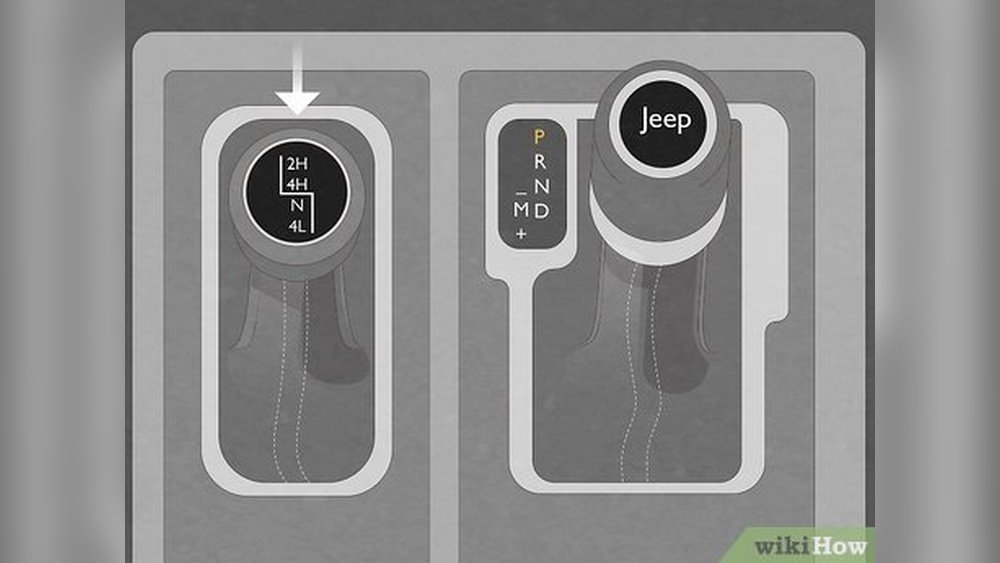
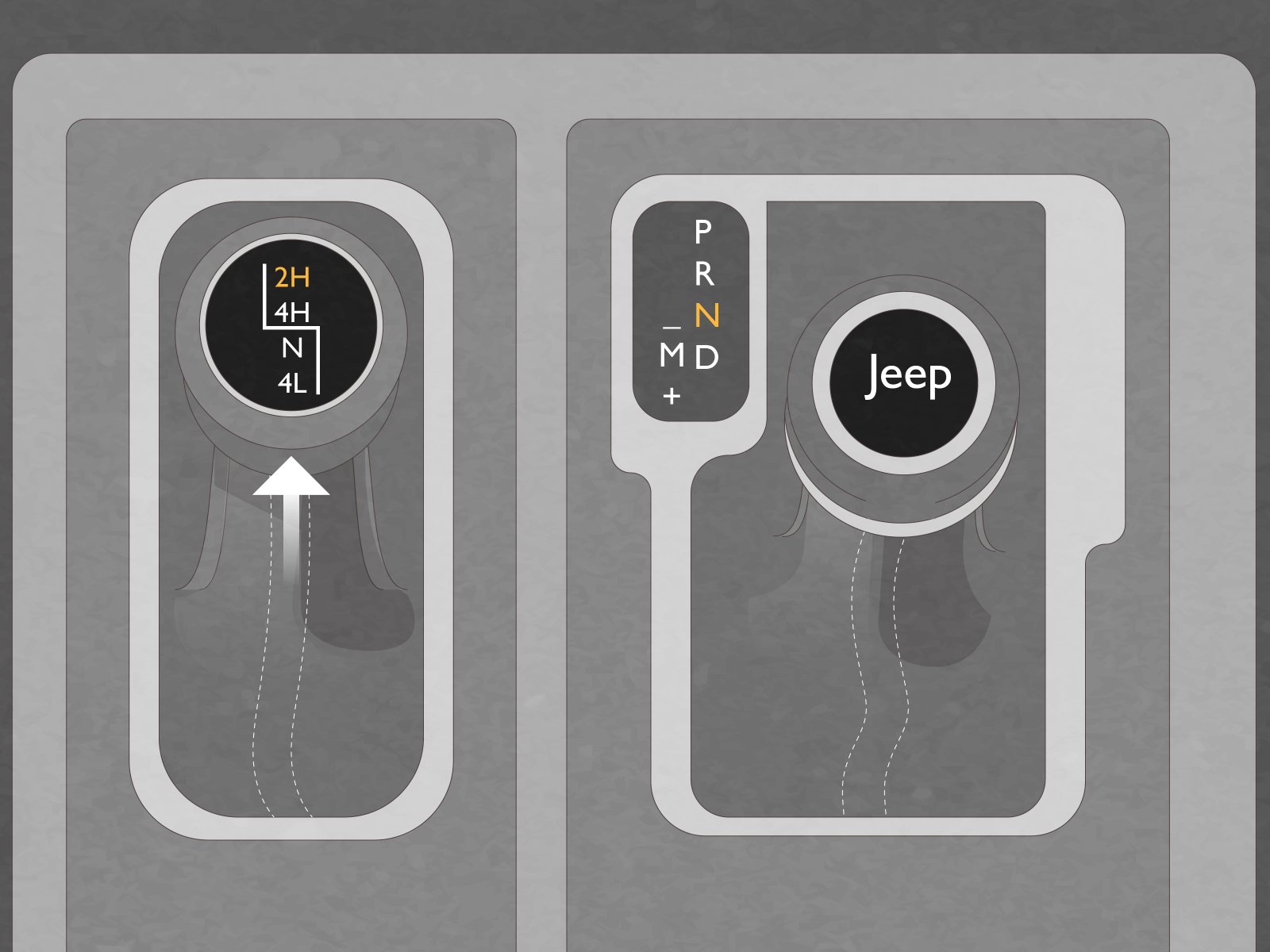
- Move the 4WD Lever: Push or pull the lever into 4H (high) for normal off-road driving. Use 4LO for deep mud, steep climbs, or towing.
- Return to Drive: Shift the transmission back to drive or the desired gear.
For Electronic Switch 4wd
- Check Speed: Most systems allow switching between 2WD and 4H while driving below 55 mph.
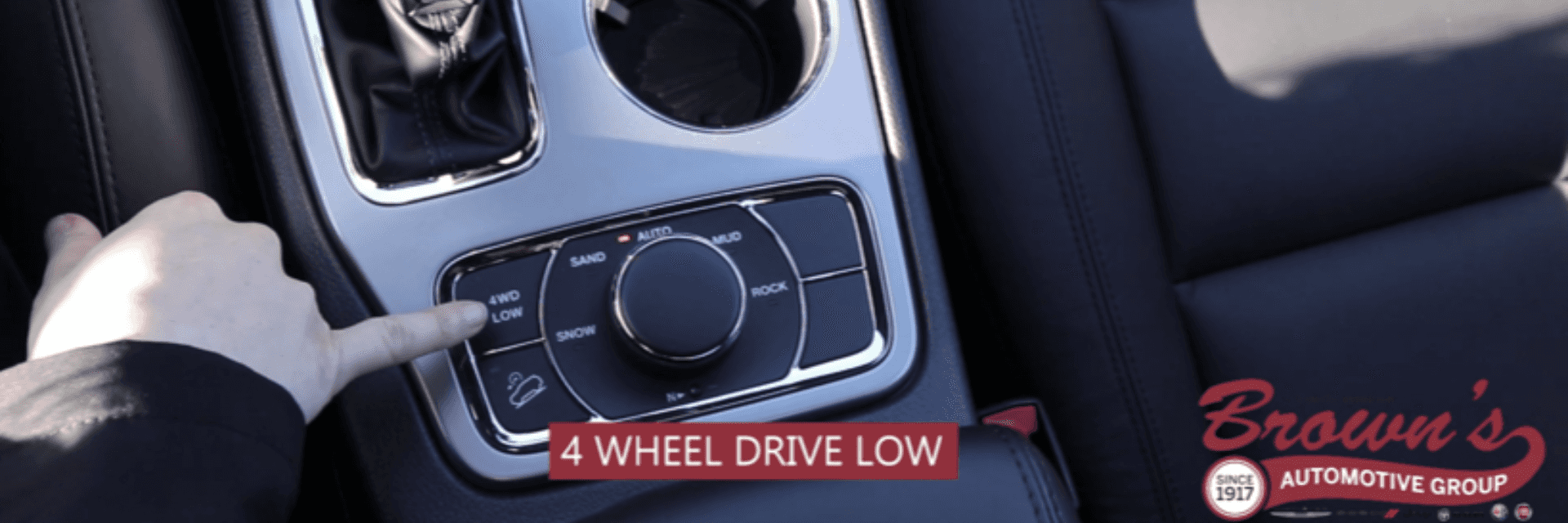
- Press the 4WD Button: Select 4H for most conditions. The Jeep’s computer handles the rest.
- For 4LO: Stop the vehicle, shift to neutral, press the 4LO button, then shift back to drive.
Some newer Jeeps even have automatic modes that detect traction loss and switch to 4WD by themselves.
When Should You Use 4wd?
Knowing when to use 4WD matters as much as knowing how. Here are the most common situations:
- Off-road trails: Dirt, rocks, and uneven surfaces require 4WD for extra grip.
- Snow and ice: 4WD improves traction and helps prevent slipping.
- Mud or sand: 4WD prevents you from getting stuck by distributing power to all wheels.
- Steep hills: 4LO gives more torque for climbing or descending.
Don’t use part-time 4WD on dry pavement. It can cause drivetrain stress and tire wear. Full-time systems are safe for all conditions.
Common Mistakes To Avoid
Many drivers make errors when using 4WD. Here are mistakes you can avoid:
- Switching to 4LO at high speeds: This can damage the gearbox. Always stop or slow down to below 5 mph.
- Using part-time 4WD on dry roads: This causes binding and possible damage.
- Not shifting to neutral for 4LO: The Jeep won’t engage low range unless the transmission is in neutral.
- Ignoring warning lights: If the 4WD indicator flashes or stays on, check your manual or contact a mechanic.
A surprising fact: More than 60% of Jeep owners use 4WD incorrectly at least once in their first year, according to a 2022 Jeep user survey.

Jeep 4wd Model Differences
Different Jeep models handle 4WD differently. Here’s a quick comparison:
| Model | 4WD Type | Switch Method |
|---|---|---|
| Wrangler | Part-time | Manual lever |
| Grand Cherokee | Full-time | Electronic switch |
| Gladiator | Part-time | Manual lever |
| Cherokee | Full-time | Electronic switch |
Always check your owner’s manual for specific instructions related to your Jeep model.
Practical Tips For Using Jeep 4wd
- Check your tires: Good tires are as important as 4WD for traction.
- Practice switching: Try engaging 4WD in a safe area before heading off-road.
- Listen for noises: Strange sounds after switching could indicate a problem.
- Keep speed low in 4LO: This mode is for slow, controlled driving.
- Engage 4WD before you need it: Don’t wait until you’re stuck. Switch when conditions first get slippery.
Many beginners miss the importance of tire pressure. Lowering tire pressure slightly (not below 20 psi) can improve grip in sand or mud.
How 4wd Improves Safety And Performance
Using 4WD correctly boosts both safety and performance. In slippery conditions, power goes to all four wheels, reducing the chance of getting stuck. According to the National Highway Traffic Safety Administration, vehicles with 4WD are involved in 30% fewer accidents during winter storms compared to 2WD vehicles.
Another non-obvious point: 4WD does not help with braking. It improves traction for moving and climbing, but stopping depends on your brakes and tires.
Frequently Asked Questions
How Fast Can I Drive In 4wd?
In 4H, you can drive up to 55 mph, but it’s best to keep speeds lower in bad conditions. 4LO is meant for speeds below 25 mph.
Can I Switch To 4wd While Driving?
Yes, most Jeep models let you switch between 2WD and 4H while moving. For 4LO, always stop and shift to neutral.
Is It Safe To Use 4wd On Dry Pavement?
No, it’s only safe with full-time 4WD systems. Part-time 4WD should be used only when roads are slippery or loose.
What Should I Do If My Jeep Won’t Go Into 4wd?
Check if you’re in the correct gear (neutral for 4LO), and consult your manual. If the problem persists, contact a dealership or mechanic.
Does 4wd Use More Fuel?
Yes, 4WD can increase fuel consumption by 10-20% because more parts are working. Use it only when needed.
Putting your Jeep in 4WD is simple once you know your vehicle and follow the right steps. Remember, proper use prevents damage and helps you drive safely in tough conditions. If you want detailed technical information about Jeep 4WD systems, visit Wikipedia for more. Now you’re ready to tackle mud, snow, and trails with confidence.