Many Jeep Cherokee XJ owners love off-roading and need to switch between two-wheel drive and four-wheel drive. But if you’re new to the Jeep XJ, putting it in 4WD can be confusing.
It’s important to do it right, or you could damage your vehicle.
This article explains how to put your Jeep XJ in 4WD, when to use it, and what to avoid. Whether you’re driving in snow or heading off the beaten path, you’ll know exactly what to do.
Understanding Jeep Xj 4wd Systems
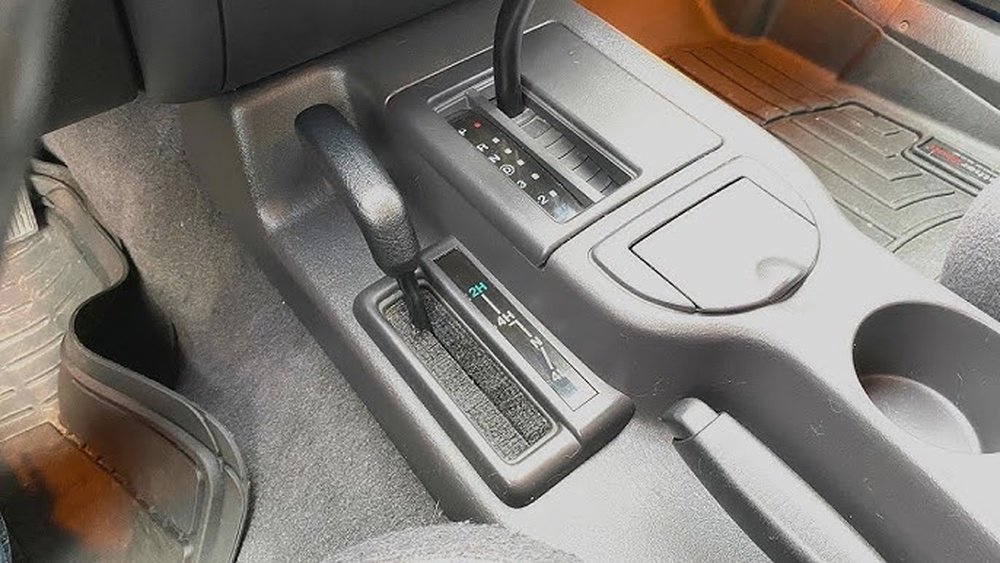
The Jeep Cherokee XJ came with two main types of 4WD systems: Command-Trac and Selec-Trac. Knowing which one you have is important, because the process is a little different.
Command-trac Vs Selec-trac
Command-Trac is a part-time 4WD system. It’s designed for off-road or slippery surfaces, not dry pavement.
Selec-Trac offers both part-time and full-time 4WD options. You can use its full-time mode on dry roads without hurting your drivetrain.
Here’s a quick comparison:
| Feature | Command-Trac | Selec-Trac |
|---|---|---|
| Type | Part-Time | Full-Time & Part-Time |
| Safe on Dry Pavement | No | Yes (Full-Time) |
| Best For | Off-road, Snow, Mud | Mixed conditions, Everyday use |
To find your system, check the 4WD lever label or your owner’s manual.
Preparing To Shift Into 4wd
Before you move the lever, make sure you’re ready.
- Know Your Transfer Case Positions: Most Jeep XJs have these positions: 2H (2WD High), 4H (4WD High), N (Neutral), and 4L (4WD Low).
- Check the Road Surface: Use 4WD only on loose, slippery, or uneven surfaces if you have Command-Trac.
- Reduce Speed: For most shifts into 4H, you should be moving under 55 mph. For 4L, you must stop and shift to neutral first.
Here’s a summary:
| Transfer Case Position | When to Use | Vehicle Speed |
|---|---|---|
| 2H | Dry pavement, regular driving | Any speed |
| 4H | Snow, mud, sand, loose gravel | Below 55 mph |
| 4L | Steep hills, deep mud/snow, towing | Vehicle stopped |
How To Engage 4wd High (4h)
Getting into 4WD High is simple on most Jeep XJs.
- Drive Straight: Keep your wheels pointed forward.
- Let Off the Gas: Lightly take your foot off the accelerator.
- Pull the 4WD Lever: Move the lever from 2H to 4H in one smooth motion. You can do this while moving at low to moderate speed.
- Resume Driving: You should feel the Jeep grab a bit more. A light on your dash may show 4WD is engaged.
Tip: Don’t force the lever. If it resists, try rolling the Jeep forward a few feet and try again.
How To Engage 4wd Low (4l)
4WD Low is for tough situations like deep snow or steep hills. The steps are a bit different:
- Stop the Vehicle: Put the transmission in neutral (N).
- Move the 4WD Lever: Firmly shift from 4H to 4L in one motion.
- Return to Drive: Put the transmission back into drive (or first gear, if manual).
- Go Slowly: 4L gives you extra power but keeps speeds low.
Tip: Never shift to 4L while moving. It can seriously damage your transfer case.
How To Disengage 4wd
To go back to 2WD:
- Let Off the Gas: Slow down and keep the wheels straight.
- Shift from 4H to 2H: Move the lever in one motion. You can do this while rolling.
- For 4L: Stop, put the transmission in neutral, then shift to 2H.
Some drivers notice it’s a little stiff shifting out of 4WD. Rolling forward slowly while shifting can help.
Common Mistakes To Avoid
Many new XJ owners make errors that can cause damage or unsafe driving. Here are a few to watch out for:
- Using 4WD on dry pavement (with Command-Trac). This strains the drivetrain.
- Shifting to 4L without stopping the Jeep first.
- Forcing the lever if it won’t move—this can break the linkage.
- Ignoring weird noises or vibrations after shifting. This could mean the system isn’t fully engaged.
When And Why To Use 4wd
You don’t always need 4WD. Here’s when it helps most:
- Snowy or Icy Roads: 4WD gives better traction.
- Off-Road Trails: Mud, rocks, and loose dirt are easier to cross.
- Steep Hills: 4L helps you climb or descend safely.
But remember, 4WD does not mean you can drive fast in bad conditions. It helps with traction, not stopping.
Troubleshooting 4wd Engagement
Sometimes, your Jeep XJ might not shift into 4WD as expected. Here are some quick checks:
- Indicator Light Won’t Come On: The bulb might be out or the switch is faulty.
- Lever Feels Stuck: The linkage could need lubrication, or the gears aren’t lined up. Try rolling forward while shifting.
- Grinding Noise: Stop immediately. You may be trying to shift at the wrong speed.
If you can’t fix the problem, it’s smart to see a mechanic before using 4WD again.
Extra Insights For Beginners
Most beginners miss these details:
- Tire Size Matters: Uneven tire sizes can stress your 4WD system. Always use the same size and tread depth on all wheels.
- Regular Use Keeps It Working: Shift into 4WD every month, even if it’s dry, to keep parts lubricated.
Frequently Asked Questions
Is It Okay To Use 4wd On Highways?
With Command-Trac, no. Only use 4WD on highways if you have Selec-Trac in full-time 4WD mode, and the road is slippery.
Why Does My Jeep Xj Make Noise When In 4wd?
Some light noise is normal, but loud grinding or clunks are not. It could mean improper shifting or mechanical issues. Get it checked if the noise is new or loud.
Can I Shift Into 4wd While Driving?
You can shift into 4H at speeds under 55 mph. For 4L, you must stop and shift the transmission to neutral.
What If My 4wd Light Doesn’t Turn On?
The system might still be working. Check if your Jeep feels different (more traction).
If in doubt, have the light or sensor checked by a pro.
How Often Should I Use 4wd?
Engage 4WD every few weeks, even on dry ground, to keep the system lubricated and functional.
Knowing how to put your Jeep XJ in 4WD gives you more control and confidence, whether you’re tackling winter roads or heading into the wild. Take care of your transfer case, avoid common mistakes, and remember—4WD is a tool, not a magic solution. For more technical details, visit the official Jeep XJ Wikipedia page. Safe driving and happy trails!