Owning a Jeep Wrangler is all about adventure. One of its most valued features is the ability to switch between different drive modes, especially 4H (4-High).
If you’re new to Wranglers, putting your vehicle into 4H can seem confusing. This guide breaks down the process, explains what 4H is, and gives practical advice to help you use it confidently.
You’ll also learn why using 4H correctly matters for safety and performance.
What Is 4h And When Should You Use It?
4H stands for four-wheel drive high range. In this mode, power goes to all four wheels, helping your Jeep grip the road better. It’s not for everyday driving on dry pavement—it’s designed for situations where traction is low, like:
- Snowy roads
- Loose gravel
- Mud
- Sandy terrain
Switching to 4H helps prevent slipping and gives you more control. However, using 4H on dry roads can damage the drivetrain and cause tires to wear out faster.
Here’s a quick comparison of Jeep Wrangler drive modes:
| Mode | Use Case | Speed Range |
|---|---|---|
| 2H (Two-wheel drive) | Normal dry roads | All speeds |
| 4H (Four-wheel drive high) | Slippery or loose surfaces | Up to 55 mph |
| 4L (Four-wheel drive low) | Extreme off-roading, steep climbs | Up to 25 mph |
Step-by-step: How To Put Jeep Wrangler In 4h
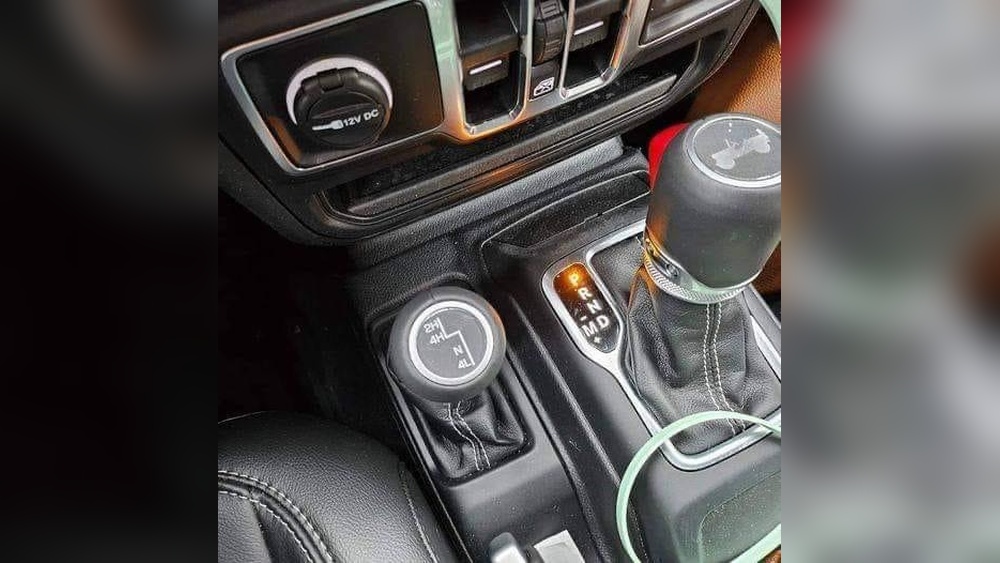
Not all Jeep Wranglers are the same. Still, most models use a similar system with a transfer case lever (physical shifter) or a dial/knob (electronic). Here’s how to switch into 4H safely.
For Lever-based Transfer Case
- Slow Down: Reduce your speed to under 55 mph. Ideally, you should be moving at moderate speed (under 45 mph).
- Keep Jeep Moving: You can shift into 4H while moving, but never while stopped unless the manual says so.
- Move the Lever: With steady pressure, pull the transfer case lever from 2H to 4H. You’ll feel resistance, but don’t force it.
- Check the Indicator: The dashboard will show a 4H light when the mode is engaged.
For Electronic Dial/knob
- Reduce Speed: Like the lever, slow down before shifting.
- Turn the Dial/Knob: Rotate from 2H to 4H. The system will automatically engage.
- Wait for Confirmation: The dashboard will display a 4H icon or message once ready.
Practical Example
Let’s say you’re driving on a snowy highway. You notice your wheels slipping.
Pull over safely or slow down, then shift from 2H to 4H. The 4H light comes on.
You continue driving, feeling more stable as power goes to all wheels.

Common Mistakes When Using 4h
Even experienced drivers make errors with 4H. Understanding these mistakes can save you money and prevent damage.
- Using 4H on Dry Roads: This strains the drivetrain and causes tire wear.
- Shifting at High Speed: Always slow down. Shifting above recommended speeds can damage the transfer case.
- Forcing the Lever: If it feels stuck, don’t use extra force. Instead, shift to neutral or move slightly forward/backward.
- Ignoring Dashboard Warnings: If the 4H light flashes or doesn’t stay on, something’s wrong. Check your manual or call a mechanic.
- Not Disengaging 4H: Once you’re back on dry pavement, switch back to 2H to protect your Jeep.
Important Tips For Safe 4h Operation
To make sure your Jeep Wrangler stays in top shape, follow these tips:
- Regular Maintenance: Check transfer case fluid every 30,000 miles.
- Practice Shifting: Learn to shift between modes in a safe area before heading into tough terrain.
- Listen for Noises: Grinding or clunking can signal issues. Don’t ignore them.
- Check Tire Pressure: Unequal tire pressure can affect 4H performance.
- Read Your Manual: Different Jeep models have unique instructions. Always check your vehicle’s guide.
Here’s a look at typical transfer case maintenance schedules:
| Service | Mileage Interval | Cost Estimate |
|---|---|---|
| Fluid change | 30,000 miles | $80-$150 |
| Inspection | Every oil change | $0-$50 |
| Full rebuild | As needed | $800-$1,500 |

Differences Between Wrangler Models
Jeep Wranglers come in several generations—JK, JL, and TJ—with slight differences in their transfer case operations. For example, JL models (2018 and newer) often have electronic controls, making shifting smoother. Older models rely on mechanical levers, which can require more effort and careful movement.
Here’s a simple comparison of shifting methods:
| Model | Shifting Type | Ease of Use |
|---|---|---|
| TJ (1997-2006) | Mechanical lever | Manual, can be stiff |
| JK (2007-2018) | Mechanical lever | Smoother than TJ |
| JL (2018+) | Electronic knob/dial | Easy, automatic |
Frequently Asked Questions
Can I Shift Into 4h While Driving?
Yes, you can shift into 4H while moving at low to moderate speeds (under 55 mph). For best results, slow down to below 45 mph before shifting.
Is It Safe To Use 4h All The Time?
No. Use 4H only when road conditions are slippery or loose. Continuous use on dry pavement can damage the drivetrain and increase tire wear.
What Should I Do If The 4h Indicator Light Flashes?
If the 4H light flashes and doesn’t stay on, the system may not be engaged correctly. Try shifting again, or consult your owner’s manual. Persistent issues may need a mechanic.
Can I Switch Directly From 2h To 4l?
No. You must first shift from 2H to 4H, then to 4L. Shifting directly can harm the transfer case.
Where Can I Find More Details For My Specific Jeep Model?
Visit the official Jeep website or trusted sources like Jeep.com for model-specific guides and updates.
Switching your Jeep Wrangler into 4H is simple once you know how. The process helps you drive safely on tricky surfaces and keeps your vehicle running smoothly. Remember to use 4H only when needed, follow the right steps, and avoid common mistakes. With practice and care, you’ll be ready for any adventure the road throws at you.