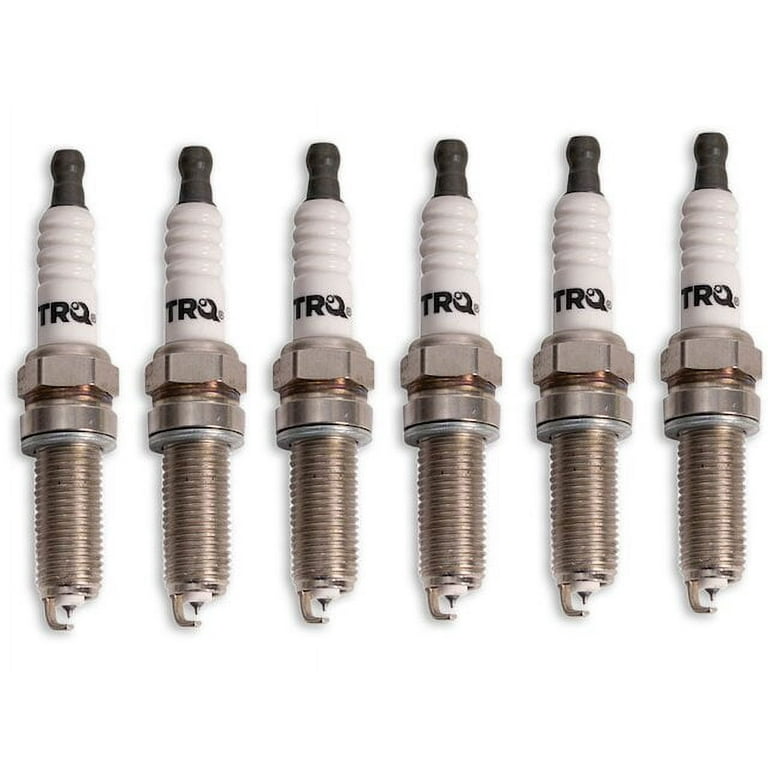
Changing spark plugs on your 2016 Jeep Cherokee is a practical way to keep your engine running smoothly and efficiently. Regular spark plug replacement helps maintain good fuel economy, reliable starting, and strong performance.
While many drivers worry about the difficulty, it’s a task most people can do at home with the right tools and careful steps.
This guide will show you exactly how to replace the spark plugs, explain why it matters, and give useful tips for the process.
Why Spark Plug Replacement Matters
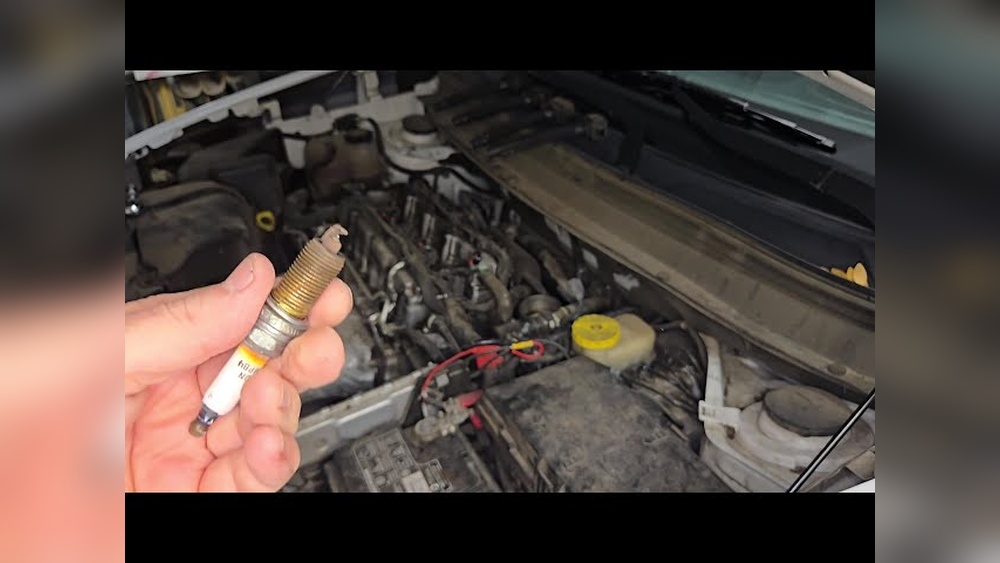
Spark plugs are small but vital parts inside your engine. They create the spark that ignites fuel, powering your Jeep Cherokee. Over time, spark plugs wear out due to heat, carbon buildup, or corrosion. For the 2016 Jeep Cherokee, most owners should change them every 60,000 miles or sooner if performance issues appear.
When spark plugs go bad, you might notice:
- Hard starting
- Rough engine idle
- Poor fuel economy
- Engine misfires
Ignoring these signs can lead to engine damage or expensive repairs. Replacing spark plugs regularly prevents these problems and keeps your SUV running reliably.
Tools And Materials Needed
Before you start, gather these essential tools:
- Socket wrench set (with spark plug socket)
- Extension bar (helpful for deep spark plug wells)
- Torque wrench
- New spark plugs (check owner’s manual for correct type)
- Anti-seize compound (optional)
- Dielectric grease (optional)
- Compressed air or brush (for cleaning)
Always use OEM-recommended spark plugs for best performance. For the 2016 Jeep Cherokee (3.2L or 2.4L engines), popular options include NGK or Champion brands.
Step-by-step Spark Plug Replacement
Follow these steps for a safe and effective spark plug change:
- Let the engine cool. Hot parts can cause burns.
- Disconnect the battery. This prevents accidental electrical shocks.
- Remove engine cover. Use the socket wrench to loosen bolts and lift off the cover.
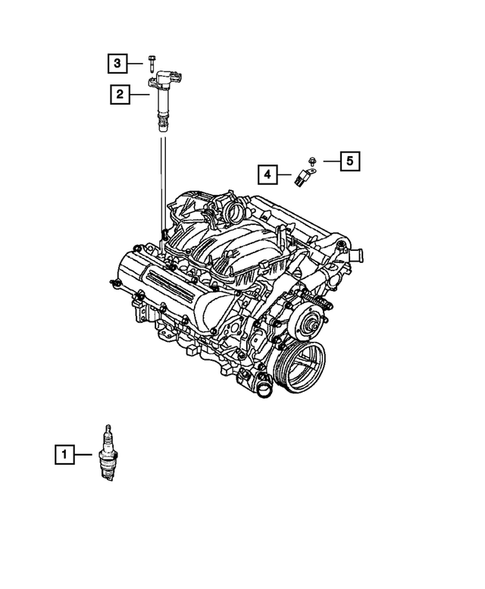
- Locate the ignition coils. Each coil sits above a spark plug.
- Disconnect coil electrical connectors. Gently pull out the connector tabs.
- Remove ignition coils. Unscrew the bolts, then pull out each coil.
- Clean spark plug area. Use compressed air to remove dirt from around the plug wells.
- Unscrew old spark plugs. Use the spark plug socket and extension bar.
- Check old plugs. Look for signs of wear, oil, or carbon buildup. This can show engine issues.
- Install new spark plugs. Thread them in by hand, then tighten with the torque wrench to the correct specification (often 13–15 ft-lbs for Jeep).
- Apply anti-seize compound (optional). A small amount helps prevent plugs from sticking in the future.
- Attach ignition coils. Reinstall and bolt each coil.
- Reconnect electrical connectors.
- Replace engine cover. Secure all bolts.
- Reconnect battery.
- Start engine and check performance. Listen for smooth idle and check for warning lights.
Common Mistakes And How To Avoid Them
Many beginners make these errors when changing spark plugs:
- Over-tightening: This can crack the plug or damage the threads. Use a torque wrench.
- Wrong plug type: Always check the manual. Incorrect plugs cause misfires.
- Skipping cleaning: Dirt can fall into the engine, leading to damage.
- Forgetting battery disconnect: Electrical shorts can harm your vehicle.
It’s also important to change all spark plugs at once, not just one. If one plug fails, others are likely worn too.
Real-world Data And Comparison
To better understand the benefits of regular spark plug changes, compare performance before and after replacement:
| Condition | Fuel Economy (MPG) | Engine Idle Quality | Starting Reliability |
|---|---|---|---|
| Old Spark Plugs | 20 | Rough | Delayed |
| New Spark Plugs | 23 | Smooth | Instant |
Even a small change in MPG can save hundreds of dollars over a year. Improved idle and starting also reduce stress on other engine parts.
Spark Plug Brands Comparison
Choosing the right spark plug matters. Here is a comparison of popular brands for the 2016 Jeep Cherokee:
| Brand | Material | Typical Lifespan (Miles) | Price (USD) |
|---|---|---|---|
| NGK | Iridium | 60,000 | 9 |
| Champion | Copper | 30,000 | 6 |
| Denso | Platinum | 50,000 | 7 |
Iridium plugs offer longer life but cost more. Copper plugs are cheaper but need more frequent changes.

Practical Tips For Success
- Work in a well-lit area.
- Keep parts organized by laying them out in order.
- Double-check plug gap if using non-pre-gapped plugs.
- If unsure, take photos during each step for reference.
- Always consult your Jeep’s owner’s manual for model-specific details.
A non-obvious tip: If your engine is running rough after new plugs, check that all connectors are firmly attached. Sometimes a loose connector is the real problem.
Frequently Asked Questions
How Often Should I Change Spark Plugs In A 2016 Jeep Cherokee?
Most experts recommend every 60,000 miles, but check your manual. Hard driving or stop-and-go traffic may require earlier replacement.
What Are The Signs Of Bad Spark Plugs?
Common signs include rough idle, reduced fuel efficiency, engine misfires, and hard starting.
Do I Need To Use Anti-seize On New Spark Plugs?
It’s optional. Most modern plugs have a coating that prevents sticking. Too much anti-seize can affect torque readings.
Can I Change Spark Plugs Without Special Tools?
You need a spark plug socket, extension bar, and torque wrench. These tools help reach and correctly tighten the plugs.
Where Can I Find Detailed Specifications For My Jeep Cherokee?
Check your owner’s manual or visit the Jeep Official Website for exact specs and guidance.
Changing spark plugs on your 2016 Jeep Cherokee is a smart DIY task that saves money and improves performance. With careful steps and the right tools, most owners can complete the process in about an hour.
Remember to check your manual, use proper tools, and take your time.
Your Jeep will thank you with smoother driving and better efficiency.