Getting your Jeep Wrangler 2020 into 4 wheel drive can seem confusing, especially if you are new to off-road vehicles. Many drivers worry about damaging the transmission or getting stuck in tough terrain. The good news: the process is simple once you know the steps, and you can switch between drive modes safely. This guide explains everything clearly so you can use your Wrangler’s 4WD system with confidence.
What Does 4 Wheel Drive Mean?
Four wheel drive (4WD) allows your Jeep to send power to all four wheels. This gives better traction, especially on mud, snow, sand, or rocky roads. The Wrangler 2020 uses a part-time 4WD system, so you switch between 2WD and 4WD as needed.
There are two main 4WD modes:
- 4H (4 High): For driving at normal speeds on slippery roads.
- 4L (4 Low): For slow driving on tough terrain, steep hills, or deep mud.
Knowing when to use each mode is important. For example, use 4H if you see snow or rain, but switch to 4L for deep sand or steep climbs.
How To Put Jeep Wrangler 2020 In 4 Wheel Drive
Switching your Jeep into 4WD is easy if you follow these steps. Always check your owner’s manual for special instructions, but these steps work for most Wrangler 2020 models.
- Stop or Slow Down: Before shifting, reduce your speed to below 55 mph for 4H or stop completely for 4L.
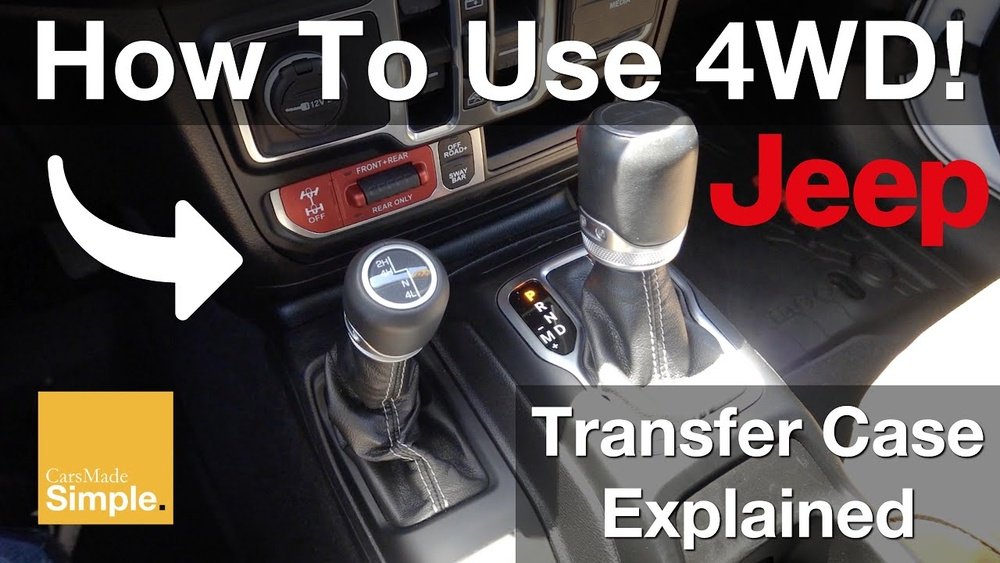
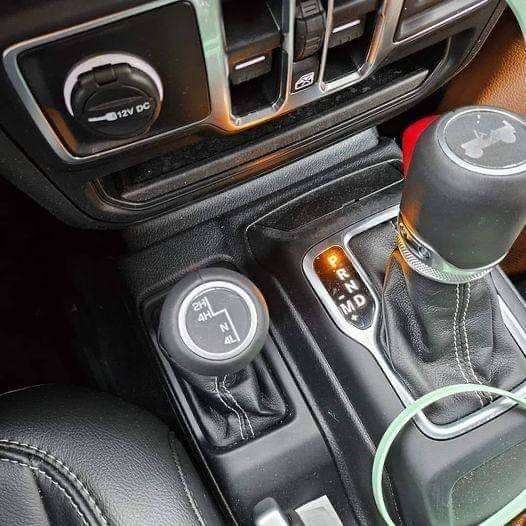
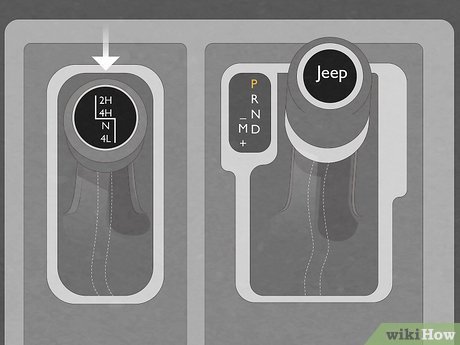
- Locate the Transfer Case Lever: In your Wrangler, the lever is beside the gear shifter. It has positions: 2H, 4H, N, and 4L.
- Shifting to 4H: While moving slowly (under 55 mph), pull the lever from 2H to 4H. You’ll feel a slight click. The 4WD indicator will light up on your dash.
- Shifting to 4L: Stop the vehicle. Put the transmission in neutral. Firmly pull the lever from 4H to 4L. You may hear a slight gear noise — this is normal.
- Check the Dash: Look for the 4WD light. If it stays on, you are now in 4 wheel drive. If it flashes, try shifting again.
Switching back to 2H is similar: slow down, move the lever to 2H, and check the dash.
When Should You Use 4 Wheel Drive?
Understanding when to use 4WD can help protect your Jeep and keep you safe.
- 4H: Use for wet roads, snow, loose gravel, or light mud.
- 4L: Needed for deep mud, steep hills, sand dunes, or rock crawling.
Never use 4WD on dry pavement. This can cause binding in the drivetrain and damage the system.
Common Mistakes To Avoid
Many beginners make these errors:
- Switching to 4L while moving: Always stop and use neutral.
- Driving fast in 4L: Only use 4L at slow speeds.
- Using 4WD on dry roads: This can harm your Jeep.
Quick Comparison: 2h Vs 4h Vs 4l
Here’s a simple comparison table to help you understand the differences:
| Mode | Best For | Speed Range | Traction |
|---|---|---|---|
| 2H | Normal driving, dry roads | Any speed | Rear wheels only |
| 4H | Wet, snow, light mud | Up to 55 mph | All four wheels |
| 4L | Deep mud, rocks, steep hills | Under 10 mph | All four wheels, low gear |
Tips For Smooth 4wd Operation
- Always shift gently. Don’t force the lever.
- If gears won’t engage, try moving the Jeep slightly forward or backward.
- Keep tires the same size and type for best traction.
- After using 4WD, shift back to 2H when you return to normal roads.
Wrangler 2020 4wd System: Technical Details
The Wrangler 2020 uses a Command-Trac transfer case. It’s a mechanical system, so you shift with the lever, not a button. This system is reliable and easy to fix if needed.
Most Wranglers have Dana 44 axles for strength. The 4WD indicator uses sensors to show your current mode. If the light flashes, the system isn’t fully engaged.
Here’s a comparison of Wrangler models and their 4WD features:
| Model | Transfer Case | 4WD Modes | Axle Type |
|---|---|---|---|
| Sport | Command-Trac | 2H, 4H, 4L | Dana 44 |
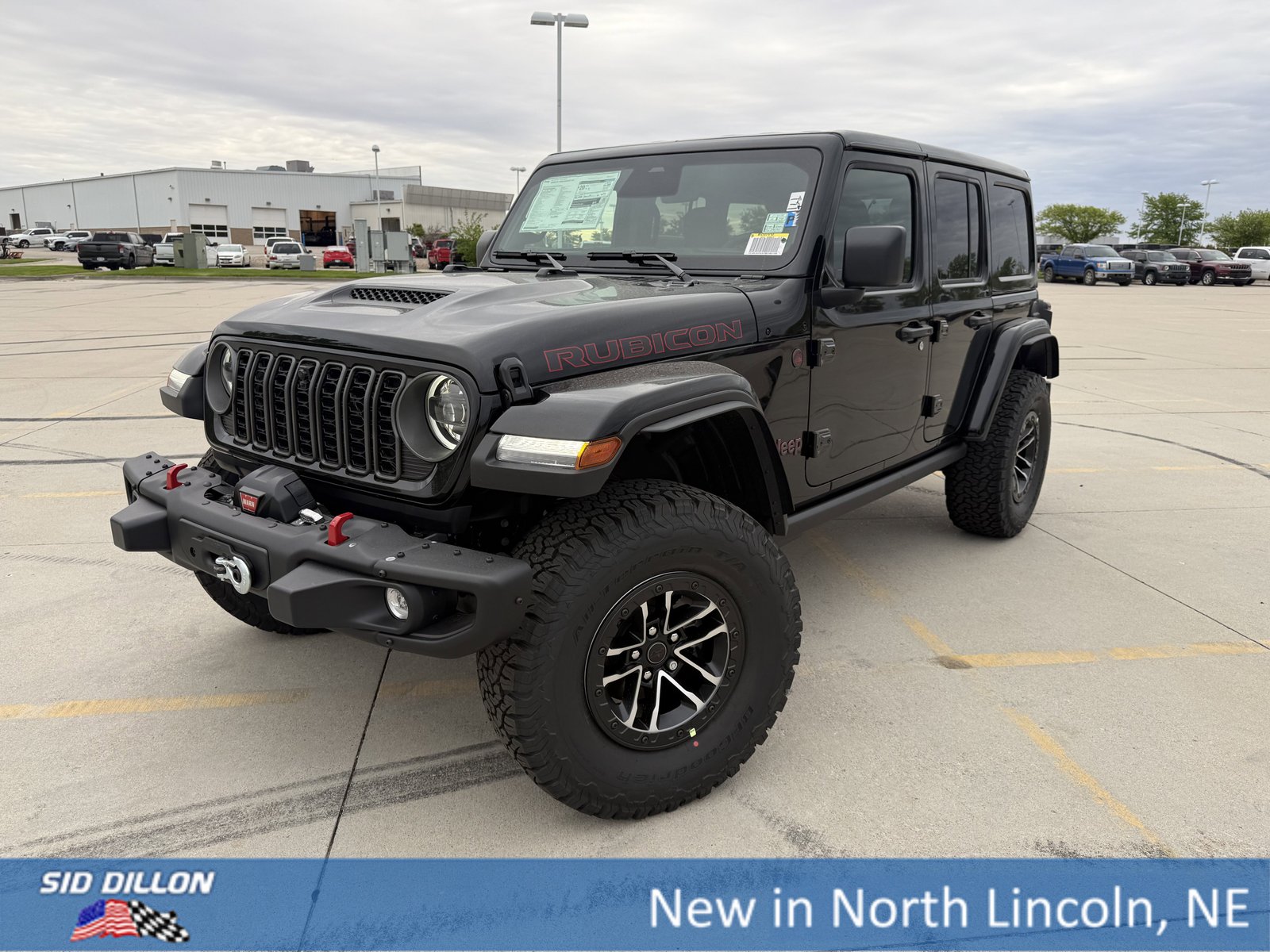
| Rubicon | Rock-Trac | 2H, 4H, 4L | Dana 44 (Heavy Duty) |
| Sahara | Command-Trac | 2H, 4H, 4L | Dana 44 |
Real-world Example
Imagine you are driving in the mountains and the road turns icy. You notice your rear wheels slipping.
Slow down, shift the lever to 4H, and the Jeep instantly feels more stable. If you reach a steep, rocky path, stop the vehicle, put it in neutral, and shift to 4L.
You’ll notice the engine revs higher but moves slower perfect for climbing.
Why Proper Use Matters
Using 4WD correctly extends the life of your Jeep and keeps you safe. Many owners do not realize that driving on dry pavement in 4WD can cause expensive repairs.
Always switch back to 2H when you return to normal roads.
According to a study by the National Highway Traffic Safety Administration, vehicles with properly used 4WD systems are less likely to get stuck or lose control in bad weather. This shows how important it is to know and use the right mode.
If you want more technical details, you can check the official Jeep Wrangler page at Jeep Wrangler Official Site.
Frequently Asked Questions
How Do I Know If My Jeep Is In 4wd?
Check for the 4WD indicator light on your dashboard. If it stays on, your Jeep is in 4WD. If it flashes, the system isn’t fully engaged.
Can I Shift Into 4h While Driving?
Yes, you can shift into 4H while moving slowly (under 55 mph). Do not shift into 4L unless stopped and in neutral.
Is It Safe To Drive In 4wd All The Time?
No, you should only use 4WD on slippery or rough surfaces. Using 4WD on dry pavement can cause drivetrain damage.
What Should I Do If The 4wd Won’t Engage?
Try moving the Jeep slightly forward or backward while shifting. If the problem continues, check for mechanical issues or visit a mechanic.
Does Using 4wd Use More Fuel?
Yes, 4WD mode increases fuel use because all four wheels receive power. Use 4WD only when needed to save gas.
With these steps and tips, your Jeep Wrangler 2020 will perform safely and reliably in all conditions. Remember, correct use of the 4WD system keeps your Jeep ready for adventure and protects your investment.