Putting your Jeep JL in 4WD is essential for handling rough terrain, muddy roads, or slippery surfaces. Many Jeep owners hesitate, worried about damaging their vehicle or making a mistake. The truth is, the process is simple and safe if you follow the right steps. In this article, you’ll learn exactly how to switch your Jeep JL into four-wheel drive, when to use each mode, and tips to avoid common mistakes. You’ll also see clear comparisons between different 4WD modes and understand the difference between manual and automatic systems. By the end, you’ll feel confident using your Jeep JL’s 4WD feature—even if you’re new to off-roading.
Understanding Jeep Jl 4wd Modes
The Jeep JL offers several 4WD modes. Knowing which one to use is crucial for safety and performance.
| Mode | When to Use | Speed Limit |
|---|---|---|
| 2H (Two-Wheel Drive High) | Normal roads, dry conditions | No limit |
| 4H (Four-Wheel Drive High) | Snow, mud, sand, light off-road | Up to 55 mph |
| 4L (Four-Wheel Drive Low) | Heavy off-road, steep hills, deep mud | Below 25 mph |
2H is for everyday driving. 4H helps with slippery surfaces or mild off-road. 4L gives maximum torque for tough conditions. Choosing the right mode prevents damage and boosts control.
How To Shift Your Jeep Jl Into 4wd
Switching to 4WD in a Jeep JL depends on the system (manual or automatic) and the situation. Here’s the step-by-step process:
1. Identify Your 4wd System
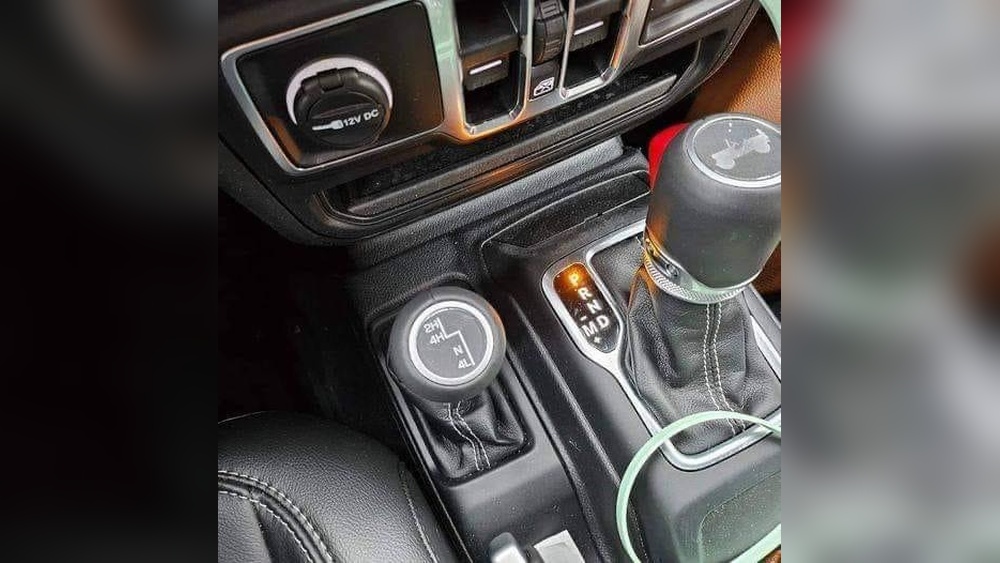
Most Jeep JL models have either a lever-operated or electronic 4WD selector. Check your owner’s manual if unsure.
2. Shifting From 2h To 4h
- Slow your Jeep to below 55 mph.
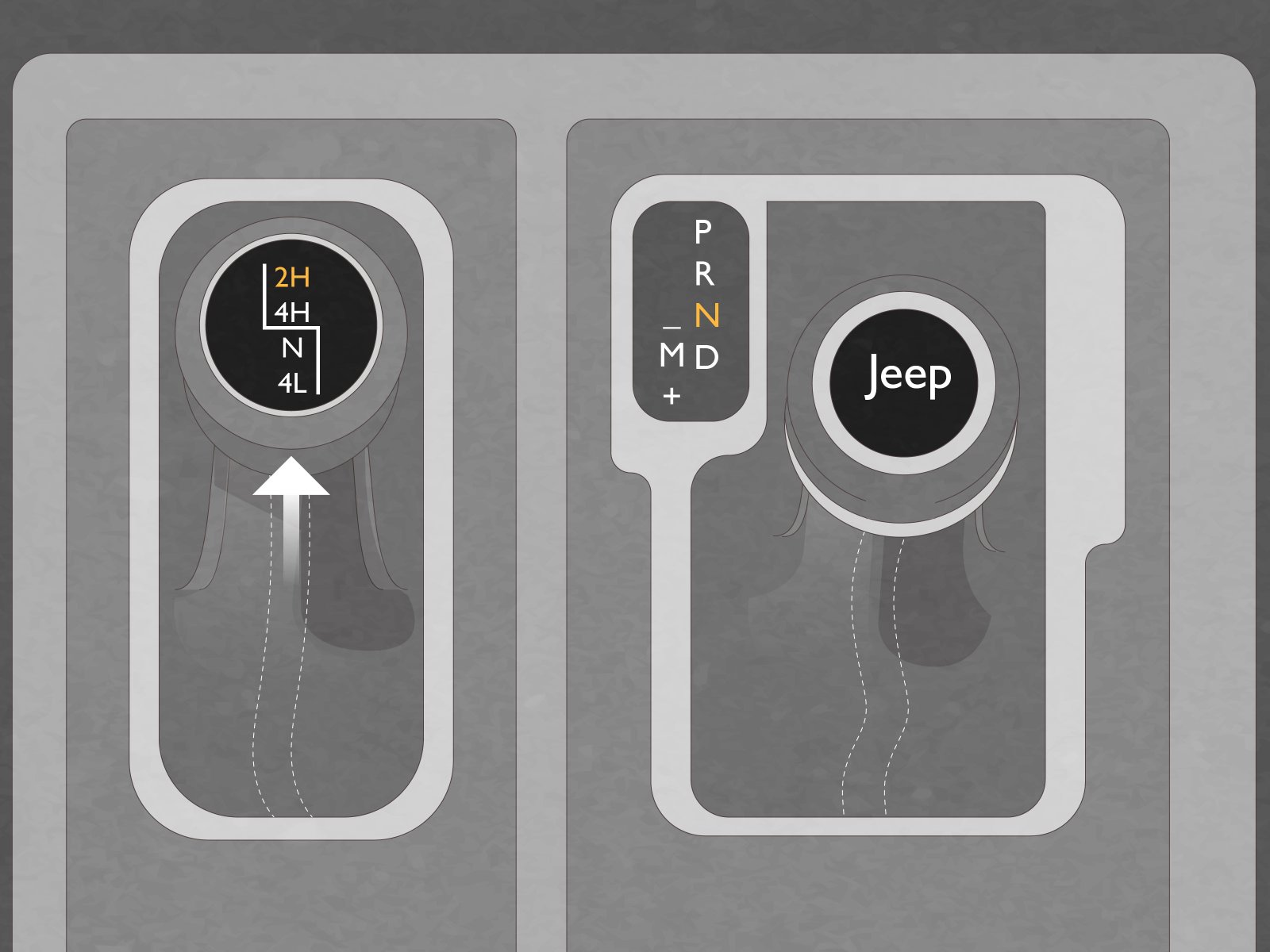
- While driving straight, gently pull the lever or turn the dial from 2H to 4H.
- You’ll feel or hear the system engage. The 4WD light will show on the dashboard.
This can be done “on the fly” no need to stop.
3. Shifting From 4h To 4l
- Come to a complete stop.
- Shift your transmission into Neutral (N).
- Firmly move the lever or dial from 4H to 4L.
- Wait for the 4WD Low indicator to light up.
Never shift into 4L while moving. Doing so can cause damage.
4. Returning To 2h
- Shift back to 4H first if you’re in 4L.
- Then, while driving below 55 mph, switch from 4H to 2H.
Switching back to 2H is easy and should be done when returning to regular roads.
Comparing Manual Vs Automatic 4wd Systems
Some Jeep JL trims use a manual lever, while others have an electronic dial. Here’s how they compare:
| Feature | Manual Lever | Electronic Dial |
|---|---|---|
| Engagement Speed | Immediate (physical) | Quick, but relies on sensors |
| Reliability | Very reliable | Can fail if electronics malfunction |
| User Control | Direct control | Convenient, less tactile |
| Common Issues | Stiff lever, linkage wear | Sensor errors, delayed response |
Manual systems are favored by off-roaders for reliability. Electronic dials are more common in newer models and are easier for beginners.
Practical Tips For Using 4wd In Jeep Jl
- Always shift to 4L at a complete stop.
- Use 4H for snow, mud, or sand, but avoid using it on dry pavement.
- After using 4WD, drive a few miles in 2H to let the system cool and reset.
- If you hear grinding or clunking, stop and check your system before continuing.
- Regularly maintain your transfer case fluid for smooth operation.
A non-obvious insight: Many beginners forget to shift back to 2H after off-roading. Driving in 4WD on dry roads can increase tire wear and reduce fuel efficiency.
Common Mistakes To Avoid
- Shifting into 4L while moving: This can damage your transfer case.
- Using 4H or 4L on dry pavement: Causes binding and wear.
- Ignoring dashboard warning lights: Always check for alerts after shifting.
- Not checking tire pressure: Uneven tires can affect 4WD performance.
- Forgetting to disengage 4WD: Can reduce fuel economy and damage components.
Another overlooked point: Some drivers think 4WD improves braking. It doesn’t. 4WD boosts traction when accelerating, not stopping.
Real-life Example
Imagine you’re driving your Jeep JL up a steep, rocky hill. In 2H, the wheels spin. You stop, shift into Neutral, then into 4L. Now, the Jeep crawls up easily, thanks to increased torque. After the hill, you shift back to 4H, then to 2H when you reach regular roads.
This sequence shows the value of using the right mode. Many drivers skip steps, leading to mechanical issues or loss of control.
Maintenance And Long-term Care
Keeping your 4WD system healthy isn’t just about correct usage; regular maintenance matters.
- Check transfer case fluid every 30,000 miles.
- Inspect for leaks around the transfer case and axles.
- Test 4WD engagement monthly, especially before winter or off-road trips.
- Clean mud and debris from undercarriage after off-roading.
If your Jeep JL struggles to shift into 4WD, get it checked by a professional. Early detection prevents costly repairs. For more technical info, visit the official Jeep Wrangler site.
Frequently Asked Questions
How Can I Tell If My Jeep Jl Is In 4wd?
Look for the 4WD indicator light on your dashboard. You may also feel extra traction or notice different handling on slippery surfaces.
Can I Shift Between 2h And 4h While Driving?
Yes, you can shift “on the fly” at speeds up to 55 mph. Slow down if unsure, and always shift smoothly.
What Happens If I Use 4wd On Dry Pavement?
Driving in 4WD on dry roads causes “drivetrain binding,” which damages the system and wears tires faster. Use 4WD only for slippery or rough conditions.
Is It Safe To Use 4wd In Rain?
If the road is slippery, 4H can help. But in normal rain on paved roads, 2H is usually enough. Only use 4WD if you lose traction.
How Often Should I Maintain My Jeep Jl’s 4wd System?
Check transfer case fluid every 30,000 miles. Test the system monthly and inspect for leaks or unusual noises after off-road use.
Putting your Jeep JL in 4WD is easy once you understand the steps and know which mode to use. Remember to shift carefully, avoid common mistakes, and keep your system maintained.
With this knowledge, you’ll enjoy safer driving, better control, and longer vehicle life whether you’re on the highway or deep off the beaten path.



















