How To Put Jeep Into 4wd: The Beginner’s Guide
Driving a Jeep is about adventure, but knowing how to use its 4WD system is key to safety and performance. If you’re new to off-roading or just bought your first Jeep, switching to four-wheel drive can feel confusing.
You might worry about damaging your vehicle or getting stuck. The good news?
Putting your Jeep into 4WD is simple once you know the steps.
In this guide, you’ll learn exactly how to engage 4WD, including what different 4WD modes mean, when to use each one, and how to avoid beginner mistakes. We’ll also cover the costs, pros and cons, and answer top questions.
Whether you’re facing mud, snow, or rocky roads, you’ll be ready.
Understanding Jeep 4wd Systems
Before switching your Jeep into 4WD, it’s important to know which system your model uses. Jeep offers different 4WD setups, and using the wrong method can damage your vehicle.
Types Of Jeep 4wd Systems
Most Jeep models have one of these main systems:
- Part-Time 4WD: Found in classic Wranglers and Gladiators. You choose when to engage 4WD.
- Full-Time 4WD: Common in Grand Cherokees and some Cherokees. Always active, but you can choose modes.
- Active 4×4 Systems: Advanced systems that adjust power automatically.
Not sure which one you have? Check your owner’s manual or look for badges like Selec-Trac, Rock-Trac, or Quadra-Trac on your Jeep.
Basic 4wd Modes
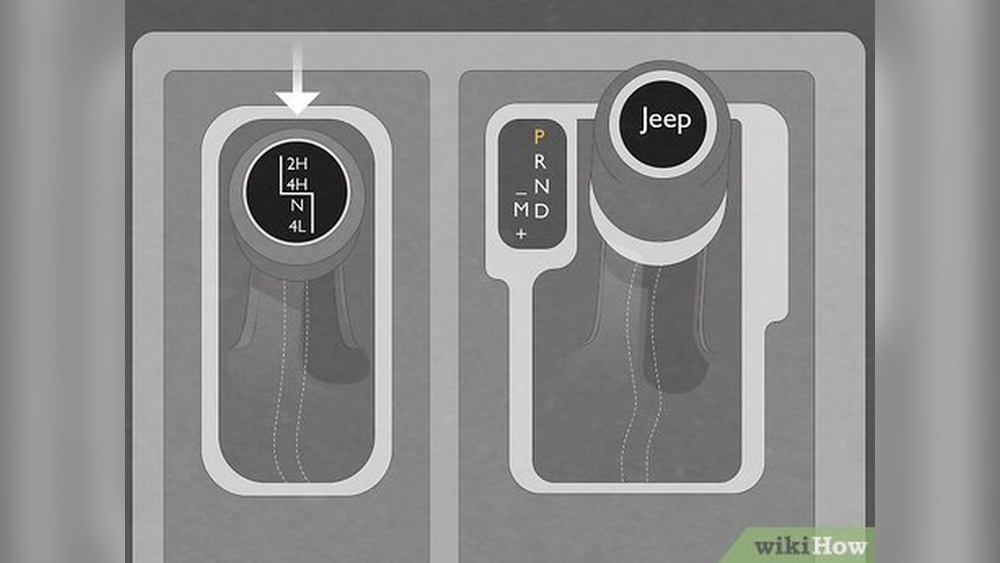
You’ll see modes like:
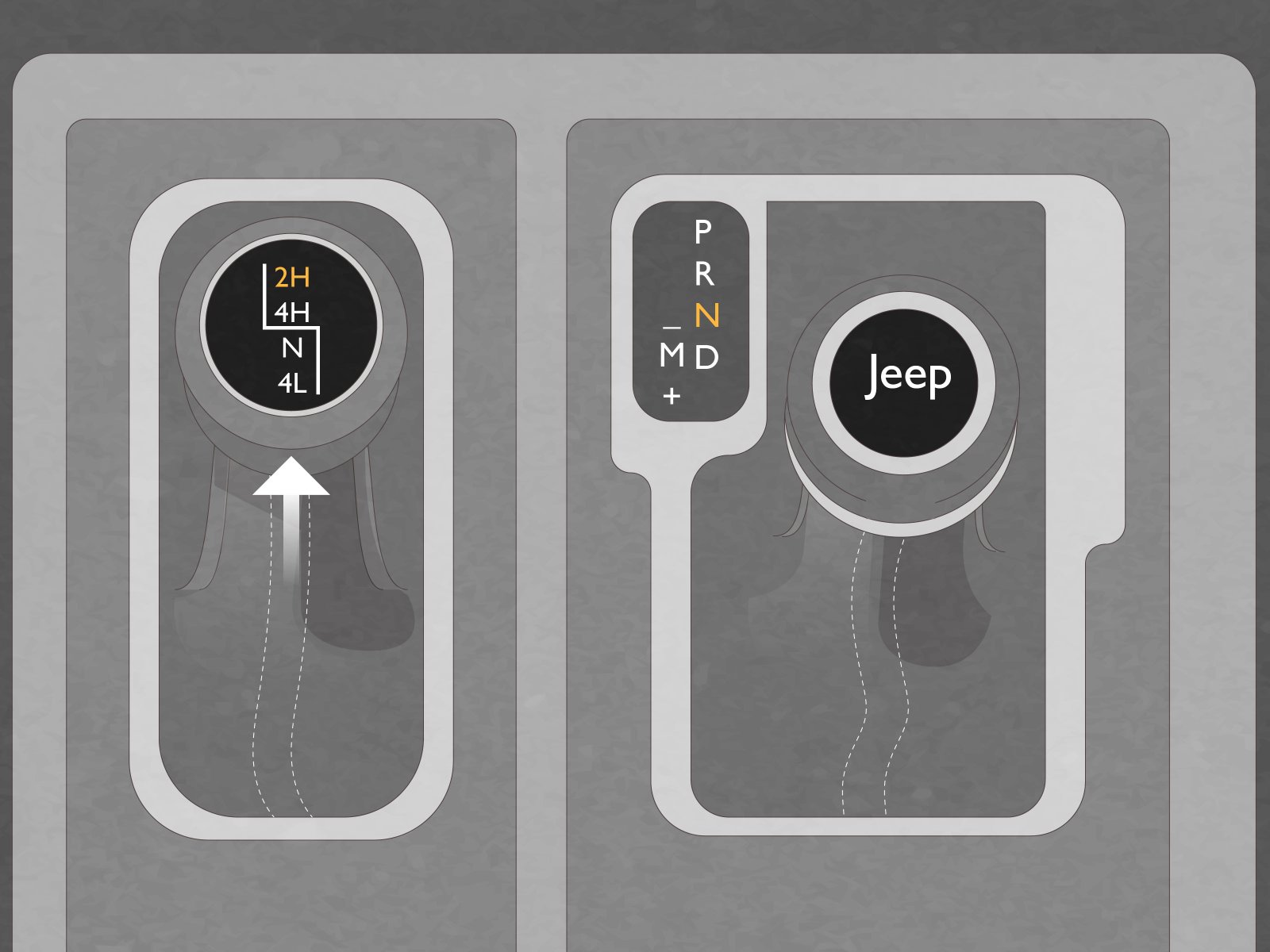
- 2H (2 High): Two-wheel drive for regular roads.
- 4H (4 High): Four-wheel drive for slippery or off-road surfaces at higher speeds.
- 4L (4 Low): Four-wheel drive with low-range gearing for tough terrain, mud, sand, rocks.
- Auto: For Jeeps with full-time systems; the vehicle decides when to use 4WD.
How To Put Jeep Into 4wd (step-by-step)
Every Jeep is a bit different, but most use either a lever or a switch to control 4WD. Here’s how to engage 4WD safely and correctly.
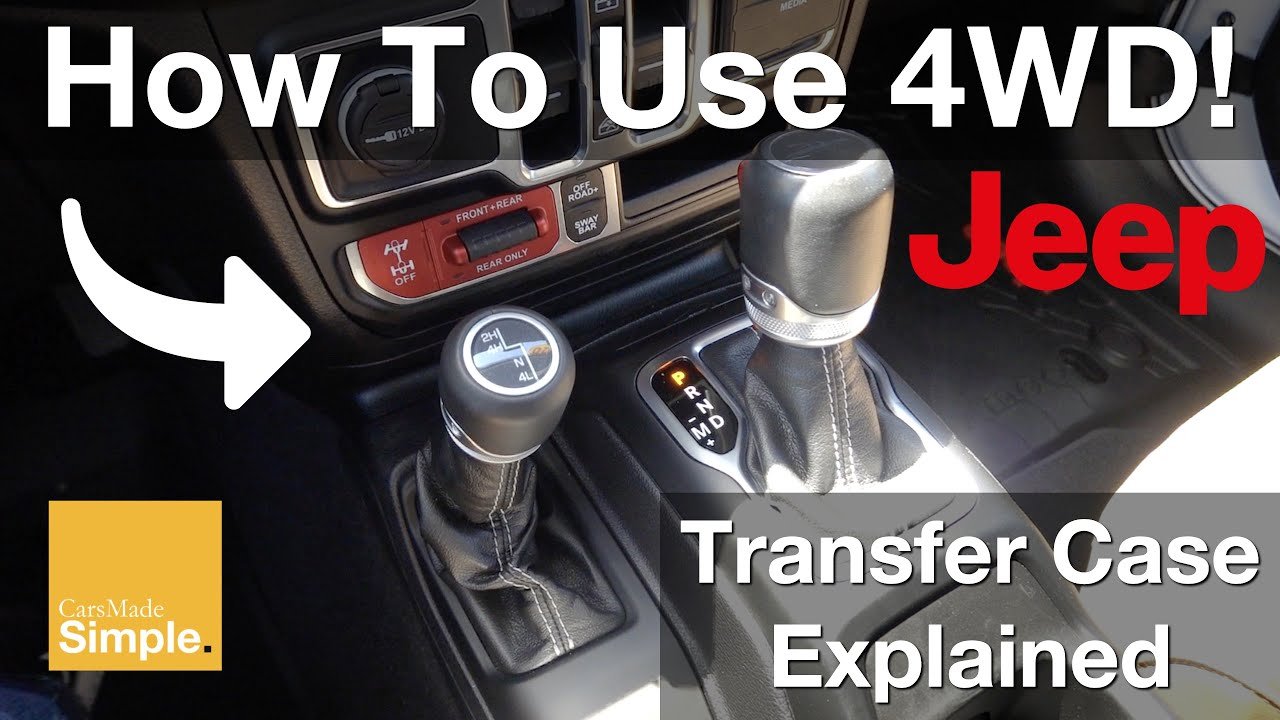
1. Identify Your 4wd Controls
- Lever: Usually next to the gear shifter (Wrangler, Gladiator).
- Switch or Knob: On the center console (Grand Cherokee, newer models).
Tip: Read your Jeep’s manual for the exact location and operation.
2. Switching From 2h To 4h (4 High)
This is the most common shift, used for rain, snow, or light off-road conditions.
- Drive Straight: Your wheels should be straight, and your speed under 45 mph.
- Shift to Neutral (Optional): Some models require neutral, but most allow shifting while moving.
- Pull Lever or Turn Knob to 4H: Apply steady pressure. You may feel a slight clunk or change in engine sound.
- Check Indicator Light: A 4WD light should appear on your dashboard.
Example: You’re driving on a snowy road at 30 mph. Keep the wheels straight and shift from 2H to 4H without stopping.
3. Switching From 4h To 4l (4 Low)
Use 4L for deep mud, sand, steep hills, or rock crawling.
- Stop the Jeep: Come to a complete stop and keep your foot on the brake.
- Shift Transmission to Neutral: This is required for all Jeeps.
- Move Lever or Switch to 4L: Push or pull firmly. You may need to gently roll the Jeep a few inches.
- Wait for 4L Light: The indicator will show you’re in low range.
Important: Never shift into 4L while moving fast. This can break the transfer case.
4. Returning To 2h (normal Driving)
After leaving slippery or rough terrain:
- Shift to Neutral or Low Speed: Under 3 mph is best.
- Move Lever/Switch Back to 2H: Do this gently.
- Check the Indicator: Make sure the 4WD light turns off.
Quick Reference Table
Here’s a fast way to check which mode to use:
| Mode | When to Use | Speed Allowed |
|---|---|---|
| 2H | Normal roads, dry conditions | Any |
| 4H | Rain, snow, gravel | Up to 55 mph |
| 4L | Mud, sand, rocks, steep hills | Under 25 mph |
| Auto | Mixed or changing conditions | Any |
Pros And Cons Of Using 4wd
4WD can get you out of tough spots, but it’s not for every situation. Here’s a breakdown:
Pros
- Better traction: Handles mud, snow, and rocks easily.
- Increased safety: Helps prevent slipping in bad weather.
- Versatility: You can travel on many types of terrain.
Cons
- Lower fuel economy: 4WD uses more gas.
- More wear: Using 4WD on dry pavement can damage parts.
- Extra maintenance: More moving parts mean more to check and fix.
Common Mistakes To Avoid
Many beginners damage their Jeep or get stuck by making simple mistakes. Avoid these pitfalls:
- Engaging 4WD on Dry Pavement: Only use 4H or 4L on loose or slippery surfaces. On dry roads, this can bind your drivetrain.
- Shifting at High Speed: Always slow down before changing between 4WD modes, especially when moving to 4L.
- Forgetting to Disengage: Driving in 4WD on normal roads for long periods wears out your tires and transfer case.
- Ignoring Noises: If you hear grinding or clunking, stop and check. Forcing gears can break expensive parts.
Pro insight: If your Jeep won’t shift into 4L, try gently rolling forward or backward while shifting. Some systems need slight wheel movement to engage.
Costs And Maintenance Of 4wd
Turning on 4WD is free, but maintenance and repairs can add up. Here’s what to expect:
Typical Maintenance Costs
- Transfer case fluid change: $80, $150 (every 30,000 miles)
- Axle checks and lubrication: $50, $100 per axle
- Repair for transfer case damage: $700, $2,000
Is It Worth It?
For most Jeep owners, the ability to tackle tough roads is worth the cost. But if you rarely leave the pavement, use 4WD only when needed to avoid extra wear.
Real-world Scenarios: When And How To Use 4wd
Let’s look at some real-life examples to make it clearer.
- Snowy highway: Switch from 2H to 4H while moving under 45 mph for better grip.
- Deep mud: Stop, shift to neutral, engage 4L, and proceed slowly.
- Steep rocky hill: Use 4L to climb without spinning your wheels.
Beginner tip: Practice shifting in a safe, open area before you need it. This builds confidence and helps you react calmly in real situations.
Comparing Jeep 4wd Systems
Not all Jeep 4WD systems work the same way. Here’s a comparison of two popular systems:
| System | How It Engages | Best For | Notes |
|---|---|---|---|
| Selec-Trac | Knob or lever, offers Auto mode | Daily drivers, mixed weather | Automatic switching for ease |
| Rock-Trac | Manual lever, low-range focus | Off-road, rock crawling | Stronger gears for tough trails |
Not obvious: Some full-time 4WD Jeeps (like certain Cherokees) never need to be switched, the system decides for you. Always check your manual.
Practical Tips For First-time Jeep Owners
- Practice in a safe place: Try engaging 4WD in an empty lot before your first adventure.
- Watch your dashboard lights: If the 4WD light blinks or doesn’t turn on, something may be wrong.
- Don’t panic if it’s stiff: Shifters can be hard to move, especially in cold weather. Apply firm, even pressure.
- Learn recovery basics: Carry a tow strap and know basic recovery points in case you get stuck.
- Check your tires: Good tires make a bigger difference than 4WD alone on snow or mud.
When Not To Use 4wd
Knowing when not to use four-wheel drive is just as important as knowing when to use it.
- Dry, paved roads: Causes extra wear and poor fuel economy.
- Highway speeds: 4L is not for fast driving.
- Tight corners on pavement: Can bind the drivetrain and cause damage.
Remember: 4WD helps with traction, not stopping. Drive carefully, even in 4WD.
Quick Troubleshooting Guide
If your Jeep doesn’t shift or the 4WD light blinks, try these steps:
- Check your speed: Too fast? Slow down.
- Shift to neutral: Some modes require neutral.
- Roll gently: A little movement can help gears engage.
- Consult your manual: Each model may have unique steps.
If problems persist, visit a trusted mechanic or your dealer.
Jeep 4wd: Frequently Asked Questions
What Is The Difference Between 4h And 4l?
4H (Four High) is for slippery surfaces at normal speeds, like snow, gravel, or wet roads. 4L (Four Low) is for tough terrain and slow speeds, giving you more power and control on mud, sand, or steep hills.

<!– wp:rank-math/faq-block {"questions":[{"id":"faq-question-33b703033da9","title":"Can I Shift Into 4wd While Driving?","content":"
Yes, you can shift from 2H to 4H while driving under 45 mph. To engage 4L, you must stop and shift the transmission to neutral.
“,”visible”:true}]} –>Can I Shift Into 4wd While Driving?
Yes, you can shift from 2H to 4H while driving under 45 mph. To engage 4L, you must stop and shift the transmission to neutral.
No. 4WD is usually part-time and designed for off-road or rough conditions. AWD (All-Wheel Drive) is always on and best for light snow or rain. For more details, check out this Four-wheel drive Wikipedia article.
“,”visible”:true}]} –>Is 4wd The Same As Awd?
No. 4WD is usually part-time and designed for off-road or rough conditions. AWD (All-Wheel Drive) is always on and best for light snow or rain. For more details, check out this Four-wheel drive Wikipedia article.
Not if you use it correctly. Only engage 4WD on slippery or loose surfaces. Avoid using it on dry pavement, and follow your Jeep’s manual for shifting instructions.
“,”visible”:true}]} –>Will Using 4wd Hurt My Jeep?
Not if you use it correctly. Only engage 4WD on slippery or loose surfaces. Avoid using it on dry pavement, and follow your Jeep’s manual for shifting instructions.
How Often Should I Maintain My 4wd System?
Change the transfer case fluid every 30,000 miles and have your axles and 4WD system checked during regular services. This keeps your Jeep running smoothly and prevents costly repairs.
Final Thoughts
Switching your Jeep into 4WD is simple once you understand your system and follow the right steps. Practice shifting in a safe place, read your manual, and use 4WD only when needed. Avoid dry pavement, watch for dashboard warnings, and keep up with maintenance. With these basics, you’ll be ready for any road, or no road at all. Enjoy your Jeep adventures with confidence!