If you own a Jeep, you probably know it’s built for adventure. But to tackle mud, snow, or rocky trails, you need to understand your Jeep’s 4-wheel drive system, especially how to shift into 4H (Four High). Many new Jeep drivers aren’t sure when or how to use 4H. Shifting incorrectly can cause damage, make the drive unsafe, or leave you stuck. This guide will help you confidently shift your Jeep into 4H, avoid common mistakes, and know exactly when to use this setting.
What Is 4h And When Should You Use It?
4H stands for Four High. In this mode, power goes to all four wheels, giving your Jeep extra grip on slippery or loose surfaces. Unlike 4L (Four Low), 4H is designed for higher speeds and less extreme terrain.
Best situations for 4H:
- Snowy or icy roads
- Muddy trails
- Gravel or loose dirt
- Wet grass
4H is not for dry pavement. Using it on hard, dry roads can stress your drivetrain.
If you’re unsure, only use 4H when you actually need more traction.
Understanding Jeep 4wd Systems
Jeeps come with different 4-wheel drive systems. Knowing your specific system is important because the shifting process can vary.
Here’s a quick comparison of common Jeep 4WD systems:
| Jeep Model/System | Shifting Method | Can Shift “On The Fly”? |
|---|---|---|
| Wrangler (Command-Trac) | Manual lever | Yes (2H to 4H up to 55 mph) |
| Wrangler (Rock-Trac) | Manual lever | Yes (2H to 4H up to 55 mph) |
| Grand Cherokee (Quadra-Trac II) | Electronic dial | Yes (automatic or manual) |
| Cherokee (Active Drive I) | Electronic dial | Automatic only |
Tip: Check your owner’s manual if you’re not sure which system you have.
How To Put Your Jeep Into 4h
The steps will depend on your Jeep model and whether it uses a manual lever or an electronic switch.
Using A Manual Lever (most Wranglers)
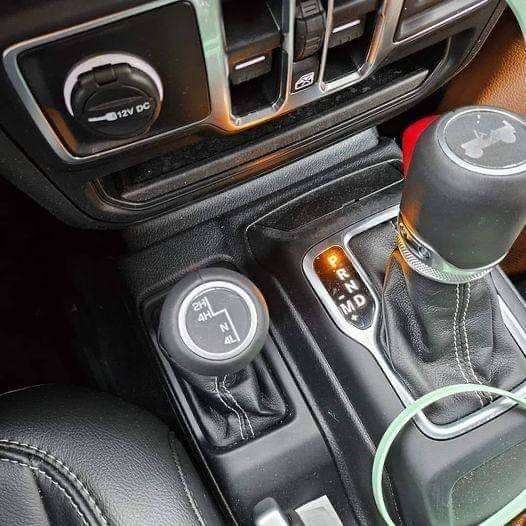
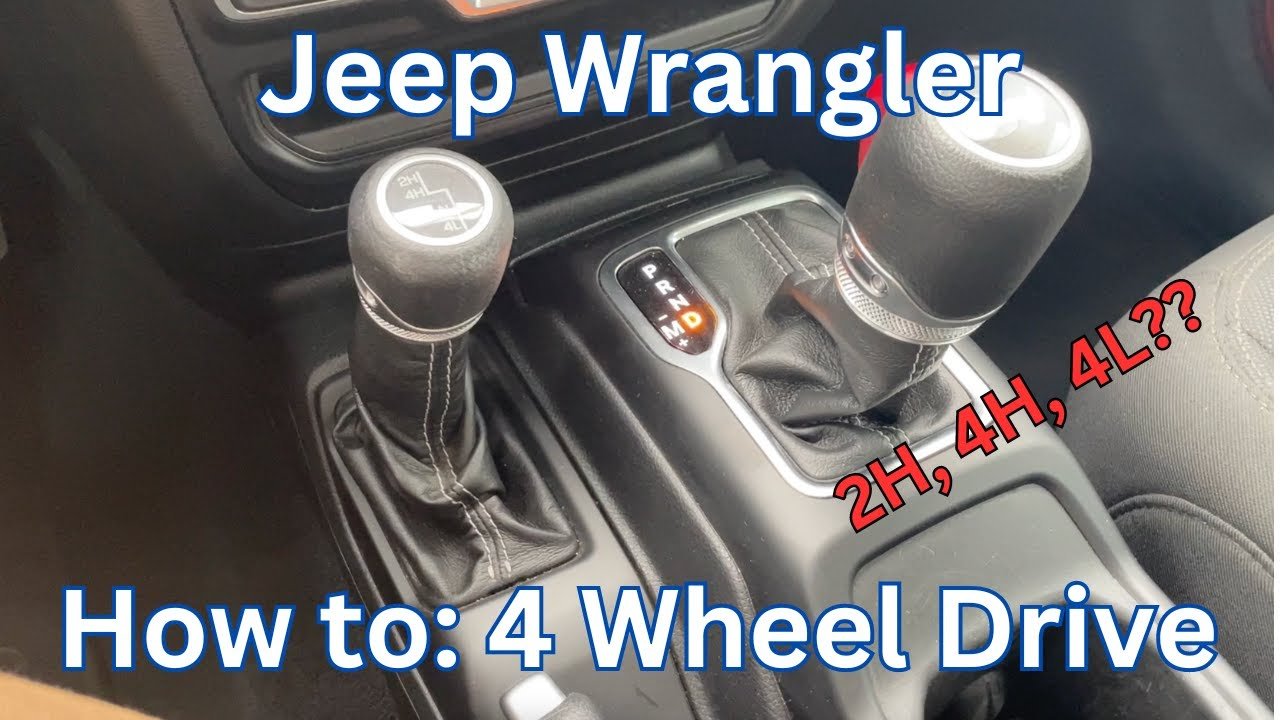
- Drive at low to moderate speed: Up to about 55 mph is safe for shifting from 2H to 4H.
- Keep the Jeep in gear: You don’t need to stop or shift to neutral.
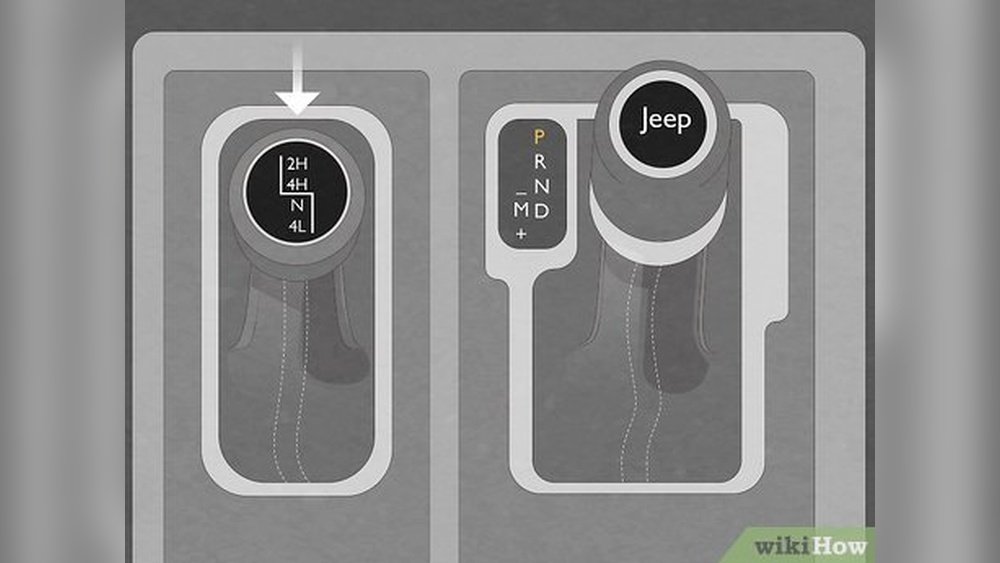
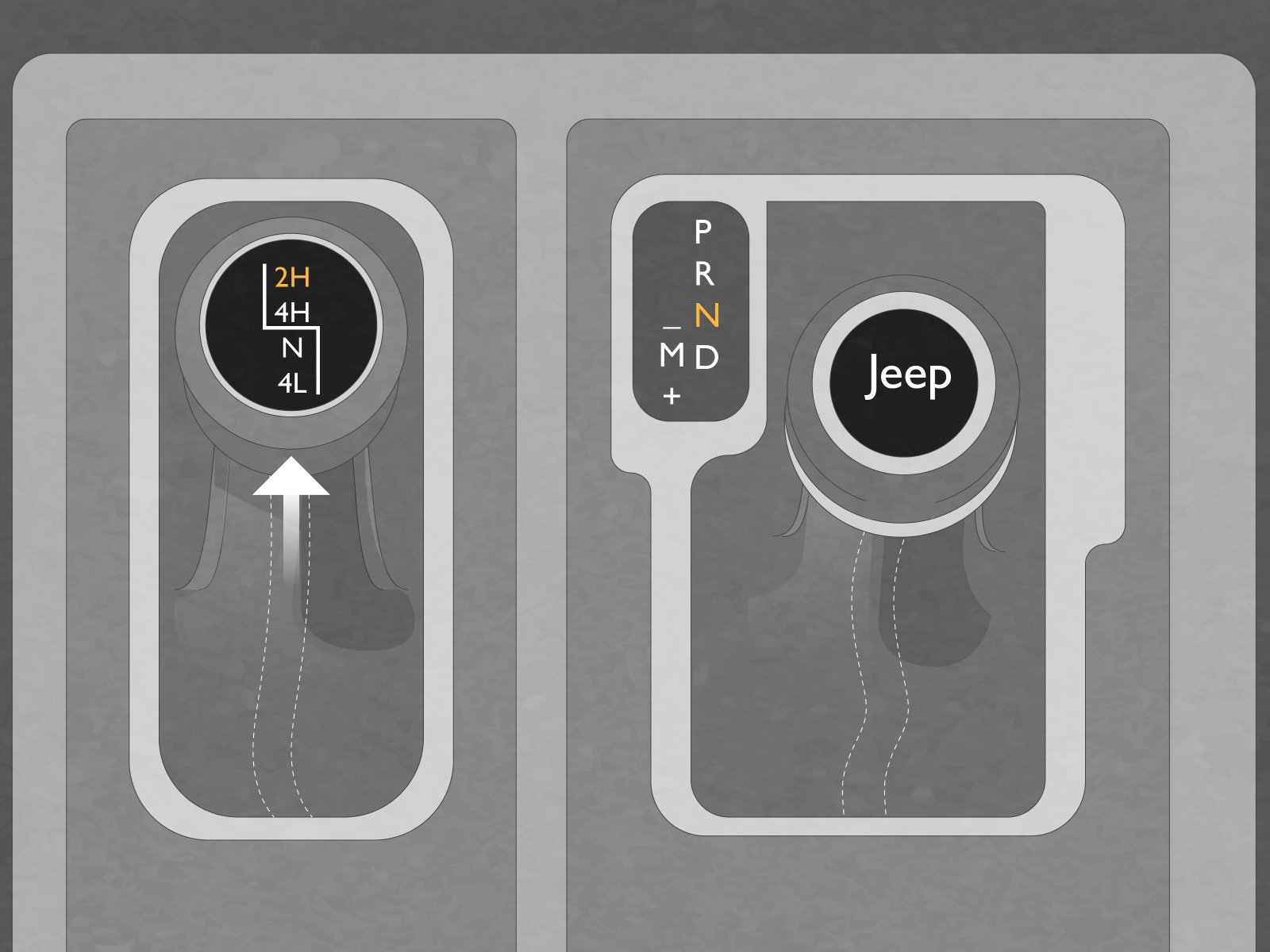
- Pull the 4WD lever straight back: Move it from 2H to 4H. You may hear or feel a small “clunk.”
- Check the dashboard: The 4WD indicator light should turn on.
- Drive as normal: You’re now in 4H.
Practical example: You’re driving on a snowy road at 30 mph. Simply pull the lever to 4H without stopping.
Using An Electronic Switch (grand Cherokee, Cherokee)
- Keep your Jeep in gear: Most models let you shift into 4H while moving.
- Turn the dial or press the 4H button: The system will automatically engage 4H.
- Watch for the indicator light: It will confirm you’re in 4H mode.
- Continue driving: Enjoy the extra traction.
Note: Some newer Jeeps engage 4H automatically when needed.
Jeep Transfer Case Comparison
Here’s how the main Jeep transfer cases differ:
| Transfer Case | 4H Max Speed | Best For |
|---|---|---|
| Command-Trac | 55 mph | Off-road, snow, mud |
| Rock-Trac | 55 mph | Rock crawling, trails |
| Quadra-Trac II | Any legal speed | On-road, automatic use |
Common Mistakes When Using 4h
Many Jeep drivers make simple errors that can cause problems:
- Engaging 4H on dry pavement: This can damage the drivetrain.
- Shifting at high speed: Always shift into 4H under 55 mph unless your manual says otherwise.
- Not checking the indicator light: If the light doesn’t come on, 4H may not be engaged.
- Forgetting to shift back to 2H: Once you’re back on regular roads, switch to 2H to avoid extra wear.
Non-obvious insight: After shifting into 4H, turn the steering wheel slightly left and right while moving. This helps ensure 4H is fully engaged.
When To Shift Out Of 4h
You should leave 4H as soon as you return to normal, dry roads. Prolonged use of 4H on high-traction surfaces increases tire and part wear.
Pro tip: If you notice tight turning, “hopping” tires, or loud noises when in 4H, you may be on a surface with too much grip for 4H use. Switch back to 2H.
Extra Tips For Smooth Operation
- Practice in a safe area: Try shifting between 2H and 4H in an empty parking lot so you know how it feels.
- Lubricate your transfer case: Regular service keeps shifting smooth.
- Don’t force the lever: If it feels stuck, gently roll the Jeep forward or back a few inches, then try again.
Less-known fact: In cold weather, sometimes it takes a few seconds for the 4H light to appear after shifting. Be patient.
Frequently Asked Questions
Can You Shift Into 4h While Driving?
Yes, on most Jeeps you can shift from 2H to 4H while moving, usually up to 55 mph. Always check your owner’s manual for your model’s limits.
What’s The Difference Between 4h And 4l?
4H is for slippery roads at normal speeds. 4L (Four Low) is for crawling over rocks, deep mud, or steep hills at very low speed. Never use 4L on regular roads.
Is It Bad To Leave Your Jeep In 4h?
Yes, if you’re on dry pavement or for long periods. Only use 4H when you need extra traction, then switch back to 2H.
What If My 4h Won’t Engage?
Try moving the Jeep slowly forward or backward, then shift again. If the light still doesn’t come on, your system may need service.
Where Can I Learn More About Jeep 4wd Systems?
You can find detailed information on the official Jeep 4×4 page.
Getting the most from your Jeep means knowing how and when to use 4H. With these tips, you’ll be ready for the road or trail ahead.
Remember, practice makes perfect. Soon, shifting into 4H will feel as easy as starting your engine.