If you own a Jeep, knowing how to put it in 4-wheel drive is key to tackling tough roads and rough terrain with confidence. Whether you’re heading off-road, driving through snow, or just want better control on slippery surfaces, engaging 4-wheel drive can make all the difference.
But if you’re unsure how to do it properly, don’t worry walk you through the simple steps to switch your Jeep into 4-wheel drive safely and smoothly.
By the end, you’ll feel ready to handle any adventure that comes your way.
Keep reading to learn exactly how to take full advantage of your Jeep’s 4-wheel drive system.
Jeep 4wd Basics
Jeep vehicles often come equipped with four-wheel drive (4WD) to handle rough terrain. Understanding the basics of 4WD helps drivers use it correctly. This knowledge ensures better control and safety during off-road adventures.
4WD sends power to all four wheels, improving traction on slippery or uneven surfaces. Many Jeep models allow drivers to switch between 2WD and 4WD modes depending on road conditions.
Types Of 4wd Systems
There are mainly two types of 4WD systems in Jeeps: part-time and full-time. Part-time 4WD works only when the driver activates it. Full-time 4WD sends power to all wheels all the time.
Part-time 4WD usually has modes like 4H (four high) and 4L (four low). 4H is for moderate off-road or slippery roads. 4L offers maximum power and control for tough terrain.
Full-time 4WD uses a center differential to split power between the front and rear wheels. This system works well on both dry pavement and off-road.
When To Use 4wd
Use 4WD on loose surfaces like dirt, snow, mud, or sand. It helps your Jeep maintain traction and avoid getting stuck. Switch to 4WD low for slow speeds and steep hills.
Do not use 4WD on dry, paved roads. It can cause damage to the drivetrain and tires. Always return to 2WD when driving on normal roads to save fuel and reduce wear.
Benefits Of 4wd For Off-roading
4WD improves Jeep’s grip on rough and slippery surfaces. It allows you to climb steep hills and cross obstacles safely. This system distributes power evenly to prevent wheel spin.
With 4WD, you get better stability and control. It helps avoid slipping and sliding in tough conditions. This makes off-roading safer and more enjoyable.
Locating The 4wd Controls
Finding the 4WD controls in your Jeep is the first step to using four-wheel drive. Jeep models vary, so the control location differs too. Knowing where these controls sit helps you switch to 4WD quickly and safely. This section explains the common spots and types of 4WD controls.
Shift Lever Placement
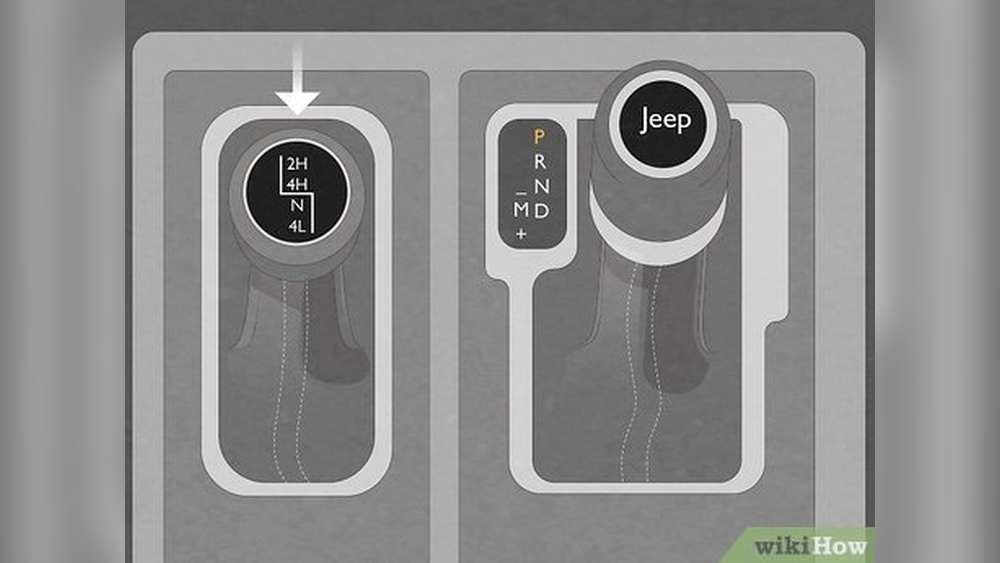
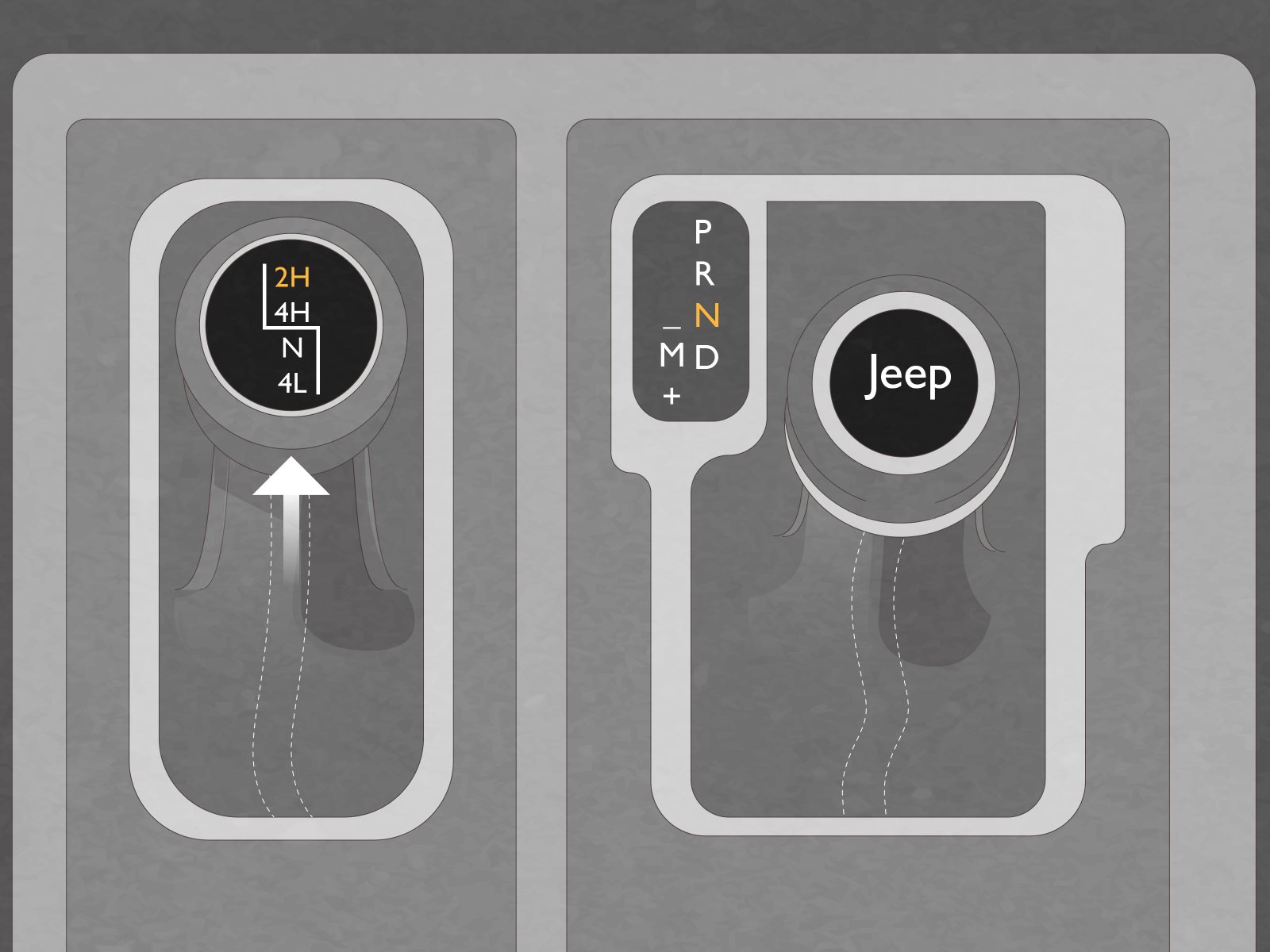
Many Jeep models use a shift lever near the main transmission stick. It usually sits just to the driver’s right. This lever moves up or down to engage 4WD modes. The lever is easy to reach and operate while driving. It often shows markings like 2H, 4H, N, and 4L for different drive modes.
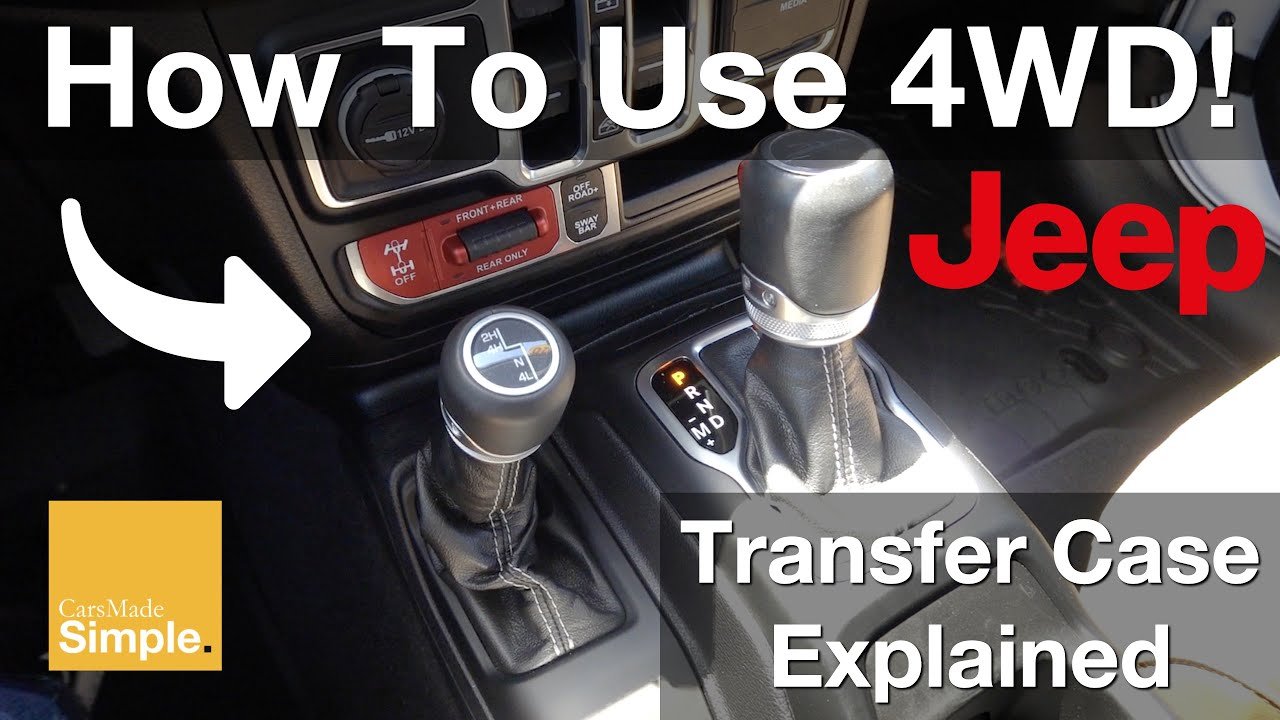
Newer Jeep models may use push-buttons or dials instead of a lever. These controls often sit on the dashboard or center console. You simply turn a dial or press a button to select 4WD mode. These systems are user-friendly and provide smooth mode transitions. They also often have indicator lights to confirm the mode.
Understanding Transfer Case Shifters
Some Jeeps come with a transfer case shifter, a separate lever for 4WD control. This lever controls the transfer case inside the vehicle. It helps switch between high and low range 4WD settings. The shifter usually has clear labels and requires the vehicle to be in neutral for shifting. Learning how this works ensures proper 4WD use and prevents damage.
Steps To Engage 4wd
Engaging four-wheel drive (4WD) in your Jeep improves traction on rough or slippery terrain. Following the correct steps ensures smooth operation and avoids damage. This guide covers the basic steps to put your Jeep into 4WD safely and effectively.
Shifting Into Neutral
Start by bringing your Jeep to a complete stop. Press the brake pedal firmly. Shift the main transmission into Neutral (N). This step disconnects power from the wheels, allowing smooth 4WD engagement. Keep the vehicle in Neutral while switching drive modes.
Using The 4wd Lever Or Selector
Locate the 4WD lever or electronic selector near your gear shifter. For manual levers, pull or push the lever according to your desired 4WD mode. For electronic selectors, press the button or turn the dial to engage 4WD. Do not force the lever or selector; it should move smoothly.
Confirming 4wd Engagement
After selecting 4WD, shift the main transmission back to Drive (D) or the appropriate gear. Slowly release the brake and begin to move forward gently. Check your dashboard for the 4WD indicator light. Listen for a slight change in drivetrain sound or feel the added traction. These signs confirm the system is engaged.
Choosing The Right 4wd Mode
Choosing the right 4WD mode is key for safe and efficient driving. Each mode suits different road and weather conditions. Knowing when to use each mode helps protect your Jeep and improves control. Avoid using the wrong mode to prevent damage and maintain traction.
Four-wheel Drive High (4h)
4H sends power to all four wheels at high speed. Use 4H on slippery roads like snow, mud, or wet pavement. It helps maintain traction without lowering speed. Shift into 4H while driving slowly or stopped. This mode is ideal for moderate off-road conditions and bad weather.
Four-wheel Drive Low (4l)
4L provides maximum power at low speed. Use 4L for tough terrain like deep mud, rocks, or steep hills. It increases torque and improves control on rough surfaces. Shift to 4L only when stopped or moving very slowly. Avoid using 4L on dry pavement to prevent damage.
Two-wheel Drive (2h) For Normal Driving
2H drives power to the rear wheels only. Use 2H for daily driving on dry, smooth roads. This mode saves fuel and reduces wear on the drivetrain. Switch to 2H once road conditions improve and extra traction is not needed. It offers better handling and efficiency for regular driving.
Tips For Smooth Shifting
Shifting your Jeep into four-wheel drive requires care to avoid wear and tear. Smooth shifting extends the life of your drivetrain.
Follow simple steps to make the transition smooth and safe for your vehicle. A gentle approach helps the system engage properly.
When To Release The Gas Pedal
Before shifting, briefly ease off the gas pedal. This reduces strain on the drivetrain. Keep the vehicle steady and avoid sudden acceleration.
Releasing the gas pedal allows the gears to align smoothly. Do not press the accelerator hard while shifting.
Avoiding Damage To The Drivetrain
Always shift at low speeds or when stopped, depending on your Jeep model. Avoid shifting while driving fast to prevent damage.
Use neutral gear if required before engaging four-wheel drive. This step ensures no force is applied to the parts inside.
Listen for unusual noises during shifting. If you hear grinding or clunking, stop and try again carefully.
Using 4wd On Different Terrains
Use 4WD High on slippery roads or light off-road paths. It provides better traction without slowing your vehicle too much.
Switch to 4WD Low for steep climbs, deep mud, or sand. This setting gives maximum power and control at low speeds.
Return to 2WD on dry, smooth roads to save fuel and reduce wear. Using 4WD unnecessarily can cause extra stress on the drivetrain.

Common Mistakes To Avoid
Engaging four-wheel drive (4WD) in your Jeep improves traction and control. Yet, some common mistakes can cause damage or reduce performance. Avoid these errors to keep your Jeep running smoothly and safely. Understanding what not to do is as important as knowing the proper steps.
Shifting At High Speeds
Shifting into 4WD at high speeds can harm the drivetrain. Always slow down before switching modes. Rapid shifts cause strain on gears and joints. Stop or reduce speed to about 5 mph before engaging 4WD. This protects your Jeep and ensures smooth gear engagement.
Ignoring The Neutral Position
Many drivers skip placing the transmission in Neutral. This step is vital for smooth 4WD activation. Neutral disconnects the drivetrain, preventing damage. Always shift the main transmission to Neutral before switching to 4WD. Forgetting this can cause gear grinding and wear.
Overusing 4wd On Pavement
Using 4WD on dry pavement causes unnecessary wear. The system is designed for loose or slippery surfaces. On dry roads, 4WD can lead to drivetrain binding. This reduces fuel efficiency and may damage parts. Switch back to 2WD for normal driving to avoid these issues.
Troubleshooting 4wd Issues
Troubleshooting 4WD issues helps keep your Jeep working properly. Four-wheel drive is great for tough terrain but may sometimes fail to engage. Knowing what to check can save time and money. This section explains common signs, fluid checks, and when to visit a mechanic.
Signs 4wd Isn’t Engaging
Your Jeep may not enter 4WD if you notice unusual sounds or lack of traction. The vehicle might feel like it is stuck in two-wheel drive. Tires may spin without resistance. The 4WD indicator light may not turn on. Difficulty in shifting into 4WD mode also signals a problem.
Checking Transfer Case Fluid
The transfer case moves power between front and rear wheels. Low or dirty fluid can cause 4WD issues. Locate the transfer case and check fluid levels. Use the dipstick or plug to inspect fluid. Clean, amber fluid means good condition. Dark, cloudy, or burnt-smelling fluid needs changing. Regular fluid checks prevent damage and keep 4WD working well.
When To Visit A Mechanic
Persistent 4WD problems need professional help. Strange noises, grinding, or burning smells require immediate attention. If your Jeep still won’t engage 4WD after basic checks, see a mechanic. Complex issues with the transfer case or electrical systems need expert diagnosis. Timely repairs avoid costly damage and ensure safe driving.
Maintaining Your Jeep’s 4wd System
Maintaining your Jeep’s 4WD system ensures reliable performance on and off the road. Regular care helps prevent costly repairs and keeps your Jeep ready for any terrain. Follow these simple maintenance steps to protect your vehicle’s drivetrain.
Regular Inspections
Check the 4WD system often for any signs of wear or damage. Inspect the transfer case, drive shafts, and differentials. Look for leaks, cracks, or loose parts. Catching issues early helps avoid bigger problems later. Also, listen for unusual noises when shifting into 4WD.
Fluid Changes
Change the transfer case and differential fluids at recommended intervals. Fresh fluids keep gears lubricated and reduce friction. Use the correct type of fluid specified in your Jeep’s manual. Dirty fluids can cause overheating and damage internal components.
Protecting Components During Off-roading
Off-roading puts extra stress on your 4WD system. Drive carefully over rocks and rough trails to avoid damage. Use skid plates to shield vital parts like the transfer case and differentials. After off-road trips, clean mud and debris to prevent rust and wear.
Frequently Asked Questions
<!– wp:rank-math/faq-block {"questions":[{"id":"faq-question-784212a79f30","title":"How Do I Switch My Jeep To 4 Wheel Drive?","content":"To switch your Jeep to 4-wheel drive, first shift the main transmission to Neutral. Then, pull the 4WD lever down to engage. Briefly release the gas pedal for smooth engagement. Finally, shift back into Drive to start using 4-wheel drive.
“,”visible”:true},{“id”:”faq-question-d85e619f8691″,”title”:”Do I Put My Jeep In 4h Or 4l?”,”content”:”Use 4H (four-high) for driving on snowy, icy, or off-road trails at normal speeds. Choose 4L (four-low) for slow, steep, or rough terrain requiring maximum torque and power. Shift into neutral before switching between modes for smooth engagement.
“,”visible”:true},{“id”:”faq-question-19af22681291″,”title”:”Does Jeep Need To Be In Neutral To Put In 4wd?”,”content”:”To engage 4WD in a Jeep, put the transmission in neutral first. Then, shift the 4WD lever to the desired mode. This prevents drivetrain damage and ensures smooth engagement.
“,”visible”:true},{“id”:”faq-question-565ccb24b19b”,”title”:”Do I Put The Jeep In Drive For 4h?”,”content”:”To engage 4H, first shift your Jeep into Neutral (N). Then, shift the transfer case lever into 4H. After that, put the Jeep back into Drive (D) and drive normally.
“,”visible”:true}]} –>How Do I Switch My Jeep To 4 Wheel Drive?
To switch your Jeep to 4-wheel drive, first shift the main transmission to Neutral. Then, pull the 4WD lever down to engage. Briefly release the gas pedal for smooth engagement. Finally, shift back into Drive to start using 4-wheel drive.
Do I Put My Jeep In 4h Or 4l?
Use 4H (four-high) for driving on snowy, icy, or off-road trails at normal speeds. Choose 4L (four-low) for slow, steep, or rough terrain requiring maximum torque and power. Shift into neutral before switching between modes for smooth engagement.
Does Jeep Need To Be In Neutral To Put In 4wd?
To engage 4WD in a Jeep, put the transmission in neutral first. Then, shift the 4WD lever to the desired mode. This prevents drivetrain damage and ensures smooth engagement.
Do I Put The Jeep In Drive For 4h?
To engage 4H, first shift your Jeep into Neutral (N). Then, shift the transfer case lever into 4H. After that, put the Jeep back into Drive (D) and drive normally.
Conclusion
Engaging four-wheel drive in your Jeep is simple and quick. Shift to neutral before pulling the 4WD lever.
This helps the system engage smoothly and safely. Use 4WD when driving on slippery or rough terrain for better traction.
Remember to switch back to 2WD on regular roads to save fuel.
Practicing these steps ensures confident driving in any condition. Now, your Jeep is ready to handle tougher trails with ease.