How Do You Put A Jeep In 4 Wheel Drive (step-by-step Guide For Beginners)
If you own a Jeep, you probably want to use its famous 4 wheel drive feature. Jeeps are known for their ability to handle rough roads, snow, sand, and mud.
But if you are new to 4WD, it’s easy to feel confused. How do you put a Jeep in 4 wheel drive?
What are the steps, and which mode should you use? explain everything in simple language, with clear steps, real examples, and expert tips for beginners.
Why Use 4 Wheel Drive In A Jeep?
4 wheel drive (4WD) gives power to all four wheels, instead of just two. This helps your Jeep drive better on slippery, steep, or loose surfaces. You should use 4WD when:
- Driving on snow or ice
- Going off-road (rocks, mud, or sand)
- Climbing steep hills
- Towing heavy loads on rough ground
Using 4WD at the right time improves safety, prevents getting stuck, and protects your vehicle.
Understanding Jeep 4 Wheel Drive Systems
Jeeps come with different 4 wheel drive systems. The way you put a Jeep in 4WD depends on your model and system. The four main options are:
- Part-Time 4WD
- Full-Time 4WD
- Automatic 4WD (4WD Auto)
- Jeep’s Select-Trac/Command-Trac/Quadra-Trac systems
Let’s look at each system and how to use them.
| 4WD System Type | Main Use | How to Engage | Typical Models |
|---|---|---|---|
| Part-Time 4WD | Off-road, bad weather | Manual lever or knob | Wrangler, Gladiator |
| Full-Time 4WD | All conditions | Knob or switch | Grand Cherokee, Cherokee |
| Automatic 4WD | Switches as needed | Set to ‘Auto’ mode | Some Grand Cherokee |
| Special Jeep Systems | Advanced control | Varies | Wrangler Rubicon, Grand Cherokee |
1. How To Put A Jeep With Part-time 4wd In 4 Wheel Drive
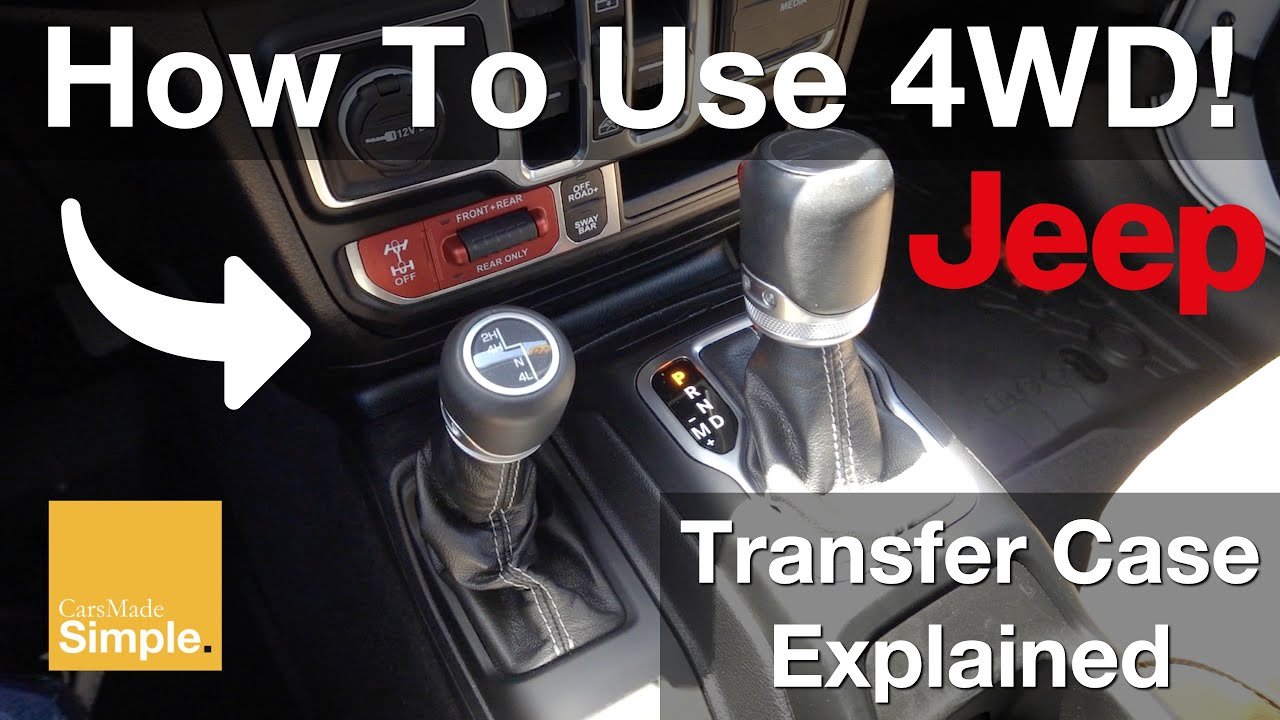
Part-time 4WD is the most classic Jeep system. It gives you a lever or knob to switch between 2WD and 4WD. This is common in the Jeep Wrangler and Jeep Gladiator.
Steps To Engage Part-time 4wd
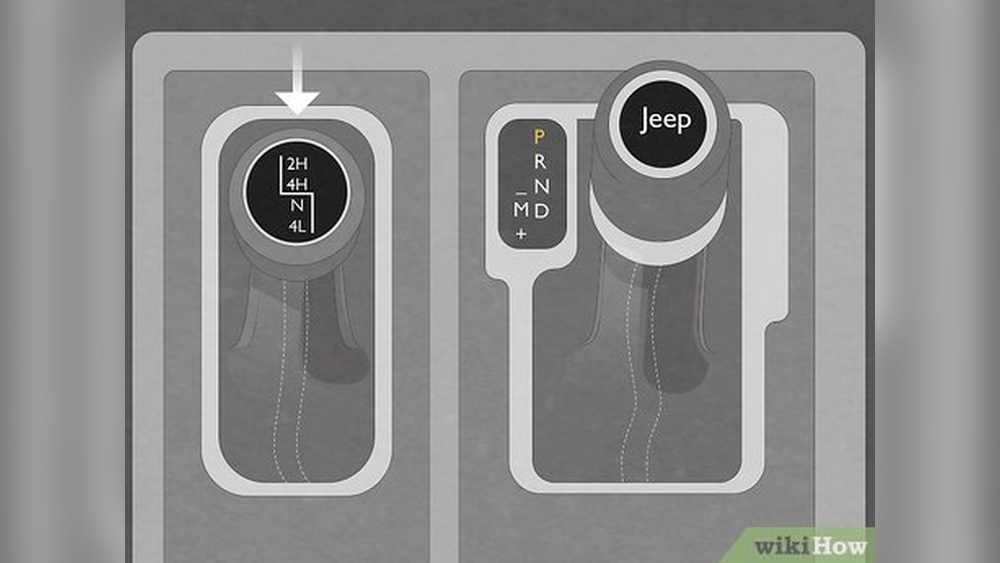
- Know the 4WD positions:
- 2H (2 High): For regular driving on paved roads.
- 4H (4 High): For slippery roads, snow, gravel, or sand.
- N (Neutral): For towing only.
- 4L (4 Low): For deep mud, sand, snow, or climbing steep hills.
- Engage 4H (4 High):
- Slow down to under 55 mph.
- Keep the Jeep rolling straight.
- Pull the 4WD lever from 2H to 4H (you can usually do this while driving slowly).
- You should feel a slight change in the Jeep.
- Engage 4L (4 Low):
- Stop the Jeep completely.
- Shift the transmission to Neutral (N).
- Firmly pull the 4WD lever from 4H to 4L.
- Wait for the light on the dashboard to show you are in 4L.
- Put the transmission back in Drive (D) or 1st gear (manual).
Important: Never use 4H or 4L on dry pavement. It can damage your Jeep’s drivetrain.
Example
You are driving a Jeep Wrangler in snow. The road gets slippery.
Slow down, then shift from 2H to 4H. If you reach deep snow or a steep hill, stop and shift into 4L.
Part-time 4wd Pros And Cons
Pros:
- Simple and reliable
- Great for tough off-road situations
Cons:
- Not for dry roads
- Must remember to switch back to 2H on pavement
2. How To Put A Jeep With Full-time 4wd In 4 Wheel Drive
Some Jeeps, like the Grand Cherokee or Cherokee, have full-time 4WD. This system always sends power to all wheels but adjusts as needed.
Steps To Engage Full-time 4wd
- Understand the modes:
- AUTO/4WD Full-Time: Works on any surface
- 4H (if available): Locks power for off-road
- 4L: For extreme situations
- AUTO Mode:
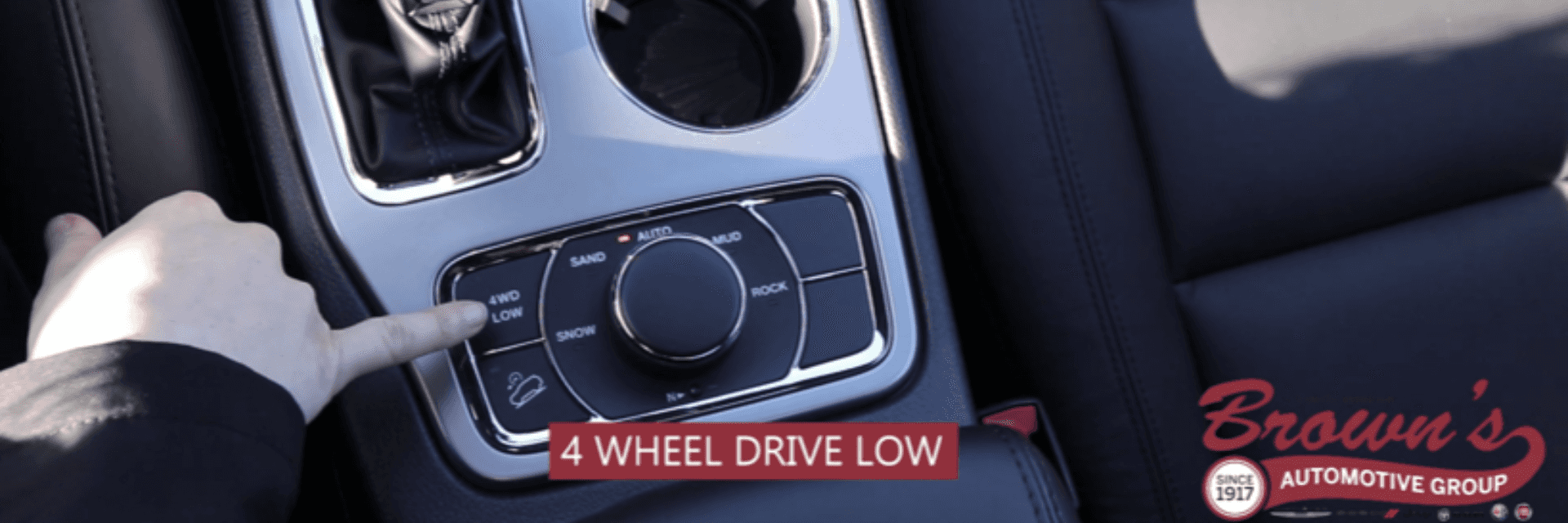
- Simply turn the knob or press the switch to AUTO or 4WD Full-Time.
- The system will manage power for you.
- 4H or 4L Mode:
- Stop the Jeep (for 4L).
- Shift to Neutral.
- Turn the knob or press the button to 4H or 4L.
- Wait for the dashboard light.
Example
Driving your Grand Cherokee in rain? Leave it in AUTO. Going off-road? Stop and switch to 4L.
Full-time 4wd Pros And Cons
Pros:
- No need to switch for most conditions
- Safe for all road surfaces
Cons:
- Uses more fuel than 2WD
- More complex system
3. How To Put A Jeep With Automatic 4wd (4wd Auto) In 4 Wheel Drive
Some newer Jeeps offer automatic 4WD. This system decides when to use 4WD. You set it once, and it works as needed.
Steps To Use 4wd Auto
- Find the AUTO setting:
- Look for a knob or button labeled “AUTO” or “4WD Auto.”
- Set to AUTO:
- Turn the knob or press the button.
- The system will switch between 2WD and 4WD as needed.
- Manual Override (if needed):
- If conditions are severe, you can select 4H or 4L for full control.
Example
You live where the weather changes quickly. Set your Jeep to 4WD Auto.
If the roads get bad, your Jeep switches to 4WD without your help.
Automatic 4wd Pros And Cons
Pros:
- Very easy for beginners
- Safer for mixed conditions
Cons:
- Less control for advanced off-roading
- Can wear out parts faster if overused
4. How To Use Jeep’s Select-trac, Command-trac, And Quadra-trac Systems
Some Jeeps have special names for their 4WD systems: Select-Trac, Command-Trac, and Quadra-Trac. Each one has unique features.
Select-trac
- Found in Cherokee and some Wranglers
- Lets you choose 2WD, 4WD AUTO, 4H, or 4L
How to use:
Set to 4WD AUTO for normal mixed conditions. Use 4H or 4L for off-road or deep snow.
Command-trac
- Found in Jeep Wrangler Sport, Sahara, and Gladiator
- Classic part-time 4WD
How to use:
Switch between 2H, 4H, N, and 4L with the lever, as explained for part-time 4WD.
Quadra-trac
- Found in Grand Cherokee
- Advanced full-time 4WD
- Offers settings for snow, sand, mud, rock
How to use:
Turn the terrain knob or select the mode that fits your surface. Engage 4L for deep mud or rocks by stopping and shifting to Neutral.
Comparison Of Jeep 4wd Systems
Here’s a quick look at how these systems compare:
| System | Manual/Auto | Best For | Unique Feature |
|---|---|---|---|
| Select-Trac | Auto + Manual | Mixed driving | Switches automatically |
| Command-Trac | Manual | Off-roading | Simple lever control |
| Quadra-Trac | Auto | All conditions | Terrain modes |
Non-obvious Tips For Beginners
- Don’t use 4WD on dry pavement. This can “bind” the drivetrain, causing noise and damage.
- Shift to Neutral before 4L. Many beginners forget this and struggle to engage 4 Low.
Common Mistakes To Avoid
- Forgetting to switch back to 2H or AUTO after rough roads
- Forcing the lever or knob (always follow instructions in the owner’s manual)
- Using 4L at high speeds (only use for crawling or steep climbs)

What Does It Cost To Repair 4wd Systems?
If you misuse your Jeep’s 4WD, repairs can be expensive. average costs in the US:
- Transfer case repair: $600, $2,000
- Drivetrain repairs: $1,000, $3,000
- Electronic switch/knob: $200, $800
Regular maintenance and proper use help avoid these costs. Always follow the Jeep’s guidelines.
When Should You Use (and Not Use) 4 Wheel Drive?
Use 4WD:
- Snow, ice, rain
- Mud, sand, rocks
- Off-road trails
Do NOT use 4WD:
- Dry pavement or highways
- City driving in good weather
Using 4WD all the time increases wear and uses more fuel. Use it only when needed.
Practical Tips For Jeep Owners
- Read your owner’s manual for your model’s exact steps.
- Practice shifting between modes in a safe, empty area.
- If the 4WD light flashes or won’t engage, stop and try again or check for problems.
- Have your 4WD system checked every year, especially if you go off-road often.
Real-world Example
Sarah owns a 2021 Jeep Wrangler with Command-Trac. She lives in Colorado, where snow comes often.
Before driving on a snowy morning, she slows down and shifts to 4H as she leaves her neighborhood. When she reaches a steep, icy hill, she stops, shifts to Neutral, and puts the Jeep in 4L.
After clearing the hill, she goes back to 4H, and then 2H when the road is clear. This way, Sarah protects her Jeep and stays safe.
Pros And Cons Of Using 4 Wheel Drive
Pros:
- Better control in slippery or rough conditions
- Reduces risk of getting stuck
- Improves towing power on rough terrain
Cons:
- Lower fuel efficiency
- More parts to maintain
- Risk of damage if used incorrectly
Latest Jeep 4wd Technology
Newer Jeep models include features like hill descent control, off-road cruise control, and automatic terrain selection. These smart systems help even beginners drive safely in tough conditions.
For more details about Jeep’s 4WD technology, visit the official Jeep 4×4 Systems page.
<!– wp:rank-math/faq-block {"questions":[{"id":"faq-question-97885ad936fe","title":"How Do I Know If My Jeep Is In 4 Wheel Drive?","content":"
Look at your dashboard. Most Jeeps show a 4WD light when the system is active. You may also feel the vehicle handle differently, especially in turns.
“,”visible”:true},{“id”:”faq-question-a7dec375d56f”,”title”:”Can I Shift From 2h To 4h While Driving?”,”content”:”Yes, in most Jeeps with part-time 4WD, you can shift from 2H to 4H while moving slowly (under 55 mph). Always check your owner’s manual first.
“,”visible”:true},{“id”:”faq-question-e35c29438d17″,”title”:”What Happens If I Use 4wd On Dry Pavement?”,”content”:”Using 4WD on dry roads causes drivetrain binding. This can damage parts and make turning difficult. Only use 4WD on loose, slippery, or rough surfaces.
“,”visible”:true},{“id”:”faq-question-4c90b73de10c”,”title”:”How Often Should I Use My Jeep’s 4wd?”,”content”:”It’s good to engage 4WD a few times a month, even on flat dirt roads. This keeps the system working smoothly and prevents parts from sticking.
“,”visible”:true},{“id”:”faq-question-256839e673cd”,”title”:”Is 4wd Better Than Awd For Jeeps?”,”content”:”4WD is usually better for serious off-roading and tough conditions. AWD (all-wheel drive) works best for on-road driving and light snow. Some Jeeps offer both systems for flexibility.
“,”visible”:true}]} –>How Do I Know If My Jeep Is In 4 Wheel Drive?
Look at your dashboard. Most Jeeps show a 4WD light when the system is active. You may also feel the vehicle handle differently, especially in turns.
Can I Shift From 2h To 4h While Driving?
Yes, in most Jeeps with part-time 4WD, you can shift from 2H to 4H while moving slowly (under 55 mph). Always check your owner’s manual first.
What Happens If I Use 4wd On Dry Pavement?
Using 4WD on dry roads causes drivetrain binding. This can damage parts and make turning difficult. Only use 4WD on loose, slippery, or rough surfaces.
How Often Should I Use My Jeep's 4wd?
It’s good to engage 4WD a few times a month, even on flat dirt roads. This keeps the system working smoothly and prevents parts from sticking.
Is 4wd Better Than Awd For Jeeps?
4WD is usually better for serious off-roading and tough conditions. AWD (all-wheel drive) works best for on-road driving and light snow. Some Jeeps offer both systems for flexibility.
Learning how to put a Jeep in 4 wheel drive is simple once you understand your vehicle’s system. Start by checking your owner’s manual, then practice the steps in a safe place.
Use 4WD only when you need it to keep your Jeep running strong and safe.
With these tips and real-world examples, you’ll be ready for any adventure your Jeep can handle.