Putting a hardtop on a Jeep Wrangler is a task many owners face, especially when seasons change or you want more protection. While it sounds simple, the process involves careful steps, safety checks, and knowing the right tools.
If you’re new to Jeep maintenance, don’t worry—this guide breaks it down in clear, easy-to-follow instructions. With some patience and the right approach, you’ll have your hardtop on securely and ready for adventure.
Why Choose A Hardtop For Your Jeep Wrangler?
A hardtop gives your Jeep better weather protection, improved security, and quieter rides compared to a soft top. Hardtops are also preferred for winter driving and off-road trips. According to Jeep’s official stats, a hardtop can reduce cabin noise by up to 30%. For many owners, switching to a hardtop means a more comfortable, safer experience.
Preparing For Installation
Before starting, gather the right tools and make sure you have help. Most Jeep hardtops weigh between 120–150 pounds, so two people are ideal.
What you’ll need:
- Socket wrench set
- Torx bits (T40 and T50)
- Safety gloves
- Clean towel or blanket
- Storage bags for bolts
- Step stool (if needed)
Safety tip: Always lift with your knees, not your back. Hardtops are heavy and awkward to carry.
Check Compatibility
Ensure your hardtop matches your Jeep Wrangler model—JK, JL, or TJ. The mounting points and seals differ by year. If you’re unsure, check your owner’s manual or look at the manufacturer’s website.
Removing The Soft Top Or Old Hardtop
If your Jeep has a soft top, remove it completely. Unclip the latches, unscrew side mounts, and fold it away. If you’re swapping an old hardtop, unscrew all bolts and disconnect the rear wiper or defroster wiring (if present).
Example Steps:
- Lower windows for easy access.
- Remove all attachment bolts.
- Slide off the old top carefully.
Installing The Hardtop
Now comes the main event. Here’s how to do it right:
Step-by-step Instructions
- Clean the mounting area: Wipe down the edges with a towel to ensure a tight seal.
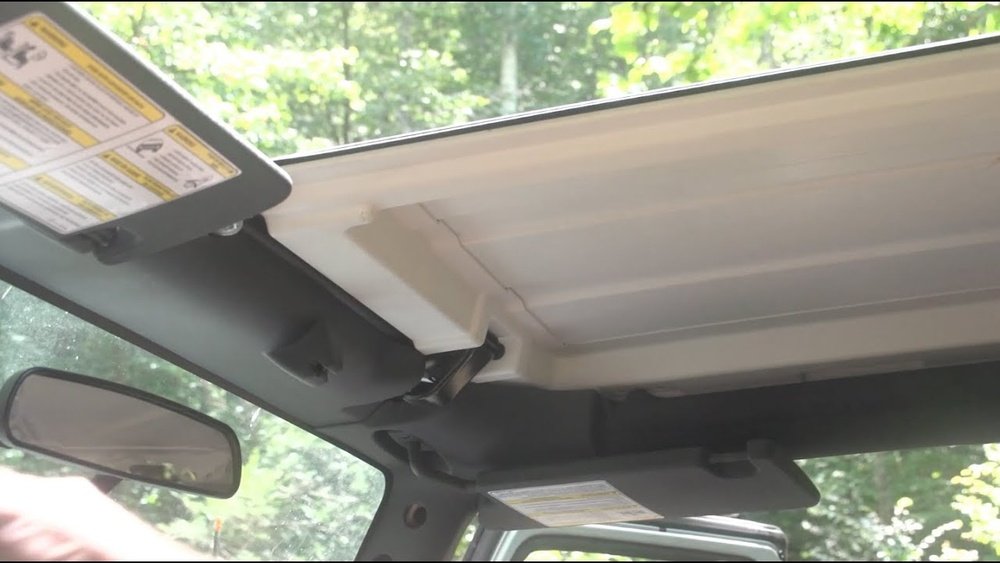
- Align the hardtop: With help, lift and place the hardtop onto your Jeep. Make sure the holes line up.
- Secure with bolts: Insert the Torx bolts at each corner. Tighten them but do not over-torque.
- Connect wiring: If your hardtop has a rear wiper or defroster, plug in the connectors.
- Check seals: Inspect the weatherstripping around the edges. Replace worn seals if needed.
Common Mistakes To Avoid
- Over-tightening bolts can crack the fiberglass.
- Forgetting to connect wiring will disable rear features.
- Not checking seals can lead to leaks.
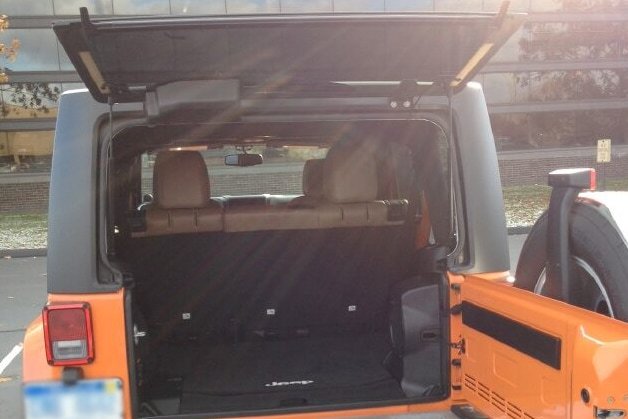
Comparison Of Hardtop Vs Soft Top
To help you decide, here’s a quick comparison:
| Feature | Hardtop | Soft Top |
|---|---|---|
| Weather Protection | Excellent | Moderate |
| Noise Reduction | High | Low |
| Security | Strong | Weak |
| Weight | 120–150 lbs | 40–60 lbs |
| Installation Time | 30–45 min | 20–30 min |
Practical Tips For Smooth Installation
- Store bolts in labeled bags for easy tracking.
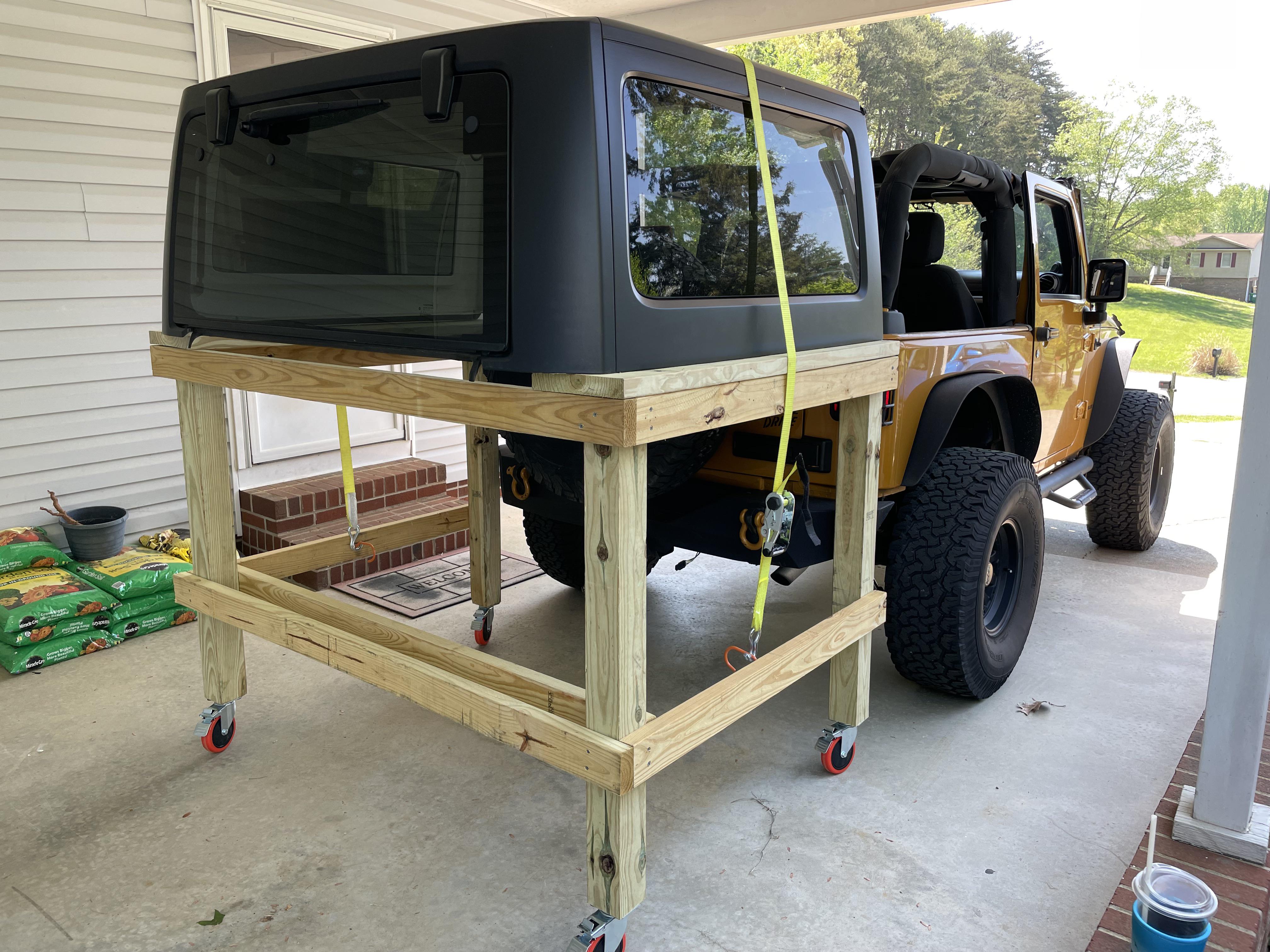
- Use a hardtop hoist if you plan to switch tops frequently.
- If installing solo, use a rolling cart to move the hardtop safely.
Example Data: Hoist Vs Manual Lifting
| Method | Time Required | Risk of Damage |
|---|---|---|
| Manual Lifting | 30–40 min | Medium |
| Hoist System | 20–25 min | Low |
Maintenance After Installation
A hardtop is low-maintenance, but regular checks keep it performing well:
- Inspect seals every 3 months for cracks or gaps.
- Clean the top with mild soap and water.
- Lubricate latch mechanisms twice a year.
- Check wiring for corrosion, especially after rain.
Troubleshooting Issues
Sometimes, problems appear after installation. Here’s what to watch for:
Water Leaks
If you notice drips inside, check the weatherstripping. Replace it if cracked. A thin bead of silicone can help seal minor gaps.
Rattling Sounds
Loose bolts or misaligned mounts cause rattles. Tighten bolts evenly and check that the top sits flush.
Electrical Features Not Working
If your rear wiper or defroster isn’t working, double-check the wiring connections. Look for bent pins or loose plugs.
Cost And Value
Hardtops cost between $1,500–$2,500 new. Used tops are cheaper but may need new seals. While it’s a big expense, most Jeep owners report better comfort and resale value with a hardtop installed.
Hardtop Options Comparison
| Type | Price Range | Key Features |
|---|---|---|
| Factory Hardtop | $1,800–$2,500 | OEM fit, rear wiper, defroster |
| Aftermarket Hardtop | $1,500–$2,200 | Custom designs, lighter weight |
| Used Hardtop | $800–$1,300 | May need new seals, limited warranty |
Frequently Asked Questions
How Long Does It Take To Install A Hardtop?
Most people need about 30–45 minutes. If it’s your first time, budget an hour. Using a hoist or extra help speeds up the process.
Can I Install A Hardtop By Myself?
It’s possible, but not recommended. Hardtops are heavy and awkward.
Solo installation increases risk of damage and injury. Always ask for help or use a hoist system.
Do I Need Special Tools For Installation?
You’ll need Torx bits (T40 and T50), a socket wrench, and gloves. Most hardware stores sell these tools. Some hardtops may require extra bolts or wiring kits.
Will A Hardtop Fit All Jeep Wrangler Models?
No, hardtops are model-specific. Always check compatibility for your Jeep’s year and trim. For more details, visit the Jeep Wrangler official site.
How Can I Prevent Leaks After Installation?
Inspect and replace old weatherstripping. Clean mounting surfaces, install evenly, and avoid overtightening. Regular maintenance helps prevent leaks.
Putting a hardtop on your Jeep Wrangler can feel challenging, but with careful steps and the right tools, it’s a manageable job. The extra comfort, security, and protection are worth the effort.
Always check compatibility, get help if needed, and maintain your hardtop for years of worry-free driving.