Putting gas in your Jeep Grand Cherokee seems simple, but first-timers often feel nervous. Maybe you just bought your first SUV, or perhaps you’re renting one for a road trip. Either way, knowing the right steps can save you time, money, and even protect your vehicle’s engine. Let’s walk through the process, highlight common mistakes, and share a few tips to make every refuel smooth and safe.
Understanding Your Jeep Grand Cherokee’s Fuel System
Before heading to the pump, it’s smart to understand what your vehicle needs. Most Jeep Grand Cherokees built after 2011 use unleaded gasoline with an octane rating of 87 or higher. Premium fuel is not required for most models. However, always check your owner’s manual for your specific engine.
Here’s a quick comparison of fuel types and what’s compatible:
| Engine Type | Recommended Fuel | Octane Rating |
|---|---|---|
| 3.6L V6 | Unleaded Gasoline | 87+ |
| 5.7L V8 | Unleaded Gasoline | 87+ |
| 6.4L SRT V8 | Premium Unleaded | 91+ |
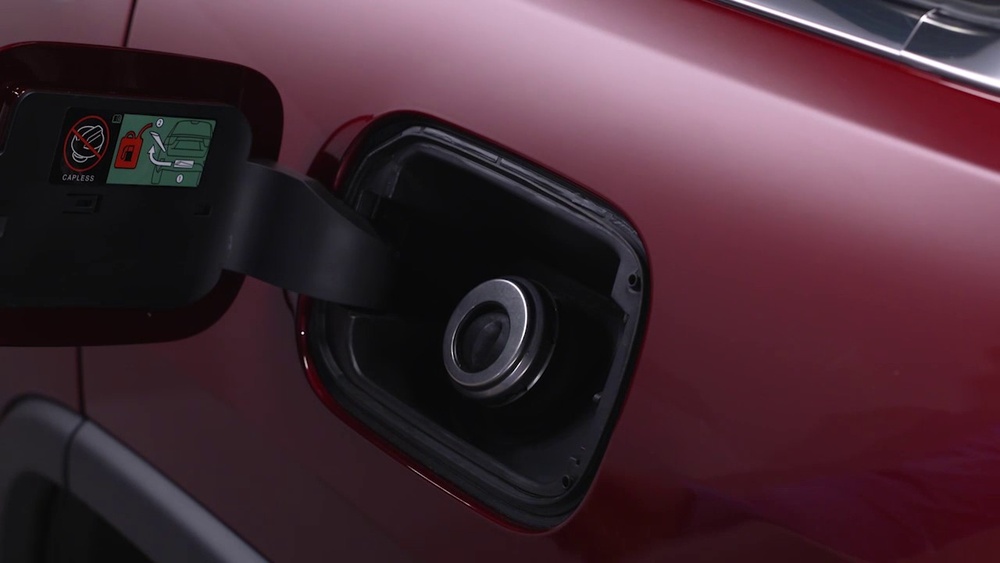
Many newer Grand Cherokees have a capless fuel filler system, which means you won’t find a twist-off gas cap. Instead, there’s a spring-loaded flap behind the fuel door.
Step-by-step: How To Put Gas In A Jeep Grand Cherokee
Refueling your vehicle safely and efficiently is easy if you follow these steps:
1. Locate The Fuel Door
The fuel door is on the driver’s side of the Jeep Grand Cherokee. Look for a small arrow next to the fuel gauge on your dashboard if you’re unsure.
2. Turn Off The Engine
Always shut off your engine before fueling. This prevents accidents and is required at all gas stations.
3. Open The Fuel Door
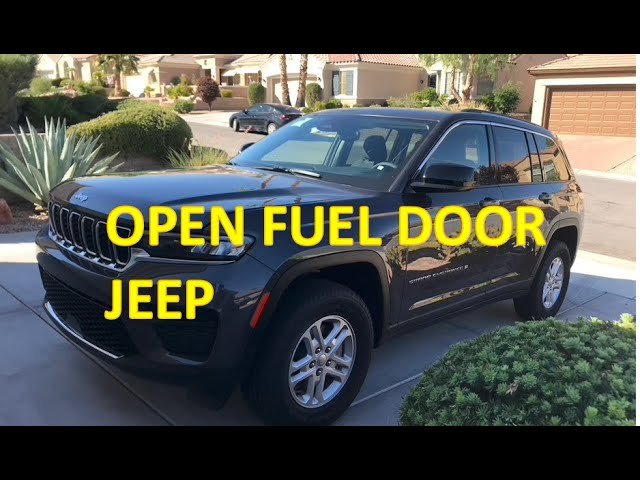
For most models, just press on the rear edge of the fuel door and it will pop open. Some older models may have a release lever near the driver’s seat.
4. Prepare To Fuel
If your Jeep has a capless system, insert the nozzle directly. For older models with a cap, turn it counterclockwise to remove and hang it on the fuel door hook.
5. Select The Correct Fuel
Choose the right octane based on your engine. Most drivers use regular unleaded (87).
Using the wrong fuel can hurt performance or damage the engine.
6. Insert The Nozzle
Fully insert the pump nozzle into the filler. Squeeze the handle to begin fueling.
You will hear a click when the tank is full don’t try to add more after this.
7. Finish Up
Remove the nozzle, wait a few seconds for drips, and place it back on the pump. If you have a twist-off cap, replace it and turn until you hear a click. Close the fuel door.
8. Check For Leaks Or Warning Lights
After starting your Jeep, make sure there’s no fuel smell and no warning light on your dashboard.
Example: Time Needed To Refuel
Filling a nearly empty Jeep Grand Cherokee (24.6-gallon tank) usually takes 2–3 minutes at a normal pump speed.

Common Mistakes To Avoid
Even experienced drivers sometimes make errors when refueling. Here’s what to watch out for:
- Using the wrong fuel: Diesel or E85 will damage your engine. Double-check the pump label.
- Topping off the tank: After the pump clicks, stop fueling. Overfilling can damage the vapor system and cause leaks.
- Leaving the engine running: This is a fire hazard and illegal in many states.
- Forgetting the gas cap: If your model has a cap, always secure it tightly to prevent the check engine light.
Tips For A Better Refueling Experience
Small adjustments can make every visit to the gas station easier:
- Pay attention to fuel prices: Gas stations near highways often charge more.
- Fuel early in the morning: Gas is denser when cool, so you may get a bit more for your money.
- Use loyalty programs: Many brands offer discounts or rewards.
Here’s a look at average fuel tank sizes and estimated driving ranges for the Grand Cherokee:
| Model Year | Tank Size (gallons) | Estimated Range (miles) |
|---|---|---|
| 2015 | 24.6 | 500–600 |
| 2020 | 24.6 | 500–620 |
| 2023 | 23.0 | 480–600 |
Safety Precautions
Safety should always come first at the gas station. Here are key points to keep in mind:
- No smoking or open flames near the pump.
- Avoid cell phone use while refueling; static electricity can ignite vapors.
- Discharge static electricity by touching metal before fueling.
- If you spill gas, inform the station attendant and clean up immediately.
While accidents are rare, following these steps reduces any risks.
Troubleshooting: What If Something Goes Wrong?
If you accidentally use the wrong fuel, do not start your engine. Call for professional help right away. If your gas cap warning light stays on after refueling, double-check that the cap is secure or that the capless flap closed properly.
Some newer models might show a warning even with the cap in place. In this case, drive for a few miles; the warning may clear itself.
If not, consult your dealer or trusted mechanic.
If you have more questions about your model, the official Jeep Owners Site is a great resource.
Frequently Asked Questions
How Do I Open The Gas Tank On A Jeep Grand Cherokee?
Press gently on the rear edge of the fuel door (driver’s side). For some older models, use the release lever by the driver’s seat.
What Type Of Gas Does A Jeep Grand Cherokee Use?
Most models use unleaded gasoline with an octane rating of 87 or higher. Check your owner’s manual if you have a performance or diesel engine.
What Should I Do If I Put The Wrong Fuel In My Jeep?
Do not start the engine. Contact a mechanic or roadside assistance to avoid engine damage.
Why Is My Gas Cap Warning Light Still On?
Make sure the gas cap (or capless system flap) is closed tightly. The warning should disappear after a few miles. If not, see a mechanic.
How Can I Save Money When Filling Up My Jeep Grand Cherokee?
Use loyalty programs, fuel up early in the morning, and compare prices at nearby stations. Apps like GasBuddy can help find the lowest prices.
Putting gas in your Jeep Grand Cherokee is quick and safe once you know the right steps. With this guide, you can avoid costly mistakes and keep your vehicle running smoothly, even if you’re new to the world of SUVs.