Many Jeep Grand Cherokee owners notice weak air conditioning during summer. Often, the cause is low Freon (also called refrigerant). Adding Freon yourself can restore cool air and save money. But doing it wrong can damage your AC system or even cause injury. This guide will show you, step by step, how to safely put Freon in your Jeep Grand Cherokee—even if you are not an expert.
What You Need Before You Start
Before you begin, gather these tools and items:
- R-134a refrigerant (most Grand Cherokees from 1996 onward use this, but always check under your hood)
- AC recharge hose with a pressure gauge
- Protective gloves and safety glasses
- Owner’s manual (for specific instructions)
Never use the wrong refrigerant. Mixing types can ruin your AC system.
Understanding Your Jeep’s Ac System
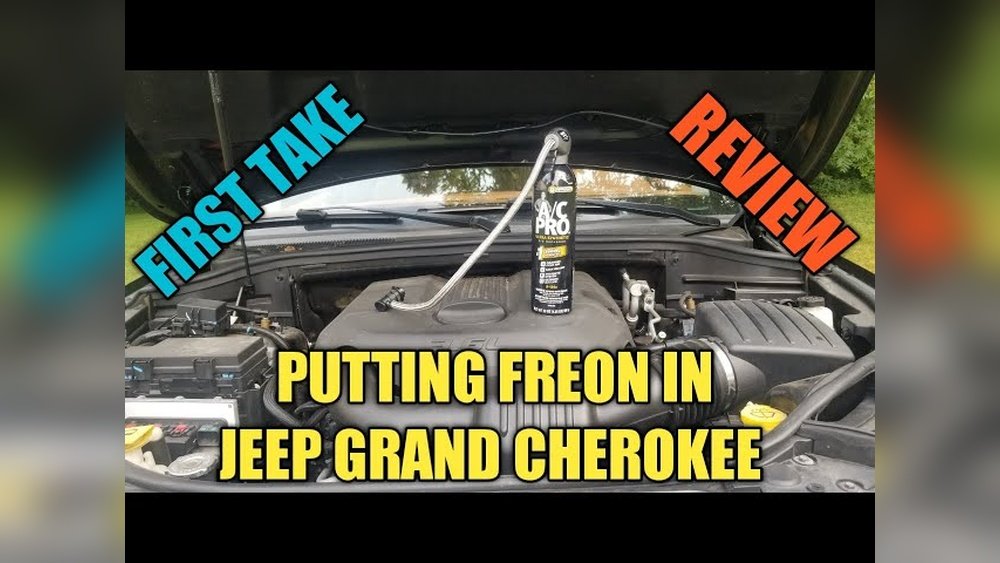
The Jeep Grand Cherokee uses a closed-loop AC system. Freon moves through the system, turning from gas to liquid and back. When there is a leak or the system is low, you may notice:
- Warm air blowing from vents
- Clicking noises from the AC compressor
- Visible frost on AC lines
If your AC system is empty, you likely have a leak. Adding Freon is a temporary fix.
For a lasting solution, leaks must be repaired.
Common Mistakes
- Overcharging: Too much Freon can damage the compressor.
- Wrong port: There are two ports—always use the low-pressure port.
- Not checking pressure: Guessing can be dangerous. Always use a gauge.
Step-by-step Guide To Adding Freon
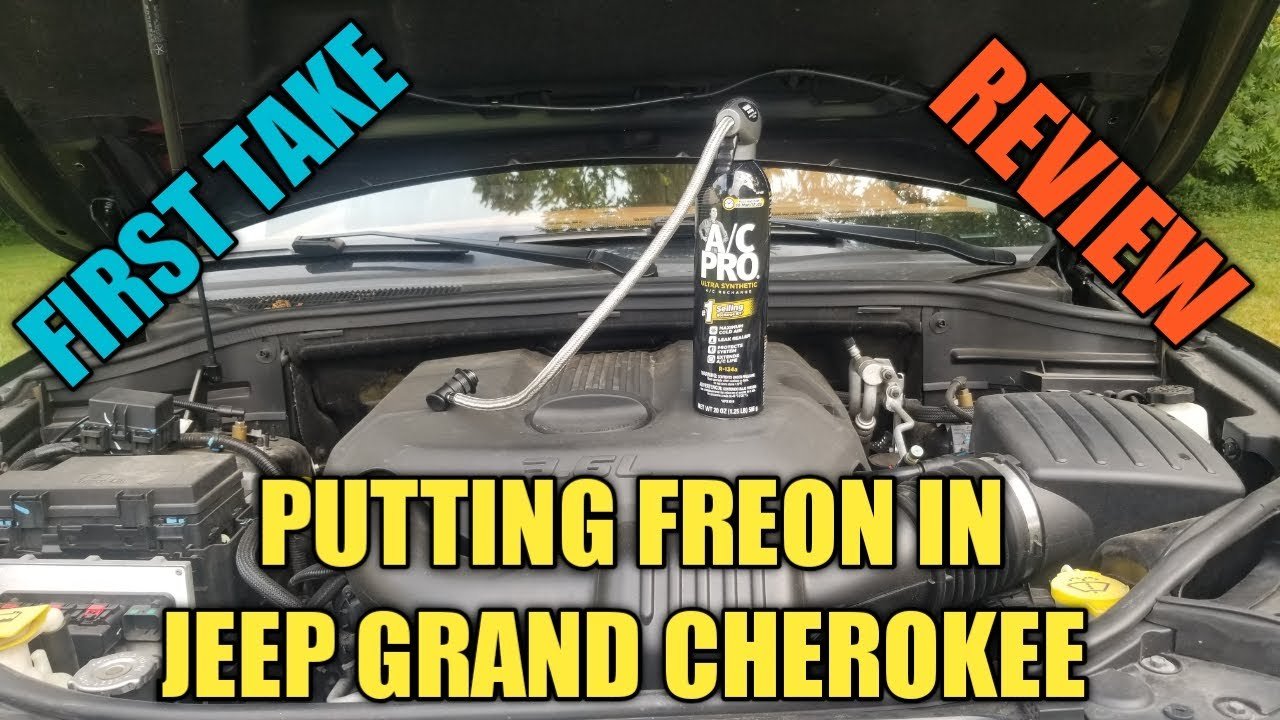
Follow these steps to recharge your Grand Cherokee’s AC system:
- Park safely. Turn off the engine, open the hood, and let the engine cool.
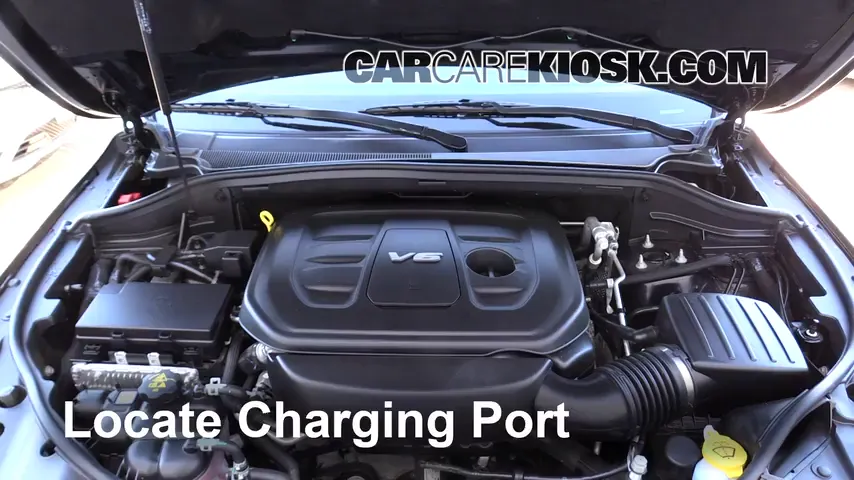
- Locate the low-pressure port. It’s usually near the passenger side firewall, with a cap marked “L”. Never use the high-pressure port.
- Attach the recharge hose. Connect it to the low-pressure port.
- Start the engine and turn the AC to max cool. This makes sure the system pulls in the Freon.
- Read the gauge. Most systems should be between 25–45 psi when running. Check your manual for the exact range.
- Shake the Freon can. Hold it upright.
- Press the trigger and add Freon. Add in short bursts, checking pressure every 10 seconds.
- Stop at the right pressure. Do not overfill.
- Remove the hose and replace the cap. Make sure you do not touch any moving or hot parts.
- Check the air. Cold air means you did it right.
Example: Pressure Readings
Here’s how typical pressure readings look for a Jeep Grand Cherokee:
| Pressure (psi) | AC System Condition |
|---|---|
| 0-10 | System empty or major leak |
| 15-25 | Low Freon, needs recharge |
| 25-45 | Normal range |
| 50+ | Overcharged, risk of damage |
Always use the right pressure range. Too much or too little can cause problems.
Safety Tips When Handling Freon
Freon is not just cold—it can burn skin and damage eyes. It’s also harmful to breathe. Always:
- Wear safety glasses and gloves
- Work in a well-ventilated area
- Never smoke or use open flames near refrigerant
If you feel dizzy or get Freon on your skin, stop and seek help immediately.

How Much Freon Does A Jeep Grand Cherokee Need?
The exact amount depends on your model year. Most Grand Cherokees need about 24-32 ounces of R-134a. Too much or too little affects AC performance.
Here’s a simple comparison of different model years:
| Model Year | R-134a Capacity (oz) |
|---|---|
| 1999–2004 | 28–32 |
| 2005–2010 | 24–28 |
| 2011–2021 | 24–28 |
Check the sticker under your hood or your owner’s manual for the exact amount.
Signs You Should Not Add Freon Yourself
Some problems need a professional:
- Hissing sounds under the hood
- Visible oil leaks from AC lines
- System holds no pressure (gauge stays at zero)
Adding Freon with a large leak is a waste and can be illegal. A certified mechanic can fix leaks and recharge the system properly.
Cost And Savings
A typical AC recharge at a shop costs $150–$300. Doing it yourself usually costs $30–$70 for the refrigerant and gauge kit. Just be sure to follow all steps and safety rules.
When To See A Mechanic
If your AC still blows warm air after adding Freon, the problem could be:
- Faulty compressor
- Broken expansion valve
- Electrical issues
In these cases, DIY fixes won’t help, and professional diagnosis is best.
Quick Troubleshooting Table
Here’s how to match your AC problem with possible causes:
| Symptom | Possible Cause | DIY Fix? |
|---|---|---|
| Warm air, low pressure | Low Freon | Yes |
| Clicking noise | Compressor cycling | Maybe |
| Hissing sound | Leak in system | No |
| No air from vents | Blower issue | No |
Frequently Asked Questions
How Often Should I Add Freon To My Jeep Grand Cherokee?
Normally, Freon should last for years unless there is a leak. If you need to add it every summer, your system may have a small leak that needs repair.
Can I Use R-1234yf Instead Of R-134a?
No. Mixing refrigerants can damage your AC and is not safe. Always use the type listed in your owner’s manual.
Is Adding Freon Safe For Beginners?
Yes, if you follow directions carefully and use safety gear. However, if you feel unsure, it’s better to ask a professional.
What If My Ac Still Blows Warm Air After Adding Freon?
This usually means there’s a bigger problem—like a leak, bad compressor, or electrical fault. A mechanic should check your system.
Where Can I Learn More About Ac Systems?
You can find more detailed information on the Wikipedia page for Automobile Air Conditioning.
Adding Freon to your Jeep Grand Cherokee can bring back cool air and save you money. With the right tools, knowledge, and care, many owners can do it themselves.
Always focus on safety, use the correct refrigerant, and know when it’s time to call a pro.
This way, your Jeep stays comfortable on every drive.