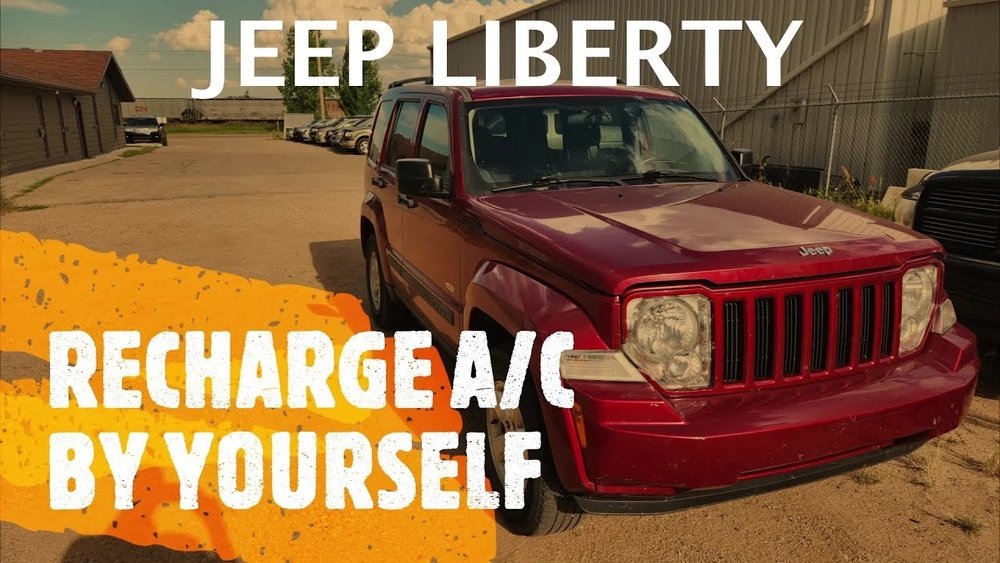
If your Jeep Liberty is blowing warm air from the AC, it might need more Freon (refrigerant). Adding Freon can restore cool air, but doing it wrong can damage your system or waste money.
This guide shows you how to safely add Freon to a Jeep Liberty, explains important facts, and helps you avoid common mistakes. You don’t need expert skills, but attention to detail is key.
What You Need To Add Freon
Before you start, gather these items:
- R-134a Freon can (most Jeep Libertys use R-134a)
- AC recharge hose with gauge
- Safety glasses and gloves
- Owner’s manual for reference
Never use a different refrigerant without checking your vehicle’s label. Using the wrong type can cause serious AC damage.
Jeep Liberty Ac System Data
Here’s a quick look at the typical AC system specs for Jeep Liberty models:
| Model Year | Refrigerant Type | Capacity (oz.) |
|---|---|---|
| 2002–2007 | R-134a | 18.0–22.0 |
| 2008–2012 | R-134a | 18.0–22.0 |
Check your owner’s manual or under the hood for the exact amount.
Step-by-step: How To Put Freon In A Jeep Liberty
Follow these steps to add Freon safely. Each step matters, so don’t skip any.
1. Prepare Your Jeep
Park your Jeep Liberty on a flat surface. Turn off the engine and let it cool for a few minutes. Open the hood and locate the low-pressure AC port (usually marked “L”). It’s often on the larger AC line, near the firewall.
2. Check The System
Put on safety glasses and gloves. Look for leaks, cracks, or oily spots around hoses and connections.
If you see leaks, stop and get the system repaired first. Adding Freon to a leaking system wastes money and harms the environment.
3. Attach The Recharge Hose
Connect your recharge hose to the low-pressure port. Make sure it fits snugly and doesn’t leak. The gauge should read the current pressure. Typical readings:
| Ambient Temperature (°F) | Normal Pressure (psi) |
|---|---|
| 75 | 35–40 |
| 85 | 45–50 |
| 95 | 55–60 |
If the pressure is already high, your AC may not need more Freon.
4. Start Your Engine And Ac
Turn on the engine. Set the AC to maximum cool, full fan, and recirculate mode.
This ensures the compressor is running and ready to accept Freon.
5. Add Freon Slowly
Shake the Freon can. Open the valve according to your recharge kit instructions.
Add Freon in short bursts (5 10 seconds). Watch the gauge.
Stop when the pressure reaches the recommended range for your temperature.
Tip: Overcharging is a common mistake. Extra Freon doesn’t mean colder air; it can damage the compressor.
6. Check The Ac Performance
After reaching the right pressure, let the AC run for a few minutes. Feel the air from the vents.
If it’s cool and steady, you’ve done it right. If not, recheck the pressure, or seek professional help.
7. Remove The Hose And Close Up
Turn off the engine. Remove the recharge hose.
Replace the cap on the low-pressure port. Close the hood.

Key Insights And Common Mistakes
Many beginners think adding more Freon always fixes AC problems. This isn’t true. Low refrigerant is only one cause of warm air. Others include a bad compressor or clogged expansion valve.
Another mistake is ignoring the ambient temperature. AC gauges show different pressures depending on the outside temperature. Use the correct chart (like above) to avoid overfilling.
Some people forget to check for leaks. Even tiny leaks can empty your AC in days. Always inspect the system before adding Freon.
Safety Tips And Environmental Concerns
Freon is dangerous if inhaled or touched. Wear protective gear and work in a ventilated area.
Never release Freon into the air it’s illegal and harms the ozone layer.
If you’re unsure or see leaks, visit a certified mechanic. Handling refrigerant without proper training can damage your AC or cause injury.

Cost And Value
Adding Freon yourself can save $80 $150 compared to shop prices. The average can of R-134a costs $20 $40.
Recharge kits cost $30 $50. However, if your Jeep has a bigger problem, DIY charging won’t fix it.
Here’s a quick cost comparison:
| Method | Cost (USD) | Pros | Cons |
|---|---|---|---|
| DIY Recharge | $50–$90 | Cheap, quick | Risk of mistakes |
| Professional Service | $120–$200 | Accurate, safe | More expensive |
When To Call A Mechanic
If your AC still blows warm air after adding Freon, the problem may be:
- Faulty compressor
- Bad AC clutch
- Broken blower motor
- Electrical issue
In these cases, DIY Freon won’t help. Professional diagnosis is necessary.
For more details on refrigerants and vehicle AC systems, visit Wikipedia.

Frequently Asked Questions
How Do I Know If My Jeep Liberty Needs Freon?
If your AC blows warm air and the compressor clicks on, you might need Freon. Check the pressure gauge.
If it’s below the normal range for your temperature, adding Freon can help.
Can I Use R-1234yf Instead Of R-134a?
No. Most Jeep Libertys use R-134a. Using the wrong refrigerant can damage your AC and is unsafe.
How Much Freon Should I Add?
Check your owner’s manual or the under-hood label. Most Jeep Libertys require 18–22 ounces of R-134a. Only add until the gauge shows the correct pressure—not until the can is empty.
What If I Overfill The Ac System?
Overfilling can cause high pressure and damage the compressor. If you suspect overfill, stop using the AC and consult a professional to safely remove excess Freon.
Can Adding Freon Fix All Ac Problems?
No. Adding Freon only solves low refrigerant issues. If your AC still doesn’t cool, there may be other faults like leaks, a bad compressor, or electrical problems.
Adding Freon to your Jeep Liberty is simple if you follow these steps carefully. Always check for leaks and use the right type of refrigerant.
If you’re unsure, professional help saves time and money in the long run.