If your Jeep Cherokee’s AC is blowing warm air, low Freon (also called refrigerant) might be the cause. Adding Freon can restore cooling, but it must be done safely and correctly.
Many Jeep owners worry about damaging their vehicle or making costly mistakes. This guide shows you step-by-step how to put Freon in a Jeep Cherokee, including what tools you’ll need, common errors to avoid, and how to check if your AC really needs a recharge.
With the right approach, you can save money and keep your Jeep comfortable in any weather.

Understanding Freon And Your Jeep Cherokee Ac
Freon is a brand name for refrigerant, commonly R-134a in modern Jeep Cherokees (1996 and newer). Older models might use R-12, but this is rare and not available for DIY use. Refrigerant is essential for cooling; when levels drop, the AC can’t absorb heat efficiently.
Most Jeep Cherokees use a system that holds about 1.5 to 2 pounds of refrigerant. Too much or too little can damage the compressor or reduce cooling. Always check your owner’s manual or under the hood for the exact capacity.
| Model Year | Refrigerant Type | Capacity (lbs) |
|---|---|---|
| 1996-2001 | R-134a | 1.5 |
| 2002-2018 | R-134a | 1.7 |
| 2019-present | R-1234yf | 2.0 |
Signs Your Jeep Cherokee Needs Freon
Before adding Freon, check for these clear signs:
- AC blows warm air even with max cooling.
- Compressor doesn’t engage (no clicking sound when AC is on).
- Visible leaks or oily spots around AC lines.
- Low-pressure gauge reading below 40 psi.
Many beginners forget to check for leaks. If you add Freon to a leaking system, it won’t last. Always inspect hoses and connections first.
What You’ll Need
To safely put Freon in your Jeep Cherokee, gather these tools:
- R-134a refrigerant can (or R-1234yf for newer models)
- AC recharge hose with gauge
- Safety glasses and gloves
- Owner’s manual for reference
Avoid buying kits with leak sealants. They can clog the AC system and cause expensive repairs.
| Tool | Purpose | Estimated Cost |
|---|---|---|
| Recharge hose/gauge | Connects can to AC port | $20-$40 |
| R-134a can | Replenishes refrigerant | $15-$30 |
| Safety gear | Protects eyes/hands | $5-$10 |
Step-by-step Guide To Adding Freon
Step 1: Prepare Your Jeep
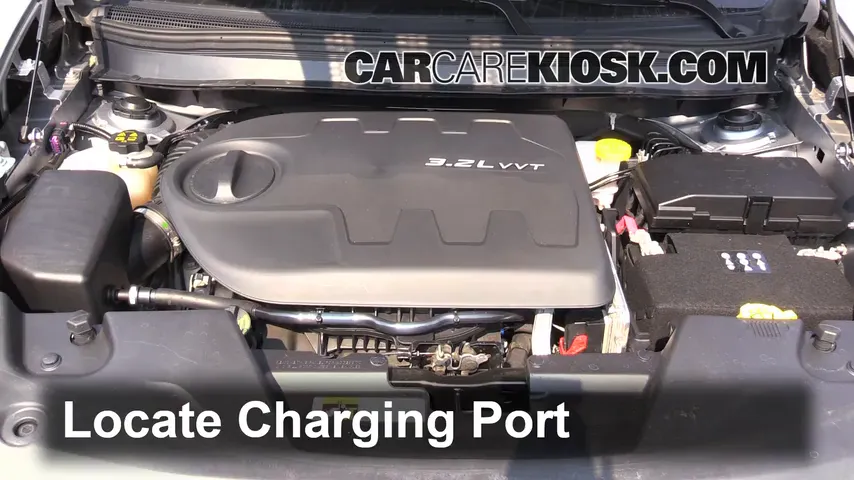
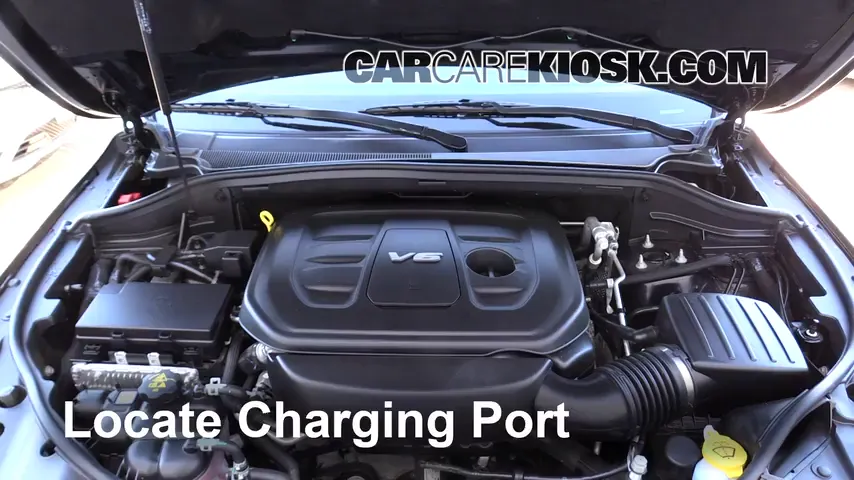
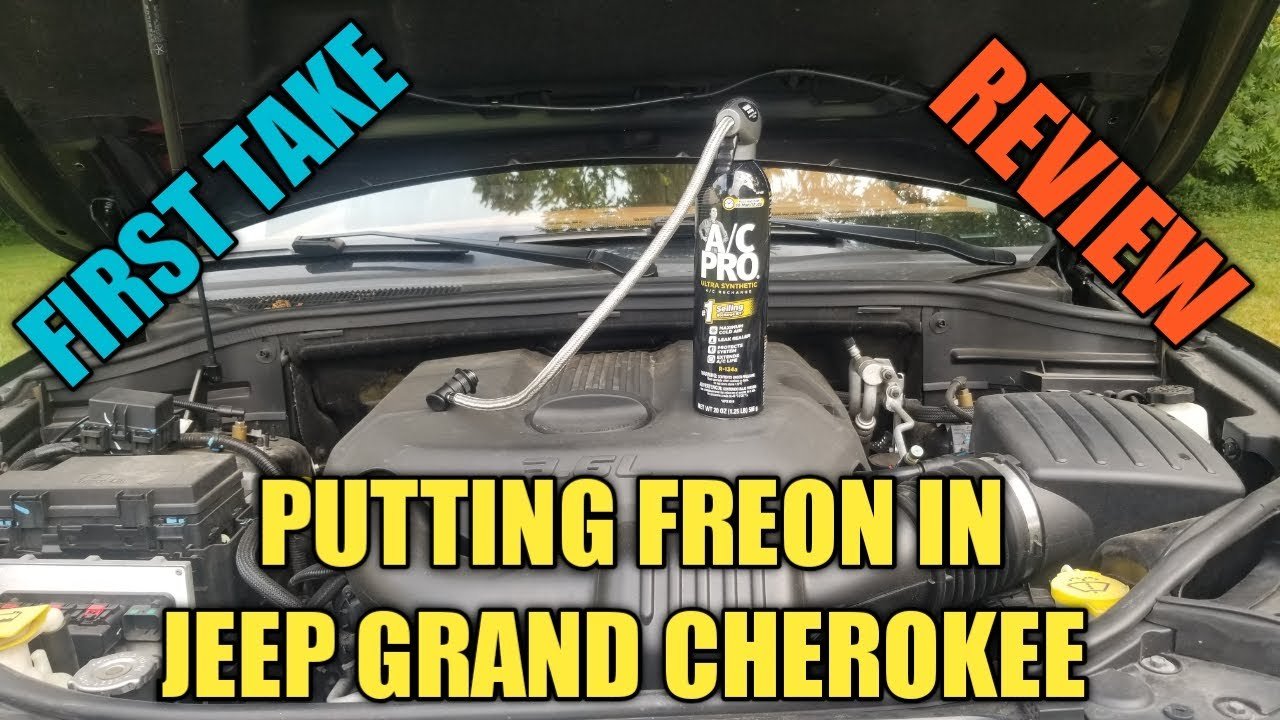
Park your Jeep Cherokee in a well-ventilated area. Start the engine, turn the AC to max cool and highest fan speed. Open the hood and locate the low-pressure port (marked “L” or with a blue cap, usually on the larger AC hose).
Step 2: Check Pressure
Attach the recharge hose to the low-pressure port. Read the pressure gauge. For most Cherokees, it should be between 40-50 psi when the AC is running. If it’s lower, you likely need Freon.
Step 3: Add Freon
Shake the Freon can. Connect it to the hose. Hold the can upright and squeeze the trigger. Add refrigerant in short bursts, checking the gauge after each. Never overfill—the optimal range is 40-55 psi for R-134a.
Step 4: Monitor And Finish
When the gauge reaches the correct pressure, stop adding Freon. Detach the hose, replace the cap, and run the AC for several minutes.
Check for cool air and listen for normal compressor operation.
Step 5: Check For Leaks
After filling, inspect all AC lines again. If you see bubbles or hear hissing, there may be a leak.
A simple soap solution can help spot leaks.
Many beginners miss checking the ambient temperature. The pressure readings are only accurate above 70°F. If it’s cooler outside, wait for a warm day.
Common Mistakes To Avoid
- Overfilling: Too much refrigerant can harm the compressor.
- Using wrong refrigerant: Mixing types (R-134a and R-1234yf) damages the system.
- Not checking for leaks: Adding Freon to a leaking system wastes time and money.
- Ignoring safety: Refrigerant can cause frostbite if it touches skin.
Some Jeep owners use “DIY kits” with colored hoses. These often lack accurate gauges and lead to errors.
Always use a kit with a pressure gauge.
When To Call A Professional
If your AC still blows warm air after adding Freon, or if the pressure doesn’t rise, there may be a bigger problem. Compressor failure, electrical issues, or a large leak will need a mechanic’s help.
Repair shops use advanced tools to diagnose and fix AC systems.
According to the US EPA, adding refrigerant is legal for personal vehicles, but only certified technicians can repair leaks or handle major AC repairs.
Comparing Diy Vs Professional Ac Recharge
Here’s a quick comparison to help you decide if DIY or professional service is best for your Jeep Cherokee:
| Method | Cost | Time | Risk |
|---|---|---|---|
| DIY Recharge | $40-$80 | 30-45 minutes | Medium |
| Professional Service | $150-$250 | 1-2 hours | Low |
If you’re confident and careful, DIY recharge can save money. But for long-term fixes, professionals offer better results.
Frequently Asked Questions
How Often Should I Add Freon To My Jeep Cherokee?
You should not need to add Freon regularly. If you do, there’s likely a leak in your AC system.
Normally, refrigerant lasts for years unless a problem develops.
Can I Use R-134a In A Newer Jeep Cherokee With R-1234yf?
No. Using the wrong refrigerant will damage the AC system and can void your warranty.
Always check the label under the hood or your owner’s manual.
Is It Safe To Add Freon Myself?
If you follow safety steps, adding Freon is safe for most people. Wear gloves and eye protection.
Avoid breathing refrigerant vapors and use the correct hose and gauge.
What Happens If I Overfill The Ac System?
Overfilling can cause high pressure, leading to compressor damage or blown seals. Always monitor the pressure and stop within the recommended range.
Why Does My Ac Still Blow Warm Air After Adding Freon?
This may mean there is a major leak, faulty compressor, or blocked AC line. Adding more Freon won’t solve these issues.
You’ll need a professional mechanic to diagnose and fix the system.
Putting Freon in your Jeep Cherokee is a straightforward task with the right tools and careful steps. By checking pressure, avoiding leaks, and using the proper refrigerant, you can restore cool air and extend the life of your AC system. If problems persist, don’t hesitate to seek expert help—sometimes a trained technician is the best solution for complex AC issues.