Putting your Jeep Wrangler into 4 wheel drive can seem confusing if you’re new to off-roading or just bought your first Jeep. Whether you want extra grip on snowy streets, muddy trails, or rocky hills, knowing how to switch your Jeep’s drive mode is important.
Many beginners worry about doing it wrong, damaging their vehicle, or getting stuck. The good news is, with a bit of guidance, you can easily master the process and feel more confident on any road.
This guide explains the four main 4WD modes found in most Jeep Wranglers, how and when to use each one, and the step-by-step process to safely switch between modes.
You’ll also learn about common mistakes, get practical tips, and see comparisons that help you understand what’s best for your situation.
Understanding Jeep Wrangler 4 Wheel Drive Modes
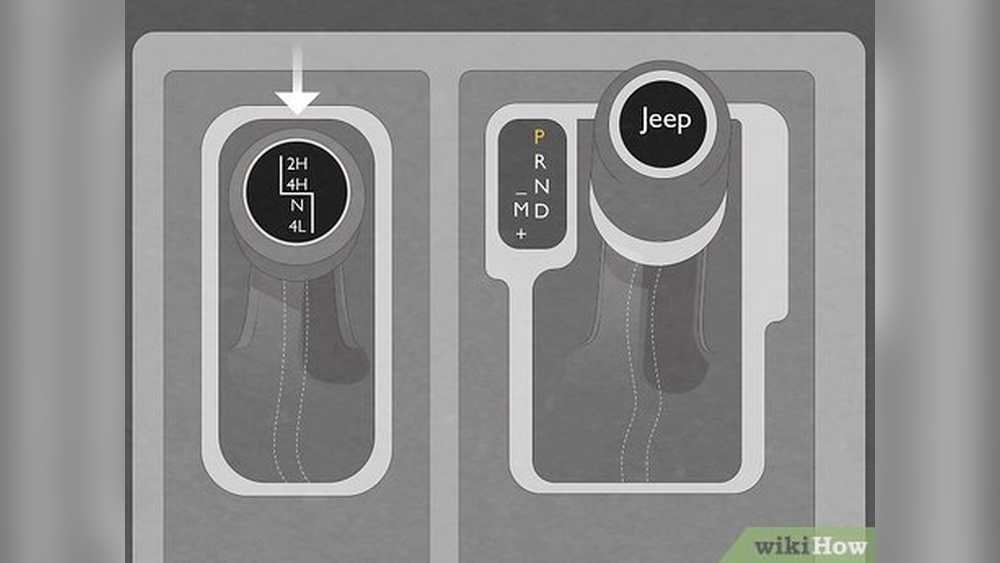
Most Jeep Wranglers have a part-time 4WD system with four drive modes. Each mode is designed for different conditions. Before you change anything, it’s important to know what each mode does.
1. 2h (two High)
2H is the default mode for normal driving on dry, paved roads. In this mode, only the rear wheels receive power. This saves fuel and reduces wear on your Jeep.
When to use 2H:
- Everyday driving
- Highways and city roads
- Dry, hard surfaces
2. 4h (four High)
4H sends power to all four wheels. This gives better traction for slippery or loose conditions but still lets you drive at higher speeds. It’s perfect for snow, sand, or gravel.
When to use 4H:
- Light off-roading
- Snowy or icy roads
- Rain-soaked or muddy streets
Tip: Only use 4H when you need extra grip. Using it on dry pavement can strain your drivetrain.
3. N (neutral)
N disconnects the transmission from the wheels. The Jeep won’t move under its own power, but the wheels can spin freely. This is used mainly for towing.
When to use N:
- Flat towing (pulling your Jeep behind another vehicle)
- Not for driving
4. 4l (four Low)
4L gives maximum torque to all four wheels at low speeds. This is for tough, slow situations like deep mud, steep hills, or crawling over rocks.
When to use 4L:
- Serious off-roading
- Deep snow, sand, or mud
- Climbing or descending steep hills
Warning: Never use 4L for normal driving. It’s only for low-speed, high-power situations.
Why Knowing The Right Mode Matters
Choosing the correct 4WD mode keeps your Jeep Wrangler safe and running well. Using the wrong mode can damage parts, lower fuel economy, and even make you lose control.
Let’s compare the main modes:
| Mode | Best For | Max Speed | Can Use on Pavement? |
|---|---|---|---|
| 2H | Everyday driving | Up to 120 mph | Yes |
| 4H | Loose/slippery roads | Up to 55 mph | Not recommended |
| N | Towing | 0 mph (not for driving) | No |
| 4L | Serious off-road | Up to 25 mph | No |
Non-obvious insight: Many new Jeep owners don’t realize that using 4H or 4L on dry pavement can cause “driveline binding,” which feels like the Jeep is fighting you when you turn. This can damage your transfer case or axles.
How To Put Your Jeep Wrangler Into 4 Wheel Drive
Switching modes is easy, but you need to do it the right way to avoid problems. The steps below work for most Wrangler models from 2007 and newer (JK, JL, and Gladiator). Older Wranglers (TJ, YJ) have similar steps, but always check your owner’s manual.
Step 1: Identify Your Transfer Case Shifter
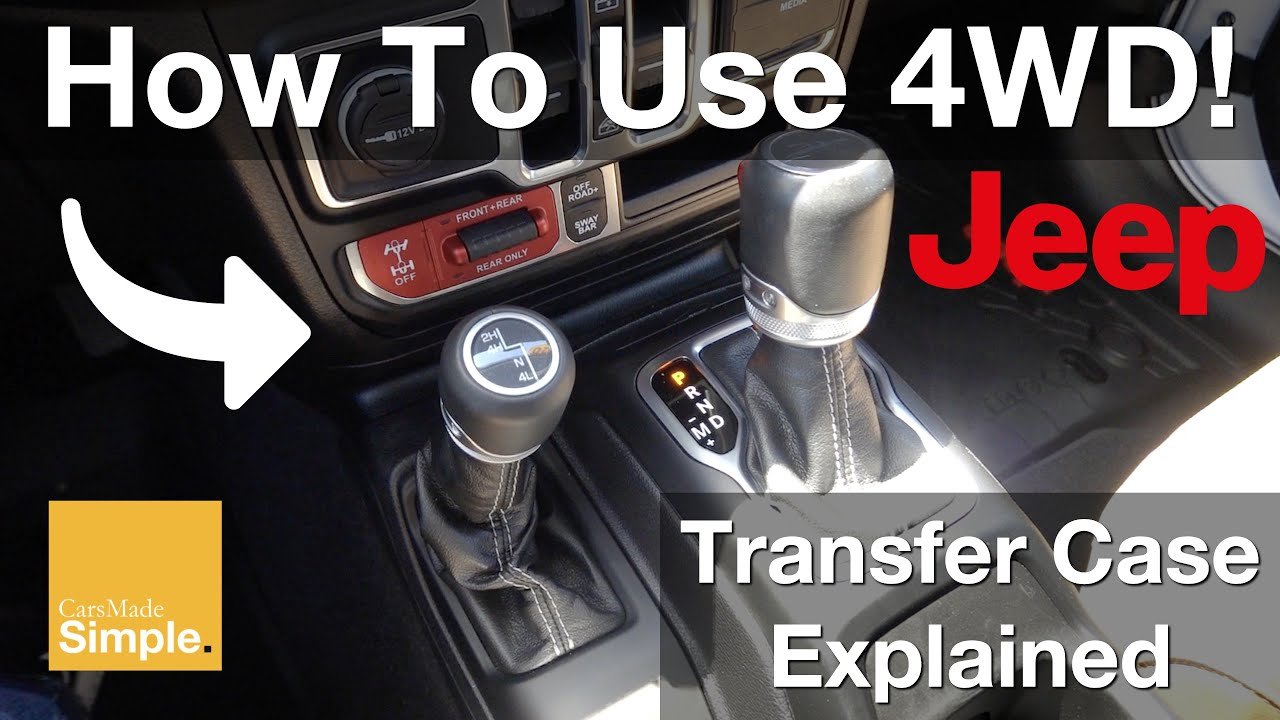
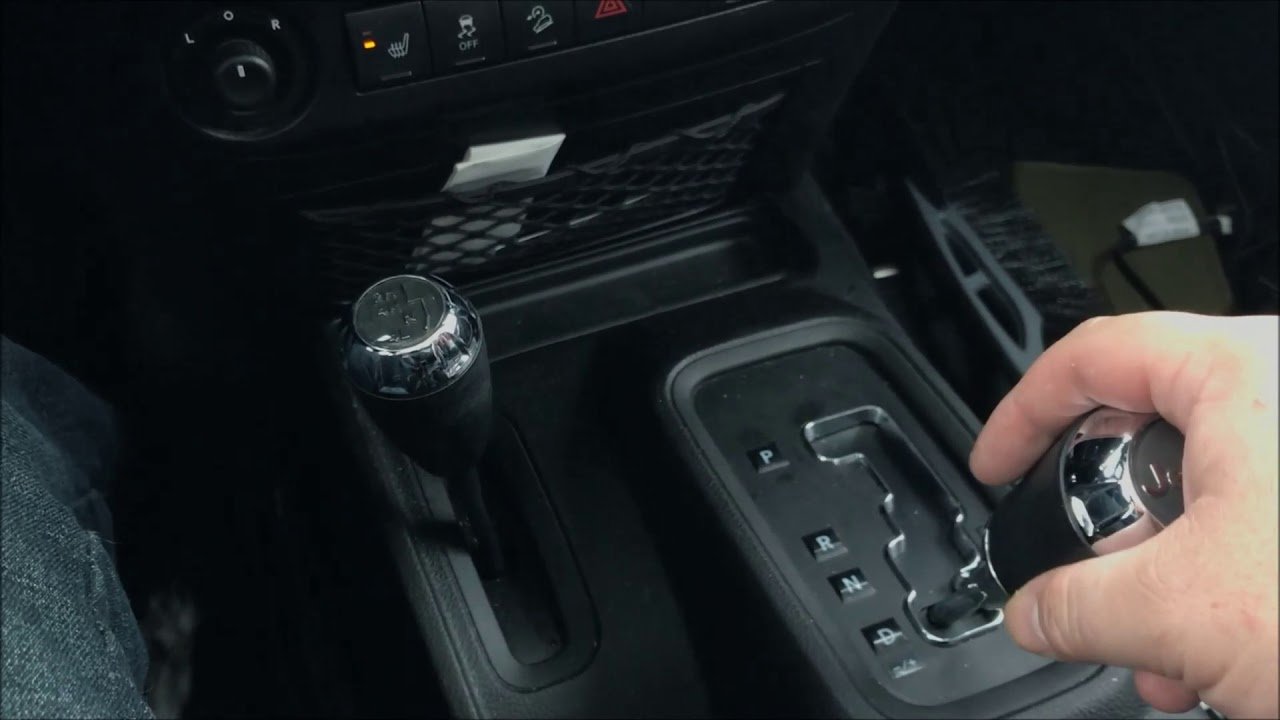
Look for the transfer case shifter. It’s usually beside the main gear shifter and marked with 2H, 4H, N, and 4L.
Some newer models have a knob or electronic switch instead of a lever.
Step 2: Switching From 2h To 4h
This is the most common switch, used when you hit snow, mud, or sand.
How to do it:
- Slow down to under 45 mph.
- Keep the transmission in Drive (automatic) or gear/neutral (manual).
- Firmly pull the transfer case lever straight back from 2H to 4H (or use the switch).
- You’ll feel a slight click or change in the Jeep’s behavior.
- The 4WD light will show on your dashboard.
Note: You can shift “on the fly” between 2H and 4H while moving, as long as you’re going under 45 mph.
Pro tip: If the lever feels stuck, gently roll the Jeep forward or backward a few feet, then try again.
Step 3: Switching From 4h To 4l
4L is for the toughest situations. You need to stop or nearly stop to use it.
How to do it:
- Bring your Jeep to a full stop or move very slowly (1-3 mph).
- Put the main transmission in Neutral (N).
- Firmly pull the transfer case lever from 4H to 4L (or turn the switch).
- Wait for the 4L indicator light on the dashboard.
- Put the transmission back in Drive or your gear, then move forward.
Important: Never shift into 4L at high speed. Always stop first.
Beginner’s mistake: Some drivers forget to put the transmission in Neutral before shifting to 4L. If it grinds or won’t move, stop, put it in Neutral, then try again.
Step 4: Returning To 2h
When you’re back on regular roads, switch back to 2H to save gas and avoid damage.
- Slow down to under 45 mph.
- Move the transfer case lever from 4H to 2H while driving straight.
- The 4WD light should turn off.
If you were in 4L, stop, put the transmission in Neutral, move the lever to 4H, then shift to 2H.
Non-obvious insight: Some Wranglers may take a few feet of driving for the 4WD light to turn off after switching to 2H. This is normal.
Example Scenarios: When To Use Each Mode
Winter commute: Roads are icy. Put your Wrangler into 4H before leaving your driveway. When you reach dry pavement, switch back to 2H.
Beach trip: Deep sand ahead. Shift into 4H as you approach. If you start to bog down, stop and switch to 4L for more power.
Rocky trail: Steep climb with big rocks. Stop, shift to Neutral, then into 4L. Crawl up slowly and safely.
Common Mistakes And How To Avoid Them
- Forgetting to slow down before shifting: Always reduce speed before shifting modes. For 4L, you must be stopped.
- Using 4WD on dry roads: This can wear out your tires and stress the drivetrain.
- Not using Neutral for 4L/N: The gears may grind if you don’t shift the main transmission to Neutral.
- Ignoring the dashboard lights: If the 4WD light blinks or stays on, something may be wrong. Check your manual.
- Flat towing in the wrong mode: Only use Neutral (N) with the transmission in Park (automatic) or in gear (manual) for flat towing.
Practical Tips For New Jeep Wrangler Owners
- Always read your owner’s manual for your specific model.
- Practice shifting in a safe, open space before you need it for real.
- Listen for grinding or resistance, never force the shifter.
- If stuck, back up a few feet, then try shifting again.
- Have your transfer case fluid checked every 30,000 miles.
- Learn the difference between full-time 4WD (found on some Sahara models) and part-time systems, full-time can be used on any surface.
Maintenance And Costs
Switching 4WD modes correctly means fewer repairs. Still, regular checks are important.
- Transfer case fluid change: $100, $200 at a shop.
- Transfer case repair (if damaged): $800, $1500+.
- Most new Jeeps include 4WD in the standard price, but repairs aren’t always covered by warranty if you misuse the system.
Pro tip: Engaging 4WD once a month, even on dry roads for a short time (make wide, gentle turns), can keep the system lubricated.
Comparing Jeep Wrangler 4wd To Other Suvs
Not all 4WD systems work the same. Here’s a quick look at how Jeep Wrangler compares to other popular off-road vehicles:
| Vehicle | 4WD System | Best For | User Control |
|---|---|---|---|
| Jeep Wrangler | Part-time manual | Off-road, snow, mud | High (driver selects mode) |
| Toyota 4Runner | Part-time/electronic | Off-road, family trips | Medium (switch/knob) |
| Subaru Outback | Full-time AWD | All-weather, light off-road | Low (automatic system) |
| Ford Bronco | Part-time/manual | Serious off-road | High (driver selects mode) |
Wrangler gives you more control over your 4WD system, which is great for off-roading but requires you to know when and how to use each mode.

Jeep Wrangler 4wd: Pros And Cons
Pros:
- Excellent off-road performance
- Driver chooses the mode for any situation
- Reliable in tough conditions
Cons:
- Not as simple as automatic AWD
- Wrong use can cause damage
- Takes practice to master
Where To Learn More
For more technical details and model-specific guides, see the official Jeep Wrangler page.
Frequently Asked Questions
<!– wp:rank-math/faq-block {"questions":[{"id":"faq-question-0b639b48552c","title":"How Do I Know If My Jeep Is In 4 Wheel Drive?","content":"Check your dashboard for a 4WD indicator light. You’ll also feel extra grip or a change in how the Jeep handles, especially on slippery roads.
“,”visible”:true},{“id”:”faq-question-7f03f4d8bb1c”,”title”:”Can I Shift Into 4h While Driving?”,”content”:”Yes, you can shift from 2H to 4H while moving under 45 mph. Make sure the wheels are pointed straight and don’t force the lever.
“,”visible”:true},{“id”:”faq-question-a18d6eaec490″,”title”:”What Happens If I Use 4wd On Dry Pavement?”,”content”:”Using 4H or 4L on dry roads can cause driveline binding. This puts stress on the drivetrain and can lead to expensive repairs.
“,”visible”:true},{“id”:”faq-question-efb8febb99c5″,”title”:”How Often Should I Use 4 Wheel Drive?”,”content”:”Use it whenever you need extra traction snow, mud, sand, or off-road. Engage 4WD at least once a month to keep the system working well.
“,”visible”:true},{“id”:”faq-question-d430f63c91f6″,”title”:”Is 4l Safe For Highway Driving?”,”content”:”No. 4L is only for slow, difficult terrain like rocks or deep mud. Never use it on highways or regular streets.
Switching your Jeep Wrangler into 4 wheel drive is simple once you know how. Practice in a safe place, use the right mode for the right road, and your Jeep will handle almost any adventure you find.
“,”visible”:true}]} –>How Do I Know If My Jeep Is In 4 Wheel Drive?
Check your dashboard for a 4WD indicator light. You’ll also feel extra grip or a change in how the Jeep handles, especially on slippery roads.
Can I Shift Into 4h While Driving?
Yes, you can shift from 2H to 4H while moving under 45 mph. Make sure the wheels are pointed straight and don’t force the lever.
What Happens If I Use 4wd On Dry Pavement?
Using 4H or 4L on dry roads can cause driveline binding. This puts stress on the drivetrain and can lead to expensive repairs.
How Often Should I Use 4 Wheel Drive?
Use it whenever you need extra traction snow, mud, sand, or off-road. Engage 4WD at least once a month to keep the system working well.
Is 4l Safe For Highway Driving?
No. 4L is only for slow, difficult terrain like rocks or deep mud. Never use it on highways or regular streets.
Switching your Jeep Wrangler into 4 wheel drive is simple once you know how. Practice in a safe place, use the right mode for the right road, and your Jeep will handle almost any adventure you find.