If you’re thinking about getting a Jeep Grand Cherokee, you probably want to know one thing: how long will it last? You want a vehicle that won’t let you down after a few years or a certain number of miles.
Whether you’re planning daily drives, weekend adventures, or towing heavy loads, knowing the lifespan of a Jeep Grand Cherokee can help you make a smart choice.
You’ll discover what factors affect its longevity, common issues to watch out for, and tips to keep your Jeep running strong for years to come.
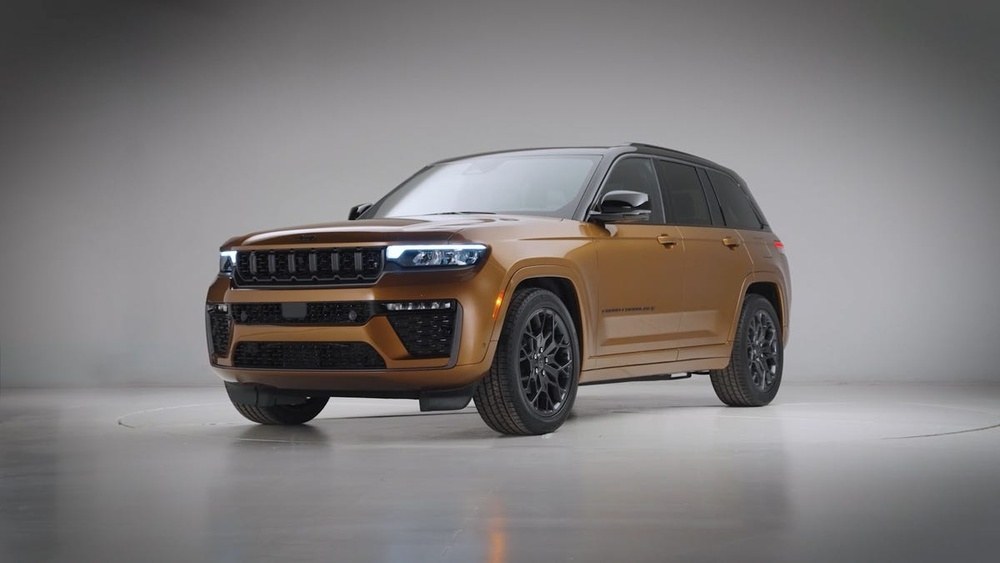
Keep reading to find out if the Grand Cherokee is the right SUV for you and how to get the most miles out of your investment.
Jeep Grand Cherokee Lifespan
The Jeep Grand Cherokee is a popular SUV known for its rugged design and off-road abilities. Many drivers wonder how long this vehicle can last. Its lifespan depends on several factors like maintenance, driving habits, and the specific model year.
A well-maintained Jeep Grand Cherokee can provide reliable service for many years. Understanding its average mileage, key milestones, and best years helps buyers make smart decisions. This section breaks down the Jeep Grand Cherokee lifespan in clear terms.
Average Mileage Expectancy
Most Jeep Grand Cherokees last between 200,000 and 250,000 miles. Some owners report reaching over 300,000 miles with proper care. Regular oil changes, fluid checks, and timely repairs extend the vehicle’s life. Harsh driving or towing heavy loads may reduce longevity. Routine maintenance is important for hitting high mileage numbers.
Mileage Milestones To Know
At 100,000 miles, key components like brakes and tires often need replacement. Around 150,000 miles, look for signs of suspension wear and potential transmission issues. By 200,000 miles, engines may require major repairs or rebuilds. Keeping records of repairs and service history helps track these milestones. Early attention to small problems prevents costly breakdowns later.
Years That Hold Up Best
Models from 2011 to 2018 generally show better reliability. These years received updates improving engine and transmission durability. Avoid certain early 2000s models due to common issues with electronics and suspension. Newer models tend to have advanced safety features and improved fuel efficiency. Choosing the right year can save money on repairs and increase vehicle life.
Factors Affecting Durability
The lifespan of a Jeep Grand Cherokee depends on several key factors. These elements influence how long the vehicle stays reliable and performs well. Understanding these can help owners keep their Jeep running longer.
Durability is not just about the build quality. It also depends on how the Jeep is cared for and used over time. The right maintenance and driving habits make a big difference.
Role Of Regular Maintenance
Regular maintenance extends the life of a Jeep Grand Cherokee. Oil changes keep the engine clean and running smoothly. Checking and replacing fluids prevents overheating and wear. Brake inspections ensure safety and prevent damage. Timing belt replacements avoid costly engine repairs. Skipping maintenance leads to faster breakdowns and costly fixes.
Impact Of Driving Habits
How a Jeep is driven affects its durability. Smooth acceleration and braking reduce stress on parts. Avoiding harsh driving keeps the suspension and brakes healthy. Short trips can cause engine buildup and wear. Long, steady drives are better for health. Aggressive driving shortens the vehicle’s lifespan.
Effects Of Towing And Off-road Use
Towing heavy loads puts extra strain on the engine and transmission. It can cause faster wear of brakes and suspension. Off-road use challenges the Jeep’s undercarriage and tires. Mud, rocks, and rough terrain increase damage risks. Careful use and post-ride inspections help prevent serious damage. Frequent towing and off-roading require more frequent maintenance checks.

Common Issues By Model Year
The Jeep Grand Cherokee is a popular SUV known for its ruggedness and style. Over the years, certain model years have shown common issues. These problems affect the vehicle’s lifespan and reliability. Understanding these issues helps buyers make informed decisions. Below are the frequent problems by model year, focusing on key systems of the Grand Cherokee.
Transmission Problems
Some Jeep Grand Cherokee models, especially from the early 2010s, face transmission issues. Rough shifting and delayed engagement are common complaints. The transmission may slip or hesitate during acceleration. These problems often appear after 60,000 miles. Regular transmission fluid changes can reduce the risk. Ignoring these signs can lead to costly repairs or replacements.
Electrical System Failures
Electrical faults are frequent in certain Grand Cherokee years like 2011 to 2013. Problems include malfunctioning dashboard lights, faulty sensors, and power window failures. The complex wiring can cause random glitches. Battery drain issues are also reported. These electrical problems affect the vehicle’s functionality and comfort. Diagnosing early prevents further damage to other systems.
Suspension And Brake Wear
The suspension system often wears out faster on older Grand Cherokees. Models from 2005 to 2010 show worn shocks and struts. This results in a rough ride and poor handling. Brake components like pads and rotors also wear prematurely. Off-road use accelerates this wear. Regular inspections and timely replacements keep the ride smooth and safe.
Oil Leaks And Engine Concerns
Oil leaks are a common engine problem in Grand Cherokees from 2008 to 2012. These leaks often come from valve cover gaskets and oil pans. Engine overheating and rough idling are reported in some models. Neglecting oil leaks can cause engine damage. Frequent oil checks and maintenance help maintain engine health and extend vehicle life.
Signs Of Wear And Tear
Signs of wear and tear show how much life your Jeep Grand Cherokee has left. These signs help you know when to act. Early detection stops small problems from growing. Watch your vehicle closely for any changes. This keeps your Jeep safe and reliable for longer.
Warning Lights And Symptoms
Warning lights on the dashboard signal trouble. The check engine light is the most common alert. It can mean many issues, from minor to serious. Pay attention to brake and oil pressure lights. Strange noises, smells, or smoke also warn you. These symptoms need quick inspection to avoid bigger damage.
Performance Changes To Watch
Notice if your Jeep feels different to drive. Slow acceleration or rough idling shows engine problems. Strange vibrations or pulling to one side suggest suspension or alignment issues. Reduced fuel efficiency can mean clogged filters or worn parts. Sudden shifts or slipping in the transmission need fast checks. These changes reduce your Jeep’s lifespan.
When To Inspect Key Components
Regular inspection keeps your Jeep Grand Cherokee running well. Check brakes every 10,000 miles or yearly. Inspect tires for uneven wear and damage. Look over suspension parts if the ride feels bumpy. Change fluids like oil and coolant on time. Don’t forget battery and electrical systems. Early checks help catch issues before they worsen.
Maximizing Jeep Longevity
Maximizing the life of a Jeep Grand Cherokee takes care and attention. Regular care helps avoid costly repairs and keeps the vehicle running smoothly. Proper maintenance preserves performance and safety over the years. Simple steps can make a big difference in Jeep longevity.
Routine Maintenance Tips
Change the oil and filter at recommended intervals. Check fluid levels often, including coolant and brake fluid. Inspect brakes and tires for wear regularly. Replace air and cabin filters to keep the engine clean. Rotate tires to ensure even wear. Follow the manufacturer’s service schedule strictly. Early detection of problems saves time and money.
Choosing Quality Replacement Parts
Use OEM parts or trusted aftermarket brands only. Avoid cheap parts that wear out quickly. Quality parts fit better and last longer. They help maintain vehicle reliability and safety. Keep receipts and records of parts used. This helps track repairs and supports warranty claims. Proper parts reduce the risk of breakdowns.
Preventive Measures For Common Failures
Inspect the suspension and steering system often. Replace worn bushings and shocks before failure. Watch for leaks in the cooling and transmission systems. Address electrical issues promptly to avoid bigger problems. Keep the battery terminals clean and secure. Monitor the exhaust system for rust or damage. Preventive care cuts downtime and repair costs.
Buying A Used Grand Cherokee
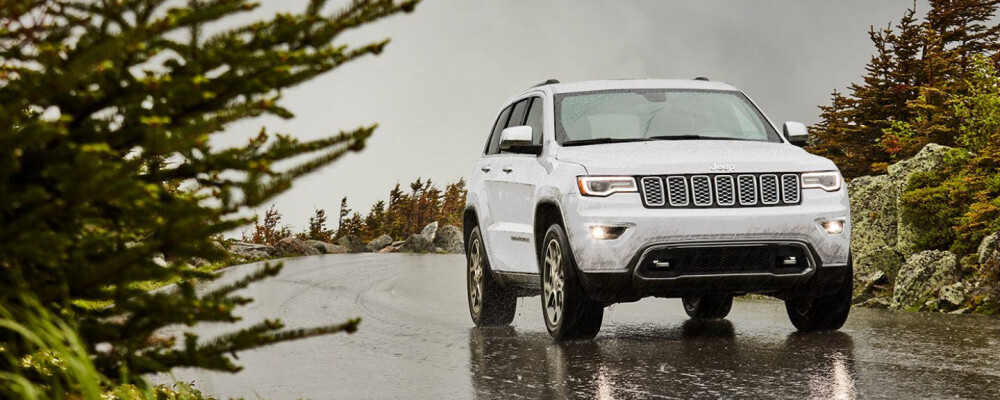
Buying a used Jeep Grand Cherokee can be a smart choice. It offers strong performance and a rugged style. But understanding its history is key. A well-maintained model can last for many miles. Checking details before buying helps avoid costly repairs later.
Knowing what to look for makes the process easier. Start with the vehicle’s past. Look at maintenance records and common issues. Some model years may have more problems than others. This guide helps you find a reliable used Grand Cherokee.
How To Check Vehicle History
Always start by checking the vehicle history report. Use trusted services like Carfax or AutoCheck. These reports show accidents, title status, and previous owners. Look for any major damage or flood history. Also, check for odometer fraud or theft records.
Vehicle history reveals if the Jeep was in an accident. It shows if the title is clean or salvage. Avoid cars with a history of major damage or rebuilt titles. This step saves money and stress in the long run.
What Service Records Reveal
Service records show how the Jeep was cared for. Regular oil changes and maintenance extend the vehicle’s life. Look for records of fluid changes, brake service, and tire rotations. These indicate proper upkeep.
Service history also shows if major repairs were done. Check for transmission or engine work. A Grand Cherokee with good service records is less likely to have hidden problems. Ask the seller for detailed maintenance logs.
Years And Models To Avoid
Certain Grand Cherokee years have more reported issues. Models from 2011 to 2013 often show transmission problems. The 2014 model had some electrical glitches. Early 2000s models may suffer from suspension wear.
Avoid these years if you want fewer repairs. Instead, target model years after 2015. These have improved reliability and newer technology. Research specific trims and engine types for better choices.
Real Owner Experiences
Real owner experiences offer valuable insight into the Jeep Grand Cherokee’s lifespan. They reveal the true durability and challenges faced by everyday drivers. These stories help potential buyers understand what to expect from their vehicle over time.
Many Jeep owners share their journeys online, highlighting both high mileage achievements and common issues. Their feedback guides maintenance practices and sets realistic expectations.
High Mileage Success Stories
Several Jeep Grand Cherokee owners report crossing 200,000 miles with proper care. Regular oil changes and timely repairs play a big role. Some vehicles even reach 300,000 miles, proving their strong build.
Owners often praise the engine and drivetrain for lasting long under tough conditions. Off-road use may increase wear, but many still achieve impressive mileage. These success stories inspire confidence in the model’s longevity.
Common Complaints And Fixes
Transmission issues are frequent complaints, especially in older models. Rough shifting or slipping may occur but can improve with fluid changes or repairs. Electrical problems also appear, like faulty sensors or wiring faults.
Suspension parts wear out faster when used for off-roading or towing. Brake components often need replacement around 70,000 to 100,000 miles. Many owners solve these problems with regular inspections and timely fixes.
Community Advice And Tips
Jeep communities stress the importance of consistent maintenance. Changing fluids, checking brakes, and inspecting suspension parts keeps the vehicle running smoothly. Using OEM parts for repairs ensures better fit and durability.
Owners recommend avoiding extended idling and heavy towing to reduce strain. They suggest addressing small issues quickly to prevent costly repairs. Sharing experiences helps others make informed decisions and extend their Jeep’s life.
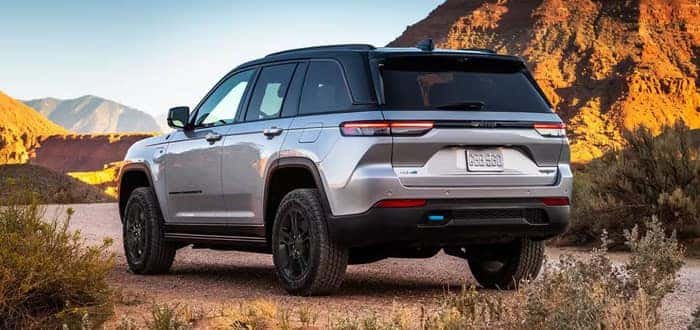
Jeep Grand Cherokees typically last between 150,000 to 200,000 miles with proper maintenance. Regular oil changes and fluid flushes extend their lifespan.
nnnnUsage like towing or off-roading may reduce longevity due to added wear. Checking vehicle history helps assess a used model’s condition.
“,”visible”:true},{“id”:”faq-question-711cfe7f9b71″,”title”:”At What Mileage Do Jeeps Break Down?”,”content”:”Jeeps typically begin experiencing major issues around 150,000 to 200,000 miles. Proper maintenance can extend lifespan significantly.
“,”visible”:true},{“id”:”faq-question-d25aa18879ec”,”title”:”What Year To Stay Away From A Jeep Grand Cherokee?”,”content”:”Avoid Jeep Grand Cherokee models from 2011 to 2013 due to frequent transmission and electrical issues. These years often face costly repairs.
“,”visible”:true},{“id”:”faq-question-a81e1c6cfa7b”,”title”:”What Are The Biggest Issues With Jeep Grand Cherokees?”,”content”:”Common issues with Jeep Grand Cherokees include transmission problems, electrical faults, suspension wear, oil leaks, and brake deterioration, especially in older models.
“,”visible”:true}]} –>How Many Miles Do Jeep Grand Cherokees Usually Last?
Jeep Grand Cherokees typically last between 150,000 to 200,000 miles with proper maintenance. Regular oil changes and fluid flushes extend their lifespan.
Usage like towing or off-roading may reduce longevity due to added wear. Checking vehicle history helps assess a used model’s condition.
At What Mileage Do Jeeps Break Down?
Jeeps typically begin experiencing major issues around 150,000 to 200,000 miles. Proper maintenance can extend lifespan significantly.
What Year To Stay Away From A Jeep Grand Cherokee?
Avoid Jeep Grand Cherokee models from 2011 to 2013 due to frequent transmission and electrical issues. These years often face costly repairs.
What Are The Biggest Issues With Jeep Grand Cherokees?
Common issues with Jeep Grand Cherokees include transmission problems, electrical faults, suspension wear, oil leaks, and brake deterioration, especially in older models.
Conclusion
A Jeep Grand Cherokee can last well over 200,000 miles. Regular maintenance plays a key role in its longevity.
Using quality parts and fluids helps prevent early wear. Driving habits also affect how long it runs smoothly.
Knowing common issues lets you spot problems early.
Checking a used Jeep's history is always wise. With care, this SUV offers reliable service for many years.
It remains a solid choice for those needing durability and comfort.