Putting your Jeep on jack stands is a basic skill that every owner should learn. Whether you’re changing your oil, rotating tires, or inspecting the suspension, knowing how to do this safely can save time, money, and even prevent injury.
Many new Jeep owners feel nervous about lifting such a heavy vehicle, but with the right steps and a bit of caution, it’s straightforward.
In this guide, you’ll learn how to put a Jeep on jack stands safely, what tools you need, and some tips that most beginners miss.

Why Use Jack Stands Instead Of A Jack Alone?
A hydraulic jack lifts your Jeep, but it’s not designed to hold the weight for a long time. Jack stands offer stable support, reducing the risk of the vehicle falling. According to the National Highway Traffic Safety Administration, over 4,000 people are injured each year by vehicles falling off jacks in the US. This shows why using stands is critical for safety.
Tools And Equipment Needed
Before you start, gather these items:
- Hydraulic floor jack (rated for at least 3 tons for most Jeeps)
- Jack stands (also rated for your vehicle’s weight)
- Wheel chocks to prevent rolling
- Gloves for hand protection
- Flashlight for better visibility
- Owner’s manual for reference
Check the weight rating on your jack and stands. For example, a Jeep Wrangler can weigh between 3,900 and 5,100 pounds, so always choose stands rated above your vehicle’s weight.
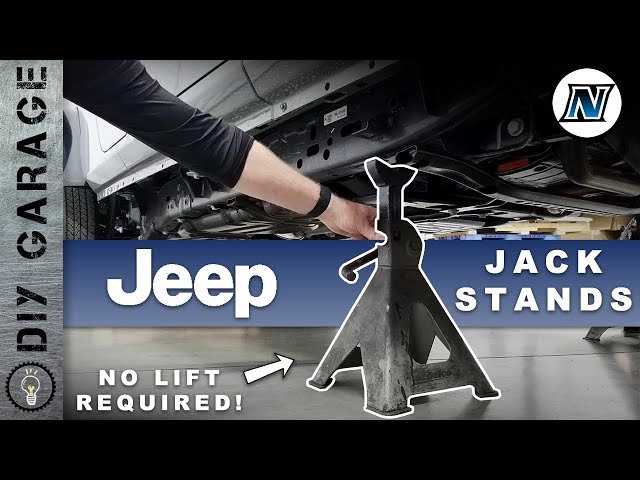
Step-by-step: How To Put A Jeep On Jack Stands
1. Park On Level Ground
Always park your Jeep on a flat, hard surface. Concrete driveways or garages work best. Never use jack stands on gravel, grass, or slopes, as they can shift.
2. Engage The Parking Brake And Use Wheel Chocks
Set the parking brake firmly. Place wheel chocks behind the tires that will remain on the ground. For example, if lifting the front, chock both rear wheels.
3. Locate Safe Jack Points
Refer to your owner’s manual to find the recommended jack points. Most Jeeps have reinforced areas behind the front wheels and in front of the rear wheels. Avoid lifting on the axle tube or suspension arms unless specified.
4. Position The Hydraulic Jack
Slide the floor jack under the chosen jack point. Ensure the saddle is centered.
Raise the jack slowly until the tire leaves the ground. Never crawl under the vehicle at this stage.
5. Place The Jack Stands
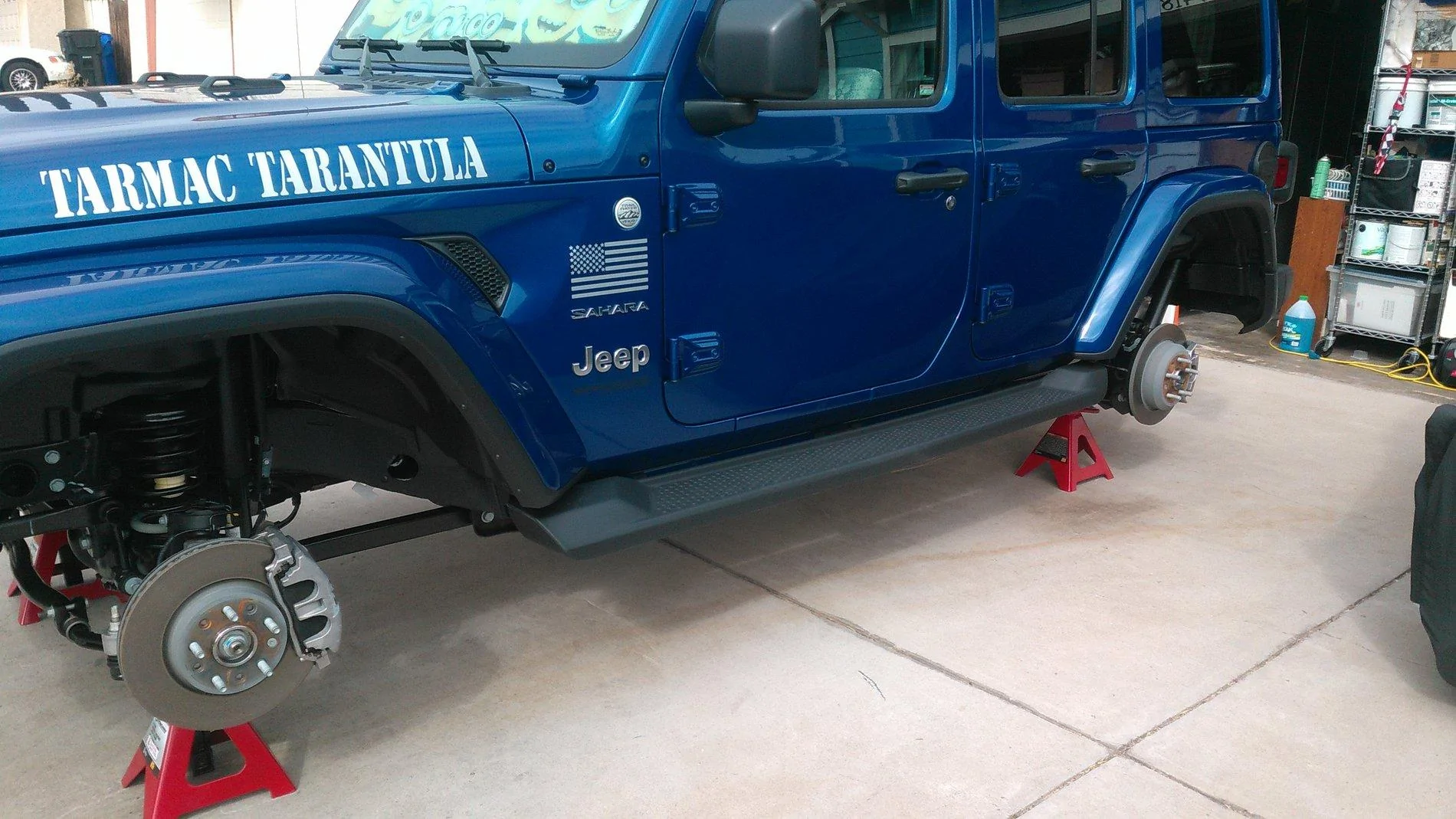
Position the jack stands under the factory lift points or frame rails. Adjust the height so both stands are equal. Lower the Jeep gently onto the stands by slowly releasing the jack. The vehicle should rest securely on both stands.
6. Test Stability
With the Jeep on the stands, give the vehicle a gentle push at the corners. The stands shouldn’t wobble or move. If anything shifts, repeat the process.
7. Repeat For Other End (if Needed)
If you need all four wheels off the ground, repeat the process for the other end. Always lift one end at a time and ensure stability before moving on.
Here’s a quick comparison of common jack points for different Jeep models:
| Jeep Model | Front Jack Point | Rear Jack Point |
|---|---|---|
| Wrangler JK | Frame rail behind front wheel | Frame rail in front of rear wheel |
| Grand Cherokee | Pinch weld under front door | Pinch weld under rear door |
| Gladiator | Frame rail just behind front tire | Frame rail just ahead of rear tire |
Tips For Safe Lifting
- Never use bricks or wood as substitutes for proper jack stands.
- Check your jack and stands for damage before each use.
- If the vehicle is unstable, lower it and start again.
- Use a flashlight to check stand placement if lighting is poor.
- Do not exceed the rated capacity of your jack or stands.
Beginners often forget to chock the wheels or choose uneven ground, both of which can lead to dangerous accidents.
Common Mistakes To Avoid
Many first-timers make these errors:
- Lifting from weak points: Always use the reinforced areas. Lifting from the wrong spot can damage the frame or even cause the Jeep to fall.
- Using the jack alone: Hydraulic jacks can fail or leak, causing the vehicle to drop suddenly.
- Rushing the process: Take your time, especially when lowering the vehicle onto the stands.
Here’s a quick look at the pros and cons of different lifting equipment:
| Equipment | Pros | Cons |
|---|---|---|
| Hydraulic Floor Jack | Fast, easy to use | Not safe for long-term support |
| Bottle Jack | Compact, high lift | Less stable, not for uneven ground |
| Jack Stands | Very stable, safe | Must be used with a jack |
After The Job: Removing The Jeep From Jack Stands
When your work is done, reverse the process:
- Raise the Jeep slightly with the jack to lift it off the stands.
- Remove the stands carefully.
- Lower the vehicle slowly to the ground.
- Remove the wheel chocks and release the parking brake.
A final tip: after lowering your Jeep, roll it a few feet and check for any new noises or issues. This helps catch any problems caused during maintenance.
For more details on safe lifting procedures, see the NHTSA’s official guide.

Frequently Asked Questions
How High Should I Lift My Jeep With Jack Stands?
Lift your Jeep just high enough so the tires clear the ground. For most maintenance jobs, 6-12 inches off the ground is enough. Avoid lifting higher than needed for better stability.
Can I Use Jack Stands On A Lifted Jeep?
Yes, but make sure your jack stands have enough height range for your lifted Jeep. Some standard stands may not reach the frame on vehicles with suspension lifts.
Where Should I Never Place A Jack Stand Under A Jeep?
Never place stands under axle tubes, control arms, or the exhaust unless your manual says it’s safe. Only use the frame or factory-approved points.
Is It Safe To Work Under A Jeep On Jack Stands?
If you use quality stands on a solid, level surface and follow proper steps, it is safe. Never work under a Jeep supported only by a jack.
What Weight Rating Should My Jack Stands Have?
Choose jack stands with a weight rating higher than your Jeep’s curb weight. For most Jeeps, 3-ton stands are a safe choice.
Putting a Jeep on jack stands is a straightforward task if you follow these steps and respect the importance of safety. With the right tools and careful attention, you can confidently maintain your Jeep and avoid the common mistakes that catch new owners by surprise.