Getting ready to add a hitch to your Jeep? This upgrade is popular for drivers who want to tow trailers, bike racks, or cargo carriers.
While it might seem like a big job, installing a hitch is a project most owners can handle themselves with a bit of patience and the right tools.
This guide will take you step by step through the process, highlight what to watch out for, and help you avoid common mistakes.
Why Add A Hitch To Your Jeep?
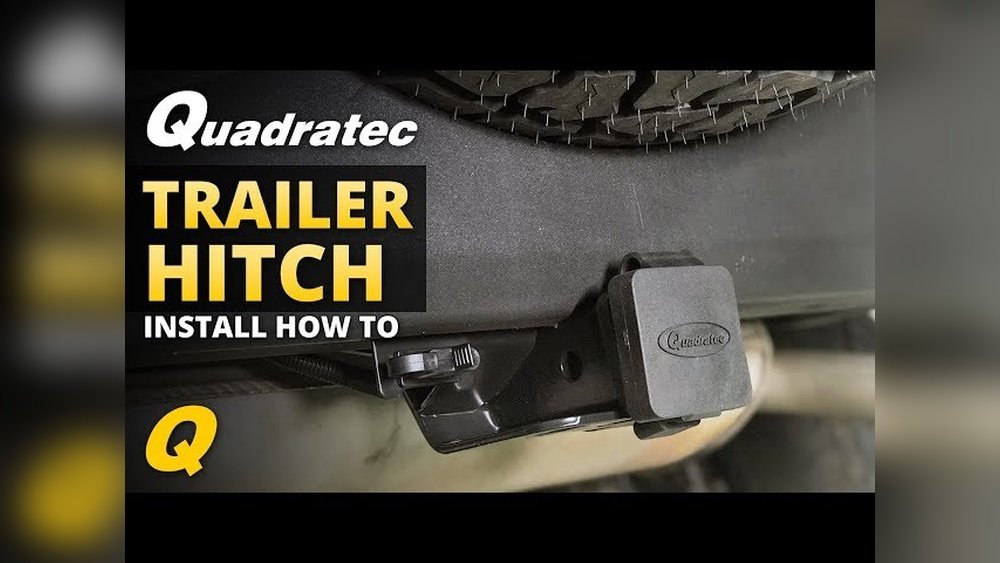
A trailer hitch transforms your Jeep into a more versatile vehicle. Whether you need to tow a small camper, haul bikes, or move heavy equipment, a hitch opens up new possibilities. Many Jeep models don’t come with a hitch from the factory, so aftermarket installation is common.
Some benefits of adding a hitch include:
- Increased towing capacity
- Flexible cargo options
- Higher resale value
Before you begin, make sure you know your Jeep’s towing limits. Overloading can damage your vehicle and create safety risks.
What You’ll Need
Before starting, gather all the necessary tools and parts. Here’s a simple checklist to make things easier:
- Hitch receiver kit (choose one for your Jeep model/year)
- Socket wrench set (usually ¾” or 18mm sockets)
- Torque wrench
- Safety glasses and gloves
- Jack and jack stands (if you need more space under the vehicle)
- WD-40 or penetrating oil
- Measuring tape
For most Jeep Wranglers, Cherokees, and Grand Cherokees, the installation process is similar. However, always check the instructions for your hitch kit.
Choosing The Right Hitch
There are several types of hitches, but for most Jeeps, a Class III receiver hitch is the best fit. It offers a good balance of strength and compatibility with popular accessories.
Here’s how the main hitch classes compare:
| Hitch Class | Towing Capacity | Best For |
|---|---|---|
| Class I | Up to 2,000 lbs | Small trailers, bikes |
| Class II | Up to 3,500 lbs | Light loads |
| Class III | Up to 6,000 lbs | Campers, boats, cargo |
| Class IV | Up to 10,000 lbs | Heavy-duty towing |
Most Jeep owners find Class III is plenty for their needs. Always check your Jeep’s manual for the actual towing limit.
Step-by-step Installation Guide
Ready to get started? Follow these steps for a safe, secure hitch install.
1. Prepare Your Jeep
Park your Jeep on a flat surface. Put on the parking brake and, for extra safety, use wheel chocks.
If you need extra room, raise the rear of your Jeep with a jack and support it with jack stands.
2. Remove Any Obstructions
If your Jeep has a factory tow hook or underbody panel in the way, remove these first. Most are held in place by bolts.
Spray any rusty bolts with WD-40 and let it soak for easier removal.
3. Line Up The Hitch
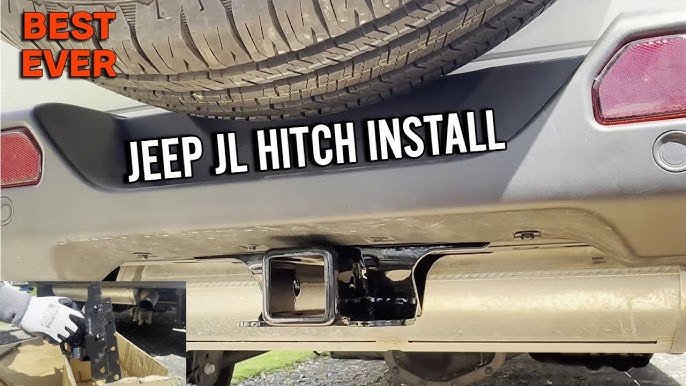
Hold the hitch receiver up to the frame. The bolt holes in the hitch should line up with pre-drilled holes in the Jeep’s frame.
If you’re working alone, use a box or a helper to hold the hitch in place.
4. Insert And Tighten Bolts
Hand-thread all bolts through the hitch and into the frame. Don’t fully tighten yet this lets you adjust the hitch’s position.
Once all bolts are in, use the socket wrench to snug them up, but don’t over-tighten.
5. Torque To Specification
Using your torque wrench, tighten each bolt to the manufacturer’s specified torque. This is important for safety.
Under- or over-tightening can cause the hitch to loosen over time.
6. Double-check Everything
Give the hitch a strong shake. It should feel completely solid with no movement.
Reinstall any parts you removed, like the underbody panel.
7. Attach Wiring (if Needed)
If you’re towing a trailer with lights, you’ll need to install a wiring harness. Some Jeeps have a plug-and-play kit that connects to the tail light wiring.
Follow the instructions that come with your wiring kit.
Common Mistakes To Avoid
Even handy people make errors when installing a hitch. Watch out for these:
- Using the wrong hitch class – Overloading a light hitch is dangerous.
- Skipping the torque wrench – Guessing can lead to loose bolts.
- Forgetting to check for wiring – Not all hitches include wiring kits.
- Blocking the spare tire – Some hitches may interfere with rear tire access.
A non-obvious tip: Some Jeep models have hidden frame plugs or rubber covers. If you can’t find the bolt holes, look for these covers near the rear bumper and remove them.
Installation Time And Difficulty
Most Jeep hitch installs take about 30–60 minutes for a beginner. If bolts are rusty or parts are hard to reach, it may take longer. Here’s a quick comparison of difficulty for different Jeep models:
| Jeep Model | Estimated Time | Extra Steps |
|---|---|---|
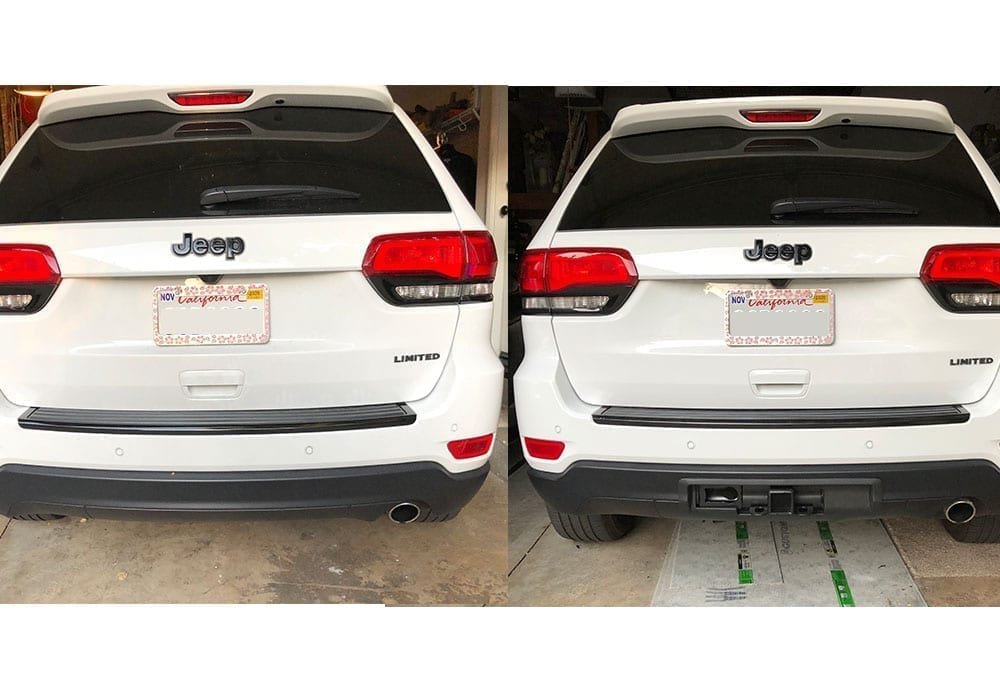
| Wrangler (JK/JL) | 30–45 minutes | Rarely any |
| Cherokee | 40–60 minutes | May remove tow hooks |
| Grand Cherokee | 45–60 minutes | Wiring often needed |
Another insight: If your Jeep is new, bolts should come out easily. On older Jeeps, rust can slow you down. Having penetrating oil ready can save a lot of time.
Safety Tips
- Always wear safety glasses to protect your eyes from dust or falling debris.
- Use a torque wrench for all bolts.
- Never work under a vehicle supported only by a jack—use jack stands.
- Double-check hitch clearance before towing anything.
For more details on safe towing and hitch classes, the National Highway Traffic Safety Administration is a reliable resource.
Frequently Asked Questions
How Much Weight Can My Jeep Tow With A Hitch?
This depends on your Jeep model and the hitch class. Most Jeeps with a Class III hitch can tow between 3,500 and 6,000 lbs. Always check your owner’s manual for the exact limit.
Do I Need To Drill Holes In My Jeep Frame?
Most modern hitch kits use existing holes in the frame. Drilling is rarely needed unless your Jeep is an older model or the holes are blocked by rust or debris.
Can I Install A Hitch By Myself?
Yes, many Jeep owners install hitches alone. However, the hitch is heavy and awkward.
Having a friend to help hold it in place makes the job much easier.
Will Installing A Hitch Void My Jeep Warranty?
No, adding a hitch from a reputable brand does not usually void your warranty. Just make sure the installation follows manufacturer guidelines.
Is Wiring Included With The Hitch Kit?
Not always. Many hitch kits are hardware only, and trailer wiring is sold separately. Check the kit description before buying.
Putting a hitch on your Jeep is a great way to add utility and value. With some basic tools, a bit of time, and careful attention to detail, you can do it yourself and be ready for your next adventure.