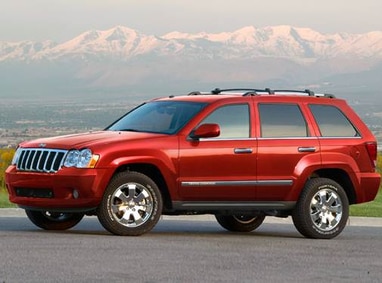
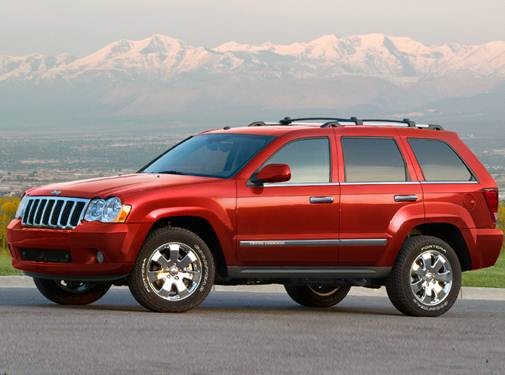
Getting your 2010 Jeep Grand Cherokee into 4WD (four-wheel drive) can make a big difference when roads get rough or slippery. Many owners are unsure of the exact steps, especially if they’re new to the vehicle or four-wheel drive systems in general. This guide will walk you through everything you need to know, from understanding your 4WD system to using it safely and avoiding common mistakes.
Understanding Your 2010 Jeep Grand Cherokee 4wd System
The 2010 Grand Cherokee comes with different 4WD options. Most models use either the Quadra-Trac I (full-time 4WD) or Quadra-Trac II (selectable 4WD). Knowing which one you have is important because the process can vary.
- Quadra-Trac I: Always in 4WD; no driver action needed.
- Quadra-Trac II: Driver selects between 2WD, 4WD, and Neutral.
You can check your owner’s manual or look for a 4WD selector lever or switch near the gear shifter.
Key Features
- 4WD Low: For deep snow, mud, or steep hills.
- 4WD High: For regular off-road driving or slippery roads.
- Neutral: Used mainly for towing; not for driving.
How To Engage 4wd In The 2010 Jeep Grand Cherokee
Follow these steps to put your Jeep in 4WD. The process is simple but must be done correctly to avoid damage.
For Quadra-trac I Models
You don’t have to do anything. The system is always working to give you the best traction. Just drive as normal.
For Quadra-trac Ii Models
- Come to a Complete Stop: Always stop before changing modes, especially if shifting into 4WD Low.
- Shift Transmission to Neutral: This step is critical for engaging 4WD Low. Forgetting this is a common mistake.
- Move the 4WD Lever or Switch:
- For 4WD High: Shift from 2WD to 4WD High at any speed below 55 mph.
- For 4WD Low: With the transmission in Neutral, push down (if required) and move the lever to 4WD Low.
- Return Transmission to Drive: Once the 4WD mode is engaged, shift back to Drive and continue.
Important Tips
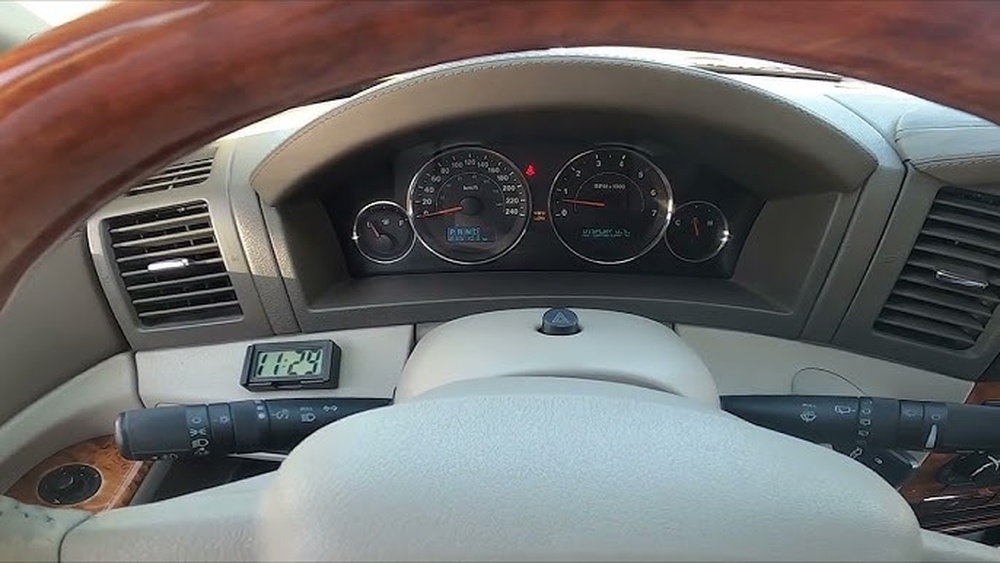
- Always check the dashboard indicator light. It should show when 4WD is active.
- If the light blinks or doesn’t turn on, repeat the steps or consult your manual.
When To Use 4wd In Your Jeep
Not every road condition needs 4WD. Using it when not needed can waste fuel and wear out parts faster.
Use 4WD High for:
- Rainy or icy roads
- Light off-roading
- Dirt or gravel paths
Use 4WD Low for:
- Deep snow or mud
- Steep hills
- Sand
Stick to 2WD on dry pavement for best fuel economy.
Common Mistakes To Avoid
New Jeep owners often make these errors:
- Shifting into 4WD Low while moving: Always stop and shift to Neutral first.
- Leaving 4WD engaged on dry roads: Can cause drivetrain wear and tire damage.
- Ignoring warning lights: Blinking or flashing lights mean something isn’t engaged properly.
- Forgetting to shift out of Neutral: This will leave you stuck.
Practical Tips For Smooth 4wd Operation
- Practice engaging and disengaging 4WD in a safe, empty parking lot before you need it on the road.
- Listen for clunks or grinding noises—these mean something isn’t right.
- On snow or mud, use gentle throttle and steering to avoid getting stuck.
Troubleshooting 4wd Issues
If your 4WD system doesn’t engage:
- Check if you followed the correct sequence.
- Look for blown fuses or warning messages on the dash.
- Try shifting into 4WD and back to 2WD a few times.
- If problems continue, get your Jeep checked by a trusted mechanic.
4wd Modes: Feature Comparison
Here’s a quick look at the main differences between 4WD High and 4WD Low.
| Mode | Speed Range | Best For | How to Engage |
|---|---|---|---|
| 4WD High | Up to 55 mph | Rain, light snow, gravel | Shift on the fly below 55 mph |
| 4WD Low | Under 25 mph | Deep snow, mud, steep hills | Stop, shift to Neutral, engage 4WD Low |
Fuel Efficiency: 2wd Vs 4wd
Switching to 4WD can impact your Jeep’s fuel economy.
| Drive Mode | Average MPG |
|---|---|
| 2WD | 17 mpg city / 22 mpg highway |
| 4WD | 15 mpg city / 20 mpg highway |
Using 4WD only when needed helps keep fuel costs down.

Quick Guide: Engaging 4wd In Different Situations
Here’s how to choose the right mode for common driving conditions.
| Condition | Recommended Mode |
|---|---|
| Dry pavement | 2WD |
| Wet/icy roads | 4WD High |
| Deep mud/snow | 4WD Low |
| Towing | Neutral |
Frequently Asked Questions
How Do I Know If My Jeep Is In 4wd?
Look for the 4WD indicator light on your dashboard. If it’s on and steady, 4WD is active. If it’s blinking, the system may not be fully engaged.
Can I Switch Between 2wd And 4wd While Driving?
You can shift between 2WD and 4WD High while moving under 55 mph. For 4WD Low, always stop and shift the transmission to Neutral first.
What Happens If I Use 4wd On Dry Pavement?
Driving in 4WD on dry pavement can cause drivetrain stress and premature tire wear. Only use 4WD when extra traction is needed.
Why Won’t My 4wd Engage?
Common reasons include not stopping before shifting, the transmission not being in Neutral, or a system error. Check your manual and try again, or have a mechanic inspect it.
Where Can I Find More Information?
Visit the official Jeep Owner’s Site for manuals, videos, and more support.
Getting comfortable with your 2010 Jeep Grand Cherokee’s 4WD system gives you the confidence to handle whatever the road throws at you. With practice and the right know-how, you’ll enjoy safer and smoother driving in all conditions.