If you own a 2005 Jeep Grand Cherokee, you probably enjoy its strong build and versatile driving abilities. One feature many drivers value is the 4WD system. This system helps your Jeep handle tough roads, snow, mud, or off-road adventures. But if you are new to this vehicle, you might wonder, “How do I put my 2005 Jeep Grand Cherokee in 4WD?” This guide will show you step-by-step, with clear instructions and practical advice.
Understanding Your 4wd System
The 2005 Jeep Grand Cherokee comes with different 4WD systems. Most models have Quadra-Trac II or Quadra-Drive II. Both systems use a transfer case to manage power between the front and rear wheels. The main modes are:
- 4WD Auto (automatic, for everyday driving)
- 4WD High (for slippery roads)
- 4WD Low (for tough off-road conditions)
Knowing which system you have is important. You can check your owner’s manual, or look for a badge near the gear shifter.
| System | Best Use | Activation Method |
|---|---|---|
| Quadra-Trac II | Snow, ice, mud | Turn dial or shift lever |
| Quadra-Drive II | Heavy off-road | Turn dial or shift lever |
Steps To Engage 4wd
Switching your Jeep into 4WD is simple, but you need to follow the steps carefully.
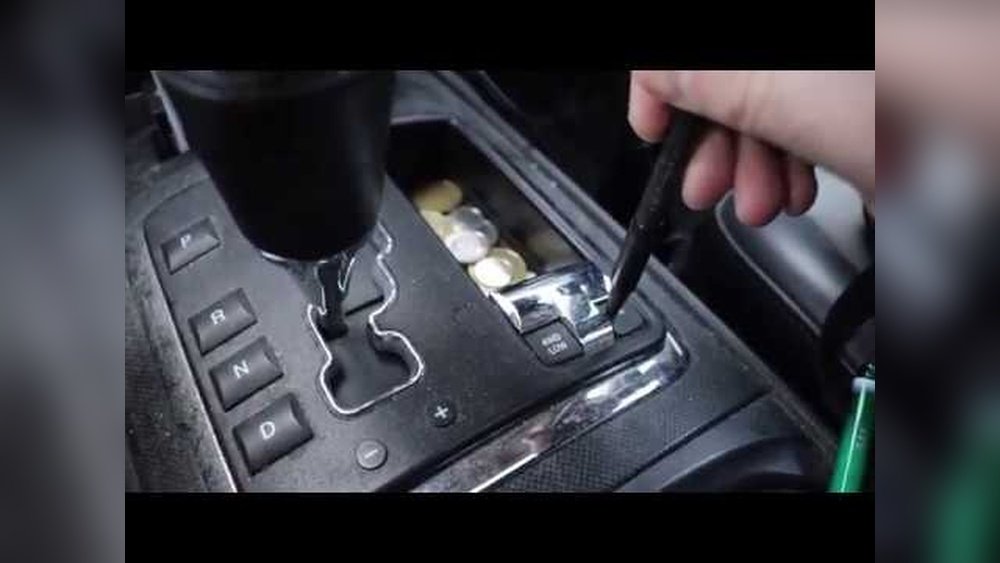
- Find the 4WD selector: In the 2005 Grand Cherokee, it’s usually a lever or dial near the gear shifter.
- Stop or slow down: For 4WD High, you can shift while driving slowly (under 55 mph). For 4WD Low, stop the vehicle completely and put the transmission in Neutral.
- Select the mode: Move the lever or turn the dial to 4WD High or 4WD Low.
- Wait for the indicator: The dashboard will show a light when the mode is active. If you don’t see it, try shifting again.
- Resume driving: You are now in 4WD. Drive carefully, especially on slippery or rough surfaces.
Example: Engaging 4wd High
Let’s say you’re on a snowy road. Slow your Jeep to below 55 mph, turn the dial to 4WD High, and check the dashboard for the light. You can keep driving.
Example: Engaging 4wd Low
If you need extra power for mud or rocks, stop the Jeep, shift to Neutral, and turn the dial to 4WD Low. Wait for the light, then shift back to Drive.

When Should You Use 4wd?
4WD is not for everyday driving. Use it when:
- Roads are slippery (snow, ice, rain)
- You’re driving off-road (dirt, sand, rocks)
- You need to pull a heavy load
Driving in 4WD on dry pavement can hurt the system. Only use it when needed.
| Condition | Recommended Mode | Notes |
|---|---|---|
| Snow/Ice | 4WD High | Better traction |
| Mud/Rocks | 4WD Low | More torque |
| Dry Pavement | 2WD/4WD Auto | Avoid using 4WD High or Low |
Common Mistakes To Avoid
Many beginners make simple errors when using 4WD:
- Shifting to 4WD Low while moving: Always stop first.
- Using 4WD on dry roads: This can cause damage.
- Ignoring dashboard lights: If the 4WD indicator doesn’t turn on, the system may not be engaged.
- Forgetting to shift back: When conditions improve, return to 2WD or 4WD Auto.

Practical Tips For Safe Use
- Practice shifting in a safe place before needing it in real conditions.
- Check tire pressure regularly. Uneven tires can affect 4WD performance.
- Listen for strange noises after shifting. If you hear grinding, stop and check.
- Keep your owner’s manual handy for quick reference.
A non-obvious insight: The 2005 Grand Cherokee’s 4WD system is designed to be user-friendly, but regular maintenance is key. Check the transfer case fluid every 30,000 miles to keep the system working smoothly.
Another tip most beginners miss: If you tow heavy loads or drive off-road often, inspect the drivetrain for wear every season.
Comparing 4wd With Other Systems
Some SUVs offer AWD (All-Wheel Drive) instead of 4WD. Here’s a quick comparison:
| Feature | 4WD | AWD |
|---|---|---|
| Best for | Off-road, tough conditions | Everyday, mixed roads |
| Manual Control | Yes | No |
| Fuel Economy | Lower | Higher |
If you want to learn more about Jeep’s 4WD technology, check out the official Jeep site: Jeep 4×4 Systems.

Frequently Asked Questions
How Do I Know My 4wd Is Working?
Look for the 4WD indicator light on your dashboard. If it’s on, your Jeep is in 4WD. If not, check the selector and try again.
Can I Shift To 4wd While Driving?
For 4WD High, yes, but keep your speed below 55 mph. For 4WD Low, always stop and shift to Neutral first.
Is It Okay To Use 4wd On Dry Roads?
No. Using 4WD on dry pavement can strain the system and cause damage. Use it only when needed.
What Is The Difference Between 4wd High And Low?
4WD High is for slippery surfaces at normal speeds. 4WD Low gives more power for slow, tough conditions like mud or rocks.
How Often Should I Check My 4wd System?
Check the transfer case fluid every 30,000 miles. Inspect the drivetrain each season if you use 4WD often.
With these steps and tips, you can confidently use the 4WD system in your 2005 Jeep Grand Cherokee. It will help you stay safe and get the most out of your vehicle in tough conditions. Remember, practice makes perfect—test your 4WD before you need it, and keep your Jeep well maintained for reliable performance.